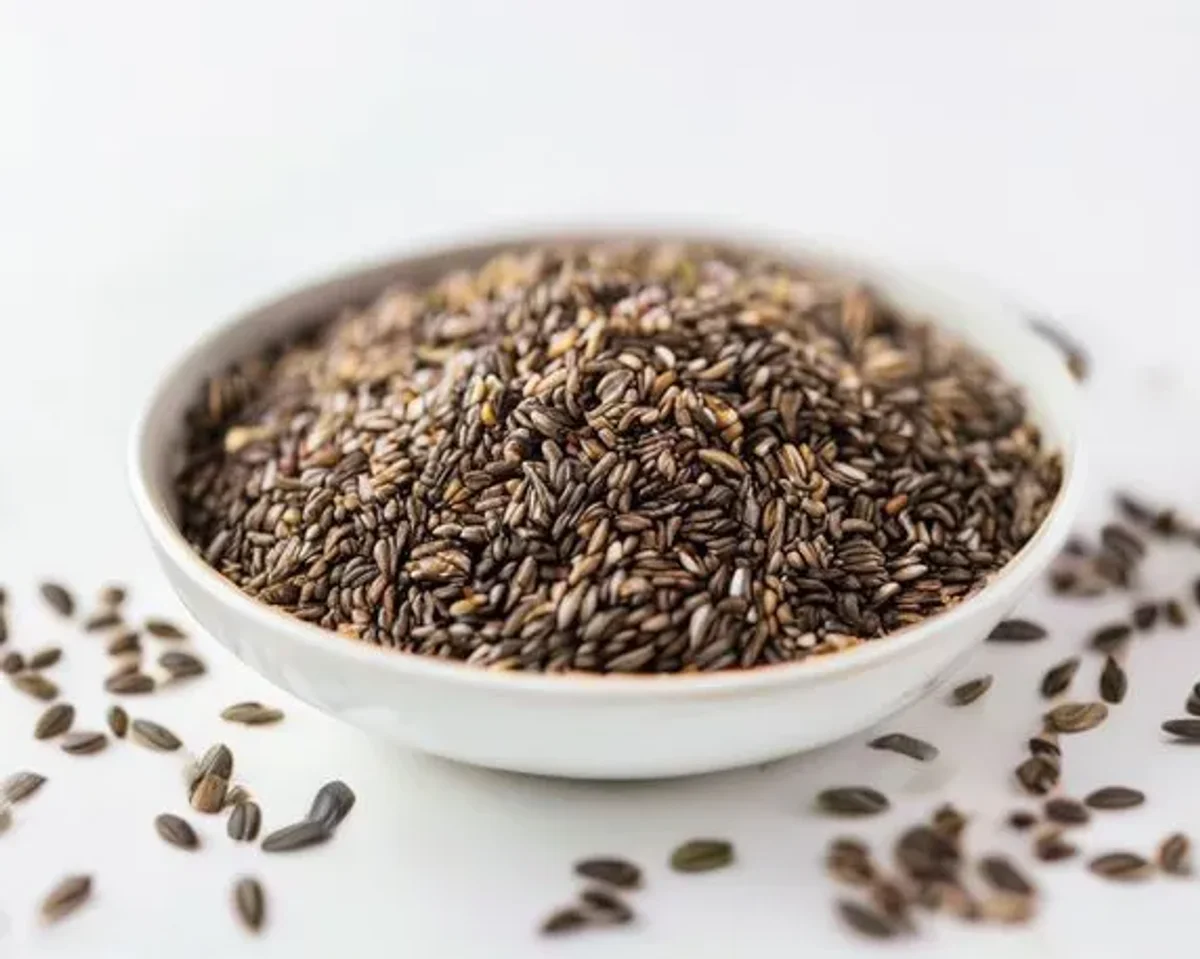
About Chia seeds
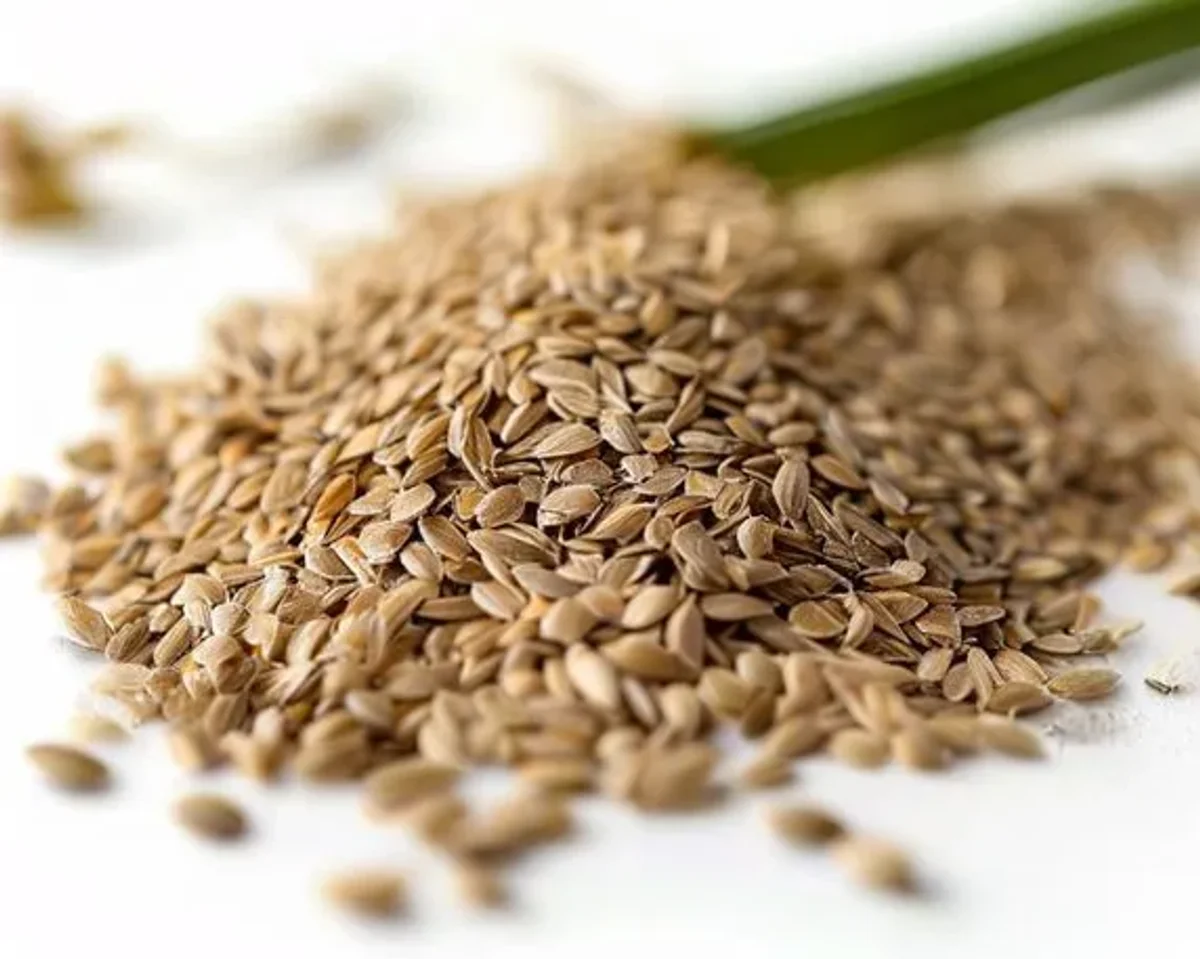
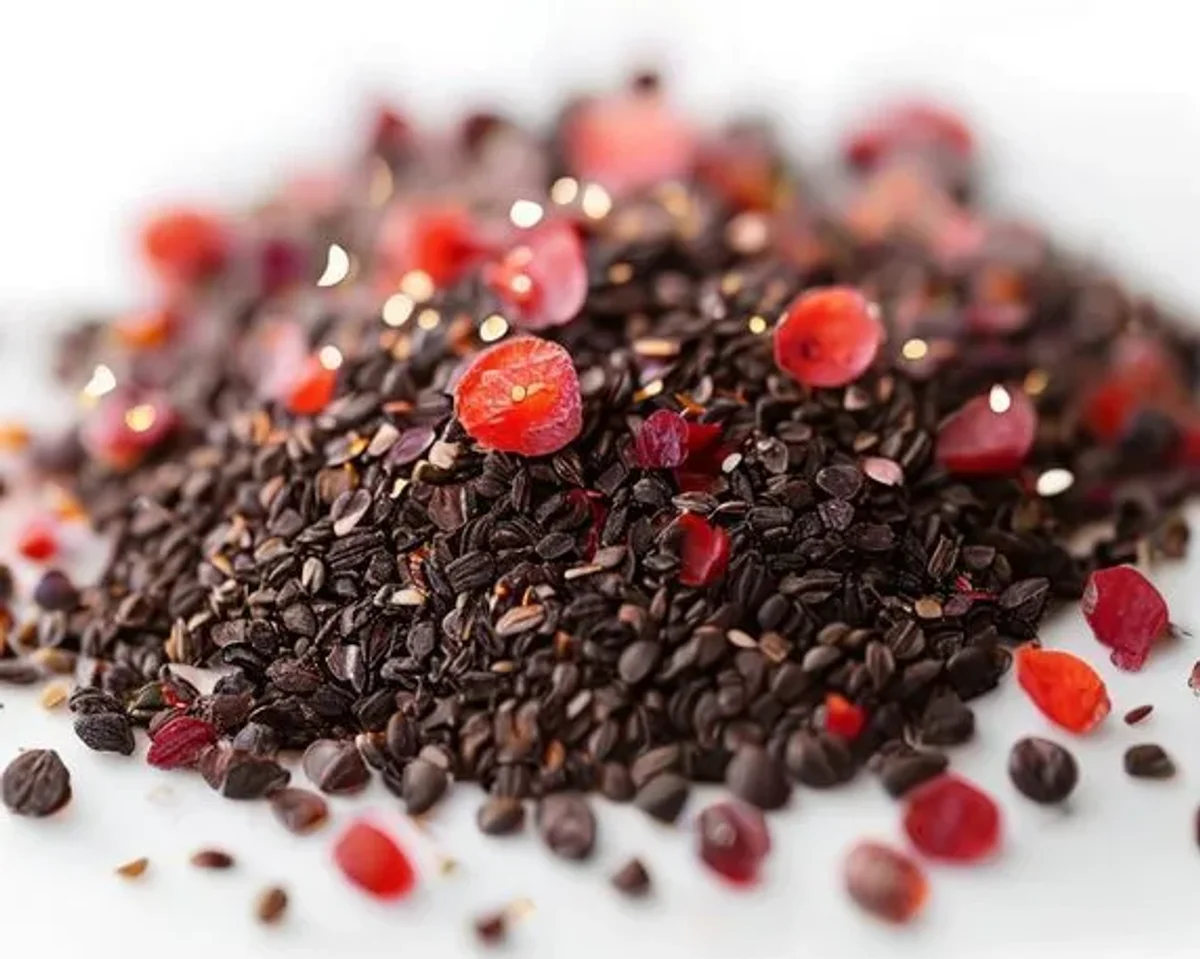
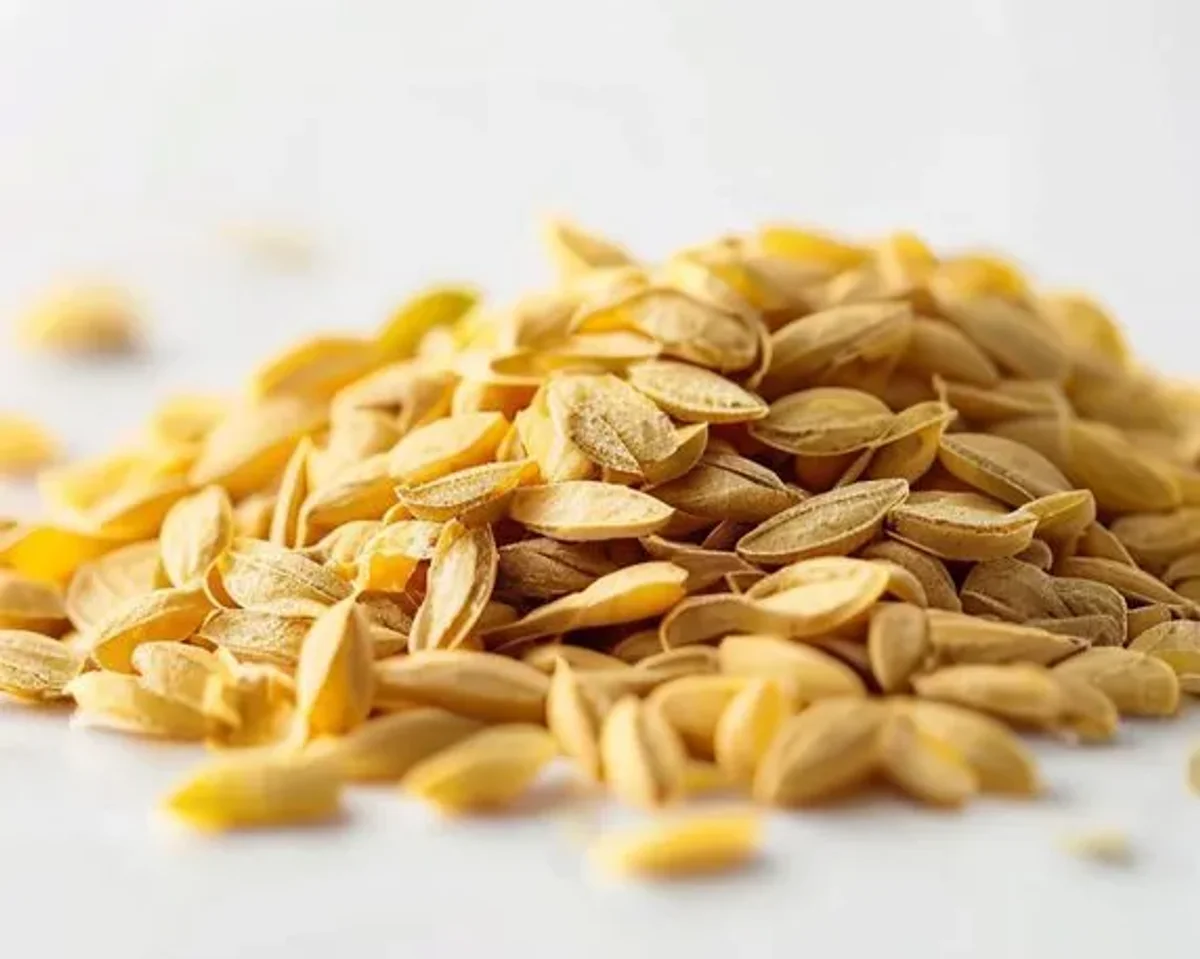
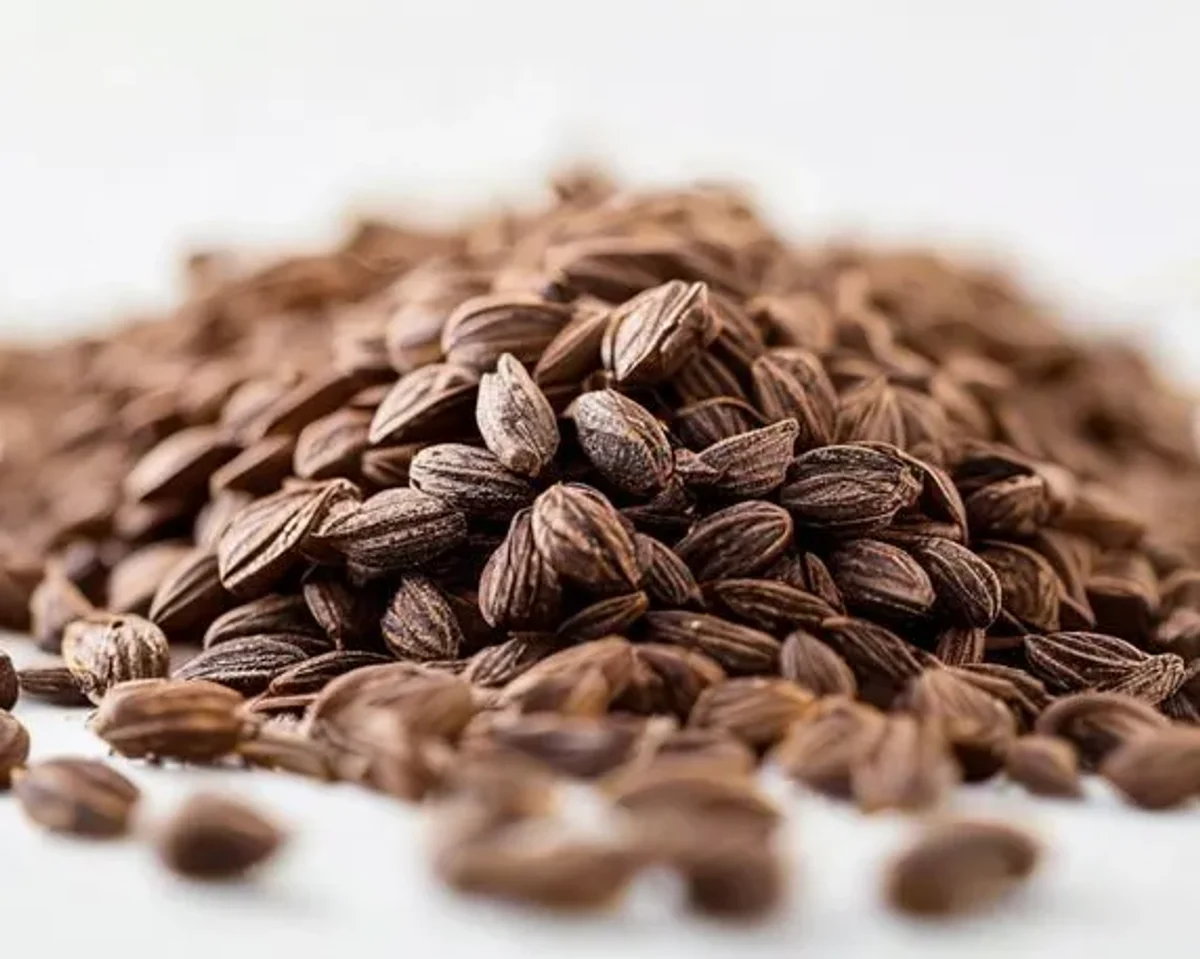
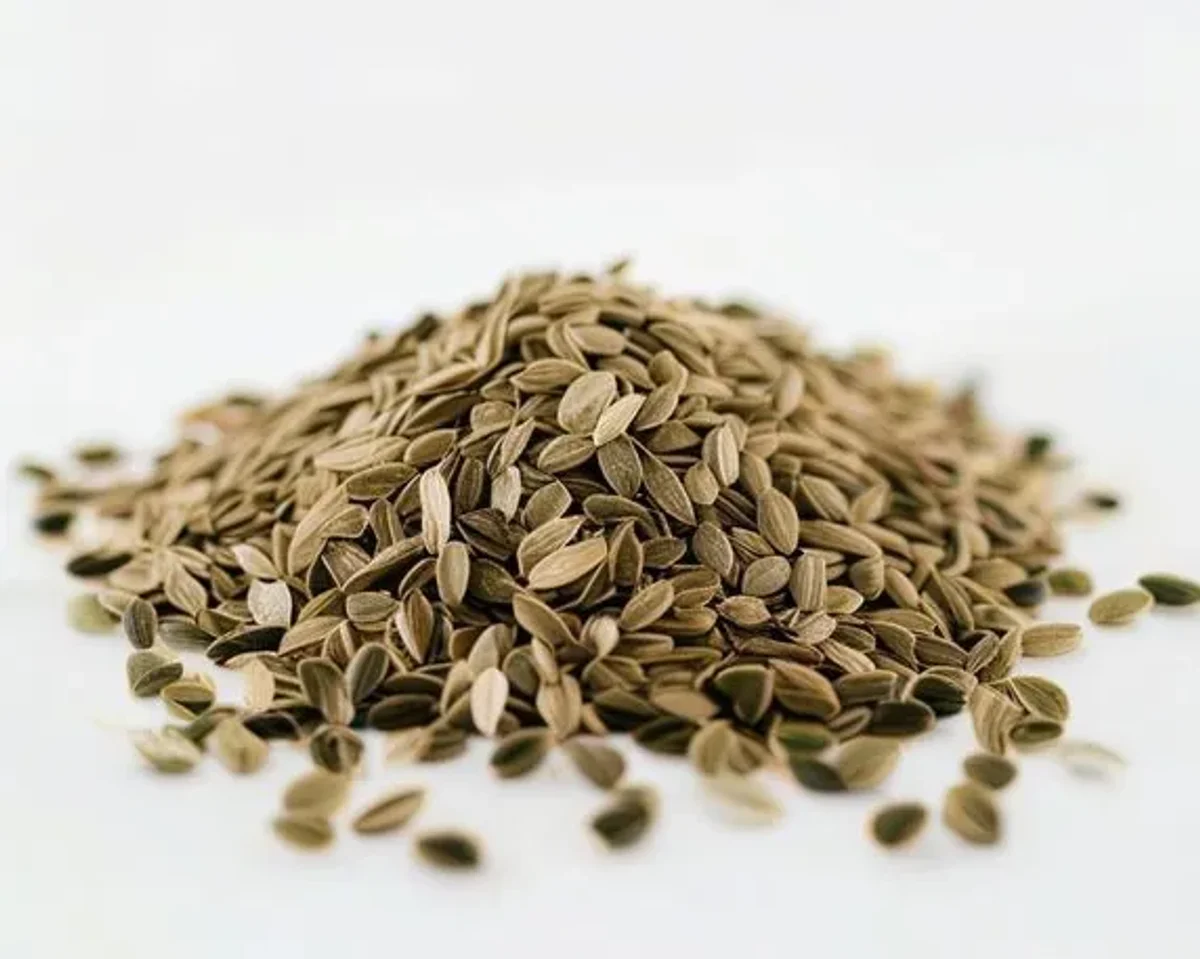
Chia seeds are tiny, oval-shaped seeds that come from a flowering plant in the mint family. They are rich in fiber, protein, omega-3 fatty acids, and antioxidants. They can absorb water and form a gel-like texture, making them a popular ingredient for smoothies, puddings, and baked goods.
Chia seeds have many health benefits, such as lowering blood sugar, cholesterol, and blood pressure, improving bowel function, reducing appetite, and enhancing cognitive performance. They are also gluten-free and suitable for vegan and vegetarian diets.
Lysine Considerations
Lysine is a essential amino acid that is a necessary component for protein creation. It's one of the nine amino acids that the body can't produce, so it must be included in our diet.
Lysine has multiple roles in the body, such as aiding in growth, healing, energy production, immune function, and the production of collagen.
Research indicates that lysine may have an impact on the herpes virus, which is responsible for cold sores and genital sores. Taking lysine supplements or using lysine cream could potentially prevent or treat these infections by stunting the amino acid arginine, which the virus requires for growth.
Chia seeds are a good source of lysine, as they provide 138.6% of the RDI for an adult. Lysine is an essential amino acid that is needed for protein synthesis, collagen formation, wound healing, and immune function.
Arginine Considerations
Arginine, an essential amino acid, is needed by your body to make proteins and support various physiological functions.
Arginine can contribute to cold sore outbreaks, which are blisters caused by the HSV-1 virus, also known as herpes.
Arginine aids in the growth of HSV-1, which needs this particular amino acid to multiply and infect cells. Arginine can be obtained through our diet and is found in a variety of high-protein foods such as nuts, seeds, and chocolate.
Regrettably, the herpes virus is known to "feed" on arginine, and a diet abundant in arginine compared to lysine may increase the frequency and severity of cold sores and herpes outbreaks.
Chia seeds are a very good source of arginine, as they provide 481.4% of the RDI for an adult. Arginine is a semi-essential amino acid that is involved in nitric oxide production, blood pressure regulation, wound healing, and immune function.
Lysine-Arginine Ratio Analysis
The ratio of lysine to arginine in a food item indicates the amount of these amino acids it contains. Lysine and arginine are both necessary for protein synthesis and other metabolic processes.
However, they have different effects on the herpes simplex virus, which causes cold sores and genital herpes. Lysine can stunt the replication of the virus, while arginine can stimulate it.
Eating foods with a higher lysine-arginine ratio may help reduce the occurrence and severity of herpes outbreaks.
Examples of foods with a high lysine-arginine ratio include milk, cheese and yogurt, fish, poultry, fruits, and vegetables. These foods can provide the body with enough lysine to compete with arginine, potentially reducing the risk of viral replication.
Because Chia seeds contains much higher levels of arginine than lysine, limiting its consumption is recommended by people who suffer from herpes, as it may trigger outbreaks.
Chia seeds have a low lysine-arginine ratio, which means that they have more arginine than lysine. This may not be ideal for people who have herpes simplex virus (HSV) infections, as arginine may promote viral replication and trigger outbreaks, while lysine may inhibit viral growth and reduce symptoms. However, the evidence for this is not conclusive and other factors, such as stress and immunity, may also play a role.
Nutrient Density & Portion Control
Nutrient density is a measure of how rich a food is in amino acids relative to portion size. We calculate it as (Lysine + Arginine) / 100, which gives you a quick sense of how much total amino acid content is packed into each 100g serving.
Chia seeds has a high nutrient density (31.1), meaning it contains substantial amounts of both lysine and arginine. While this makes it nutrient-rich, it also means you should be more mindful of portion sizes when managing herpes. Consider consuming it in smaller, measured portions and balance it with other foods to maintain a favorable lysine-arginine ratio overall.
💡 Tip: Use the density metric to quickly gauge portion control. High-density foods are nutrient-dense and should be enjoyed mindfully, while low-density foods give you more flexibility in serving sizes.
Dietary Considerations for Herpes Management
Category Overview
Seeds are edible kernels that are enclosed in a protective outer covering, such as sunflower seeds, pumpkin seeds, flax seeds, and chia seeds. Seeds are rich in protein, fiber, healthy fats, and minerals. That said, seeds also have high levels of arginine compared to lysine, which can be problematic for people with herpes. Arginine can stimulate the replication of the herpes virus, leading to more frequent and severe outbreaks. Lysine can counteract the effects of arginine, but it is not abundant in seeds. Because of this, seeds should be consumed sparingly or with caution by people with herpes. Some seeds that have very high amounts of arginine are sunflower seeds, pumpkin seeds, and sesame seeds.Practical Recommendations
The lysine-arginine ratio is a powerful tool, but diet management for herpes works best as a complete strategy. Here are additional dietary habits that experienced herpes-management practitioners consistently recommend:
Prioritising anti-inflammatory whole foods — leafy greens, colourful vegetables, legumes, and omega-3-rich fish — gives your immune system the micronutrients it needs to keep HSV dormant. Chronic low-grade inflammation is a known trigger for viral reactivation, so reducing dietary sources of inflammation is a direct outbreak-prevention strategy.
Avoid alcoholic beverages and caffeine which can overstimulate your body, leave you dehydrated, and compromise your immune system.
L-lysine supplementation is one of the most widely used dietary interventions for herpes management. Clinical studies suggest a daily dose of 1,000–3,000mg can reduce outbreak frequency. If your diet is already rich in lysine-heavy foods like fish, eggs, and dairy, supplements can further tip the amino acid balance in your favour — particularly during high-stress periods when outbreak risk increases.
Taking other food supplements that can improve your immunity and protect your cells from oxidative stress, such as vitamin C, zinc, selenium, and antioxidants.
To prevent outbreaks, avoid foods that can cause allergic reactions or sensitivities, such as gluten, dairy, nuts, eggs, or shellfish. These foods can harm your immune system and make inflammation worse.
Pain, swelling, and itching can be reduced by eating foods that have anti-inflammatory, antiviral, and antibacterial properties, such as honey, plain yogurt, aloe vera, and chamomile tea. These foods can also help you heal faster by promoting tissue repair.
Is Chia seeds Safe for Shingles?
Caution advised: Chia seeds is arginine-dominant. With a lysine-to-arginine ratio of 0.45, this food contains more arginine than lysine.
Arginine can fuel VZV replication by competing with lysine for absorption. Arginine-rich foods can potentially trigger VZV reactivation in susceptible individuals. This doesn't mean avoiding Chia seeds entirely—it means being intentional about portions and pairings.
Strategy: If you enjoy Chia seeds, consume it in smaller portions and always pair it with lysine-rich foods. For example, combine nuts with cheese, or legumes with chicken. This approach keeps your overall amino acid balance tilted toward lysine.
⚠ Requires Caution: This food is high in arginine. Monitor your intake and pair with lysine sources to maintain dietary balance.
Medical Disclaimer: This information is for educational purposes only and should not replace professional medical advice. Always consult a healthcare provider before making significant dietary changes, especially if you have active shingles or a history of herpes infections.
Is Chia seeds good or bad for herpes?
With a ratio of 0.45, Chia seeds is arginine-dominant. People managing herpes should be mindful of portion sizes. The lysine-to-arginine ratio is the key metric: foods above 1.0 generally support herpes management, while foods below 1.0 require more careful portioning. Chia seeds fits into the cautious category.
Is Chia seeds high in arginine?
At 2140.00mg per 100g, Chia seeds has a notably high arginine content. For context, foods above 200mg arginine per 100g are worth monitoring closely if you have frequent herpes outbreaks. Pairing Chia seeds with high-lysine foods like eggs, fish, or dairy can help offset its arginine content.
How much lysine does Chia seeds contain?
Its lysine content of 970.00mg per 100g is substantial and actively helps compete with arginine at the intestinal absorption level. Because its arginine content exceeds its lysine content, you may want to pair Chia seeds with higher-lysine foods to maintain a favourable overall balance.
Can I eat Chia seeds if I have herpes?
Chia seeds has a ratio of 0.45, meaning arginine is more abundant than lysine. You can still include it in your diet, but be mindful of portion size — especially during periods of stress or if you feel a prodrome coming on. Always consult your healthcare provider for personalised advice.
What is the lysine-arginine ratio of Chia seeds?
The lysine-arginine ratio of Chia seeds is 0.45, calculated from 970.00mg lysine and 2140.00mg arginine per 100g serving. A ratio below 1 means arginine is more abundant, which requires more careful intake management.
Does Chia seeds trigger cold sores?
Chia seeds could potentially contribute to cold sore triggers if eaten in large quantities, due to its arginine-dominant profile (ratio: 0.45). That said, cold sore triggers are cumulative — a single food rarely causes an outbreak. The overall diet pattern, stress levels, sun exposure, and immune status all play a role. If you notice a personal correlation between eating Chia seeds and outbreaks, consider reducing your serving size.

Image: Bravado Labs L-Lysine Cold Sore Treatment
Bravado Labs L-Lysine Cold Sore Treatment
Why we love it:
- Verified Customer Favorite
- High Quality Ingredients
As an affiliate, we earn from qualifying purchases.
Recommended Supplements for Herpes Management
Simplix Viral Defense
Cold Sore & HSV Support
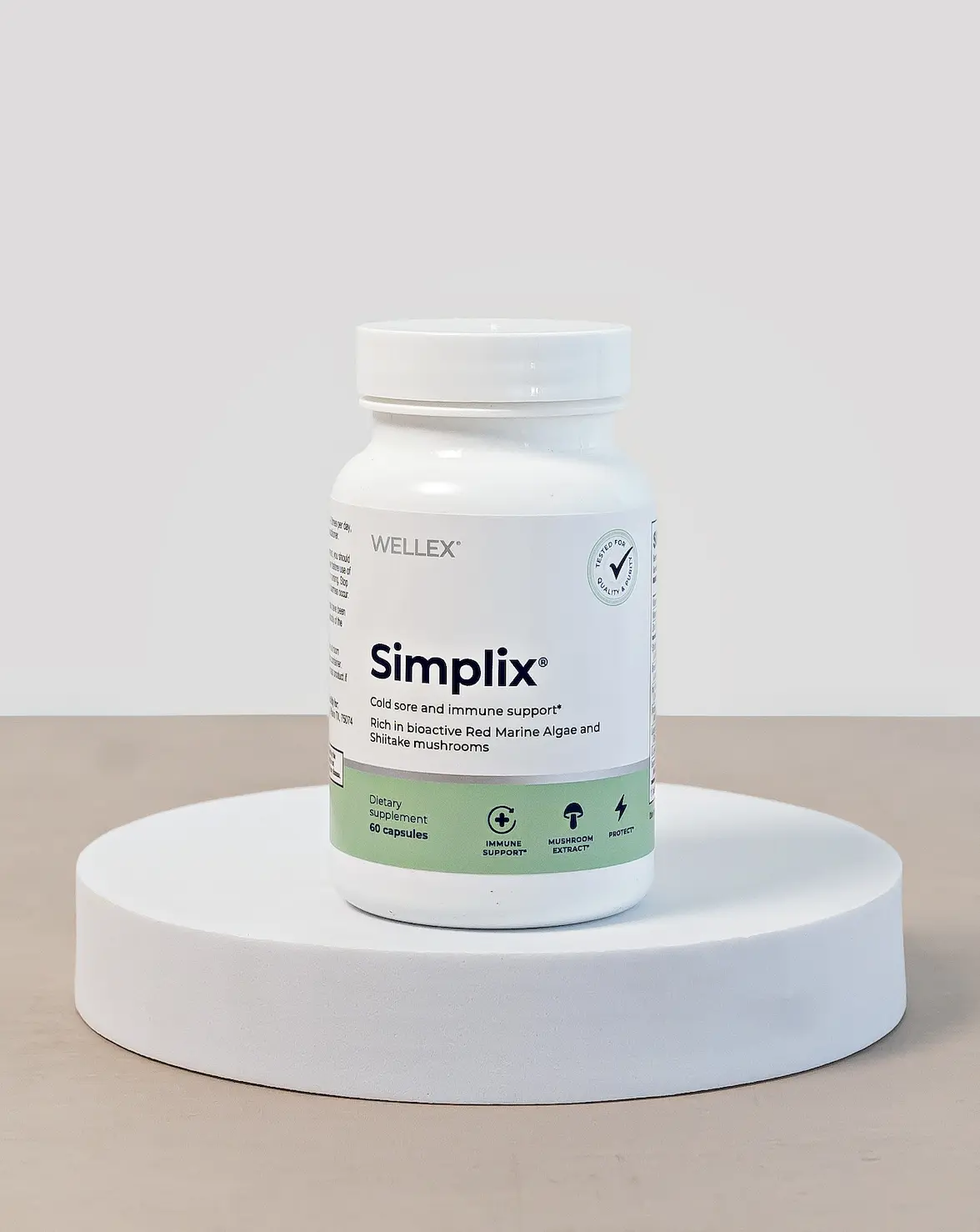
Simplix Viral Defense
Cold Sore & HSV Support
Synergistic formula combining L-Lysine, shiitake mushroom, and marine bioactives for comprehensive immune support.
SHOP NOW & SAVE 15%