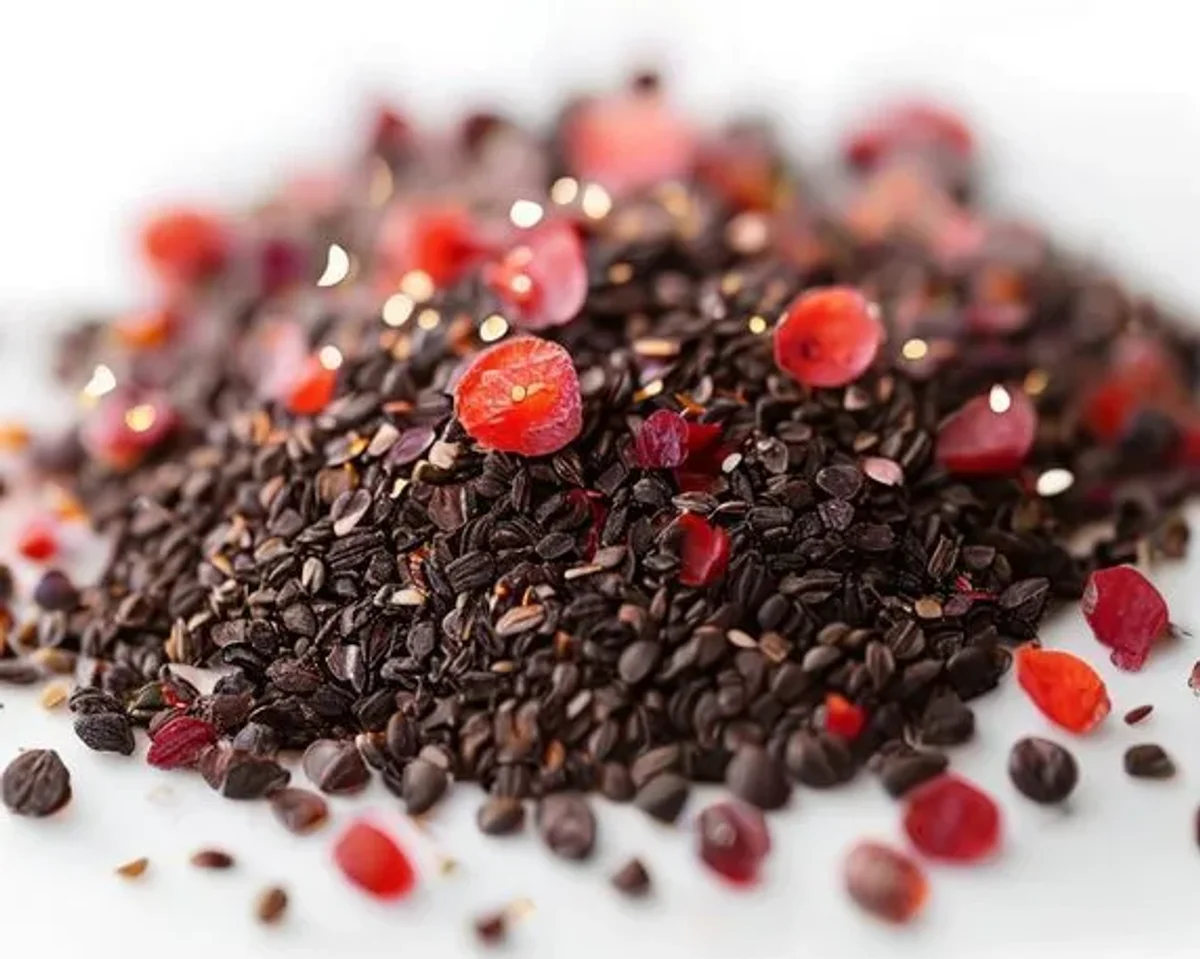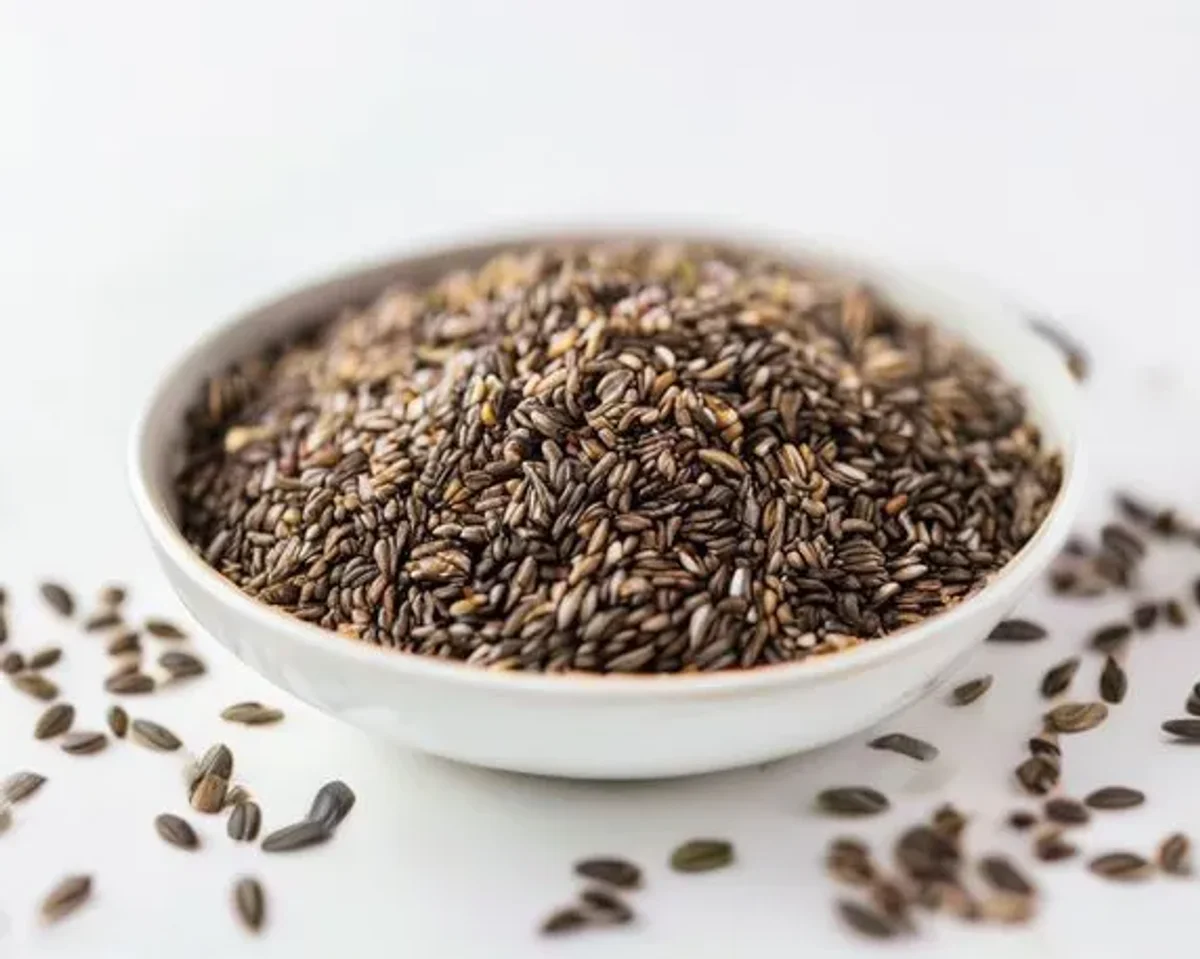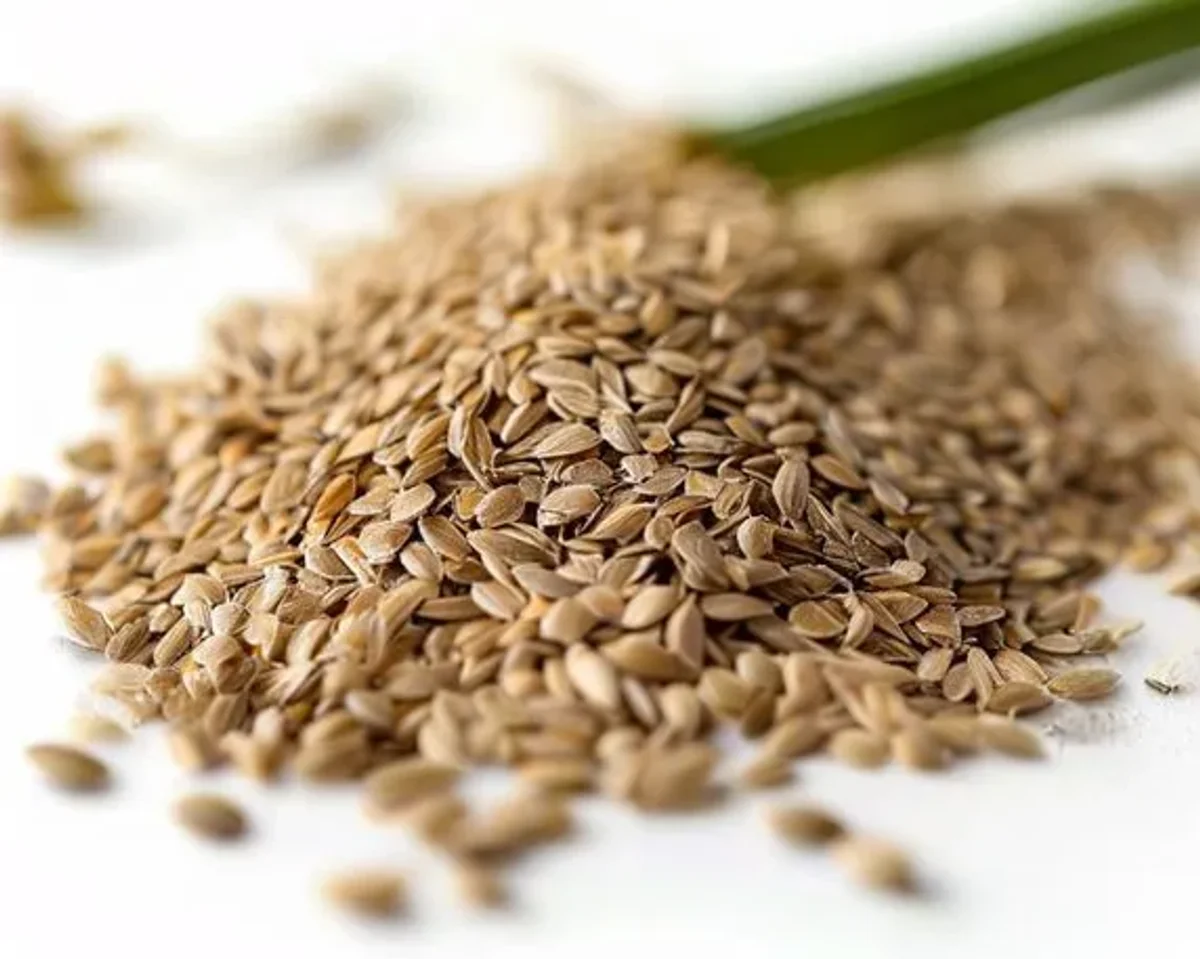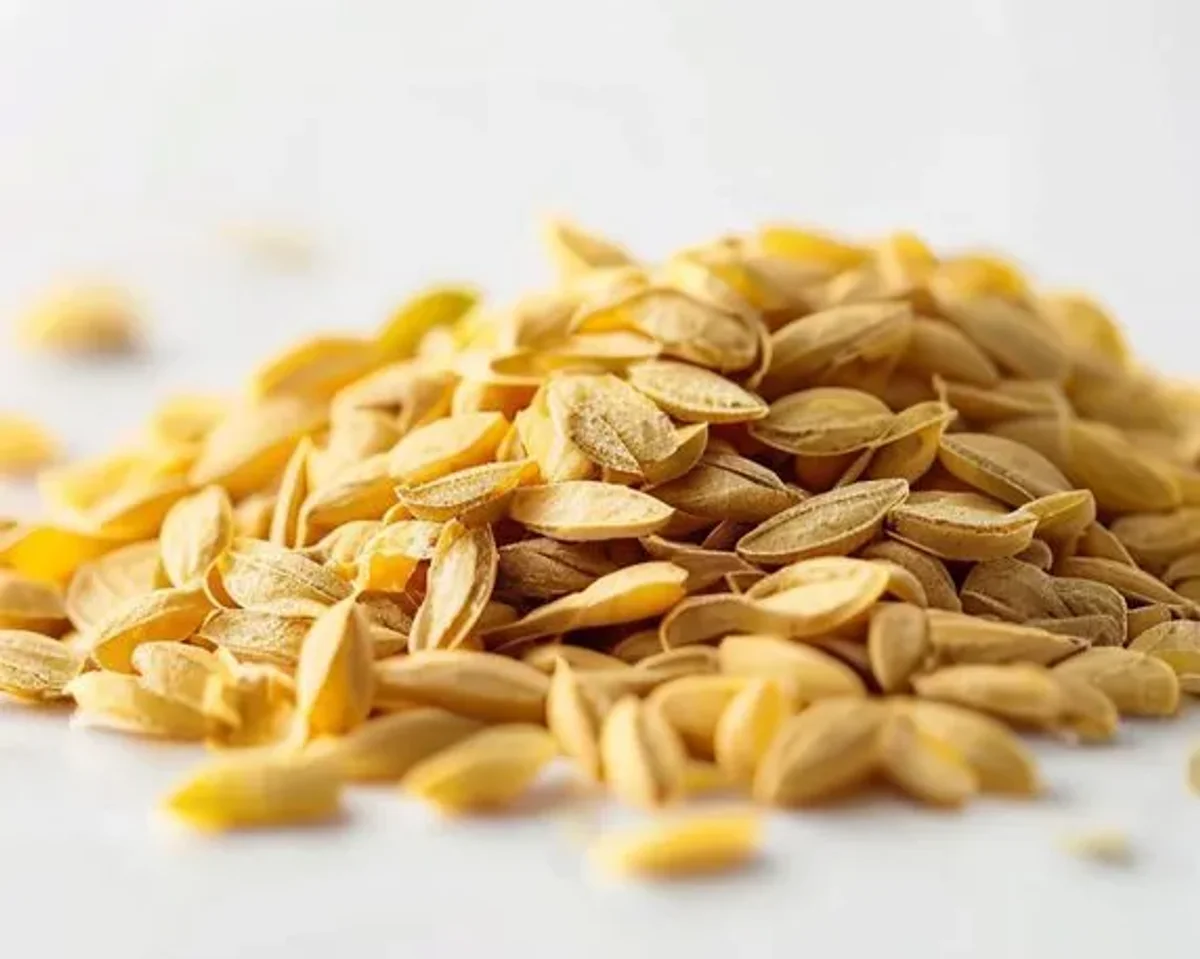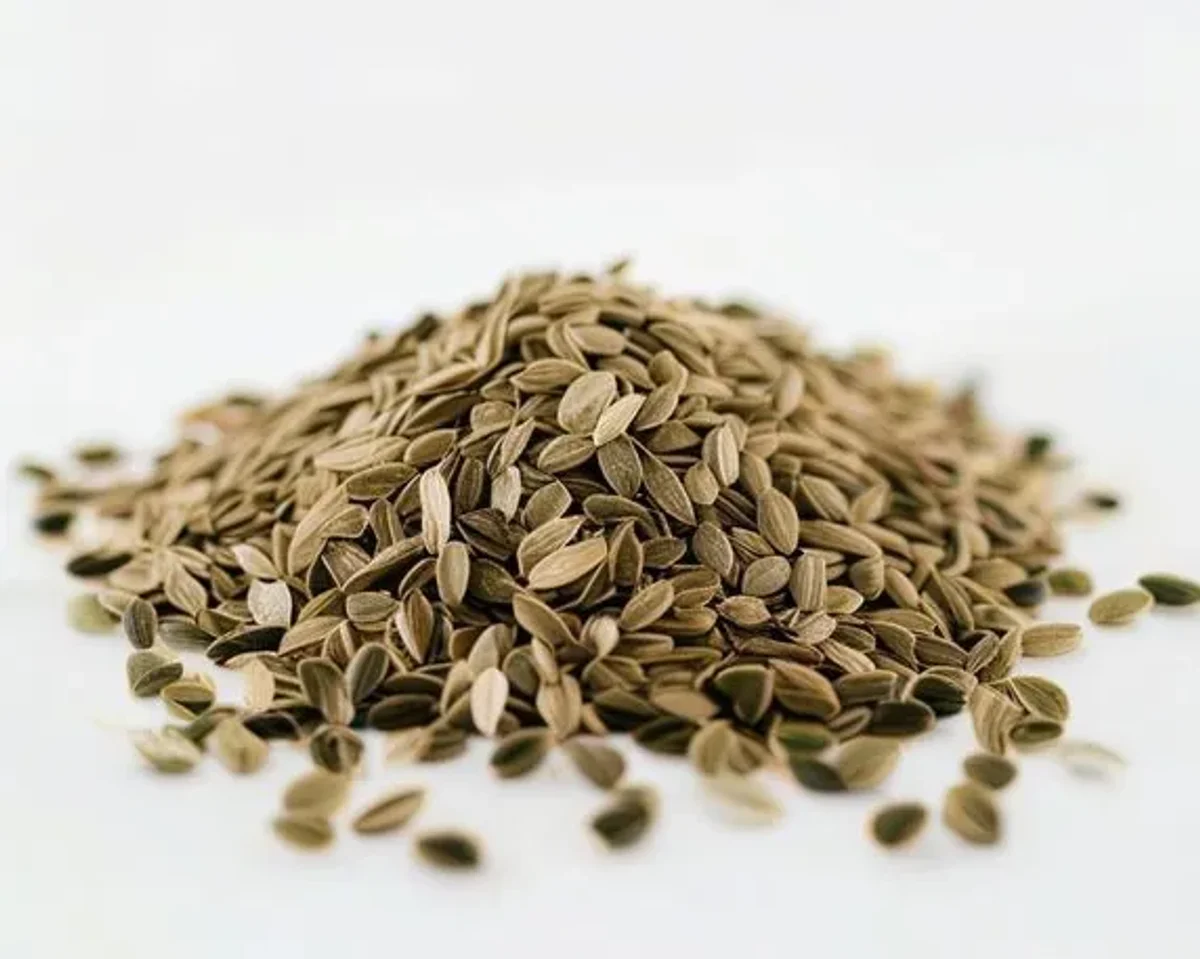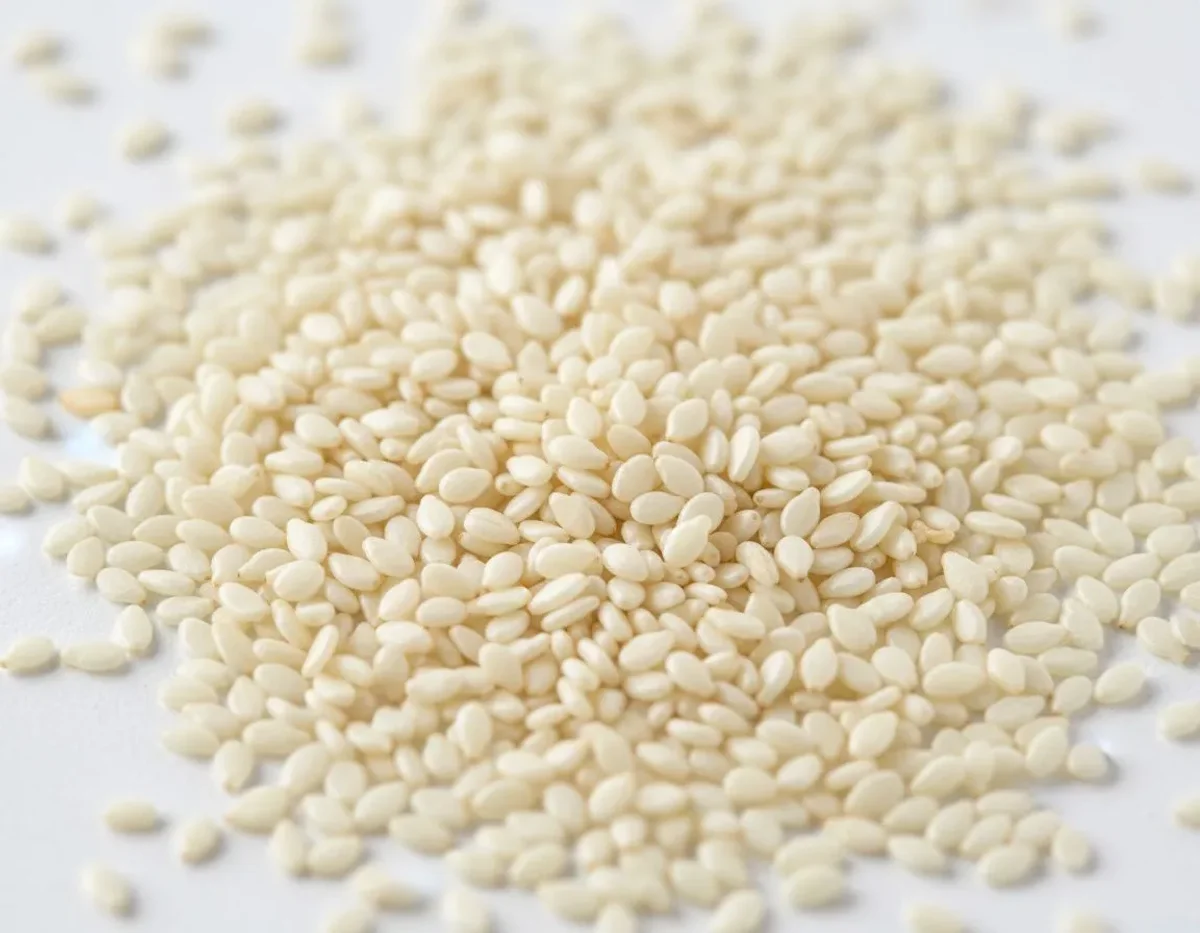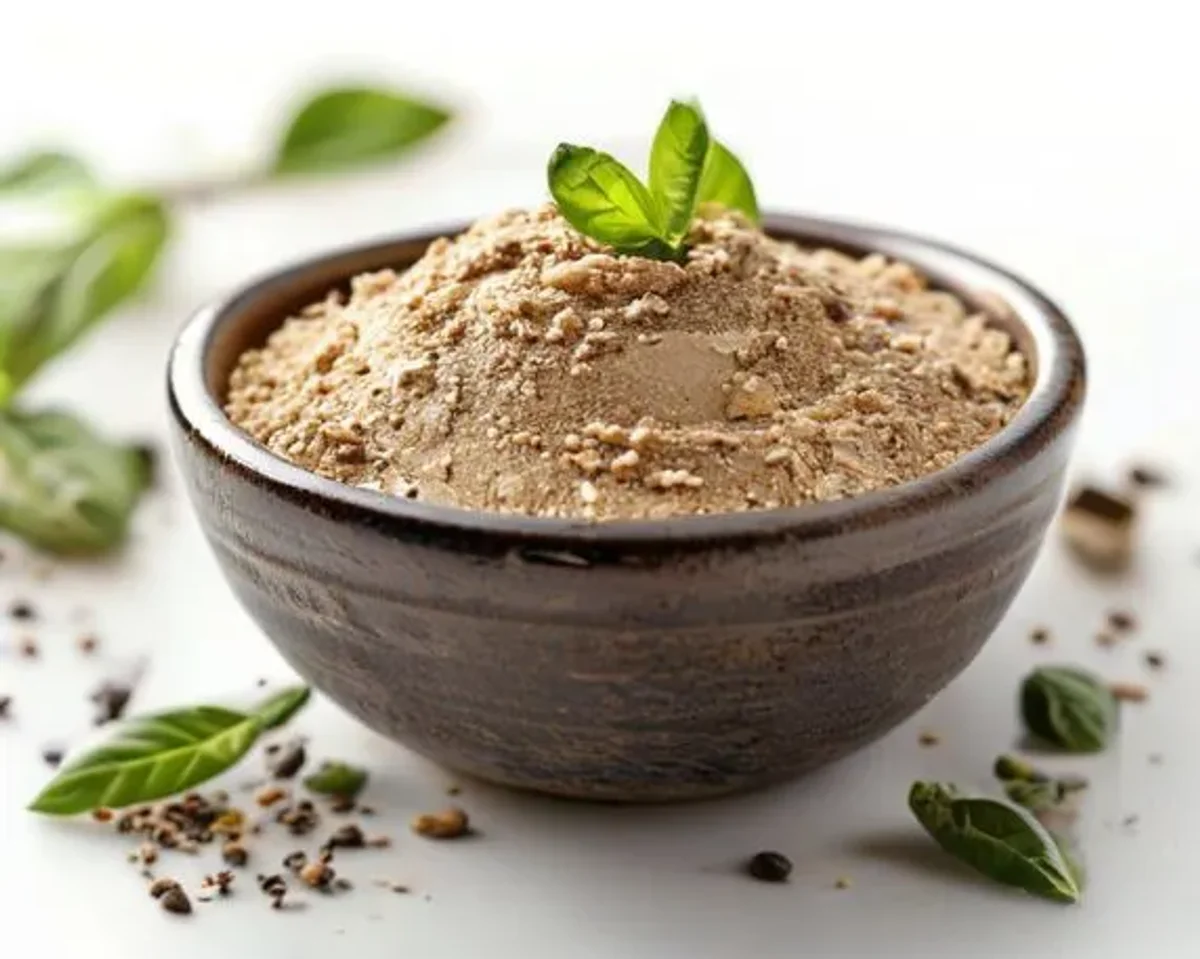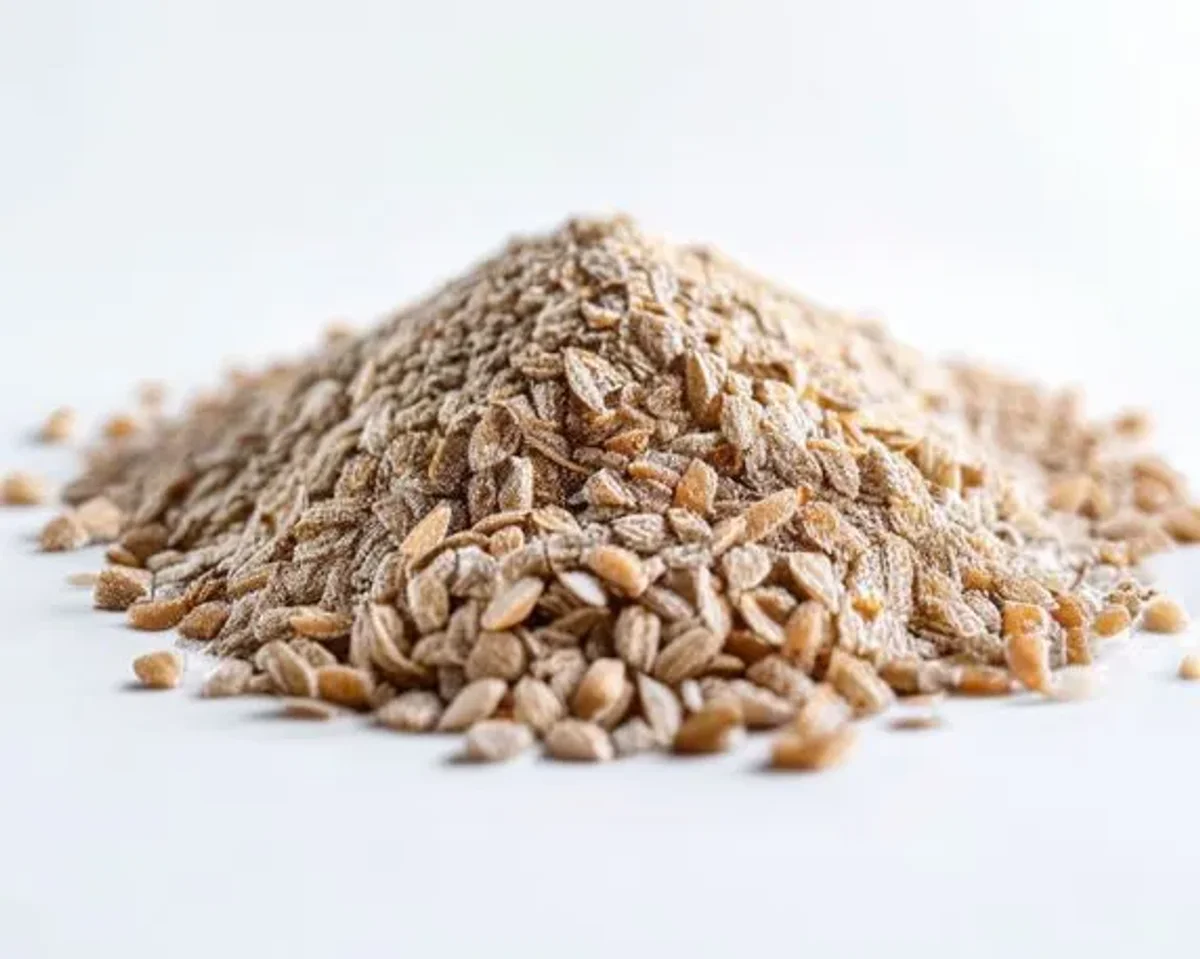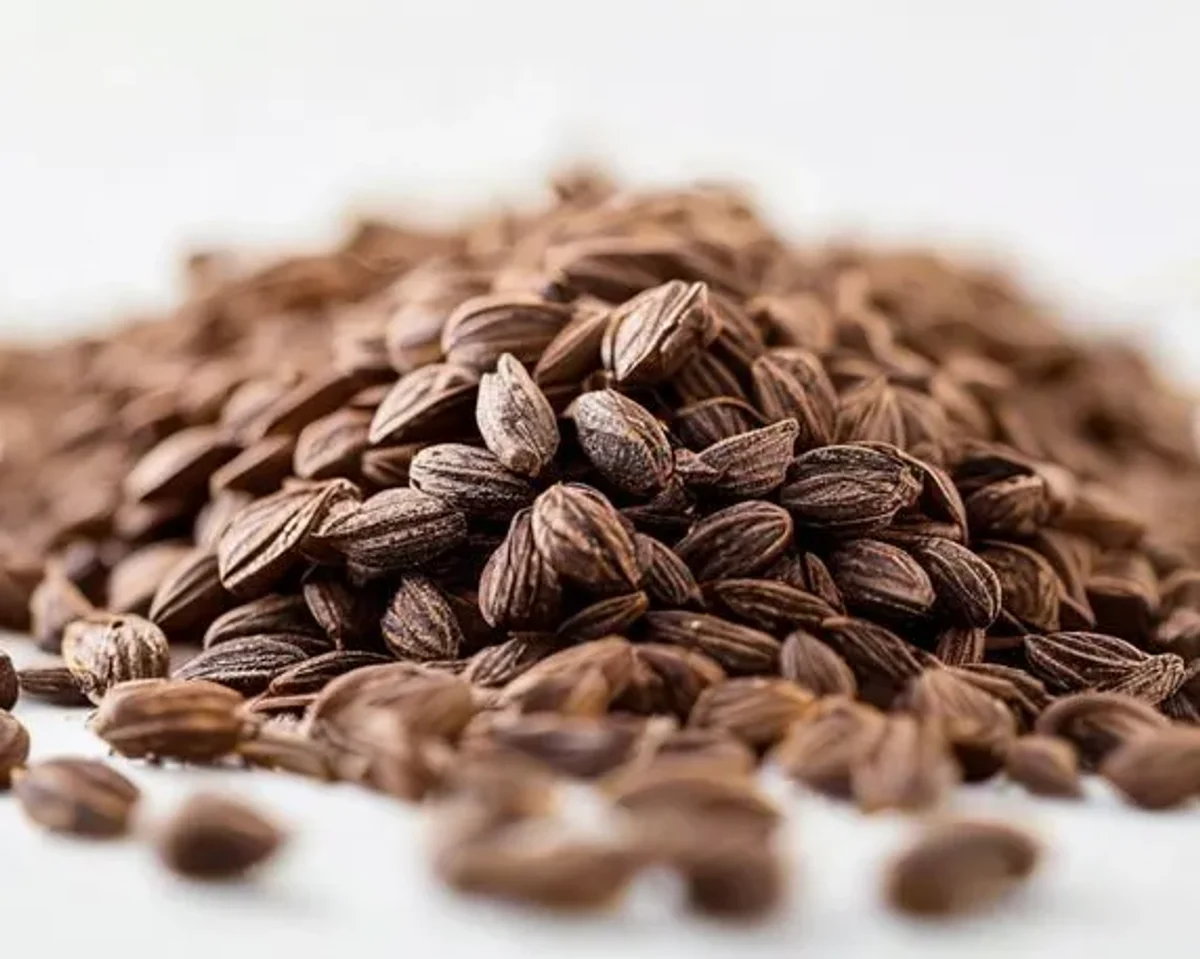
About Carob Seeds
Carob seeds are small, hard seeds found inside the fruit of the carob tree. They are often used in food processing.
Carob seeds are a good source of fiber and protein. They also contain a variety of vitamins and minerals.
Lysine Considerations
From a nutritional standpoint, lysine is one of the most studied amino acids in relation to herpes management. A landmark study published in Dermatologica found that supplemental lysine significantly reduced the frequency, severity, and healing time of cold sore outbreaks in participants who took at least 1,000mg daily.
Lysine's mechanism is competitive inhibition: because it shares the same intestinal absorption pathway as arginine, higher dietary lysine levels limit how much arginine becomes available to the herpes virus. For people managing HSV-1 or HSV-2, tracking the lysine content of foods — not just avoiding high-arginine foods — gives a more complete and proactive picture of dietary management.
Carob seeds contain a small amount of lysine. While they are not as high in lysine as some other foods, they can still contribute to your daily lysine intake.
Arginine Considerations
Arginine is an amino acid that our body needs to make nitric oxide, a compound that helps with blood circulation, energy, and communication between cells.
Arginine can improve your health and performance, such as lowering your blood pressure, healing your wounds, and boosting your exercise endurance.
Arginine can be made by the human body or obtained from foods like meat, dairy, nuts, and soy.
Unfortunately, the herpes virus is known to "feed" on arginine, and having a diet higher in arginine than lysine may increase the occurrence and severity of cold sores and herpes outbreaks.
Carob seeds contain more arginine than lysine. Arginine is a semi-essential amino acid that plays a role in several bodily functions, including wound healing and immune function.
Lysine-Arginine Ratio Analysis
The lysine-arginine ratio in a food item reflects the relative quantities of these two amino acids. Both lysine and arginine are essential for protein synthesis and various other bodily functions.
They, however, have opposing effects on the herpes simplex virus, which causes cold sores and genital herpes. Lysine can stunt the replication of the virus, whereas arginine can stimulate it.
Thus, a diet rich in foods with a high lysine to arginine ratio may help lower the occurrence and severity of herpes outbreaks.
Foods that have a high lysine-arginine ratio include dairy products, fish, poultry, fruits, and vegetables.
These foods can provide the body with enough lysine to compete with arginine and inhibit the virus from replicating and causing outbreaks.
Because Carob Seeds contains slightly more arginine than lysine, reducing its consumption may help people who suffer from herpes, as it may lower the viral activity.
Carob seeds have a lower lysine-arginine ratio, which means they have more arginine relative to lysine. This can be beneficial for people who need to increase their arginine intake for health reasons.
Nutrient Density & Portion Control
Nutrient density is a measure of how rich a food is in amino acids relative to portion size. We calculate it as (Lysine + Arginine) / 100, which gives you a quick sense of how much total amino acid content is packed into each 100g serving.
Carob Seeds has a low nutrient density (0.43), which means it contains relatively lower amounts of these amino acids. You can safely enjoy larger portions of this food without worrying as much about amino acid balance, making it a flexible option in your herpes management diet.
💡 Tip: Use the density metric to quickly gauge portion control. High-density foods are nutrient-dense and should be enjoyed mindfully, while low-density foods give you more flexibility in serving sizes.
Dietary Considerations for Herpes Management
Category Overview
Seeds are edible kernels that are enclosed in a protective outer covering, such as sunflower seeds, pumpkin seeds, flax seeds, and chia seeds. Seeds are a decent source of protein, fiber, healthy fats, and minerals. That said, seeds also have high levels of arginine compared to lysine, which can be problematic for people with herpes. Arginine can stimulate the replication of the herpes virus, leading to more frequent and severe outbreaks. Lysine can counteract the effects of arginine, but it is not abundant in seeds. Because of this, seeds should be consumed sparingly or with caution by people with herpes. Some seeds that have very high amounts of arginine are sunflower seeds, pumpkin seeds, and sesame seeds.Practical Recommendations
Managing herpes through diet is not only about this one food — it is about the overall pattern of what you eat day to day. Alongside tracking the lysine-arginine balance, these broader habits can meaningfully reduce outbreak frequency:
Prioritising anti-inflammatory whole foods — leafy greens, colourful vegetables, legumes, and omega-3-rich fish — gives your immune system the micronutrients it needs to keep HSV dormant. Chronic low-grade inflammation is a known trigger for viral reactivation, so reducing dietary sources of inflammation is a direct outbreak-prevention strategy.
Drinking enough water to keep yourself hydrated and remove toxins from your body. Water can also help prevent dryness and irritation of the skin and mucous membranes, which can result in fewer outbreaks.
L-lysine supplementation is one of the most widely used dietary interventions for herpes management. Clinical studies suggest a daily dose of 1,000–3,000mg can reduce outbreak frequency. If your diet is already rich in lysine-heavy foods like fish, eggs, and dairy, supplements can further tip the amino acid balance in your favour — particularly during high-stress periods when outbreak risk increases.
Taking other food supplements that can improve your immunity and protect your cells from oxidative stress, such as vitamin C, zinc, selenium, and antioxidants.
Your immune system can be weakened and inflammation can be increased by foods that can cause allergic reactions or sensitivities, such as gluten, dairy, nuts, eggs, or shellfish. Avoid these foods to prevent outbreaks.
Foods that can boost your immunity and fight inflammation are essential to prevent outbreaks. Honey, plain yogurt, aloe vera, and chamomile tea are some examples of these foods. They can also soothe your symptoms and help you recover quicker by reducing pain, swelling, and itching.
Is Carob Seeds Safe for Shingles?
Caution advised: Carob Seeds is arginine-dominant. With a lysine-to-arginine ratio of 0.54, this food contains more arginine than lysine.
Arginine can fuel VZV replication by competing with lysine for absorption. Arginine-rich foods can potentially trigger VZV reactivation in susceptible individuals. This doesn't mean avoiding Carob Seeds entirely—it means being intentional about portions and pairings.
Strategy: If you enjoy Carob Seeds, consume it in smaller portions and always pair it with lysine-rich foods. For example, combine nuts with cheese, or legumes with chicken. This approach keeps your overall amino acid balance tilted toward lysine.
⚠ Requires Caution: This food is high in arginine. Monitor your intake and pair with lysine sources to maintain dietary balance.
Medical Disclaimer: This information is for educational purposes only and should not replace professional medical advice. Always consult a healthcare provider before making significant dietary changes, especially if you have active shingles or a history of herpes infections.
Is Carob Seeds good or bad for herpes?
With a ratio of 0.54, Carob Seeds is arginine-dominant. People managing herpes should be mindful of portion sizes. The lysine-to-arginine ratio is the key metric: foods above 1.0 generally support herpes management, while foods below 1.0 require more careful portioning. Carob Seeds fits into the cautious category.
Is Carob Seeds high in arginine?
Carob Seeds is relatively low in arginine at 27.80mg per 100g. This level is manageable for most people when consumed as part of a balanced, lysine-rich diet.
How much lysine does Carob Seeds contain?
Its lysine content of 15.00mg per 100g is low, so it contributes little lysine to counterbalance arginine from other foods. Because its arginine content exceeds its lysine content, you may want to pair Carob Seeds with higher-lysine foods to maintain a favourable overall balance.
Can I eat Carob Seeds if I have herpes?
Carob Seeds has a ratio of 0.54, meaning arginine is more abundant than lysine. You can still include it in your diet, but be mindful of portion size — especially during periods of stress or if you feel a prodrome coming on. Always consult your healthcare provider for personalised advice.
What is the lysine-arginine ratio of Carob Seeds?
The lysine-arginine ratio of Carob Seeds is 0.54, calculated from 15.00mg lysine and 27.80mg arginine per 100g serving. A ratio below 1 means arginine is more abundant, which requires more careful intake management.
Does Carob Seeds trigger cold sores?
Carob Seeds could potentially contribute to cold sore triggers if eaten in large quantities, due to its arginine-dominant profile (ratio: 0.54). That said, cold sore triggers are cumulative — a single food rarely causes an outbreak. The overall diet pattern, stress levels, sun exposure, and immune status all play a role. If you notice a personal correlation between eating Carob Seeds and outbreaks, consider reducing your serving size.

Image: Bravado Labs L-Lysine Cold Sore Treatment
Bravado Labs L-Lysine Cold Sore Treatment
Why we love it:
- Verified Customer Favorite
- High Quality Ingredients
As an affiliate, we earn from qualifying purchases.
Recommended Supplements for Herpes Management
Simplix Viral Defense
Cold Sore & HSV Support
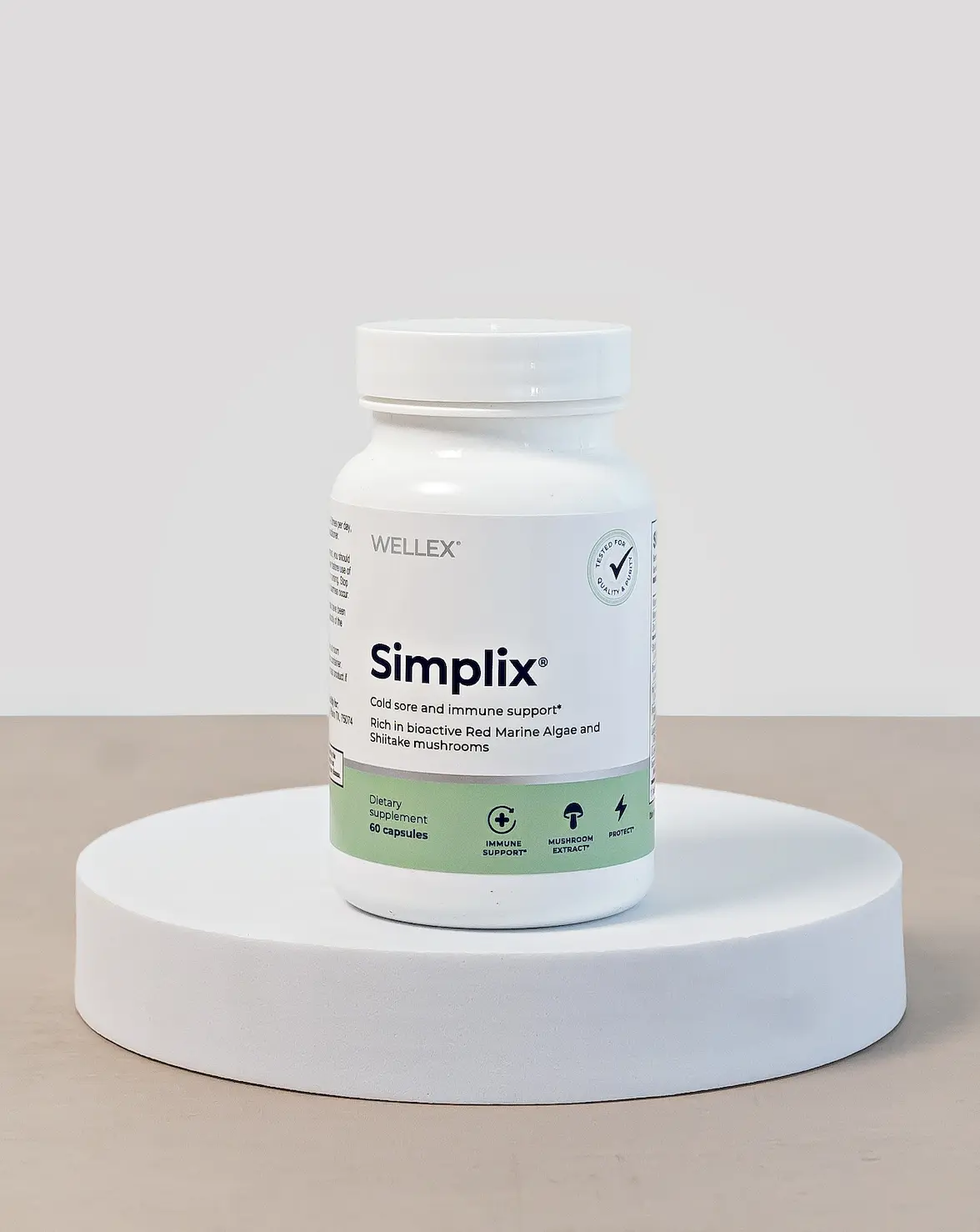
Simplix Viral Defense
Cold Sore & HSV Support
Synergistic formula combining L-Lysine, shiitake mushroom, and marine bioactives for comprehensive immune support.
SHOP NOW & SAVE 15%