Cold sores, medically known as herpes labialis, are caused by the herpes simplex virus (HSV-1). These small, fluid-filled blisters typically appear on or around the lips and can cause pain, itching, and discomfort. Effective management involves proper care, lifestyle adjustments, and preventive measures to reduce symptoms and limit virus transmission.
1. Avoid Touching the Cold Sore
Touching a cold sore can spread the herpes virus to other areas of your body or to others.
Maintain strict hygiene by washing your hands frequently, especially before and after applying treatments.
When applying creams, dab gently rather than rubbing to avoid irritation.
Do not pick, pop, or scratch the sore, as this increases the risk of infection, scarring, and delays healing.
Allow the cold sore to heal naturally without interference.
2. Avoid Foods That Can Worsen Cold Sores
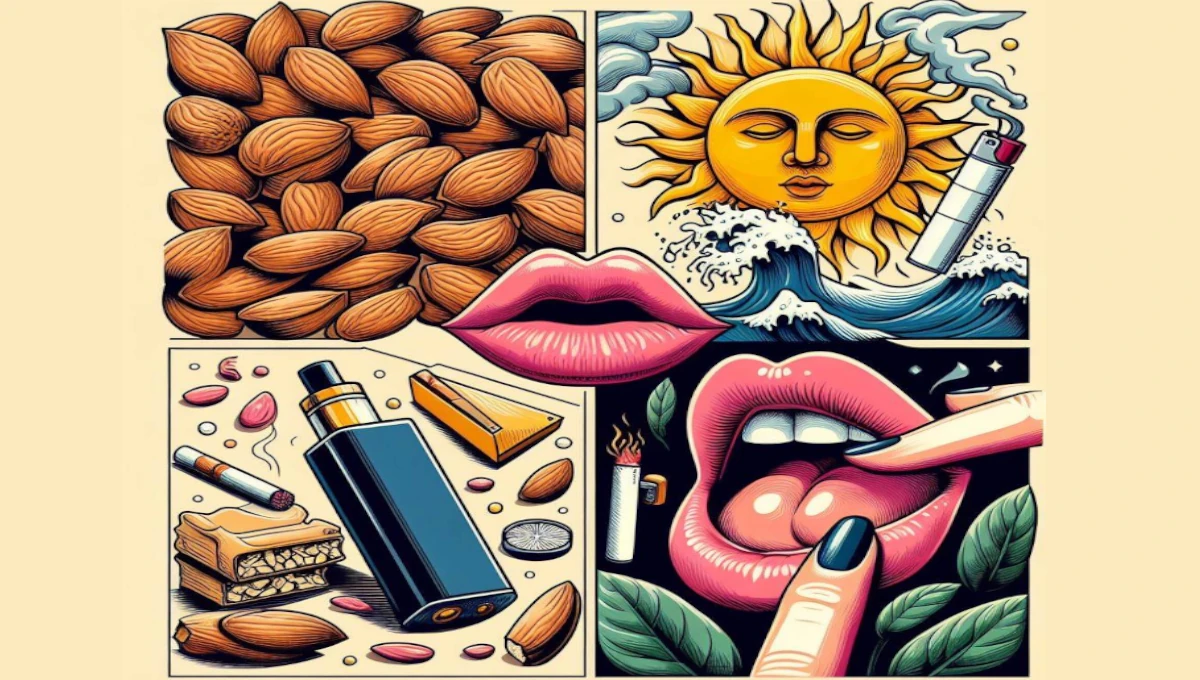
Foods high in arginine—such as flaxseeds, chocolate, spinach, whole grains, almonds, peanuts, hazelnuts, and walnuts—can promote herpes virus replication and potentially worsen cold sores.
Limiting these during outbreaks may help reduce severity.
Avoid hot, spicy, salty, or acidic foods like citrus fruits and raw tomatoes, which can irritate sores and increase discomfort.
Choose mild, warm foods that are gentle on the affected area.
3. Limit Physical Contact to Prevent Transmission
Cold sores are highly contagious during active outbreaks. Avoid kissing and oral sex until the sore has fully healed to prevent virus transmission. The herpes simplex virus spreads through direct skin-to-skin contact, so caution is essential.
4. Do Not Share Personal Items
Sharing personal items like towels, lip balm, utensils, cigarettes, or vapes can transmit the herpes virus.
Avoid sharing anything that contacts your lips or mouth during an outbreak.
For more details, see herpes transmission through shared cigarettes and vapes.
Using separate hygiene and personal care items reduces the risk of spreading cold sores to others.
5. Protect Your Lips from Sun Exposure
Ultraviolet (UV) rays are a common trigger for cold sore outbreaks by reactivating the dormant virus.
Use a lip balm with SPF 30 or higher and reapply frequently, especially after eating, drinking, or swimming.
UV rays penetrate clouds and fog, so daily protection is important even on overcast days.
Lip balms containing lysine may also help, as lysine supports antiviral defense.
If a cold sore develops from sun exposure, consider using Abreva.
Applied at the first sign, it can reduce healing time to as little as 2½ days.
Abreva contains the only FDA-approved OTC ingredient proven to shorten cold sore duration and relieve symptoms.
FAQs: Things to Avoid When You Have a Cold Sore
Can touching a cold sore make it worse?
Yes. Touching or picking at a cold sore can spread the herpes virus to other parts of your body and increase the risk of infection and scarring. It also delays healing. Always wash your hands before and after touching the area, and avoid rubbing or picking the sore.
Do certain foods trigger or worsen cold sores?
While research is inconclusive, some people find that foods high in arginine (such as nuts, chocolate, and whole grains) may promote herpes virus activity. Acidic and spicy foods like citrus fruits and raw tomatoes can irritate cold sores and increase discomfort. It's best to avoid these during outbreaks.
Why should I avoid kissing or oral sex during a cold sore outbreak?
Cold sores are highly contagious. The herpes simplex virus spreads easily through direct contact like kissing or oral sex. Avoid such contact until the cold sore has fully healed to prevent transmitting the virus to others.
Is it important not to share personal items during an outbreak?
Yes. Sharing towels, lip balms, utensils, cigarettes, or vapes can spread the virus. Avoid sharing any items that touch your lips or mouth while you have an active cold sore.
How does sun exposure affect cold sores?
UV rays are a common trigger for cold sore outbreaks because they can reactivate the dormant virus. Protect your lips with a lip balm containing SPF 30 or higher and reapply regularly, even on cloudy days, to reduce the risk of outbreaks.
Are there other common triggers I should avoid?
Yes. Besides sun exposure and certain foods, triggers include stress, illness, fatigue, hormonal changes, and extreme weather conditions like cold wind. Managing these factors can help reduce the frequency of outbreaks.
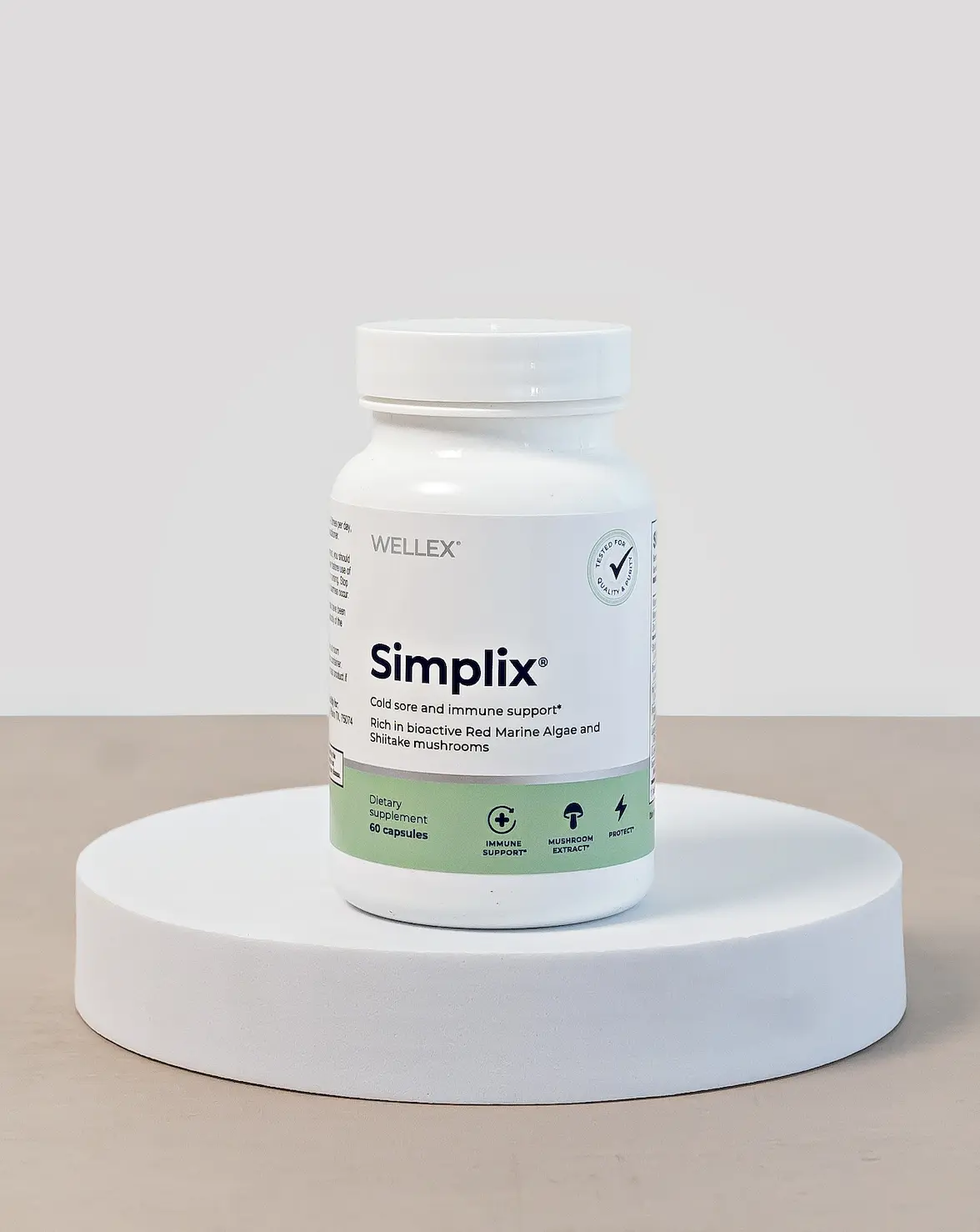
Image: Simplix Viral Defense
Simplix Viral Defense
Why we love it:
- Specifically formulated to reduce cold sore outbreaks
- Contains L-Lysine, Red Marine Algae, and Lemon Balm
- Supports immune system during viral challenges
- Helps manage stress-triggered outbreaks
Recommended Supplements for Herpes Management
Simplix Viral Defense
Cold Sore & HSV Support
Simplix Viral Defense
Cold Sore & HSV Support
Synergistic formula combining L-Lysine, shiitake mushroom, and marine bioactives for comprehensive immune support.
SHOP NOW & SAVE 15%