Cold sores are caused by the herpes simplex virus (HSV), which can remain dormant in the body and reactivate under certain conditions.
Diet plays a role in overall immune health, and sugar consumption is often discussed in relation to its effects on immune function and viral infections.
Excessive sugar intake may impair immune responses, potentially influencing the body's ability to control herpes virus activity.
How Sugar Affects the Immune System
High consumption of sugar and refined carbohydrates can suppress immune function by reducing the effectiveness of white blood cells that fight infections.
This immune suppression may create an environment where HSV can reactivate more easily, leading to cold sore outbreaks.
Studies have shown that elevated blood sugar levels can impair neutrophil function and reduce the ability to combat viral infections effectively.
Sugar and Viral Replication
While sugar itself does not directly cause cold sores, it can contribute to systemic inflammation and oxidative stress, which may exacerbate viral replication and symptom severity.
A diet high in sugar may also disrupt the balance of beneficial gut bacteria, which play a role in immune regulation.
Maintaining stable blood sugar levels through a balanced diet supports immune health and may help reduce the frequency of herpes outbreaks.

Balancing Sugar Intake for Cold Sore Management
Moderating sugar intake is advisable for individuals prone to cold sores. Limiting sugary snacks, beverages, and processed foods can help support immune function and overall health. As a natural alternative, consider replacing refined sugar with honey, which contains antioxidants and antimicrobial properties that may support healing and immune health.
Additional Lifestyle Tips to Support Cold Sore Management
Beyond diet, several lifestyle factors play a crucial role in managing cold sores.
Paying attention to these can help reduce outbreak frequency and severity.
- Manage Stress: Chronic stress weakens the immune system and is a common trigger for cold sores.
Techniques such as meditation, yoga, or deep breathing can help keep stress levels in check.
- Get Adequate Sleep: Quality sleep supports immune function, helping your body control the herpes virus more effectively.
- Protect Your Lips from Sun: UV exposure can provoke outbreaks.
Use a lip balm with SPF to shield your lips from harmful rays.
- Maintain Good Hygiene: Avoid touching sores and wash your hands frequently to prevent spreading the virus.
- Limit Sugary Beverages: Cut down on sodas, fruit juices, and other sweetened drinks as they can cause rapid blood sugar spikes and contribute to immune suppression.
- Consult Healthcare Providers: For frequent or severe outbreaks, antiviral medications may be recommended to reduce symptoms and transmission risk.
- Stay Hydrated and Eat Well: Drinking plenty of water and consuming a balanced diet rich in vitamins and minerals supports overall immune health.
Conclusion
While sugar does not directly cause cold sores, excessive consumption can weaken immune defenses and potentially increase the risk or severity of outbreaks. A balanced diet with limited sugar, combined with healthy lifestyle choices, supports the immune system in managing herpes simplex virus effectively.
Sugar and Cold Sores FAQs
Does eating sugar cause cold sores?
Sugar itself does not cause cold sores, but high sugar intake may weaken the immune system, making outbreaks more likely.
Can reducing sugar help prevent cold sores?
Reducing sugar can support immune health, which may help reduce the frequency and severity of cold sore outbreaks. Replacing refined sugar with natural alternatives like honey may provide additional health benefits.
Is sugar worse than other foods for cold sores?
Sugar can contribute to immune suppression and inflammation, but other factors like stress and sun exposure are also important triggers.
Should I avoid all sugar if I have cold sores?
Moderation is key. Avoid excessive sugar but maintain a balanced diet to support overall health.
What other dietary changes help with cold sores?
Eating lysine-rich foods, staying hydrated, and maintaining a nutrient-rich diet can help manage cold sores.
When should I see a doctor for cold sores?
If outbreaks are frequent, severe, or do not heal properly, consult a healthcare professional for advice and treatment.
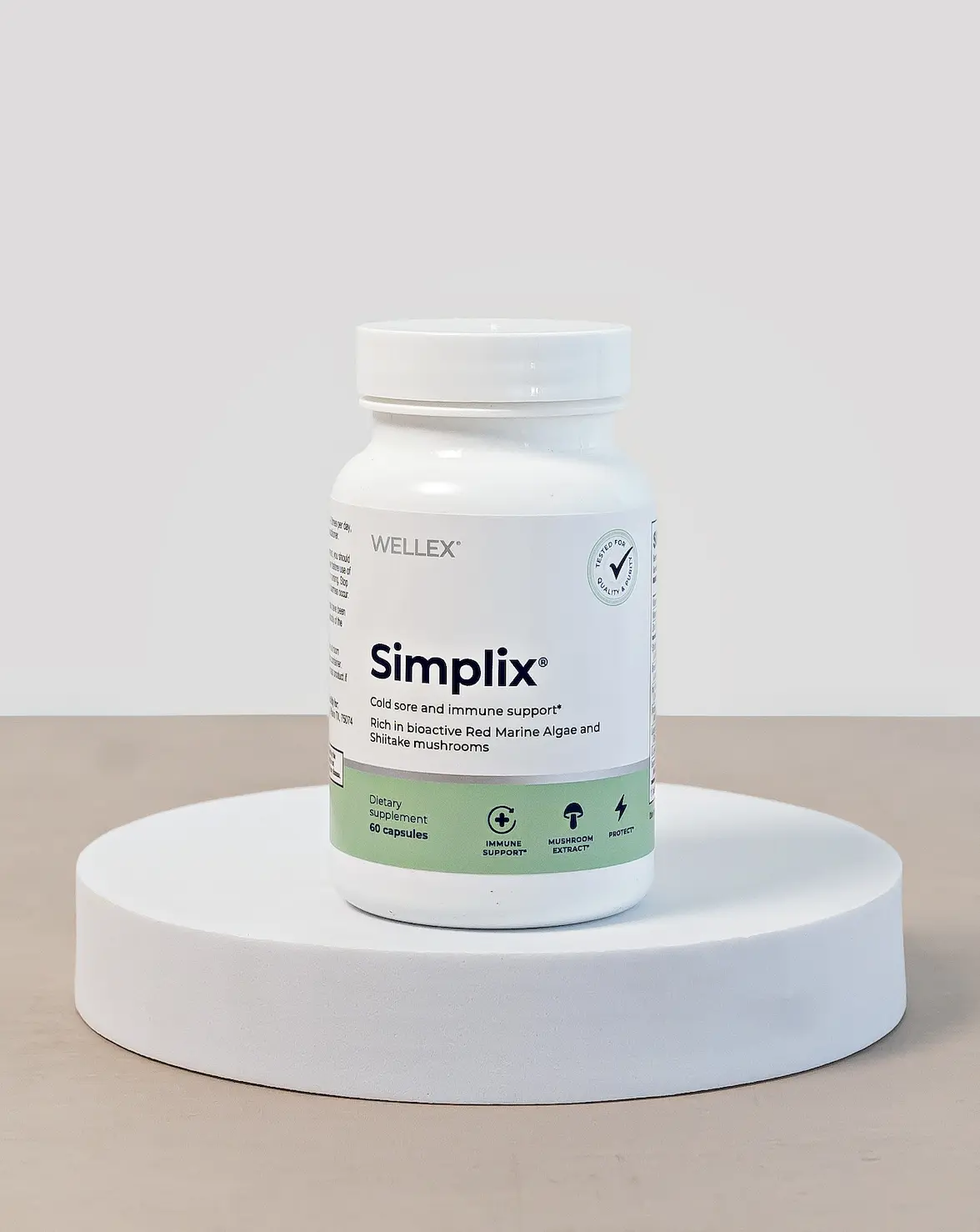
Image: Simplix Viral Defense
Simplix Viral Defense
Why we love it:
- Specifically formulated to reduce cold sore outbreaks
- Contains L-Lysine, Red Marine Algae, and Lemon Balm
- Supports immune system during viral challenges
- Helps manage stress-triggered outbreaks
Recommended Supplements for Herpes Management
Simplix Viral Defense
Cold Sore & HSV Support
Simplix Viral Defense
Cold Sore & HSV Support
Synergistic formula combining L-Lysine, shiitake mushroom, and marine bioactives for comprehensive immune support.
SHOP NOW & SAVE 15%