Imagine the sensation of a fiery pepper dancing on your tongue, igniting your taste buds with a burst of heat. For many, this culinary thrill is a delightful experience. However, for those living with the herpes simplex virus (HSV), particularly HSV type 1, the aftermath of indulging in spicy foods may not be as enjoyable.
Cold sores (those pesky blisters that can appear around the lips) are a common concern for individuals with HSV. But do spicy foods really contribute to these outbreaks?
Simplix Viral Defense
Cold Sore & HSV Support
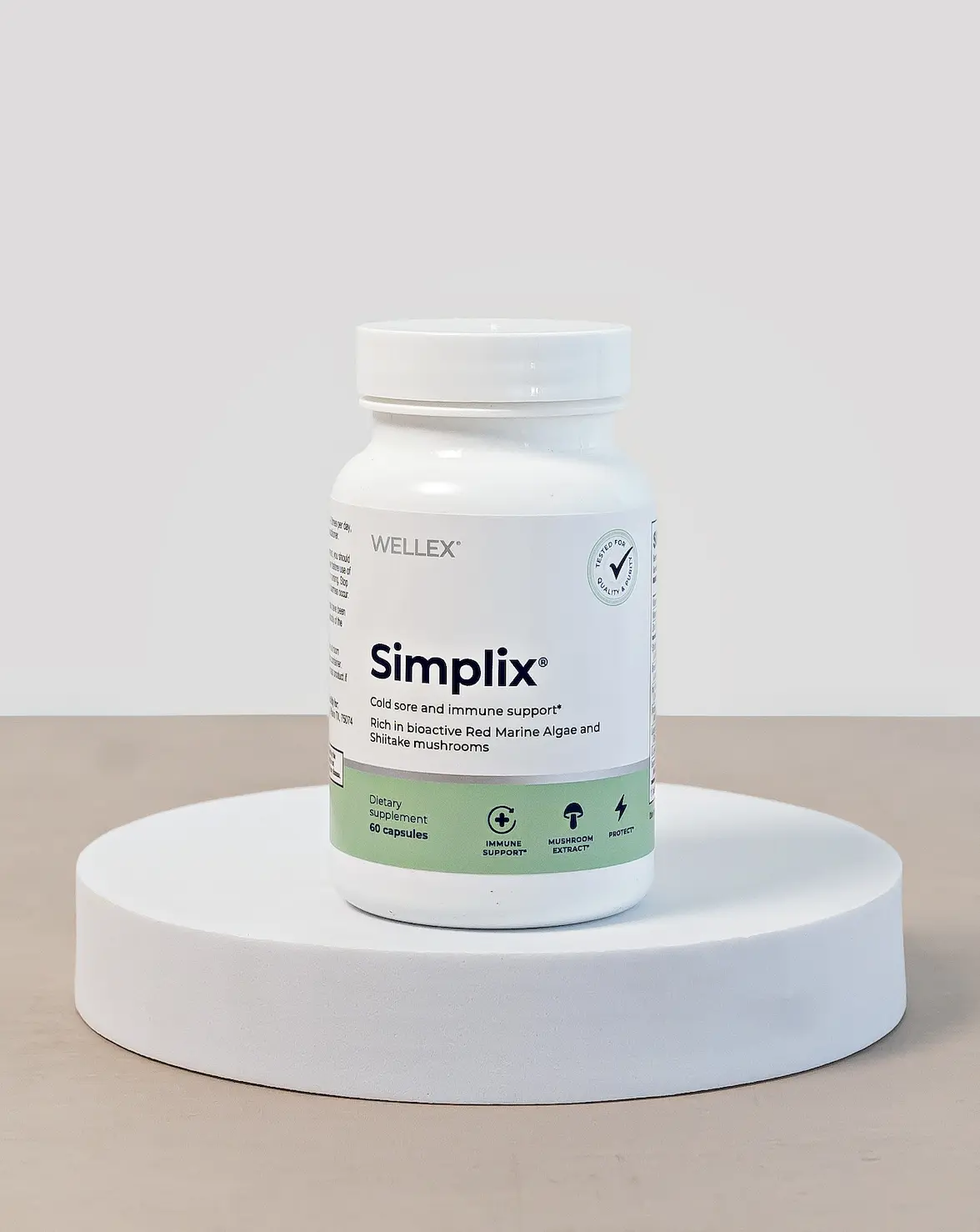
Simplix Viral Defense
Cold Sore & HSV Support
Synergistic formula combining L-Lysine, shiitake mushroom, and marine bioactives for comprehensive immune support.
SHOP NOW & SAVE 15%Understanding Cold Sores
Cold sores are small fluid-filled blisters that can bring discomfort and self-consciousness. They are caused by the herpes simplex virus, which remains dormant in the body until triggered by various factors such as stress, illness, or dietary choices. While these outbreaks can be frustrating, understanding their triggers is key to managing them effectively.
The Role of Diet in Cold Sore Management
Your diet can significantly influence the frequency and severity of cold sore outbreaks. While spicy foods are often blamed for triggering these painful lesions, the picture is more mixed. Spicy dishes do not directly cause cold sores; however, they may irritate existing sores and complicate recovery.
For those prone to outbreaks, it’s wise to be mindful of what you eat during flare-ups. For a full picture of dietary triggers, see our comprehensive list of foods that may cause cold sores.
Why Spicy Foods May Irritate Cold Sores
The heat from spicy foods can lead to discomfort when it comes into contact with sensitive skin around cold sores. This irritation can result in increased pain or a burning sensation that makes healing more difficult. Additionally, consuming spicy foods might contribute to dehydration and dryness: two factors that can exacerbate cold sore symptoms.
Foods to Avoid During Outbreaks
Alongside spicy foods, consider steering clear of:
- Acidic foods (e.g., citrus fruits, tomatoes)
- Salty snacks
- Hot beverages
Avoiding these items can help minimize irritation and promote faster healing of cold sores.
The Importance of L-lysine and L-arginine Balance
Amino acids play a key role in managing herpes simplex virus activity. L-arginine may promote viral replication, while L-lysine is thought to inhibit it. Incorporating lysine-rich foods like dairy products and fish into your diet may help reduce outbreak frequency. Conversely, moderating intake of arginine-rich foods such as nuts and chocolate could also be beneficial.
Many people managing HSV find that L-lysine supplements can help keep the lysine-arginine balance in check, especially during periods of high stress or illness. For broader guidance on eating with herpes, the herpes and diet guide covers the full picture.

Avoid spicy food while a cold sore is open
While spicy foods don’t directly trigger cold sores, they can irritate existing lesions and hinder recovery.
Those with HSV should monitor their diets closely during outbreaks and avoid irritating foods like spicy dishes.
A balanced diet rich in lysine while low in arginine may support overall health and reduce outbreak frequency.
Always consult with a healthcare provider for personalized dietary advice related to herpes management.
Spicy Foods and Cold Sores: FAQs
Can eating spicy food cause a cold sore outbreak?
No, spicy food does not cause cold sore outbreaks. Cold sores are triggered by the reactivation of the herpes simplex virus (HSV-1), which is influenced by factors like stress, illness, sun exposure, and immune system dips, not by spice itself. However, eating spicy food during an active outbreak can irritate the sore and make it more painful.
Is it safe to eat spicy food when I have a cold sore?
It’s best to avoid very spicy or acidic foods while you have an active cold sore. The heat and acidity can physically irritate the blister, increase discomfort, and may slow the healing process. Once the sore has healed, there is no reason to restrict spicy food.
What foods should I avoid during a cold sore outbreak?
During an outbreak, try to avoid spicy foods, acidic foods (citrus, tomatoes, vinegar), salty snacks, and hot beverages. These can all irritate a healing sore. You should also moderate arginine-rich foods like nuts, chocolate, and seeds, as arginine may support HSV replication. See our full list of foods that may trigger cold sores for more detail.
Does capsaicin in spicy food affect the herpes virus?
There is no reliable evidence that capsaicin, the active compound in chilli peppers, either triggers or suppresses HSV activity. The main concern with spicy food and cold sores is topical irritation to the skin around the sore, not a direct effect on the virus itself.

Image: Bravado Labs L-Lysine Cold Sore Treatment
Bravado Labs L-Lysine Cold Sore Treatment
Why we love it:
- Verified Customer Favorite
- High Quality Ingredients
As an affiliate, we earn from qualifying purchases.