Rozites Caperata, also known as Cortinarius Caperatus or the Gypsy Mushroom, is a species of mushroom that has been the subject of scientific interest due to a compound it contains known as RC-183. This compound has been found to have potential antiviral properties, which could be beneficial for individuals suffering from the herpes virus.
The herpes virus, which causes cold sores and genital herpes, is a common and persistent virus. While there is currently no cure for herpes, management of symptoms and prevention of outbreaks is possible through various methods, including potentially the use of supplements such as RC-183.
What are Gypsy Mushrooms?
Cortinarius Caperatus is a species of mushroom that is found in northern regions of Europe and North America. The mushroom was initially classified as Rozites Caperata before genetic studies revealed that it belonged to the genus Cortinarius.
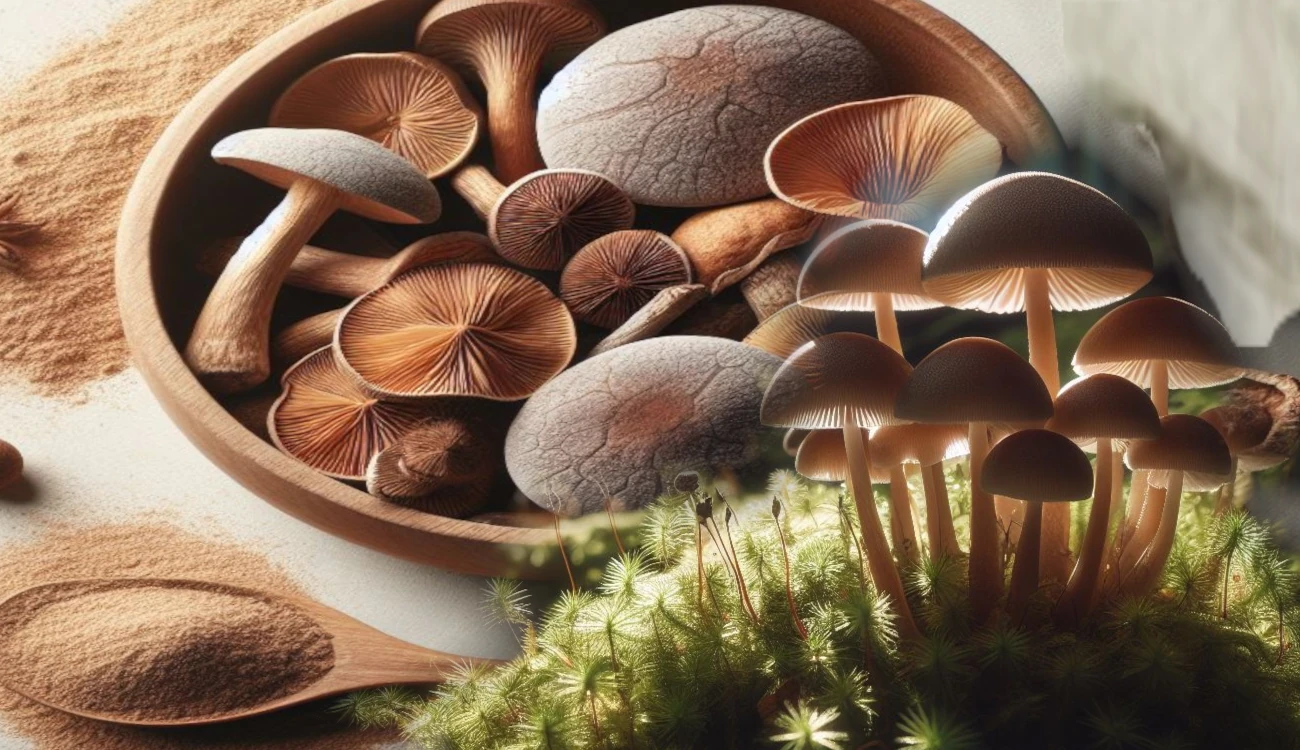
The fruit bodies of this mushroom appear in autumn in coniferous and beech woods as well as heathlands in late summer and autumn. The ochre-colored cap is up to 10 cm (4 in) across and has a fibrous surface. The clay-colored gills are attached to the stipe under the cap, and the stipe is whitish with a whitish ring. The flesh of the mushroom has a mild smell and flavor.
Antiviral Properties of Rozites Caperata and RC-183
Research from the University of Wisconsin-Madison Medical School has shown that Rozites Caperata may have antiviral properties, including against the herpes simplex virus types 1 and 2.
In vitro tests showed that the mushroom extract prevented these viruses from growing and it reduced the severity of herpes-related eye disease in mice. The mushroom also showed potential protective effects against influenza A, chicken pox, and a respiratory virus.
Specifically, RC-183 is a compound isolated from the Rozites Caperata mushroom that has been found to have potential antiviral properties, which could be beneficial for individuals suffering from the herpes virus. However, it's important to note that these treatments have not been approved for treating any diseases by the FDA.
Availability and Considerations of RC-183 Supplements
While the potential benefits of RC-183 are promising, it is not readily available as a supplement, and gypsy mushroom extracts can be very difficult to find.
Fortunately, there are other types of mushrooms that have shown antiviral activity and could potentially be used as natural alternatives to treat herpes.
Reishi Mushrooms
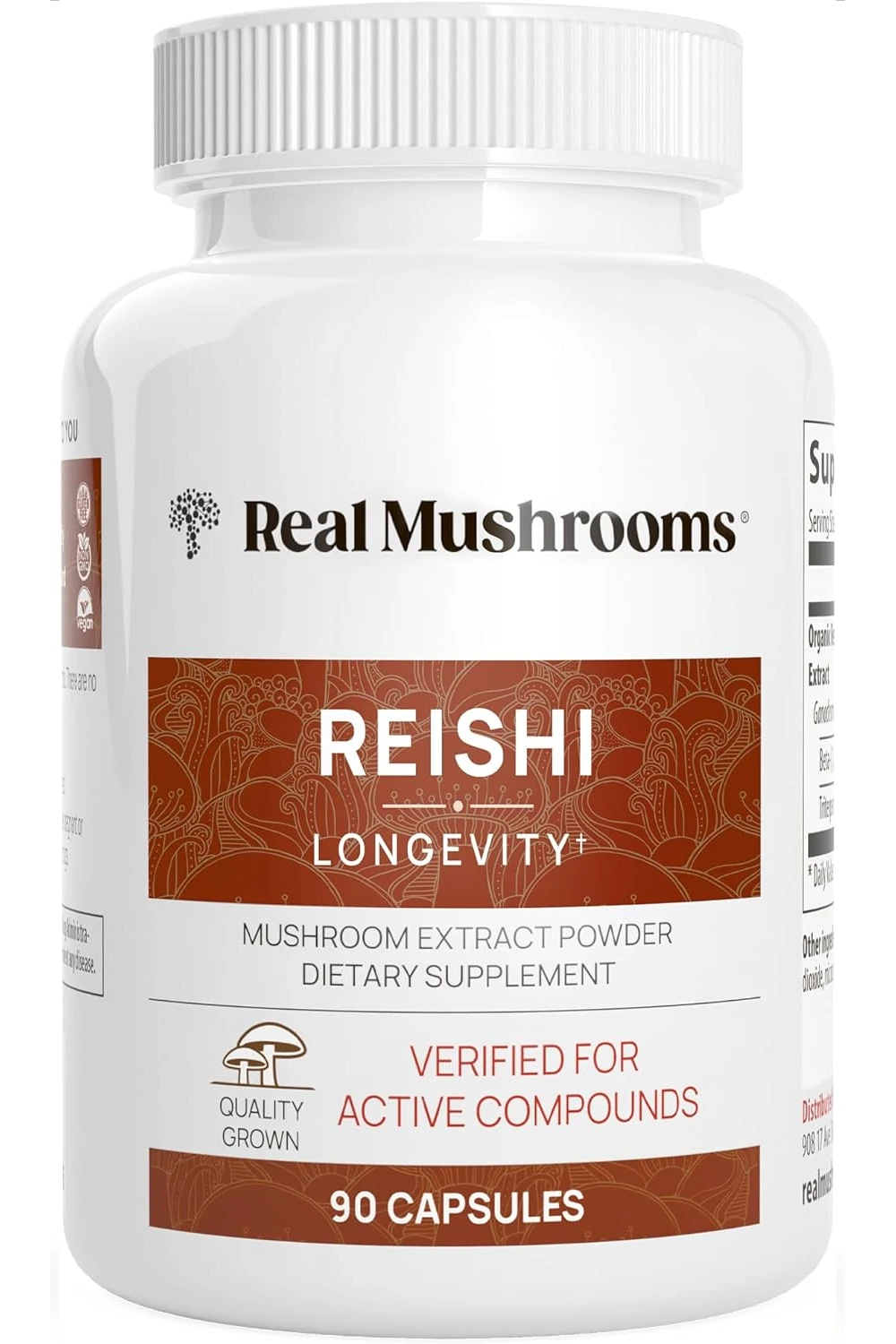
Reishi mushrooms have been used for centuries for their health benefits. These medicinal mushrooms have a wide range of biological effects, such as immunomodulation, anti-tumor, anti-oxidant, anti-diabetic, and neuroprotective.Reishi mushrooms also have antiviral activity against HSV-1 and HSV-2, as well as other viruses such as hepatitis B and C, human immunodeficiency virus (HIV), and human papillomavirus (HPV).
Chaga Mushrooms
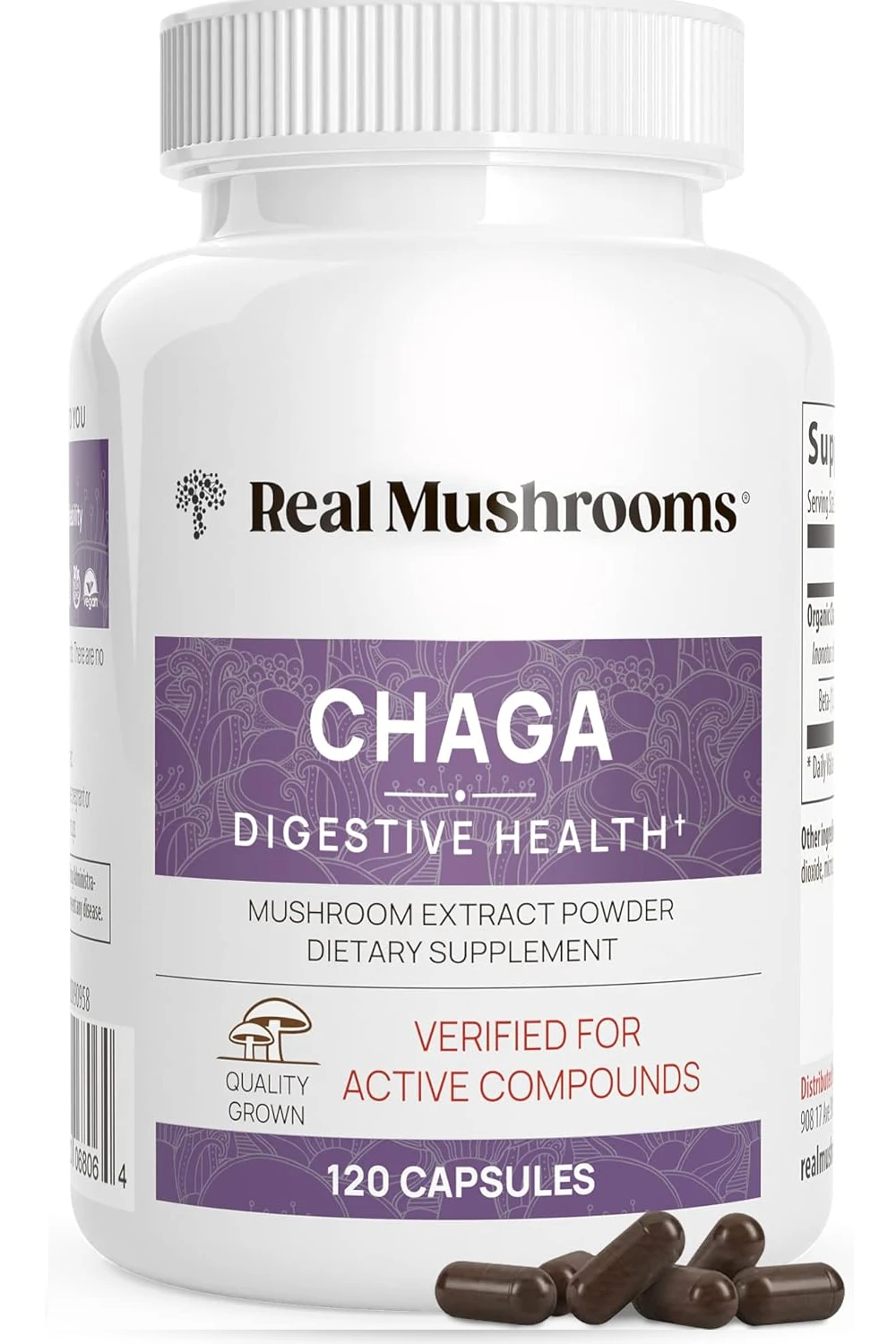
Chaga mushrooms (Inonotus obliquus) are a type of fungus that grows on birch trees in cold regions. They have a dark, woody appearance and are rich in antioxidants, vitamins, minerals, and phytochemicals.Chaga mushrooms have been shown to have anti-inflammatory, anti-cancer, and anti-diabetic effects, as well as antiviral activity against HSV-1 and HSV-2.
Turkey Tail Mushrooms
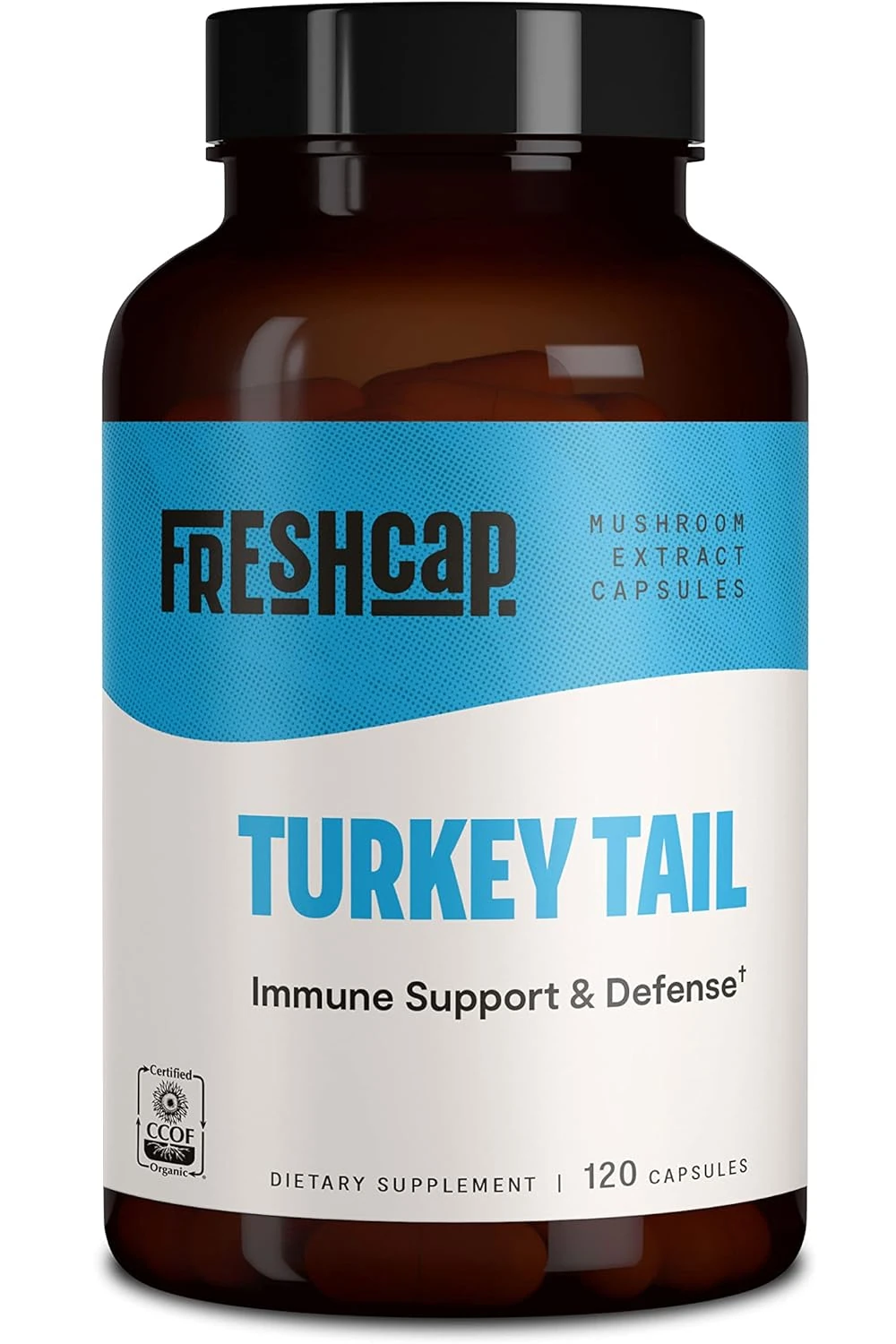
Turkey tail mushrooms, also known as Coriolus versicolor, are a type of medicinal mushroom that has been used in traditional medicine for centuries.Theses mushrooms are known for their immune-boosting properties and are high in protein-bound beta-glucan polysaccharides, which can help combat both viral and bacterial infections.
Dietary Considerations for Managing Herpes
While the potential benefits of Gypsy Mushrooms and other medicinal mushrooms are promising, it's important to note that dietary changes can also play a significant role in managing herpes symptoms.
Lysine is an essential amino acid that our bodies can't produce, so we must get it from our diet.
Foods high in lysine include fish, chicken, beef, lamb, milk, cheese, beans, brewer's yeast, mung bean sprouts, and most fruits and vegetables.
Lysine supplements have been found to reduce the frequency of herpes outbreaks and decrease the duration of an outbreak when it does occur.
On the other hand, arginine is an amino acid that may promote the replication of the herpes virus, making outbreaks more likely.
Foods high in arginine include nuts and seeds, chocolate, whole grains, and gelatin.
By consuming a diet that's high in lysine and low in arginine, you may be able to reduce the frequency and severity of your herpes symptoms.
This dietary approach can complement the potential antiviral benefits of mushrooms like Gypsy Mushrooms.
However, as with any supplement, it's important to consult with a healthcare provider before starting any new treatment regimen.
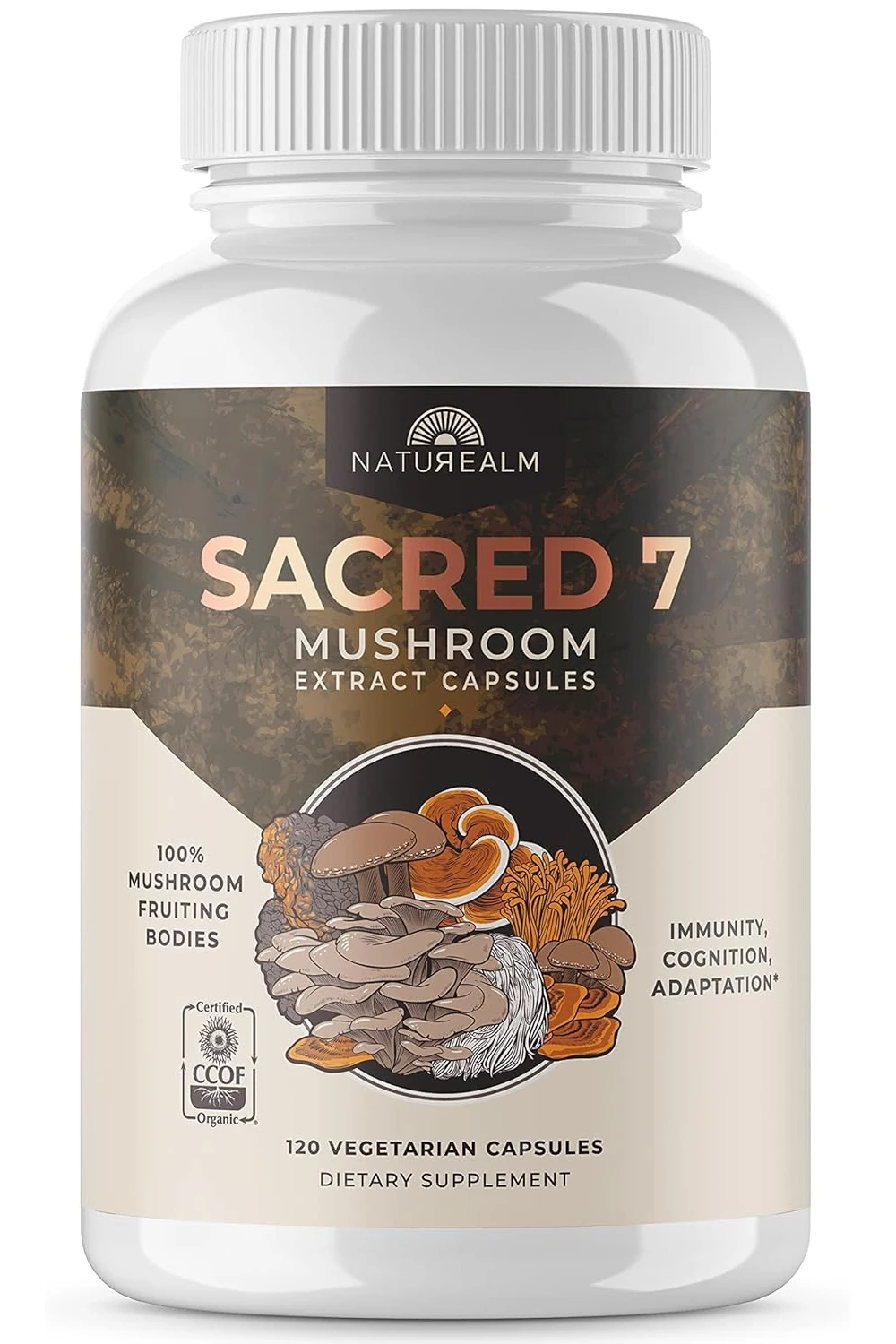
To sum things up, the combination of a balanced diet, potential antiviral mushroom supplements, and lysine supplements may offer a comprehensive approach to managing herpes symptoms.
While further research is needed to fully understand the potential of Rozites Caperata / Cortinarius Caperatus and its compound RC-183, these findings offer hope for individuals suffering from herpes.
As always, it's important to remember that while these natural remedies can help manage symptoms, they are not a cure for herpes.
Regular check-ups and consultations with healthcare providers are crucial for managing the condition effectively.
Gypsy Mushrooms and RC-183 FAQs
What are Gypsy Mushrooms (Rozites Caperata / Cortinarius Caperatus)?
Cortinarius Caperatus, also known as Rozites Caperata or the Gypsy Mushroom, is a species of mushroom found in northern regions of Europe and North America. The mushroom was initially classified as Rozites Caperata before genetic studies revealed that it belonged to the genus Cortinarius, hence the multiple scientific names.
What is RC-183?
RC-183 is a compound which can be extracted from Gypsy Mushrooms. This compound has been studied for its potential to fight against certain viruses, including the herpes simplex virus types 1 and 2. In simple terms, it has been shown to stop these viruses from growing and spreading. It has also been found to reduce the severity of eye disease caused by herpes in animal studies.
What are the health benefits of gypsy mushroom supplements?
Gypsy mushroom supplements, containing the compound RC-183, may have potential antiviral properties. Research has shown that Rozites Caperata may have antiviral properties, including against the herpes simplex virus types 1 and 2. However, these treatments have not been approved for treating any diseases by the FDA.
Where can I find Rozites Caperata extracts and supplements?
Rozites Caperata extracts and supplements are not readily available on the market. While the potential benefits of RC-183 are promising, it is not readily available as a supplement, and gypsy mushroom extracts can be very difficult to find. Fortunately, there are other types of medicinal mushrooms that have shown antiviral activity and could potentially be used as alternatives.

Image: Bravado Labs Advanced Lysine Immune Boost
Bravado Labs Advanced Lysine Immune Boost
Why we love it:
- Verified Customer Favorite
- High Quality Ingredients
As an affiliate, we earn from qualifying purchases.
Recommended Supplements for Herpes Management
Simplix Viral Defense
Cold Sore & HSV Support
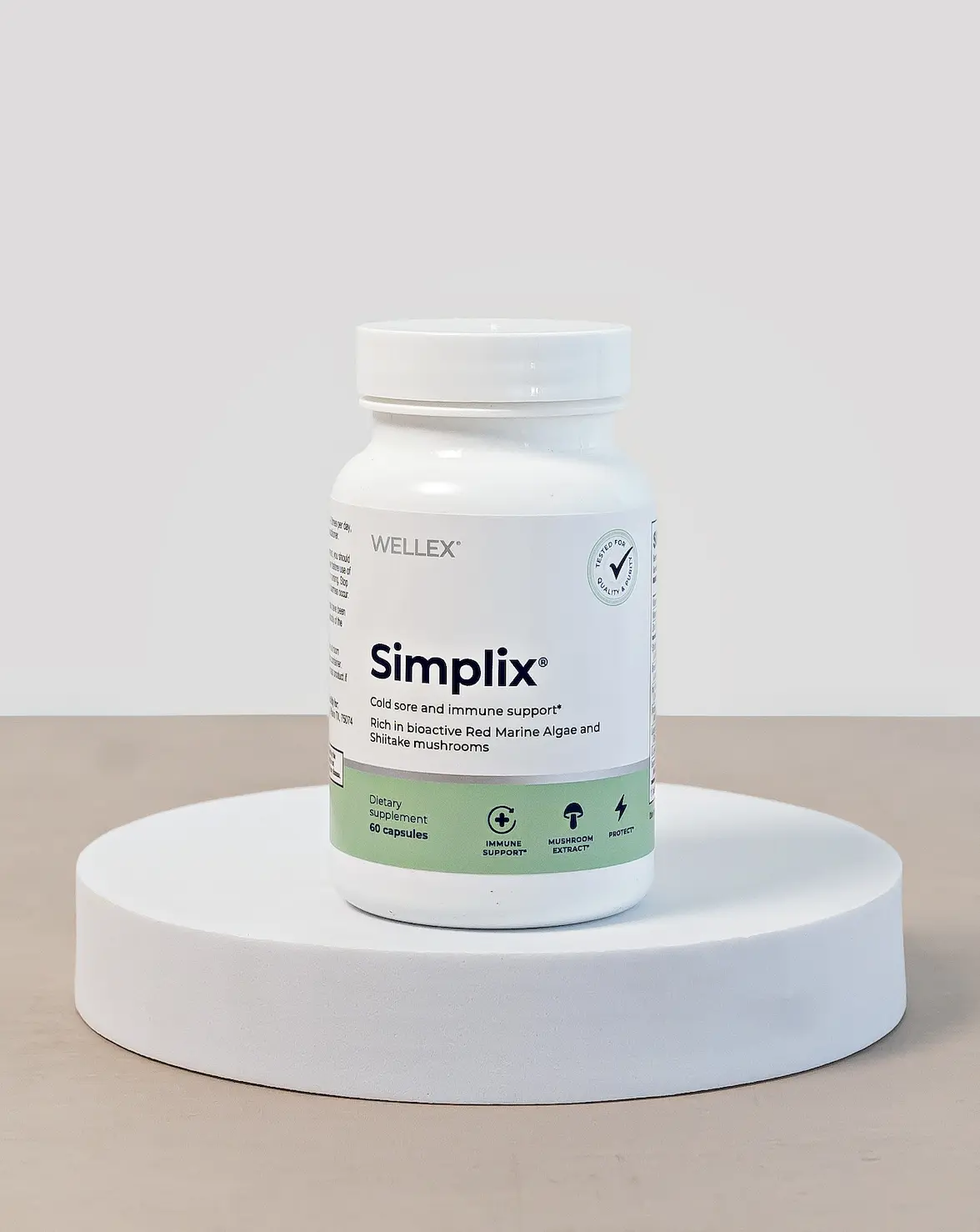
Simplix Viral Defense
Cold Sore & HSV Support
Synergistic formula combining L-Lysine, shiitake mushroom, and marine bioactives for comprehensive immune support.
SHOP NOW & SAVE 15%