Ozempic is one of the most popular medications containing semaglutide, widely used for managing type 2 diabetes and gaining attention for its effectiveness in promoting weight loss.
While it offers significant health benefits, some users have reported experiencing cold sore outbreaks after starting Ozempic injections.
Although there is no proven direct connection between semaglutide and herpes (the virus responsible for cold sore outbreaks), there may be underlying factors contributing to these outbreaks, and strategies that can be used to manage them effectively.
Additionally, ongoing research continues to monitor any emerging data regarding this potential association.
Understanding Cold Sores

Cold sores, also known as fever blisters, are caused by the herpes simplex virus (HSV), primarily HSV-1.
Once contracted, the virus remains dormant in nerve cells and can be reactivated by various triggers, leading to outbreaks.
Common triggers include stress, illness, hormonal changes, sun exposure, and dietary factors.
There is no cure for herpes, but outbreaks can be minimized with a healthy lifestyle, targeted diet, and stress management.
New antiviral treatments and preventive strategies continue to evolve, improving management options.
Ozempic is a glucagon-like peptide-1 (GLP-1) receptor agonist that helps regulate blood sugar by enhancing insulin secretion, reducing glucagon levels, and slowing gastric emptying.
It is primarily prescribed for individuals with type 2 diabetes but has also proven effective in aiding weight loss.
Recent studies also explore its potential cardiovascular benefits and effects on metabolic health beyond glucose control.
Why Ozempic Users Report Cold Sore Flareups
Cold sores are not recognized as a common side effect of Ozempic in clinical trials or official prescribing information.
However, anecdotal reports from users indicate some experience cold sore outbreaks shortly after starting the medication.
These observations likely reflect indirect effects of Ozempic, such as physiological stress from metabolic changes, nausea, or lifestyle adjustments, rather than a direct pharmacological trigger of HSV reactivation.
It is important to consider individual susceptibility and concurrent factors.
Potential Triggers and Explanations
Several factors may explain cold sore outbreaks in individuals taking Ozempic:
1.Physiological Stress: Starting Ozempic can cause side effects like nausea, gastrointestinal discomfort, and metabolic shifts, which may induce physical stress. Stress is a well-known trigger for HSV reactivation, as it can suppress immune surveillance and activate dormant virus in nerve cells.
2.Dietary Modifications: Ozempic often leads to appetite reduction and changes in eating habits. Some users may increase intake of arginine-rich foods (nuts, seeds, chocolate), which can promote HSV replication, or inadvertently reduce intake of immune-supportive nutrients such as vitamins and minerals.
3.Immune System Impact: Although semaglutide has anti-inflammatory properties, rapid metabolic shifts and weight loss may transiently affect immune function, potentially allowing viral reactivation. However, no direct immunosuppressive effect of Ozempic has been documented to date.
4.Oral Health and Dry Mouth: Some GLP-1 receptor agonists, including Ozempic, may cause dry mouth in certain individuals, which can reduce saliva's protective effects and increase susceptibility to infections including HSV flare-ups.
5.Psychological Factors: The lifestyle changes and adjustment period after starting Ozempic can cause anxiety or emotional stress, further contributing to HSV reactivation risk.
Managing Cold Sore Outbreaks While On Ozempic
If cold sores occur after starting Ozempic, the following evidence-based strategies may help reduce frequency and severity:
1.Optimize Diet: Limit foods high in arginine such as nuts, seeds, chocolate, and gelatin-based products, which may trigger HSV outbreaks. Increase intake of lysine-rich foods like dairy, fish, and poultry, as lysine can inhibit viral replication.
2.Consider Lysine Supplements: Some clinical evidence suggests lysine supplements may reduce outbreak frequency and severity. However, always consult a healthcare provider before starting supplements to ensure safety and appropriateness.
3.Manage Stress: Employ stress reduction techniques such as meditation, mindfulness, regular exercise, and adequate sleep to lower the risk of viral reactivation.
4.Support Immune Health: Maintain a balanced diet rich in vitamins C and E, zinc, and other immune-supportive nutrients to strengthen the body's defenses. Staying hydrated and avoiding excessive alcohol or smoking also supports immune function.
5.Maintain Good Oral Hygiene: Address dry mouth symptoms if present by using saliva substitutes, staying hydrated, and practicing good oral care to reduce infection risk.
6.Consult Healthcare Providers: For frequent or severe outbreaks, antiviral medications like valacyclovir or famciclovir can shorten duration and reduce symptoms if started early. These medications are generally safe to use alongside Ozempic, but always follow medical advice.
Conclusion
Current evidence does not support a direct causal link between Ozempic (semaglutide) and cold sore outbreaks.
However, physiological stress, dietary changes, immune system fluctuations, and oral health factors associated with starting Ozempic may indirectly trigger herpes simplex virus reactivation in susceptible individuals.
Monitoring diet, managing stress, maintaining oral hygiene, and seeking medical advice for recurrent outbreaks can help patients continue to benefit from Ozempic while minimizing cold sore flare-ups.
Ongoing research and pharmacovigilance will continue to clarify this relationship.

Ozempic and Cold Sores FAQs
Can Ozempic or semaglutide cause cold sores?
Currently, there is no direct evidence that Ozempic or semaglutide causes cold sores. However, some people notice cold sore flare-ups after starting the medication, likely due to indirect effects like stress, dietary changes, or immune system adjustments.
Why might cold sores appear after starting Ozempic?
Cold sores can be triggered by physical or emotional stress, changes in diet, or side effects like nausea and dry mouth that sometimes occur when beginning Ozempic. These factors can reactivate the herpes simplex virus in susceptible individuals.
How can I reduce cold sore outbreaks while taking Ozempic?
Managing stress, maintaining a balanced diet low in arginine and rich in lysine, staying hydrated, and practicing good oral hygiene can help reduce cold sore outbreaks during Ozempic treatment.
Is it safe to take antiviral medications with Ozempic?
Yes, antiviral medications like valacyclovir and famciclovir are generally safe to use alongside Ozempic. Always follow your doctor’s advice on medication use and interactions.
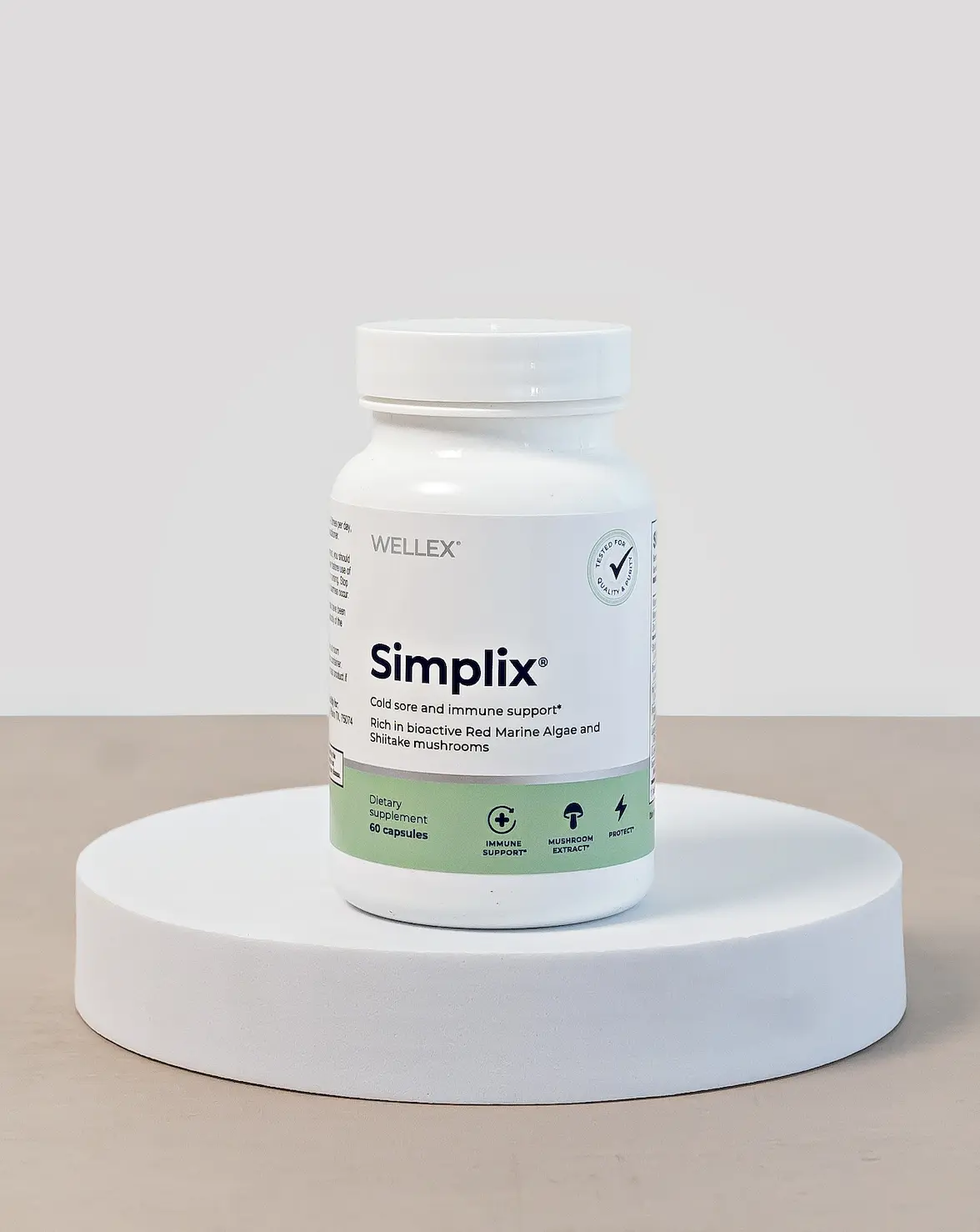
Image: Simplix Viral Defense
Simplix Viral Defense
Why we love it:
- Specifically formulated to reduce cold sore outbreaks
- Contains L-Lysine, Red Marine Algae, and Lemon Balm
- Supports immune system during viral challenges
- Helps manage stress-triggered outbreaks
Recommended Supplements for Herpes Management
Simplix Viral Defense
Cold Sore & HSV Support
Simplix Viral Defense
Cold Sore & HSV Support
Synergistic formula combining L-Lysine, shiitake mushroom, and marine bioactives for comprehensive immune support.
SHOP NOW & SAVE 15%