Cold sores are primarily caused by the herpes simplex virus (HSV-1), and can be both uncomfortable and embarrassing.
Many individuals seek remedies to alleviate symptoms as soon as they feel a cold sore appearing and wish to prevent future outbreaks.
One popular supplement for this is lysine, an essential amino acid that may help manage cold sores and prevent herpes outbreaks.
Lysine can help neutralize the effects of another amino acid, arginine, which the herpes virus relies on in order to propagate.
While arginine by itself is not unhealthy, having a larger amount of lysine than arginine can help prevent herpes flareups and mitigate symptoms during active outbreaks.
What is Lysine?
Lysine is an essential amino acid, meaning the human body cannot produce it on its own and it must be obtained through diet or supplements. It plays a vital role in protein synthesis, tissue repair, and the production of enzymes and hormones essential for overall health. Beyond its general biological importance, lysine is particularly known for its antiviral properties, especially in relation to the herpes simplex virus (HSV-1) responsible for cold sores.
One key way lysine is thought to work against HSV-1 is by inhibiting the amino acid arginine, which the virus requires to replicate and thrive. Foods rich in lysine include dairy products, poultry, beef, fish, and eggs, making these important dietary sources for those looking to naturally increase lysine levels. In contrast, certain foods such as nuts, seeds, chocolate, and some grains are high in arginine and may promote viral activity if consumed excessively during outbreaks. Balancing lysine intake while moderating arginine-rich foods can therefore help reduce the frequency and severity of cold sore flare-ups.
Many people choose to take lysine supplements because their diet may not provide enough lysine to effectively counterbalance arginine, especially if they follow vegetarian or vegan lifestyles or consume high amounts of arginine-rich foods. Supplements offer a convenient and controlled way to increase lysine intake to therapeutic levels, potentially helping to prevent outbreaks or speed recovery during active cold sores. This targeted approach can provide added support beyond dietary adjustments alone.
Recommended Dosage for Cold Sores
The effective dosage of lysine can vary depending on your diet and whether you are looking to prevent outbreaks or treat them once they occur:
- For Prevention: The typical daily dosage ranges from 1,500 mg to 3,000 mg. Some sources suggest that taking up to 4,000 mg in divided doses (e.g., 1,000 mg every six hours) may enhance efficacy.
- During an Outbreak: If you feel a cold sore developing, increasing the dosage to 3,000 mg to 6,000 mg per day is often recommended. Continue this higher dosage until the sore begins to scab over.
| Purpose | Recommended Dosage |
|---|---|
| General Recommendation | 1,000 mg daily (similar to adults) for cold sores |
| Cold Sore Prevention | 1,500 mg to 3,000 mg daily |
| Up to 4,000 mg in divided doses (1,000 mg every 6 hours) | |
| During Outbreak | 3,000 mg to 6,000 mg per day |
| Continue until symptoms improve |

Efficacy of Lysine
Several clinical studies have investigated lysine’s potential to reduce the frequency and severity of cold sore outbreaks. A well-known double-blind, placebo-controlled trial by McCune and Perry (1986) found that patients taking 1,000 mg of lysine three times daily experienced significantly fewer outbreaks and shorter healing times than those receiving placebo (American Journal of Dermatology, 1986).
Additionally, a large observational survey involving over 1,500 participants, reported by Thoelen et al. (1987), showed that many individuals felt lysine supplementation effectively diminished herpes symptoms and decreased the recurrence rate (Journal of Nutrition & Therapeutics, 1987). However, some clinical reviews note that doses below 1,000 mg daily may not provide consistent benefits (Journal of Clinical Virology, 2010).
Overall, lysine shows promise as a supplemental treatment for cold sores, with its efficacy linked to sufficient dosage and combined dietary management. Careful adherence to recommended dosing and lifestyle adjustments yields the best outcomes for many users.
Safety and Side Effects
Lysine is generally well-tolerated at recommended dosages.
However, some individuals may experience mild side effects such as:
- Diarrhea
- Stomach cramps
- Nausea
Some people might also experience less common effects like headaches or fatigue, which tend to be rare.
In rare cases, excessive lysine intake—particularly when taken at high doses over a long period—could lead to more serious issues, including kidney strain or gallstones.
People with pre-existing kidney or liver conditions are especially at risk and should consult a healthcare provider before starting lysine supplements. To minimize risks, it is important to adhere to recommended dosages and seek medical advice if any unusual or severe symptoms occur during supplementation.
Interactions with Other Medications
Lysine does not typically interact negatively with common antiviral medications used for cold sores, such as acyclovir or valacyclovir.
It is still wise to discuss any new supplements with your healthcare provider, especially if you are on other medications or have underlying health conditions, and start with lower doses to check for potential side effects if you are starting a new supplementation regimen for the first time.
Conclusion
Lysine can be a valuable tool in managing cold sores, particularly when taken at appropriate dosages.
For prevention, aim for 1,500 mg to 3,000 mg daily; during outbreaks, increase this to 3,000 mg to 6,000 mg until symptoms improve.
A diet high in dairy products such as yogurt and other types of animal protein can also help increase your lysine naturally without relying on supplement.
Arginine-rich foods such as nuts, chocolate, as well as alcohol, caffeine and acidic foods that may upset your immune system are also best avoided during an outbreak.
Always consult with a healthcare professional before starting any new supplement regimen to ensure safety and effectiveness tailored to your individual health needs.
Frequently Asked Questions About Lysine Dosage for Cold Sores
What is the effective and maximum recommended dose of lysine for cold sores?
The effective dose for preventing cold sores typically ranges from 1,500 mg to 3,000 mg daily. During an active outbreak, increasing the dose to between 3,000 mg and 6,000 mg per day is often recommended.
The maximum dose is usually up to 6,000 mg daily, taken only during outbreaks until symptoms improve or the sore begins to scab over.
Is it safe to take 6,000 mg of lysine daily?
Taking up to 6,000 mg daily is generally safe for most adults when used short-term during outbreaks. However, individuals with kidney problems or other health conditions should be cautious.
Consulting a healthcare provider before using high doses ensures safety and helps tailor the dosage to your specific health needs.
Can you overdose on lysine?
Lysine is typically safe at recommended doses, but excessive, long-term intake may cause toxicity. Kidney damage and gallstones are possible risks of overdose.
To avoid these risks, always follow recommended dosage guidelines and seek medical advice if unsure.
What are the potential side effects of lysine supplementation?
Lysine supplementation is usually well tolerated, though some people may experience diarrhea, stomach cramps, or nausea.
More serious side effects are rare but can occur especially with high doses or pre-existing kidney conditions.
Should I take lysine supplements if I am on antiviral medication?
Lysine does not commonly interact with antiviral medications like acyclovir or valacyclovir, but it is advisable to inform your healthcare provider before starting supplements.
Beginning with lower doses can help monitor for any side effects when combining lysine with other treatments.
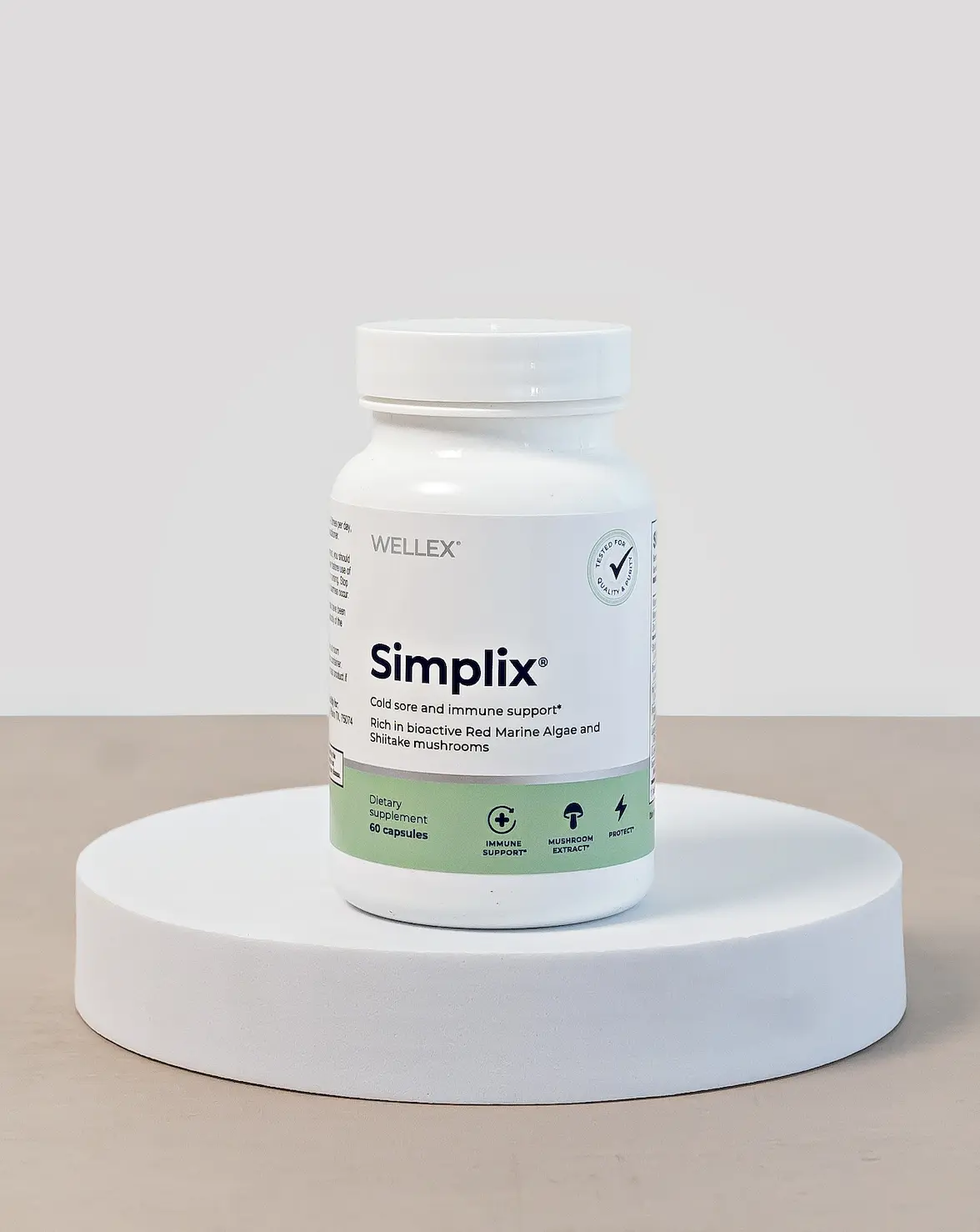
Image: Simplix Viral Defense
Simplix Viral Defense
Why we love it:
- Specifically formulated to reduce cold sore outbreaks
- Contains L-Lysine, Red Marine Algae, and Lemon Balm
- Supports immune system during viral challenges
- Helps manage stress-triggered outbreaks
Recommended Supplements for Herpes Management
Simplix Viral Defense
Cold Sore & HSV Support
Simplix Viral Defense
Cold Sore & HSV Support
Synergistic formula combining L-Lysine, shiitake mushroom, and marine bioactives for comprehensive immune support.
SHOP NOW & SAVE 15%