Magnesium is an essential mineral involved in more than 300 enzymatic reactions in the human body, including many that directly govern immune function, stress response, and nerve health. All of which influence how often herpes simplex virus type 1 (HSV-1) reactivates to cause cold sores. Despite its importance, an estimated 48% of Americans consume less magnesium than recommended, making it one of the most widespread nutritional shortfalls in the modern diet.
Cold sores affect approximately 3.7 billion people globally under age 50. HSV-1 lies dormant in trigeminal nerve ganglia between outbreaks and reactivates in response to stress, sleep deprivation, weakened immunity, fever, or nutritional deficiencies. Each of which is directly or indirectly influenced by magnesium status. This makes magnesium a uniquely relevant mineral for anyone managing recurrent cold sore outbreaks.
This guide examines the scientific evidence behind magnesium and cold sore prevention, explores the specific biological mechanisms involved, and offers practical strategies for optimizing magnesium intake through food and supplementation as part of a comprehensive herpes management plan.
Simplix Viral Defense
Cold Sore & HSV Support
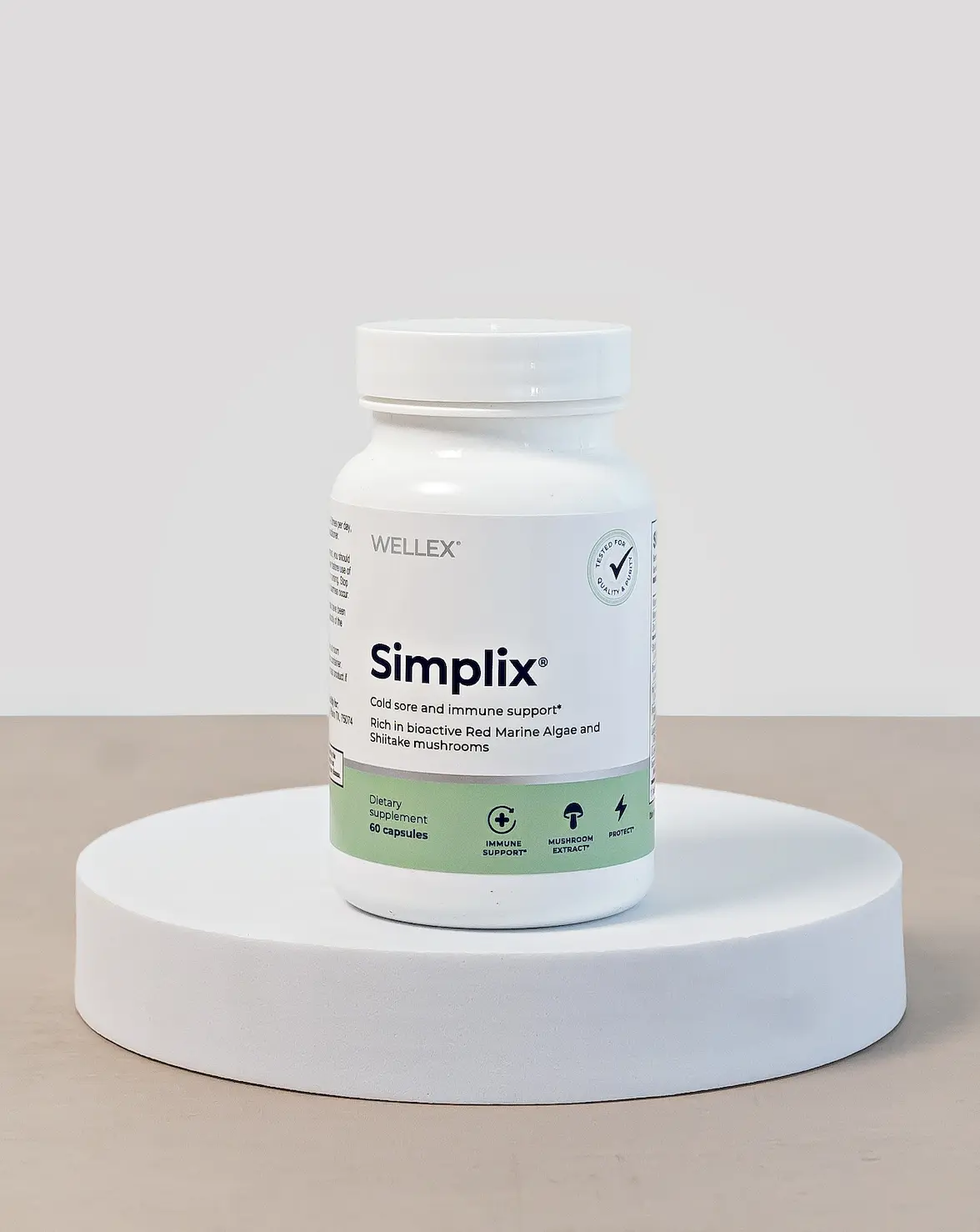
Simplix Viral Defense
Cold Sore & HSV Support
Synergistic formula combining L-Lysine, shiitake mushroom, and marine bioactives for comprehensive immune support.
SHOP NOW & SAVE 15%How Magnesium Suppresses HSV-1 (Three Critical Mechanisms)
Magnesium's role in cold sore management is not directly antiviral like acyclovir, but rather systemic and foundational. It works through three distinct biological pathways:
1. Vitamin D Activation (The Gateway Mechanism)
This is the most critical connection discovered in recent research. Magnesium is absolutely required to activate vitamin D receptors (VDR), meaning that even if you consume adequate vitamin D, without sufficient magnesium it remains functionally inactive. Active vitamin D is essential for immune cell differentiation, NK cell production, and the IL-17 pathway that controls viral reactivation. Magnesium deficiency essentially locks your immune system out of its most antiviral defense system.
2. NK Cell and T-Cell Support
At the cellular level, magnesium is required for the activation and proliferation of natural killer (NK) cells, cytotoxic T-lymphocytes, and T-helper cells. Each critical for identifying and controlling virus-infected cells. One key mechanism involves the NKG2D receptor on NK cells: without sufficient magnesium, NKG2D expression is significantly impaired, reducing NK cell cytotoxicity and leaving the body less capable of containing reactivating HSV-1. A 2022 review published in Nutrients found that magnesium deficiency consistently impaired T-cell function and innate immune responses across multiple human and animal studies. Additionally, magnesium supports type I interferon signaling: the body's primary early-warning antiviral system that alerts surrounding cells to viral activity.
3. Nerve Stabilization (NMDA Blockade)
HSV-1 resides dormant in the trigeminal nerve ganglia. Magnesium works as a natural calcium channel blocker at NMDA receptors, which prevents the pathological nerve excitability that both triggers reactivation and causes the severe pain (neuralgia) associated with outbreaks. This nerve-stabilizing effect is why magnesium can reduce the tingling prodrome: that early warning sensation before a cold sore becomes visible. This mechanism is particularly relevant because the virus itself causes neuroinflammation that perpetuates outbreaks; magnesium helps calm this cycle.
During an active outbreak, magnesium also helps regulate inflammation through the NF-κB signaling pathway: a master controller of pro-inflammatory cytokines including IL-6 and TNF-alpha, which drive the swelling, pain, and tissue damage of lesions. It also works as a cofactor for antioxidant enzymes including superoxide dismutase (SOD), protecting nerve cells from the oxidative stress generated during viral replication.
Stress is the most commonly reported trigger for cold sore outbreaks, and the relationship between magnesium and stress makes this mineral particularly relevant for HSV-1 management. When psychological or physical stress activates the hypothalamic-pituitary-adrenal (HPA) axis, cortisol rises, suppressing immune function and creating an environment favorable to viral reactivation. Critically, elevated cortisol directly depletes intracellular magnesium, while low magnesium independently elevates cortisol. This creates a self-reinforcing cycle: stress depletes magnesium, low magnesium amplifies the stress response, and the resulting immune suppression increases cold sore risk.
Magnesium helps interrupt this cycle through several well-documented mechanisms. It works as a natural calcium antagonist at NMDA receptors in the nervous system, reducing neuronal excitability and dampening the physiological intensity of the stress response. It also supports the synthesis of GABA (gamma-aminobutyric acid), the brain's primary inhibitory neurotransmitter, and promotes serotonin production, which is a precursor to melatonin and plays a central role in emotional stability. Multiple randomized controlled trials have demonstrated that magnesium supplementation reduces anxiety symptoms and perceived stress, particularly in people with deficient baseline magnesium levels.
Sleep deprivation is a second major cold sore trigger closely tied to magnesium status. Research consistently shows that insufficient sleep suppresses NK cell activity and T-cell responsiveness: the same immune components most critical for keeping HSV-1 dormant. Magnesium supports sleep quality through melatonin regulation and nervous system calming effects, with clinical studies documenting improvements in sleep onset latency, total sleep duration, and sleep efficiency in individuals who supplement magnesium. By simultaneously reducing daytime stress reactivity and improving nighttime sleep quality, adequate magnesium addresses two of the most common cold sore triggers through a single nutritional intervention.
The "Arginine Trap": Why Food Source Selection Is Critical
This is perhaps the most important practical section for cold sore sufferers considering dietary magnesium. Here is the problem: HSV-1 requires the amino acid arginine to replicate. Unfortunately, many of the most commonly recommended high-magnesium foods are loaded with arginine, meaning that well-intentioned attempts to boost magnesium through diet can paradoxically trigger outbreaks.
✅ Safe Magnesium Sources (High Magnesium, Low Arginine or Lysine-Rich):
• Spinach and Swiss chard (~150 mg magnesium per cooked cup, and lysine-rich)
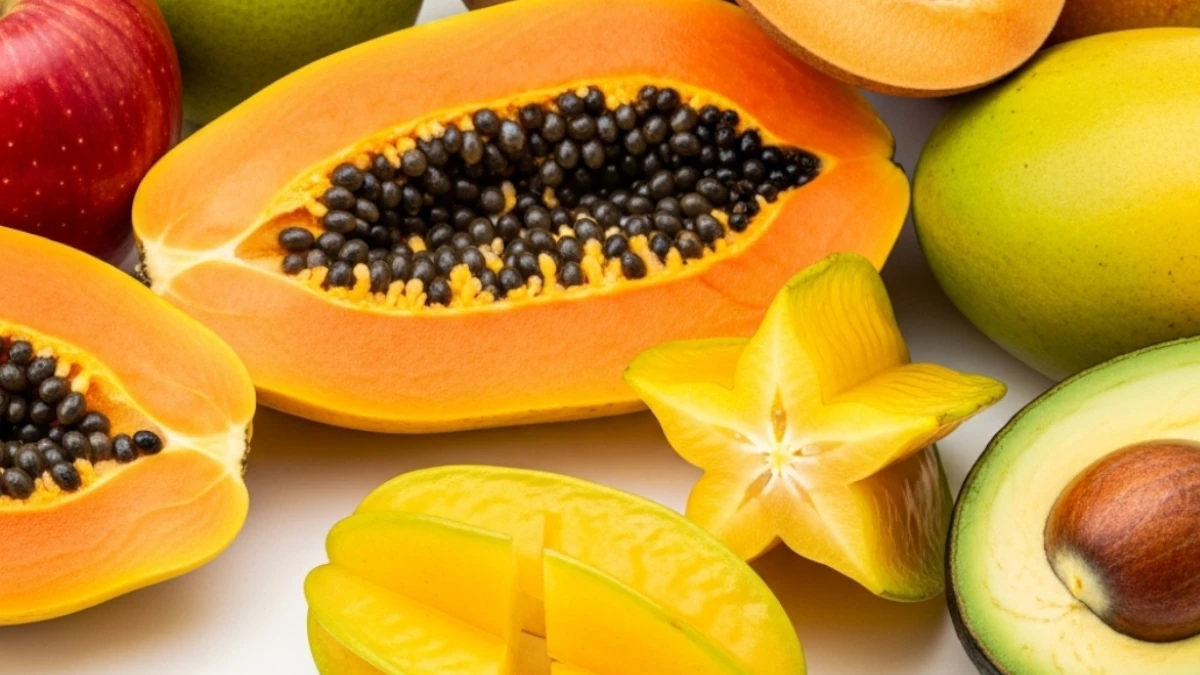
• Avocado (~58 mg per whole fruit, high lysine-to-arginine ratio)
• Salmon and mackerel (~26-30 mg per 3-ounce serving, excellent lysine:arginine balance)
• Yogurt and kefir (~14 mg per cup, exceptionally high in lysine)
• Bananas (~32 mg per banana, good lysine content)
• Cooked beans (black beans, kidney beans: ~50-80 mg per half cup, balanced amino acid profile)
⚠️ High-Risk Sources (High Magnesium + High Arginine), Limit During Outbreak-Prone Periods:
• Almonds, cashews, walnuts (~80-170 mg magnesium but very high arginine)
• Pumpkin seeds (~150 mg magnesium, extremely high arginine)
• Dark chocolate (~64 mg per ounce, high arginine)
• Oats and whole grains (~moderate magnesium, elevated arginine)
• Peanuts and peanut butter (~moderate magnesium, very high arginine)
Pro Strategy: If you do consume high-arginine foods, pair them immediately with a lysine source. For example: almonds + cheese, dark chocolate + yogurt, oatmeal + milk. Alternatively, take an L-lysine supplement (500-1000 mg) at the same meal to neutralize the risk. This allows you to benefit from magnesium without feeding the virus.
Magnesium Supplementation: Forms, Dosing, and Integration Strategy
Since many people cannot consistently source adequate magnesium from foods alone, particularly while managing the arginine trap, supplementation is often necessary. The key is selecting the right form.
Best Forms for Cold Sore Management:
• Magnesium glycinate: The top recommendation. Highly bioavailable, gentle on digestion, and glycine itself has calming properties for stress and sleep support. Ideal for daily use. Typical dose: 200-300 mg evening.
• Magnesium L-threonate: The only form clinically demonstrated to cross the blood-brain barrier significantly. Given that HSV-1 resides in nerve tissue, its neurological penetration makes it valuable for reducing nerve pain (neuralgia) and prodrome symptoms. Works synergistically with the NMDA blockade mechanism. Typical dose: 2-3 grams daily (often divided).
• Magnesium malate: Supports cellular energy production; useful if fatigue accompanies cold sore outbreaks. Typical dose: 300 mg evening.
• Magnesium citrate: Highly bioavailable, widely available, and cost-effective. Slight laxative effect at higher doses; less ideal if you already experience loose stools. Typical dose: 200-300 mg.
• Avoid magnesium oxide: Only ~4% bioavailable and primarily works as a laxative. Ineffective for raising systemic magnesium levels despite being common in budget supplements.
Dosing Strategy: Start with 200–300 mg of magnesium glycinate taken in the evening with food to minimize digestive upset and maximize sleep benefit. Gradually increase toward 350 mg daily as tolerated. The recommended dietary allowance (RDA) is 310–320 mg/day for adult women and 400–420 mg/day for adult men.
The tolerable upper limit for supplemental magnesium is 350 mg/day; above this, GI side effects become more common. Magnesium from food has no upper limit.
Most people notice meaningful improvements in stress resilience and sleep within 3–4 weeks. Effects on cold sore frequency require longer observation (3–6 months minimum) to establish a clear trend, since outbreak frequency fluctuates naturally.
Magnesium + Synergistic Nutrients: Magnesium works best as part of a multi-layered strategy. Combine with: Vitamin D3 (magnesium is required to activate vitamin D receptors); Zinc picolinate (15–30 mg daily for direct antiviral effects); L-lysine (1,000–3,000 mg daily, especially during high-stress periods). L-lysine and magnesium are particularly complementary: lysine directly inhibits viral replication while magnesium strengthens the immune and nervous system conditions that prevent reactivation in the first place.
Assessing Your Magnesium Status: Request an RBC (red blood cell) magnesium test from your healthcare provider rather than a standard serum magnesium test. Serum magnesium appears normal until deficiency is severe because the body pulls magnesium from bone and intracellular stores to maintain blood levels. RBC magnesium directly measures intracellular stores and is far more clinically relevant. Optimal RBC magnesium is generally 5.2–6.5 mg/dL, though reference ranges vary by lab.
Before supplementing, consult your healthcare provider if you have kidney disease, take fluoroquinolone or tetracycline antibiotics, bisphosphonates, loop diuretics, or PPIs (proton pump inhibitors), as magnesium can interact with these. Pregnant women should discuss supplementation with their provider; the RDA increases to 350–360 mg/day during pregnancy, but high supplemental doses should be medically supervised.
Magnesium and Cold Sores: Frequently Asked Questions
Can magnesium help prevent cold sore outbreaks?
Yes, potentially: through several indirect but meaningful mechanisms. Magnesium supports the immune cells responsible for keeping HSV-1 dormant, reduces stress-driven cortisol spikes that trigger reactivation, and improves sleep quality, which is critical for immune surveillance. While it is not an antiviral medication, maintaining adequate magnesium removes several of the most common preconditions for cold sore outbreaks. People with recurrent outbreaks who also show signs of deficiency (fatigue, poor sleep, heightened anxiety, muscle cramps) are likely to see the most benefit from optimizing their intake.
Can magnesium deficiency cause more frequent cold sores?
The mechanistic evidence strongly suggests it can. Magnesium deficiency impairs NK cell cytotoxicity, reduces T-cell responsiveness, elevates cortisol, and disrupts sleep. All factors that independently increase the likelihood of HSV-1 reactivation. While no large randomized trial has directly measured cold sore frequency against magnesium levels, the convergence of immune, stress, and sleep research makes correcting a documented deficiency a well-supported step for anyone managing frequent outbreaks.
What type of magnesium supplement is best for cold sores?
Magnesium glycinate is the top recommendation for most people: highly bioavailable, gentle on digestion, and with glycine's own calming properties making it well-suited for stress and sleep support. For those prioritizing nerve health (relevant given HSV-1's neurological residence), magnesium L-threonate offers the added benefit of crossing the blood-brain barrier. Avoid magnesium oxide, which has only about 4% absorption and is ineffective for raising systemic magnesium levels despite its prevalence in low-cost supplements.
How much magnesium should I take daily?
The RDA is 310–320 mg/day for adult women and 400–420 mg/day for adult men. For supplementation, starting at 200–300 mg daily is appropriate for most people, with gradual increases toward 350 mg as tolerated. The upper limit for supplemental magnesium is 350 mg/day: higher doses are generally safe but commonly cause loose stools or gastrointestinal discomfort. Dietary magnesium from food carries no established upper limit.
How does magnesium compare to lysine for cold sores?
They work through different and complementary mechanisms. L-lysine directly inhibits HSV-1 replication by competing with arginine, the amino acid the virus requires to reproduce. This is the most directly evidenced nutritional intervention for cold sore prevention.
Magnesium works upstream by strengthening the immune environment that controls whether viral reactivation occurs at all. Lysine has a stronger body of direct clinical evidence, but magnesium addresses foundational health factors that extend well beyond herpes management. Many people use both as part of a comprehensive strategy.
Can high-magnesium foods trigger cold sores?
Yes. This is the "arginine trap." Some of the most commonly recommended magnesium-rich foods (almonds, pumpkin seeds, dark chocolate, oats, walnuts, peanuts) are also extremely high in arginine, the amino acid HSV-1 requires to replicate. Eating these foods without adequate lysine to counterbalance can paradoxically trigger outbreaks in susceptible people.
This is why food source selection matters more than quantity. Safer magnesium sources include spinach, avocado, salmon, yogurt, and beans. If you do consume high-arginine foods, pair them immediately with a lysine source (cheese, yogurt, milk) or take 500-1000 mg L-lysine supplement at the same meal.
Is magnesium L-threonate better than glycinate?
Both are excellent, but for different reasons. Magnesium glycinate is the best general-purpose choice: highly bioavailable, gentle on digestion, and glycine itself promotes relaxation and sleep. Magnesium L-threonate is the only form clinically shown to cross the blood-brain barrier in meaningful quantities, making it superior if your priority is nerve health, reducing neuropathic pain, or addressing the neuroinflammation underlying HSV-1 reactivation.
Many people benefit from combining both: glycinate for daily immune support, threonate specifically for nerve health. Start with glycinate and add threonate if you experience significant nerve pain or prodrome symptoms.
Can magnesium interact with antiviral medications like acyclovir?
Magnesium does not significantly interact with acyclovir, valacyclovir, or famciclovir. However, magnesium supplements can reduce the absorption of certain antibiotics (fluoroquinolones, tetracyclines) and bisphosphonates when taken at the same time. Separating magnesium from these medications by at least 2 hours eliminates this concern. Always inform your prescribing provider of all supplements you take when starting new medications.
Is there a test to check if I'm magnesium deficient?
Yes: request an RBC (red blood cell) magnesium test, not a standard serum magnesium test. Serum magnesium appears normal until deficiency is quite severe, because the body pulls magnesium from bone and intracellular stores to maintain blood levels. RBC magnesium measures the mineral inside red blood cells and far more accurately reflects functional magnesium status. Optimal RBC magnesium is generally considered 5.2–6.5 mg/dL, though reference ranges vary slightly by laboratory.
How long does it take to see results from magnesium supplementation?
Improvements in stress tolerance and sleep quality typically appear within 3–4 weeks of consistent supplementation. Effects on cold sore frequency require a longer tracking window, because outbreak frequency varies naturally, a minimum of 3–6 months is needed to identify a meaningful trend. Keeping a simple log of outbreak dates, severity, and notable stress events makes it easier to detect changes against your historical baseline.
Is magnesium safe for pregnant or breastfeeding women?
Magnesium from food is safe during pregnancy and breastfeeding. The RDA increases to 350–360 mg/day during pregnancy. Supplemental magnesium should be discussed with your healthcare provider, as magnesium glycinate is generally well-tolerated and is sometimes medically prescribed during pregnancy for specific conditions. Avoid high supplemental doses without medical supervision during pregnancy or breastfeeding.
What are common signs of magnesium deficiency?
Frequent symptoms include muscle cramps or twitching, persistent fatigue, difficulty sleeping, heightened anxiety or irritability, headaches, brain fog, and irregular heartbeat. Long-standing deficiency can contribute to elevated blood pressure and increased cardiovascular risk. If several of these symptoms accompany recurrent cold sores, testing RBC magnesium levels and discussing supplementation with a healthcare provider is a reasonable next step.

Image: Bravado Labs L-Lysine Cold Sore Treatment
Bravado Labs L-Lysine Cold Sore Treatment
Why we love it:
- Verified Customer Favorite
- High Quality Ingredients
As an affiliate, we earn from qualifying purchases.