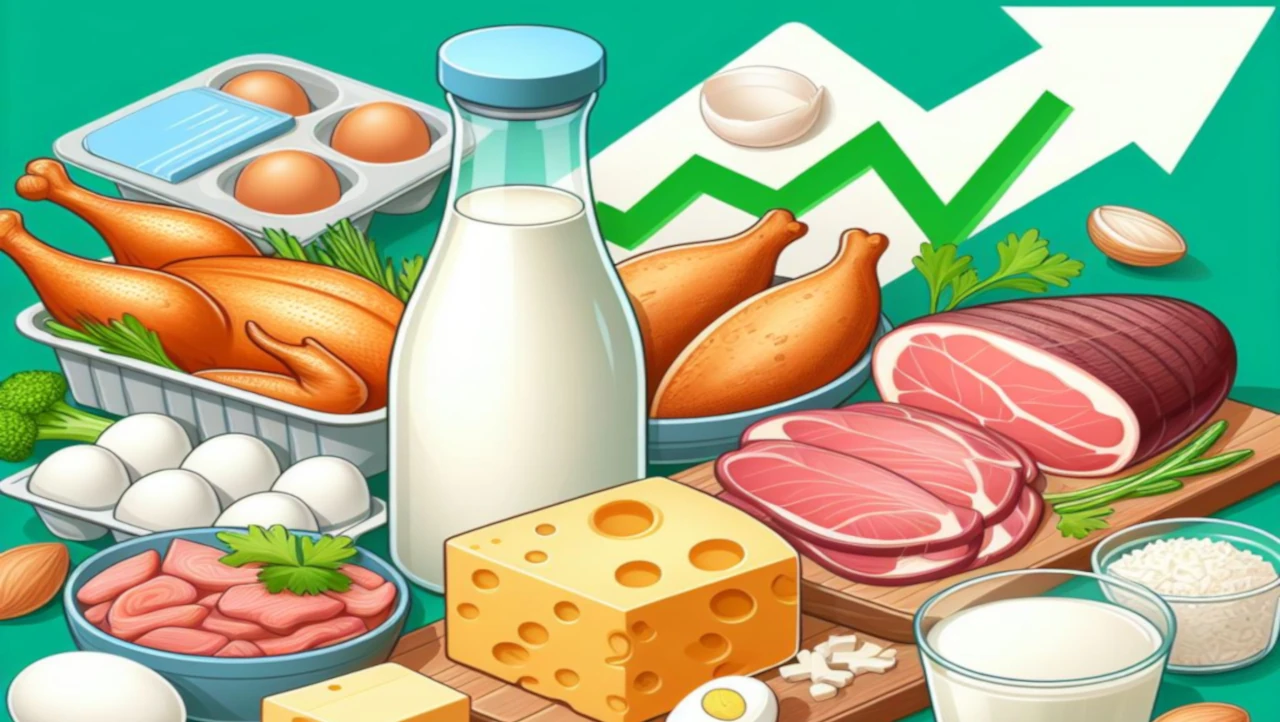
Lysine and arginine are both essential amino acids, meaning they cannot be produced by the body and must be obtained through diet. They each play crucial roles in our health, but also have an interesting antagonistic relationship.
Lysine is important for normal growth and muscle turnover. It is used to form carnitine, a substance found in most cells of your body, which helps transport fats across cells to be burned for energy.
Arginine, on the other hand, is a precursor for the synthesis of nitric oxide, which plays a vital role in the immune system and heart health. It also supports wound healing and kidney function.
The antagonistic relationship between lysine and arginine is important in relation to the herpes simplex virus (HSV). HSV requires arginine to replicate. Interestingly, lysine competes with arginine for absorption and entry into cells.
When lysine is present in sufficient amounts, it can reduce arginine absorption, thereby inhibiting HSV replication.
This is why a diet high in lysine and low in arginine can help manage herpes symptoms.
Some people may need a high lysine diet if they are dealing with conditions like HSV or if they have a lysine deficiency due to their dietary habits.
Lysine is abundant in many foods, especially animal products. Among these, dairy products are particularly rich in lysine and relatively low in arginine. Other animal-based foods like eggs, fish, beef, and poultry also provide significant amounts of this essential amino acid. Below, a list of the best food sources of lysine, and foods with the highest lysine-arginine ratio.
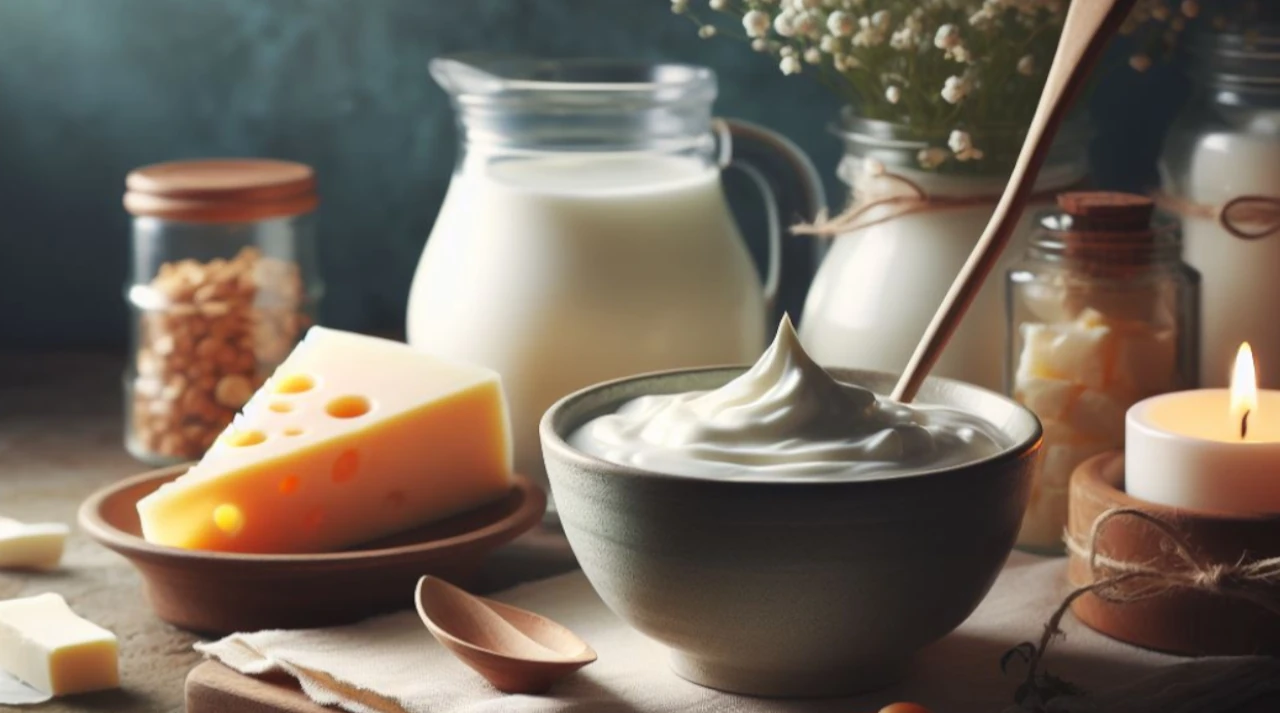
1. Cheese and Dairy
In terms of lysine, the dairy category is dominated by cheeses. Parmesan cheese leads the pack with 3840mg of lysine per 100g, making it an excellent source of this essential amino acid.
Other high-lysine cheeses include Gruyere, Edam, and Gouda, each offering over 2600mg of lysine per 100g.
While cheese is the type of dairy that provides more lysine per weight, those looking to increase their lysine-arginine ratio should consider adding more yogurt into their diet.
Plain Yogurt contains 311.02mg of lysine per 100g and has a higher lysine-arginine ratio of 2.979, which means it contains a lot more lysine than arginine.
It also contains probiotics which promote a healthy immune system and help prevent herpes outbreaks.
As for what kind of milk is best, Goat Milk contains 289.75mg of lysine per 100g and has a lysine-arginine ratio of 2.433, which is slightly higher than cow milk.
2. Eggs
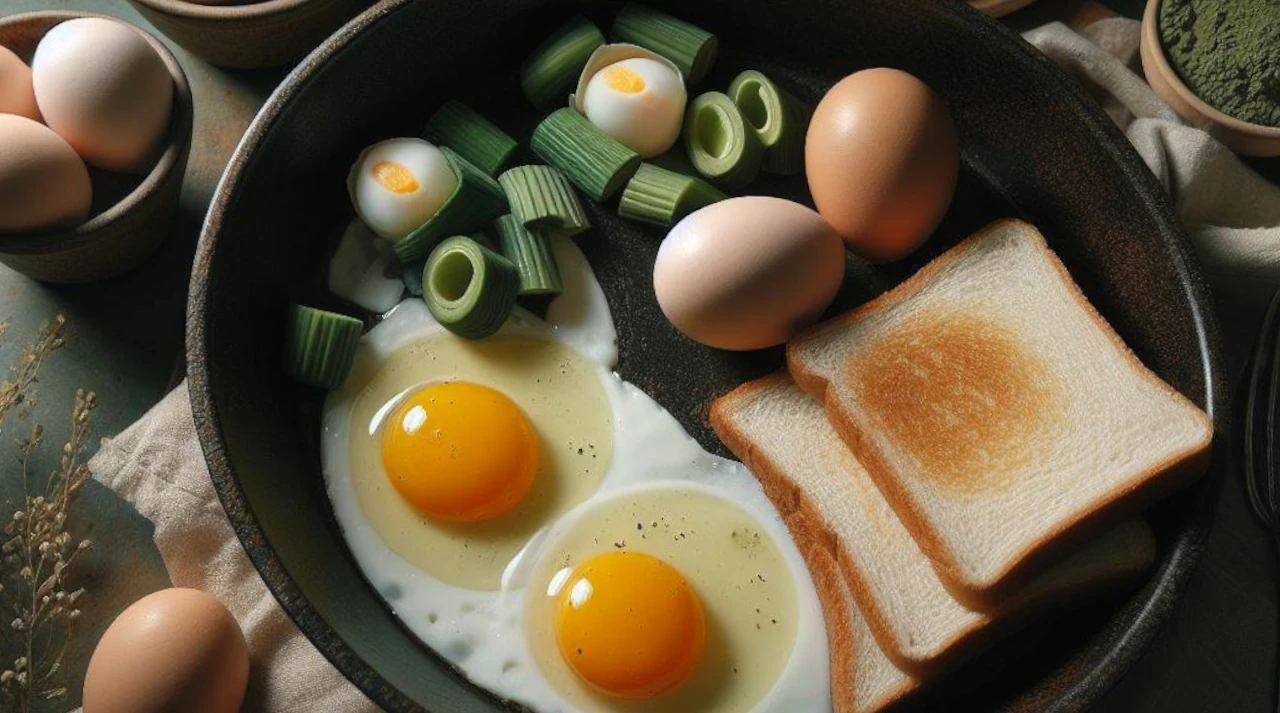
Eggs are an excellent source of lysine, with a dried whole egg containing 3100mg of lysine per 100g.
This makes eggs a valuable addition to any diet aimed at increasing lysine intake.
They are also an affordable and widely available protein source, making them accessible for most people.
Eggs are a versatile food that can be prepared in numerous ways, such as boiled, scrambled, or made into an omelette, providing variety in your diet.
3. Fish
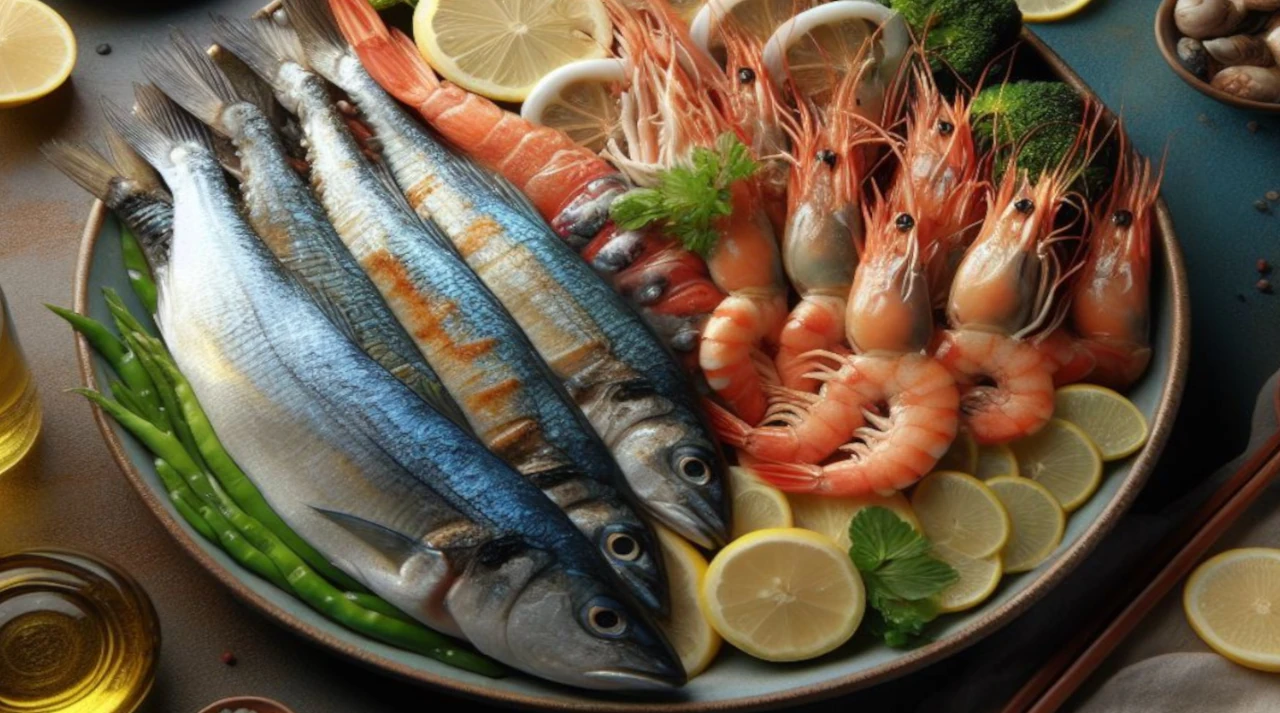
Fish is a great source of lysine, with Tuna containing 2715.15mg of lysine per 100g.
Other fish high in lysine include Halibut, Snapper, and Salmon.
These fish also have a high lysine-arginine ratio, making them a good choice for those with the herpes virus.
Seafood other than fish is also rich in lysine. Shrimp contains 1765mg of lysine per 100g.
Other seafood high in lysine include Crab and Prawn.
Compared to fish, these also contain a significant amount of arginine, which may not be ideal for those with the herpes virus.
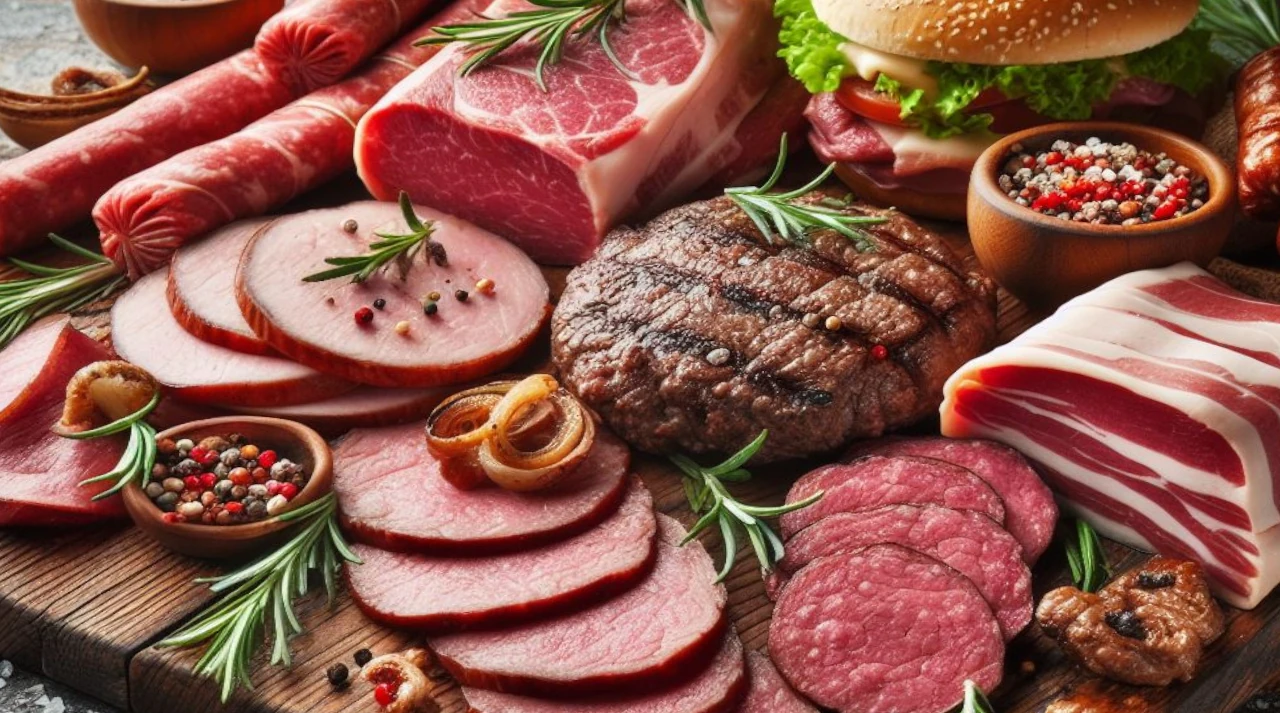
4. Beef
Beef is a rich source of lysine. Dried beef leads with 2404mg of lysine per 100g.
Other beef products such as Smoked Beef, Beef Round Steak, and Beef Flank Steak also contain a significant amount of lysine.
Pork is also a good source of lysine, although not as lean as beef, pork products tend to contain more fat and sodium which makes them less ideal choices.
5. Seaweed
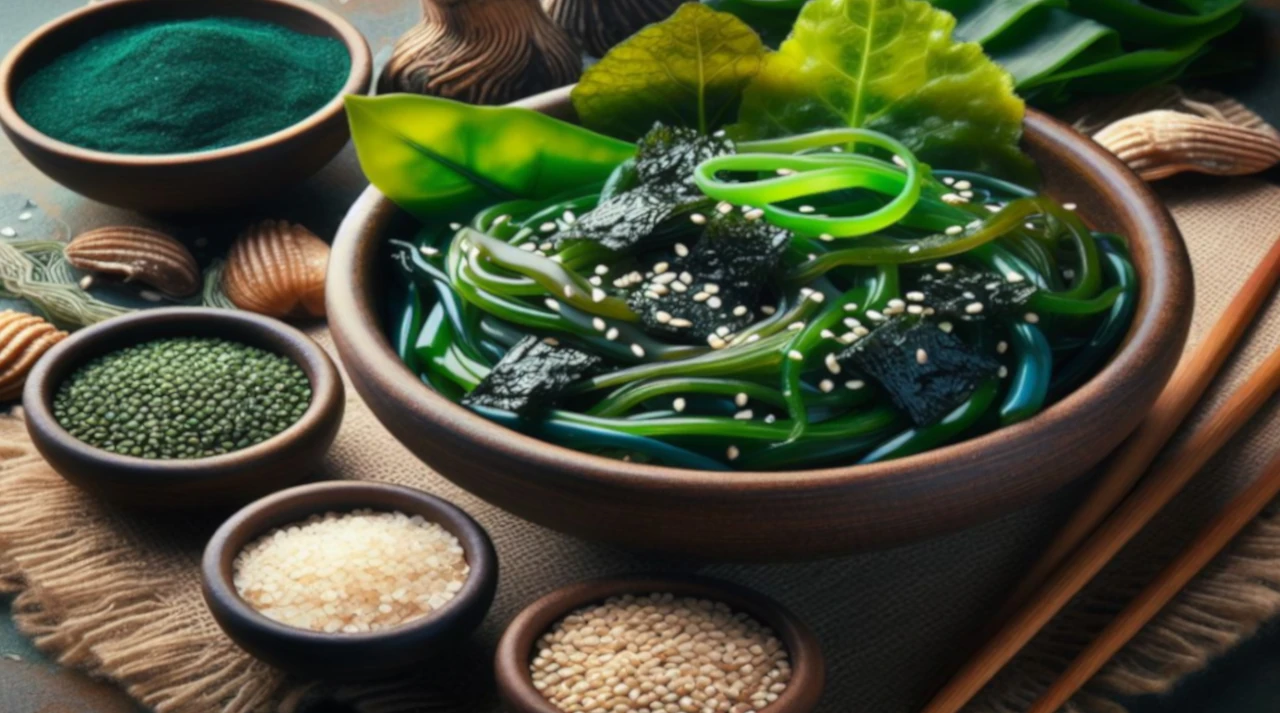
Spirulina is a type of algae that is surprisingly high in lysine, with 3030mg of lysine per 100g.
Algae like spirulina are highly nutritious, containing not only significant amounts of lysine but also a considerable amount of arginine.
While spirulina offers a great lysine content, the presence of arginine means those managing herpes symptoms should consider their overall lysine-to-arginine ratio.
In addition to amino acids, spirulina is packed with protein, vitamins, minerals, and antioxidants, making it a valuable supplement for overall health and immune support.
6. Poultry
Poultry is a good source of lysine, with Wild Pheasant containing 2013.5mg of lysine per 100g. Other poultry products high in lysine include Turkey, Light Meat and Chicken Canned, Boned.
Poultry is a healthy, lean type of meat and has a positive lysine-arginine ratio, which makes it an ideal source of protein to include in your diet.
Its versatility in cooking—from grilling and roasting to stir-frying—makes poultry easy to incorporate into a variety of meals, and one of the healthiest choices of animal protein.
For those looking to increase their lysine intake, lysine supplements may be a viable option.
This is especially important for individuals who suffer from herpes and may have dietary restrictions that prevent them from consuming animal products.
For more information on plant-based foods that are high in lysine and low in arginine, you might be interested in checking out our article on a vegan diet for managing herpes.
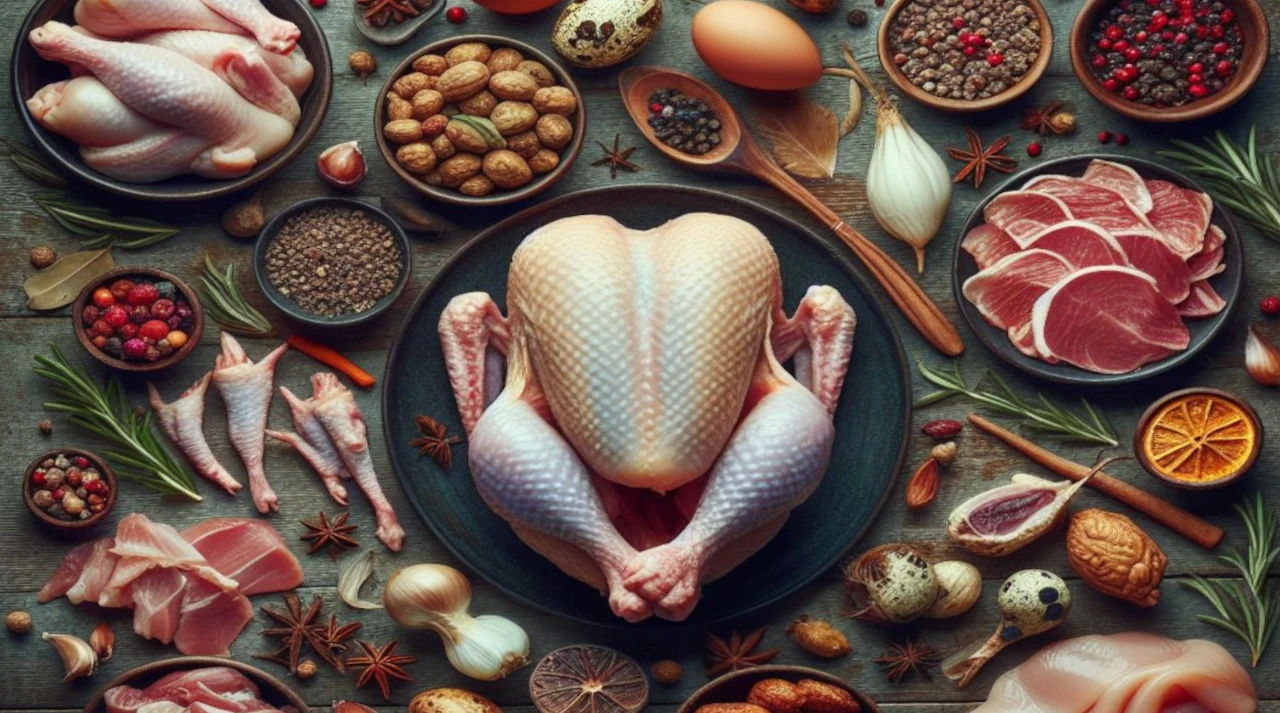

Image: Bravado Labs Advanced Lysine Immune Boost
Bravado Labs Advanced Lysine Immune Boost
Why we love it:
- Verified Customer Favorite
- High Quality Ingredients
As an affiliate, we earn from qualifying purchases.
Recommended Supplements for Herpes Management
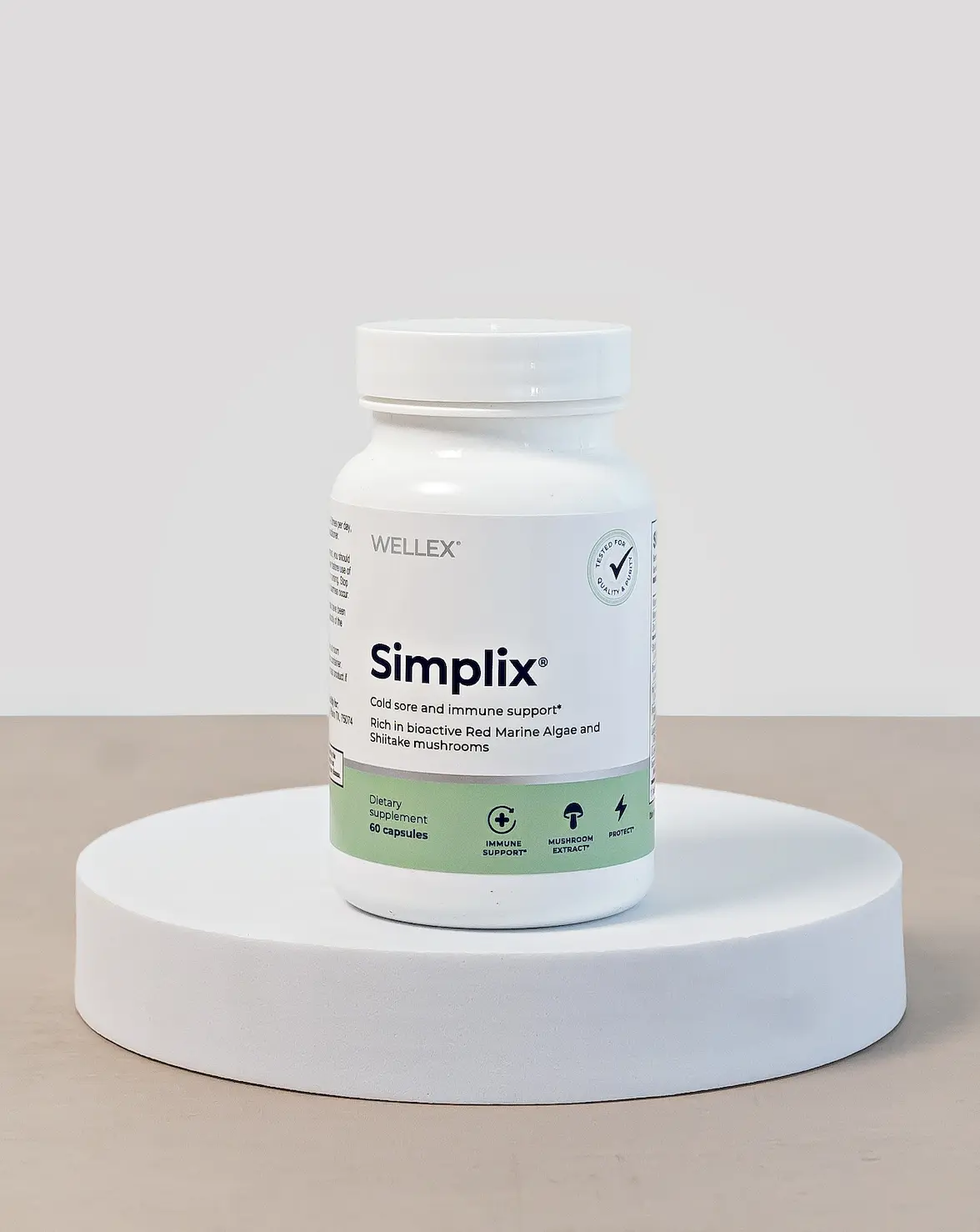
Simplix Viral Defense
Cold Sore & HSV Support
Simplix Viral Defense
Cold Sore & HSV Support
Synergistic formula combining L-Lysine, shiitake mushroom, and marine bioactives for comprehensive immune support.
SHOP NOW & SAVE 15%