Lysine is a key amino acid that our bodies need for many functions.
It is classified as an essential amino acid, meaning that our bodies cannot synthesize it and we must obtain it from our diet.
Lysine plays a vital role in protein synthesis, which is crucial for building and repairing tissues, including muscles and organs.
On top of this, lysine is involved in the production of enzymes and hormones, contributing to various metabolic processes.
Foods rich in lysine include meat, fish, dairy products, legumes, and certain grains.
Understanding the importance of lysine not only highlights its necessity for overall health but also raises questions about its impact on weight management.
While lysine itself does not contain calories, it is primarily found in protein-rich foods that are often higher in calories.
Therefore, the relationship between lysine intake and weight gain is complex and warrants further exploration.
Lysine and Weight Gain
Lysine is needed for good health, but it doesn't directly cause weight gain.
In fact, some studies suggest that adequate lysine intake may support weight management by promoting muscle growth and enhancing metabolic efficiency.
When individuals engage in resistance training or other forms of exercise, lysine can aid in muscle repair and recovery, potentially leading to an increase in lean muscle mass.
This increase in muscle can result in a higher resting metabolic rate, which means the body burns more calories at rest.
However, it’s important to note that any weight gain associated with lysine supplementation is typically related to muscle mass rather than fat accumulation.
Moreover, individuals who consume high-protein diets rich in lysine may find themselves feeling fuller for longer periods, which can help regulate appetite and prevent overeating.
Calories in Lysine
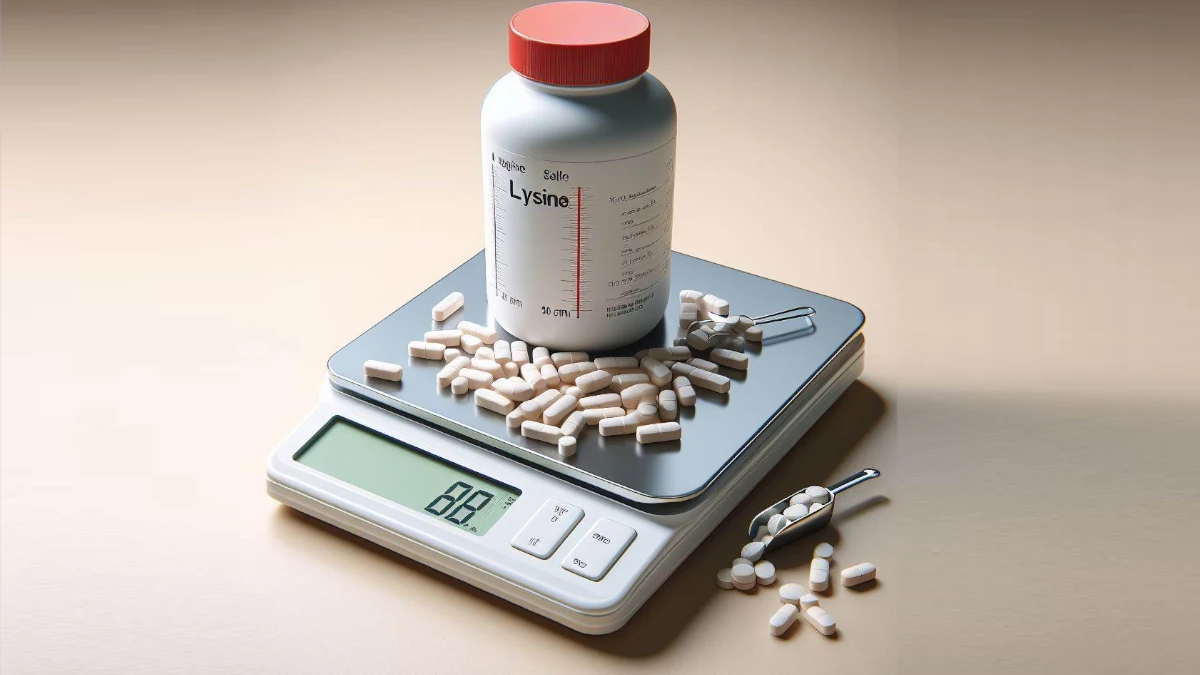
When considering the impact of lysine on weight, it's also good to consider its caloric content. Lysine itself contains very few calories; for example, a serving size of 3 tablets of L-Lysine contains only about 5 calories.
This low caloric content indicates that consuming lysine supplements or foods high in lysine is unlikely to contribute significantly to your daily caloric intake.
To add some context: foods high in lysine are often also high in protein and other nutrients that can contribute to overall calorie consumption.
Thus, while lysine supplementation may not lead directly to weight gain due to its low caloric content, the overall dietary patterns associated with high-lysine foods should be considered when assessing their impact on weight management.
Lysine's Role in Energy Production
Lysine plays a crucial role in energy production.
It helps transport fats across your cells to be burned for energy.
This process could potentially aid in weight management by promoting a healthy metabolism and helping your body efficiently use its energy sources.
Moreover, lysine is involved in the synthesis of carnitine, a compound that helps convert fatty acids into energy.
This means that adequate levels of lysine can support not just muscle growth but also fat metabolism.
By facilitating these processes, lysine may help individuals maintain a healthy weight or even support weight loss efforts when combined with a balanced diet and regular exercise.

Lysine and Appetite Regulation
Lysine may play a significant role in appetite regulation, which is crucial for effective weight management.
Research indicates that adequate protein intake, including essential amino acids like lysine, can enhance feelings of fullness after meals.
This increased satiety can lead to a reduction in overall calorie intake, making it easier for individuals to maintain or lose weight.
Lysine may also influence the release of hormones that regulate hunger and fullness.
For instance, proteins can stimulate the secretion of hormones such as glucagon-like peptide-1 (GLP-1), which promotes a sense of satiety. Popular weight-loss drugs like Ozempic, which are GLP-1 receptor agonists, mimic this hormone's action to reduce appetite and food intake, leading to weight loss.
By stabilizing blood sugar levels and reducing fluctuations that can trigger hunger, lysine-rich foods can help curb cravings and prevent overeating.
This hormonal response is particularly beneficial for those looking to manage their weight effectively.
Lysine's Impact on Energy Levels and Exercise
Another important aspect of lysine related to weight management is its potential to enhance energy levels and improve exercise performance.
L-lysine aids in the metabolism of fatty acids, converting them into energy, which can be particularly beneficial during physical activity.
Increased energy availability allows individuals to engage in longer and more intense workouts, contributing to greater calorie expenditure.
In addition all of this, by supporting muscle growth and recovery, lysine helps maintain lean muscle mass during weight loss efforts.
This is crucial because a higher muscle-to-fat ratio can positively influence metabolism, leading to more efficient calorie burning even at rest.
Therefore, incorporating sufficient lysine into the diet—whether through food sources or supplements—can support both energy levels and exercise efficiency, ultimately aiding in weight management.

Final Thoughts
While lysine is a nutrient that your body needs for various functions, there's no substantial evidence to suggest that it directly causes weight gain.
Any weight gain associated with lysine is likely due to an increase in muscle mass rather than fat.
As always, maintaining a balanced diet and regular exercise is key for overall health and weight management. Lysine's role in appetite regulation and its potential to stimulate hormones like glucagon-like peptide-1 (GLP-1) can be particularly beneficial for those looking to manage their weight.
With the popularity of GLP-1 receptor agonists like Ozempic for weight loss, understanding how natural dietary components like lysine can influence similar pathways offers valuable insights.
Incorporating adequate amounts of lysine through diet or supplementation can enhance feelings of fullness and support energy levels, making it a useful addition to a comprehensive weight management strategy.
As with any dietary change or supplementation plan, it's advisable to consult with a healthcare professional or nutritionist to tailor approaches based on individual health needs.

Image: Bravado Labs Advanced Lysine Immune Boost
Bravado Labs Advanced Lysine Immune Boost
Why we love it:
- Verified Customer Favorite
- High Quality Ingredients
As an affiliate, we earn from qualifying purchases.
Recommended Supplements for Herpes Management
Simplix Viral Defense
Cold Sore & HSV Support
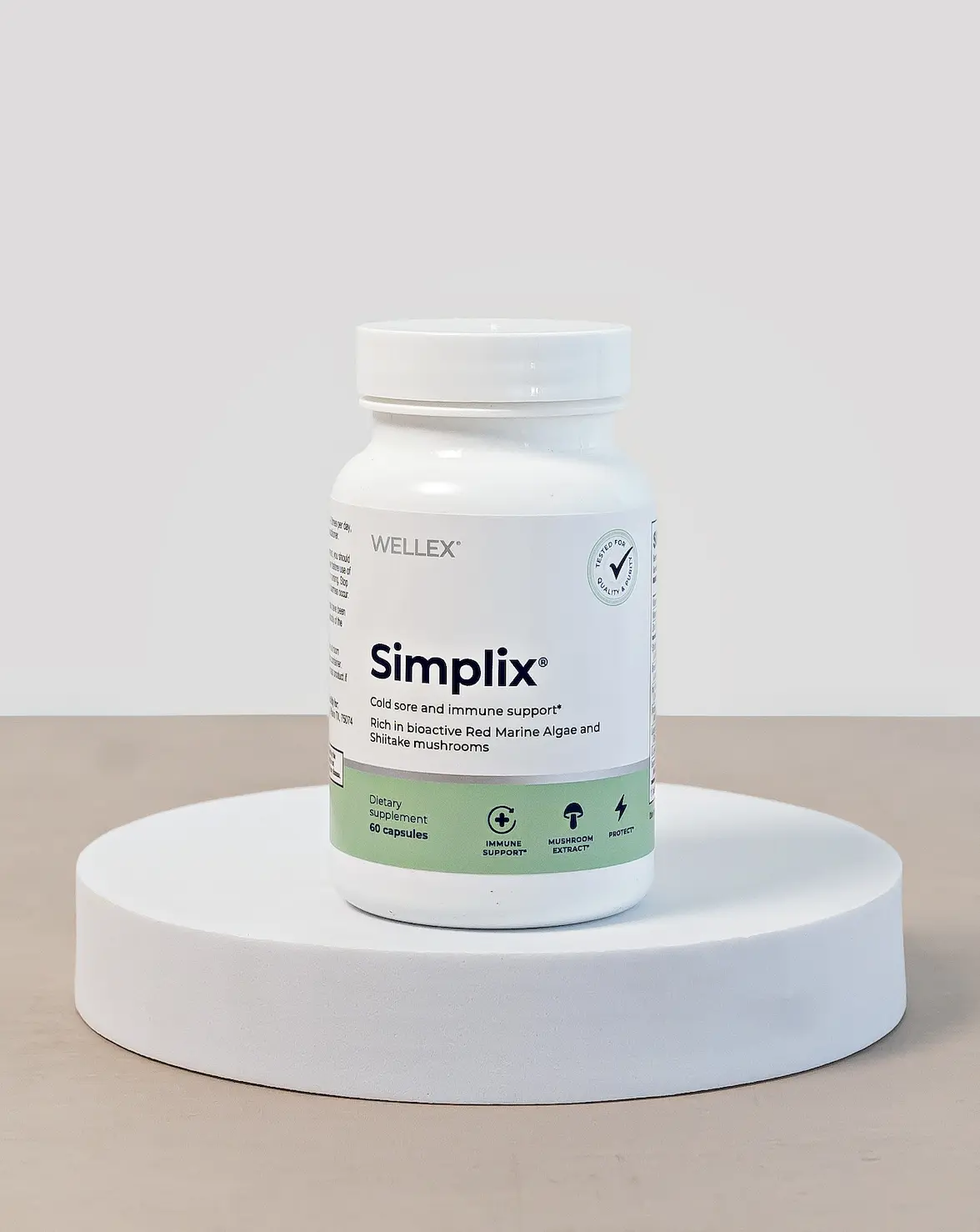
Simplix Viral Defense
Cold Sore & HSV Support
Synergistic formula combining L-Lysine, shiitake mushroom, and marine bioactives for comprehensive immune support.
SHOP NOW & SAVE 15%