Many people are interested in the connection between lysine, an essential amino acid, and testosterone levels.
As a vital nutrient, lysine contributes to various physiological processes, including protein synthesis and hormone regulation.
This page covers testosterone's role, its significance for both men and women, and lysine's potential influence on testosterone production.
We'll also examine how other amino acids, particularly arginine, may play a role in hormonal health.
Simplix Viral Defense
Cold Sore & HSV Support
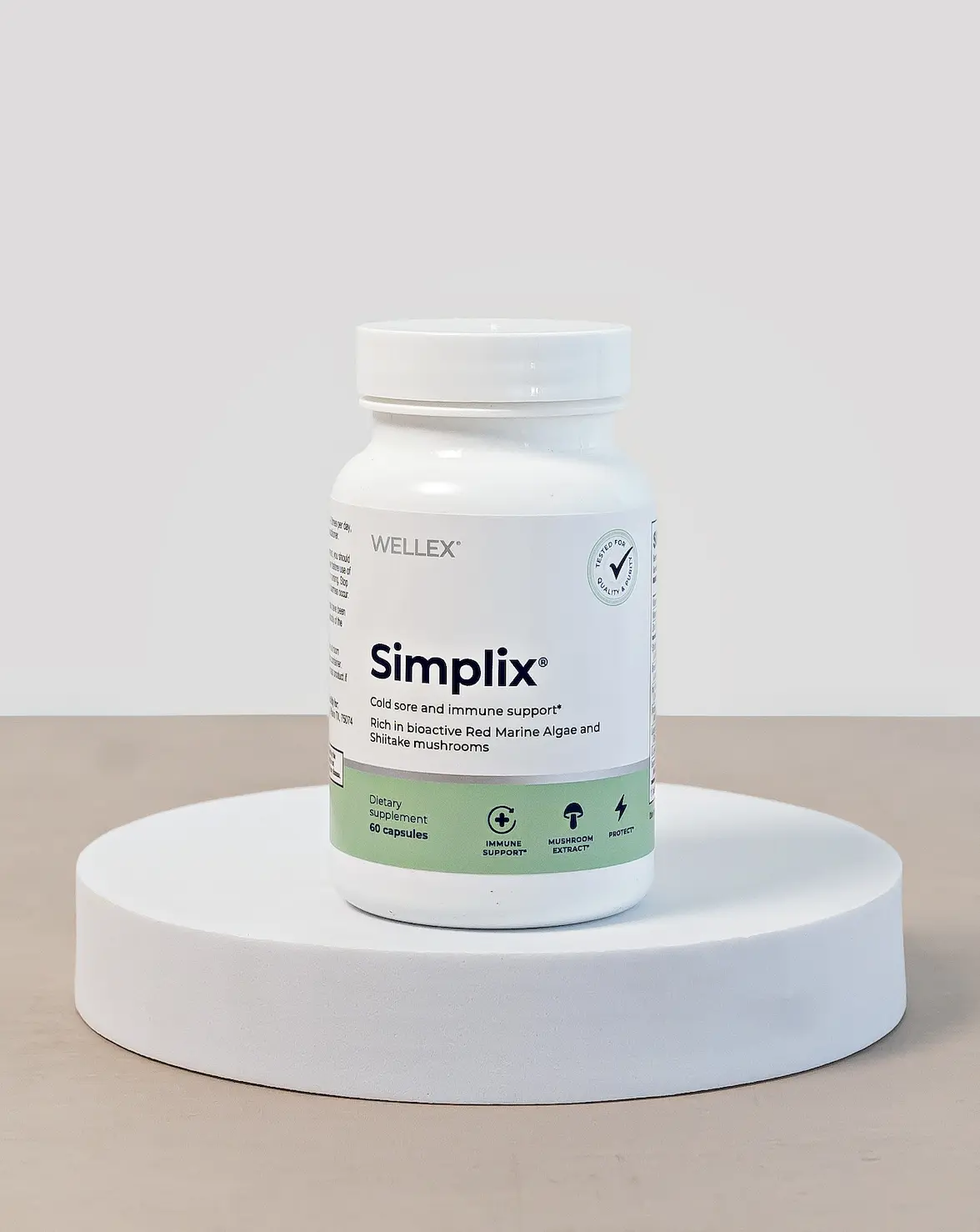
Simplix Viral Defense
Cold Sore & HSV Support
Synergistic formula combining L-Lysine, shiitake mushroom, and marine bioactives for comprehensive immune support.
SHOP NOW & SAVE 15%Understanding Testosterone
Testosterone is the primary male sex hormone, important for various bodily functions. It's primarily produced in men's testicles and in smaller amounts in women's ovaries. For transgender men, testosterone therapy is often an important part of transition, helping develop male characteristics and improve overall well-being. Testosterone is responsible for:
- Development of male characteristics, including increased muscle mass, body hair growth, and a deeper voice.
- Sexual function, playing a key role in libido and erectile function.
- Bone density and muscle strength, helping maintain bone density and muscle strength, contributing to physical health.
- Mood regulation, influencing mood and energy levels, impacting overall well-being.
Testosterone levels typically peak during adolescence and early adulthood but gradually decline with age, particularly after 30. This decline can lead to various health issues like decreased energy, reduced muscle mass, and mood changes. Understanding these dynamics is essential for anyone looking to maintain or improve testosterone levels as they age.
How to Boost Testosterone Levels
If you're looking to naturally increase your testosterone levels, consider these effective strategies:
- Exercise regularly: Strength training and high-intensity interval training (HIIT) can significantly boost testosterone levels. Studies show resistance training can elevate testosterone both acutely and chronically.
- Maintain a balanced diet: Focus on whole foods including healthy fats (like avocados and nuts), lean proteins, and plenty of fruits and vegetables. Diets rich in zinc and vitamin D are particularly beneficial for testosterone production.
- Prioritize sleep: Aim for 7-9 hours of quality sleep per night, as poor sleep negatively affects hormone levels. Research indicates sleep deprivation can significantly lower testosterone.
- Manage stress: High stress leads to elevated cortisol levels, which can inhibit testosterone production. Meditation, yoga, or deep-breathing exercises help manage stress effectively.
- Consider supplements: Certain vitamins and minerals, such as vitamin D and zinc, are linked to testosterone production. Amino acids like arginine may also enhance blood flow and support hormonal balance.
The Role of Lysine
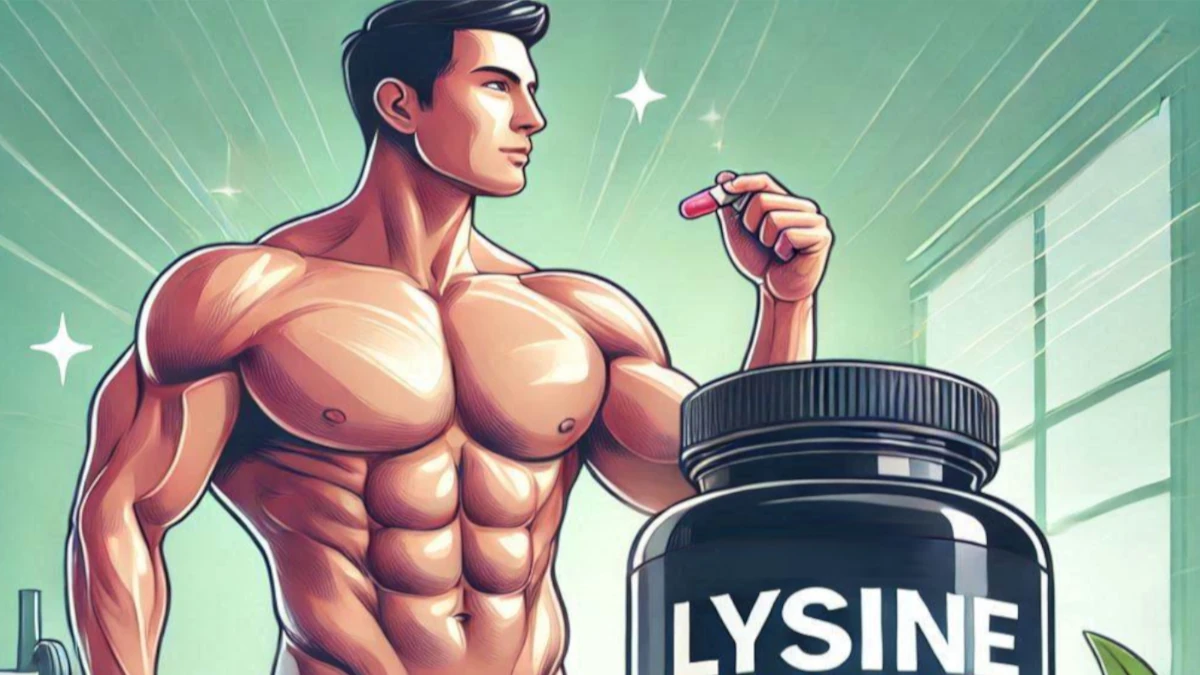
Lysine is an essential amino acid playing several important roles in the body, including supporting protein synthesis and hormone production. While lysine is vital for overall health, research on its direct impact on testosterone levels is somewhat limited. However, lysine's role in promoting muscle recovery and supporting metabolic processes may indirectly help maintain healthy testosterone levels.
Amino acids like lysine are important for hormone synthesis, including testosterone. Some studies suggest that adequate lysine intake may support hormonal balance by enhancing protein synthesis during exercise recovery.

What Research Says
Some studies suggest that adequate lysine intake may support hormonal balance and muscle growth, which could indirectly influence testosterone levels. However, specific evidence demonstrating that lysine directly increases testosterone is lacking. For instance, one study involving lysine-vasopressin showed no significant testosterone elevation despite an increase in other hormones.
A recent study indicated that while lysine supplementation improved overall protein utilization in male rats, it didn't lead to a significant increase in serum testosterone concentrations. This highlights the need for further research to clarify lysine's role regarding testosterone production.
Dietary Sources of Lysine
To ensure you're getting enough lysine, include foods rich in this amino acid in your diet. Good sources include:
- Meat (especially red meat)
- Fish
- Dairy products (like cheese and yogurt)
- Poultry (like chicken and turkey)
- Legumes (such as beans and lentils)
- Nuts and seeds (especially pumpkin seeds)
Adequate dietary lysine intake is essential not only for hormone production but also for overall health maintenance. For those following plant-based diets, focusing on complementary protein sources can help ensure sufficient lysine intake.
The Role of Arginine
Arginine is another amino acid that may have a more pronounced effect on testosterone levels. It is a precursor to nitric oxide, which helps improve blood flow throughout the body. Enhanced circulation can facilitate better hormone delivery to target tissues, including testosterone.
Potential Benefits of Arginine
Some research suggests that arginine supplementation could lead to increased testosterone levels post-exercise due to improved circulation and nutrient delivery to tissues. While more studies are needed to fully understand its impact on testosterone specifically, arginine might be beneficial for those looking to enhance their exercise performance.
Maximizing Your Testosterone Potential
While lysine plays an essential role in hormone synthesis and overall health, there isn't strong evidence that it directly boosts testosterone levels. On the other hand, arginine may have a more notable effect on enhancing testosterone through improved blood flow during exercise.
To effectively boost your testosterone levels, focus on a holistic approach: regular exercise, a balanced diet rich in essential nutrients (including both lysine and arginine), quality sleep, stress management, and possibly supplementation with vitamins D and zinc.
By adopting these strategies, you can support your hormonal health and enhance your overall vitality and well-being.

Image: Bravado Labs L-Lysine Cold Sore Treatment
Bravado Labs L-Lysine Cold Sore Treatment
Why we love it:
- Verified Customer Favorite
- High Quality Ingredients
As an affiliate, we earn from qualifying purchases.