For many of us, coffee is a daily ritual, a comforting routine that kick-starts our day.
But for those who are prone to cold sores, this beloved beverage might be a cause for concern.
The question that often arises is whether coffee could trigger a herpes outbreak.
When it comes to the relationship between coffee and herpes, two main factors need to be considered: the balance of lysine and arginine, and the physiological effects of caffeine.
The Lysine-Arginine Ratio in Coffee
Let's start with some numbers. For every 100g of brewed coffee there are around 1mg of Lysine and 6mg of Arginine.
This means that coffee has a relatively low lysine-arginine ratio, which is undesirble.
But considering the minimal protein content in coffee, this ratio doesn't significantly affect dietary considerations.
Now, why does this matter?
The herpes simplex virus (HSV) requires arginine to replicate.
But the content of both lysine and arginine in coffee is so small that it's unlikely to be a problem, unless you're drinking coffee in extremely large amounts.
In other words - drinking coffee will NOT change the overall lysine and arginine ratio in your diet.
Unfortunately, coffee can still have a negative impact on your health and worsen herpes symptoms, but for different reasons.
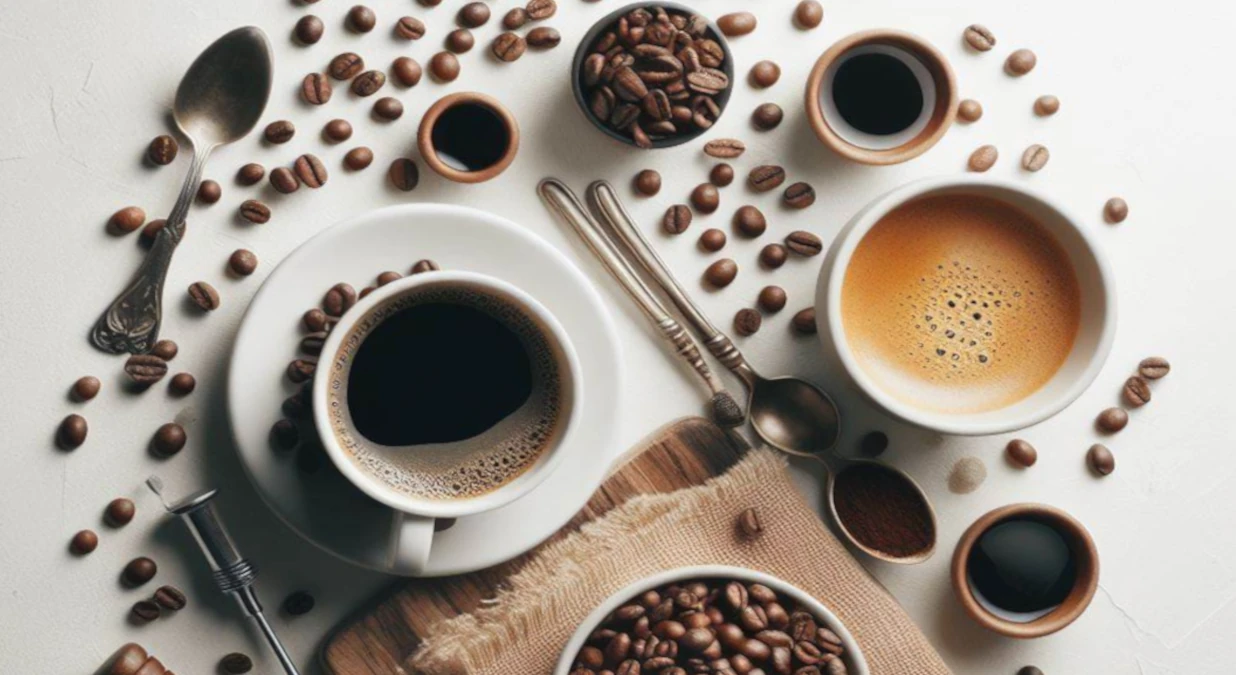
Why Coffee Can Worsen Your Herpes Outbreaks
Caffeine is a natural stimulant, which is one of the reasons why coffee is so popular.
It revs up your body's systems, helping you stay alert and focused.
But what happens when the caffeine wears off?
Your body is left feeling tired, and your defenses are weakened.
This state of fatigue can leave you more vulnerable to viral attacks, which can trigger herpes outbreaks.
So, if you're prone to cold sores, it might be worth reconsidering your coffee consumption.
The high acidity in coffee can irritate the mucous membranes in your mouth and lips, leading to inflammation. The irritation makes it easier for the herpes virus to reactivate and cause an outbreak. Caffeine also has a diuretic effect, which can lead to dehydration. Dehydration can dry out your lips and skin, making them more susceptible to cracks and sores. When your skin barrier is compromised, the herpes virus can emerge more easily.
Another potentially negative effect of caffeine is that it stimulates the release of stress hormones like cortisol. Elevated cortisol levels weaken your immune response, making it harder for your body to control viral infections like herpes. This can increase the frequency and severity of outbreaks.
In addition to all of this, there is ample research that shows how caffeine can impede healing processes of cold sores.Caffeine slows down keratinocyte proliferation and migration, which are crucial for wound healing. If you have a cold sore, coffee could delay your recovery.
Considerations and Alternatives
While coffee does not directly induce herpes outbreaks, the caffeine it contains can potentially trigger them.
If you are a coffee lover but are concerned about herpes outbreaks, consider transitioning to decaffeinated coffee or moderating your coffee consumption.It's important to remember that everyone's body responds differently, and what triggers a herpes outbreak in one person may not have the same effect on another.
Therefore, it's always beneficial to be observant of your body's reactions to different foods and beverages, and adjust your diet accordingly.
When discussing coffee and herpes, the manner in which you consume your coffee can significantly influence its potential to trigger a herpes outbreak. Opting for decaffeinated coffee or reducing your coffee intake can potentially mitigate the risk of triggering a herpes outbreak.
Your choice of beverage can influence your susceptibility to a herpes outbreak.
Coffee, due to its caffeine content, can trigger or exacerbate outbreaks.To prevent outbreaks triggered by coffee, consider transitioning to decaffeinated coffee or moderating your coffee intake, especially during a herpes outbreak or if you feel an outbreak is imminent.
Always strive to maintain a balanced and healthy diet to help manage herpes.

Coffee and Herpes FAQs
Does coffee cause herpes outbreaks?
No, coffee does not directly cause herpes outbreaks. However, the caffeine in coffee can potentially trigger an outbreak by leaving the body in a weakened state after its effects wear off.
When the stimulating effects of caffeine subside, your body is left in a state of fatigue. This weakened state can make you more susceptible to viral attacks, thereby facilitating herpes outbreaks. Therefore, individuals prone to herpes and cold sores should consider limiting their coffee intake.
Can I drink coffee with herpes?
Drinking coffee with herpes is not a good idea, especially if you are in the middle of a outbreak or feeling a cold sore coming up.
While coffee does not directly cause herpes outbreaks, the caffeine it contains can stress your immune system and worsen symptoms. If you are a coffee enthusiast but are concerned about herpes outbreaks, consider transitioning to decaffeinated coffee or moderating your coffee consumption. Always remember to listen to your body and adjust your diet accordingly.
Can I drink decaf coffee with herpes?
No, you should not drink decaf coffee if you are experiencing a cold sore or herpes flareup. Decaffeinated coffee is generally better than caffeinated coffee for managing herpes, but still not recommended. Any type of coffee, even decaf, still does contain some amounts of caffeine, and is relatively acidic. It is better to avoid coffee altogether during an outbreak.
What other beverages should I avoid with herpes?
Beverages high in caffeine, such as energy drinks and certain teas, should be avoided with herpes. These beverages can potentially trigger a herpes outbreak or worsen outbreak symptoms. Always maintain a healthy and balanced diet to help manage herpes.
Other than caffeine, soft drinks and chocolate drinks should also be avoided. Soft drinks are usually high in sugar which has a negative effect on your health and immune system. Chocolate is very high in arginine, a compound that is known to feed the herpes virus, which means drinking chocolate may worsen or even trigger outbreaks.

Image: Bravado Labs Advanced Lysine Immune Boost
Bravado Labs Advanced Lysine Immune Boost
Why we love it:
- Verified Customer Favorite
- High Quality Ingredients
As an affiliate, we earn from qualifying purchases.
Recommended Supplements for Herpes Management
Simplix Viral Defense
Cold Sore & HSV Support
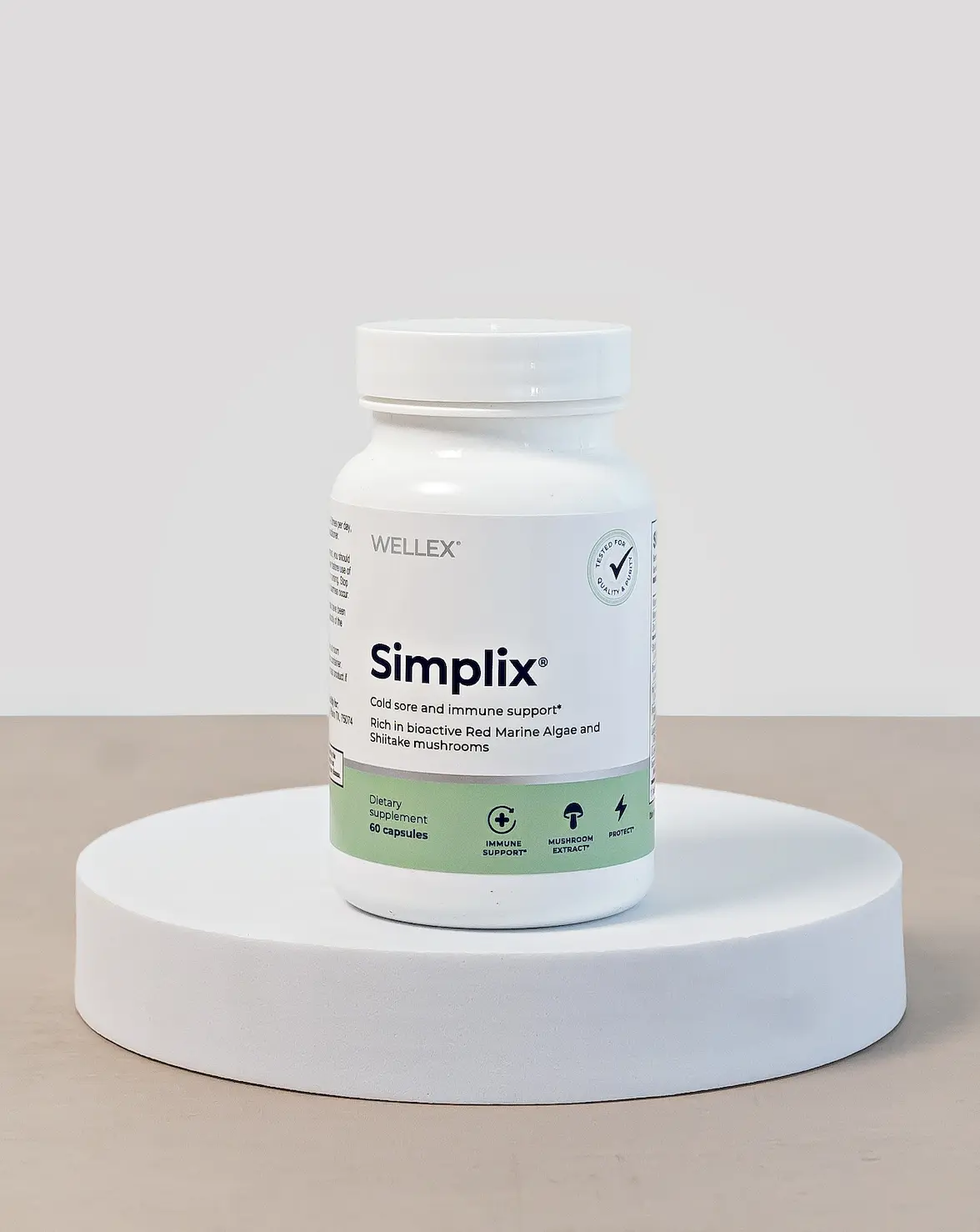
Simplix Viral Defense
Cold Sore & HSV Support
Synergistic formula combining L-Lysine, shiitake mushroom, and marine bioactives for comprehensive immune support.
SHOP NOW & SAVE 15%