Herpes simplex virus (HSV) causes oral and genital herpes: a lifelong infection with periodic outbreaks. Many people look for dietary strategies to manage symptoms and reduce flare-ups. The alkaline diet is one popular approach, emphasizing foods that create a higher pH (less acidic) environment in your body.
Can an alkaline diet influence herpes outbreaks? Below is what is known about body pH, viral activity, and how an alkaline diet might support herpes management.
While your body tightly regulates blood and cellular pH, dietary choices can affect the pH of urine and local environments like your mouth and skin. Understanding how pH influences herpes virus activity and immune function helps clarify the potential benefits of an alkaline diet for those living with HSV.
Simplix Viral Defense
Cold Sore & HSV Support
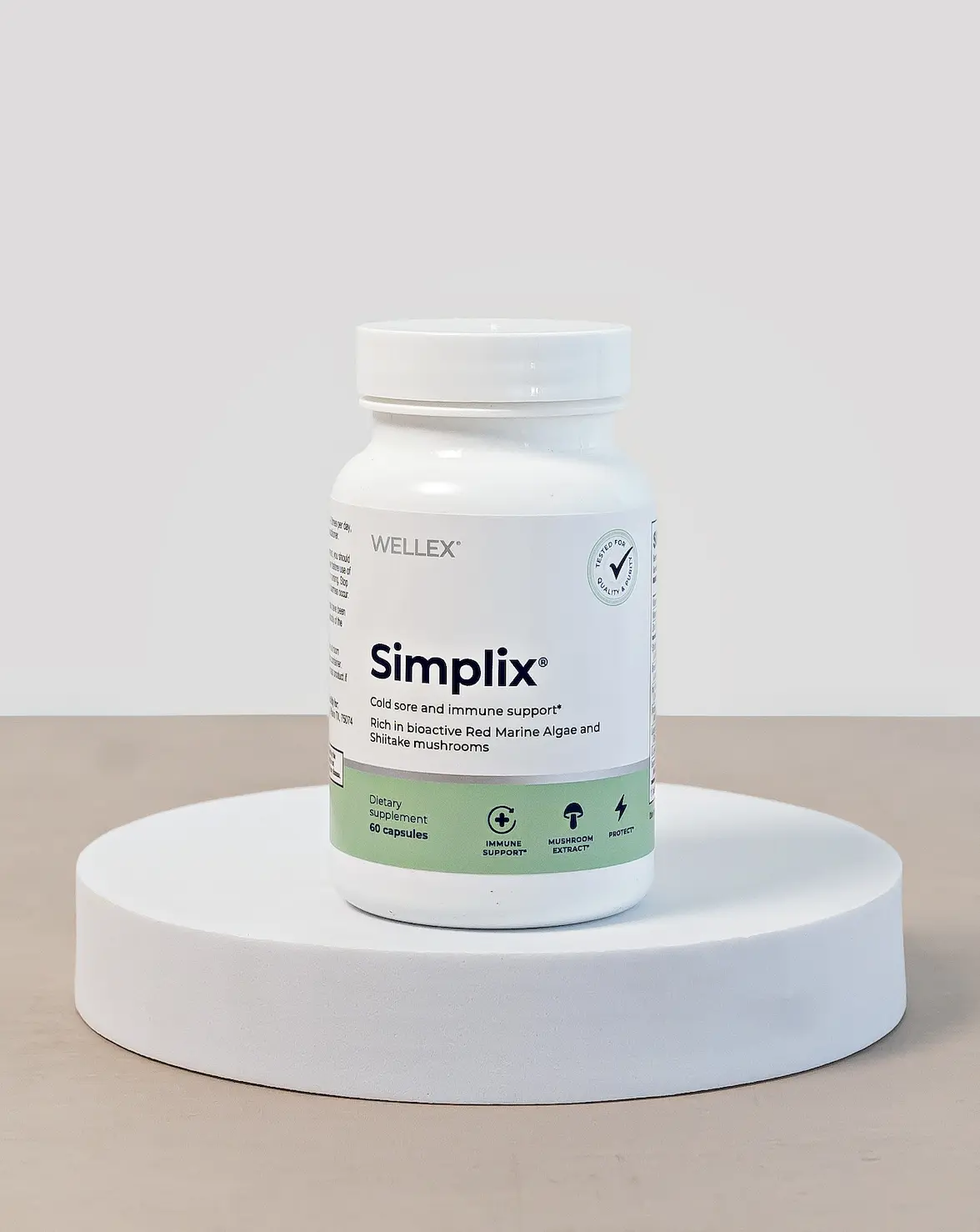
Simplix Viral Defense
Cold Sore & HSV Support
Synergistic formula combining L-Lysine, shiitake mushroom, and marine bioactives for comprehensive immune support.
SHOP NOW & SAVE 15%The Science Behind pH and Herpes Virus Activity
Research shows that herpes simplex virus entry into host cells involves pH-dependent mechanisms. Specifically, mildly acidic conditions (pH around 5 to 6) trigger conformational changes in viral proteins essential for membrane fusion and cell entry. This suggests that local acidity may facilitate HSV infection and replication.
Conversely, higher (more alkaline) pH environments may reduce the efficiency of viral entry and replication. While systemic blood pH stays constant, modifying local pH through diet or topical treatments could theoretically influence viral activity and outbreak severity.
What Is an Alkaline Diet?
An alkaline diet focuses on consuming foods that produce alkaline byproducts after digestion, such as most fruits, vegetables, nuts, and legumes, while limiting acid-forming foods like processed meats, refined grains, and sugary products. The goal is to promote a less acidic internal environment that supports overall health.
While the alkaline diet doesn't drastically change blood pH, it can influence urinary pH and reduce systemic inflammation. Since inflammation and immune function are key factors in herpes outbreaks, an alkaline diet may indirectly benefit those with HSV by supporting immune health and reducing triggers.

Alkaline Diet and Immune Support for Herpes
Eating an alkaline diet rich in antioxidants, vitamins, and minerals supports your immune system, which plays a important role in controlling herpes virus latency and reactivation. Nutrient-dense alkaline foods like leafy greens, berries, and citrus fruits provide vitamin C, zinc, and other compounds that enhance immune defenses.
Reducing dietary acid load also decreases systemic inflammation, which can otherwise weaken immune responses and increase herpes flare-ups. So the alkaline diet's focus on whole, unprocessed foods aligns well with general recommendations for managing herpes outbreaks.
Lysine and Arginine: Key Amino Acids in Herpes Management
Lysine and arginine are amino acids that play important roles in herpes simplex virus activity. Lysine inhibits HSV replication, while arginine promotes viral growth. Many people with herpes find that increasing lysine intake and reducing arginine consumption helps reduce outbreak frequency and severity.
High-lysine foods include dairy products, fish, poultry, and some plant-based sources like legumes, quinoa, tofu, and tempeh. However, many lysine-rich animal products are acid-forming, while several plant-based lysine sources are alkaline-forming. Arginine is abundant in nuts, seeds, chocolate, and some grains, many of which tend to be acid-forming.
This means that while an alkaline diet encourages consumption of fruits and vegetables that support immune health and reduce inflammation, it may not fully align with lysine-focused dietary recommendations. Balancing lysine intake with alkaline-forming foods is key for optimal herpes management.
Balancing Lysine, Arginine, and Alkalinity in Your Diet
To effectively manage herpes through diet, combine the benefits of an alkaline diet with attention to lysine and arginine intake. Include plenty of alkaline-forming fruits and vegetables alongside lysine-rich foods such as dairy, fish, poultry, legumes, and soy products.
Limit arginine-rich foods like nuts, seeds, chocolate, and processed grains, which promote viral replication. This balanced strategy supports immune function, reduces inflammation, and may help reduce the frequency and severity of herpes outbreaks.
Integrating Diet with Other Herpes Management Strategies
Diet plays an important role, but it's only one aspect of managing herpes. Stress reduction, adequate sleep, antiviral medications, and avoiding known triggers are essential components of a comprehensive approach.
Herbal remedies such as lemon balm, aloe vera, and zinc-containing creams have shown promise in reducing symptoms and supporting healing. Consulting healthcare professionals ensures personalized and effective management tailored to your individual needs.
Alkaline Diet and Herpes FAQs
Can an alkaline diet cure herpes?
No, an alkaline diet can't cure herpes. It may help support immune function and reduce inflammation, potentially decreasing the frequency or severity of outbreaks. But it may also have the opposite effect. If you favor arginine-rich foods over lysine-rich foods, an alkaline diet may result in increased flare-ups and longer outbreaks.
Does body pH affect herpes virus activity?
Local pH changes, especially mildly acidic environments, can influence herpes virus entry into cells. However, systemic blood pH is tightly regulated and not significantly altered by diet.
What foods are considered alkaline?
Most fruits, vegetables, nuts, and legumes are alkaline-forming foods. Processed meats, refined grains, and sugary foods tend to be acid-forming.
How do lysine and arginine affect herpes outbreaks?
Lysine inhibits herpes virus replication, while arginine promotes viral growth. A diet high in lysine and low in arginine may help reduce outbreak frequency and severity.
Are lysine-rich foods alkaline?
Some lysine-rich plant foods like legumes, quinoa, tofu, and tempeh are alkaline-forming, but many lysine-rich animal foods such as meat and dairy are acid-forming. Balancing lysine intake with alkaline foods is important.

Image: Bravado Labs L-Lysine Cold Sore Treatment
Bravado Labs L-Lysine Cold Sore Treatment
Why we love it:
- Verified Customer Favorite
- High Quality Ingredients
As an affiliate, we earn from qualifying purchases.