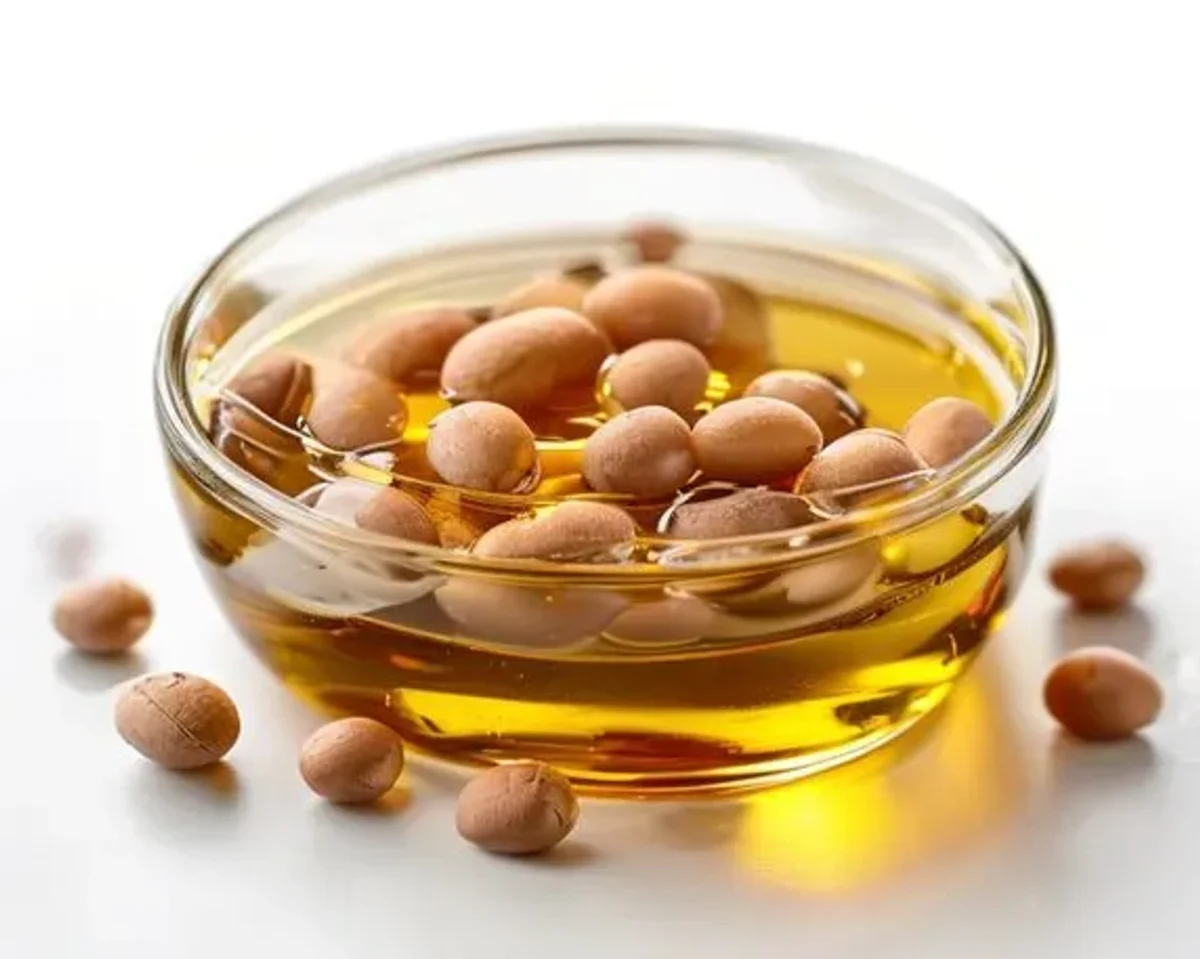
About Soybean Oil
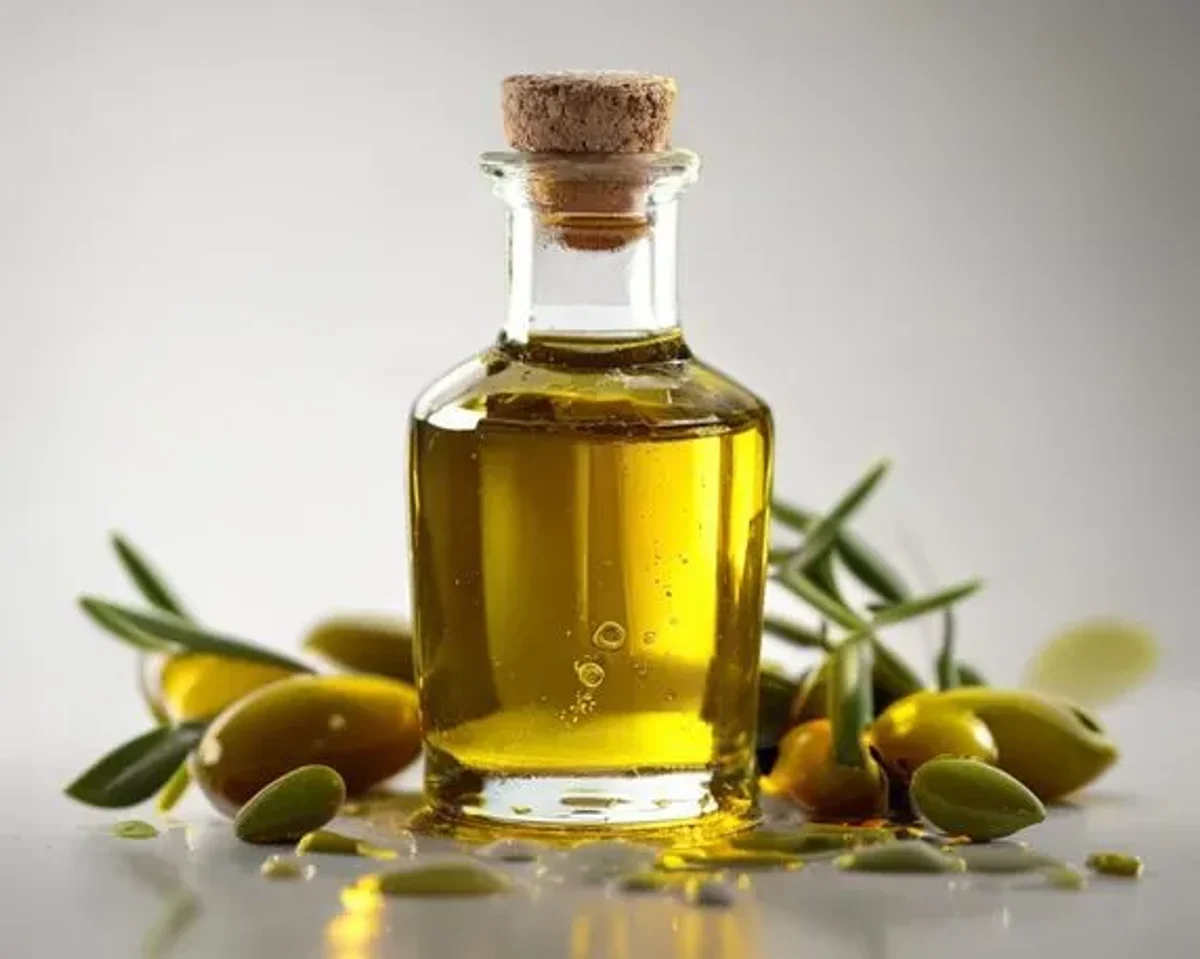
Soybean oil is a type of vegetable oil that is derived from soybeans. It is one of the most widely consumed cooking oils.
Soybean oil is rich in polyunsaturated fats, including the essential fatty acids omega-6 and omega-3. It is also a good source of vitamin E.
Lysine Considerations
Lysine is an important amino acid that the body needs to make proteins and support your immune system.
Lysine can help prevent or treat cold sores, which are blisters caused by the virus HSV-1, also known as herpes.
Lysine works by blocking the growth of HSV-1, which needs another amino acid called arginine to multiply and infect cells. Lysine can only be obtained through diet, and can be found in a variety of rich in protein foods like milk and cheese, fish, eggs, meat, and poultry.
Soybean oil does not contain any lysine, which is an essential amino acid that the body cannot produce. Lysine is important for protein synthesis, collagen formation, and immune function, but it is only found in protein-rich foods. Because oils only contain fat, they are not a source of lysine.
Arginine Considerations
Arginine is an amino acid that our body needs to make nitric oxide, a compound that helps with blood circulation, energy, and communication between cells.
Arginine can benefit your wellbeing and performance, such as lowering your blood pressure, healing your wounds, and boosting your exercise endurance.
Arginine can be made by the body or obtained from foods like meat, dairy, nuts, and soy.
Unfortunately, the herpes virus is known to "feed" on arginine, and having a diet higher in arginine than lysine may increase the occurrence and severity of cold sores and herpes outbreaks.
Soybean oil does not contain any arginine, which is a semi-essential amino acid that the body can produce in limited amounts. Arginine is important for nitric oxide production, blood vessel dilation, and wound healing. Like lysine, it is only found in protein-rich foods. Because oils only contain fat, they are not a source of lysine.
Lysine-Arginine Ratio Analysis
A food's lysine-arginine ratio indicates how much of these two amino acids it contains. Both lysine and arginine are important for protein synthesis and other bodily functions.
The two compounds can affect the herpes simplex virus, which is responsible for cold sores and genital herpes, in opposite ways. Lysine can stunt the virus from reproducing, while arginine can help it propagate.
Eating foods with a high lysine-arginine ratio could help soothe the appearance and severity of herpes symptoms.
Some foods that have a high lysine-arginine ratio are dairy products, fish, poultry, fruits, and vegetables.
These foods can give the body enough lysine to prevent the virus from taking up arginine, and thus stop its growth and spread.
Because Soybean Oil has a neutral ratio of lysine and arginine, it does not have a significant impact on people who suffer from herpes, as it does not affect the viral activity.
Soybean oil does not contain amino-acids and thus has a neutral lysine-arginine ratio. This means it does not affect the lysine-arginine balance in your diet and has no implications on the herpes simplex virus (HSV) in the body. That said, soybean oil may have other benefits for HSV prevention or treatment, such as anti-inflammatory and antiviral properties.
Nutrient Density & Portion Control
Nutrient density is a measure of how rich a food is in amino acids relative to portion size. We calculate it as (Lysine + Arginine) / 100, which gives you a quick sense of how much total amino acid content is packed into each 100g serving.
Soybean Oil has a low nutrient density (0), which means it contains relatively lower amounts of these amino acids. You can safely enjoy larger portions of this food without worrying as much about amino acid balance, making it a flexible option in your herpes management diet.
💡 Tip: Use the density metric to quickly gauge portion control. High-density foods are nutrient-dense and should be enjoyed mindfully, while low-density foods give you more flexibility in serving sizes.
Dietary Considerations for Herpes Management
Category Overview
Fats and oils are a type of macronutrient that provide energy and help absorb fat-soluble vitamins. Cooking oils have no protein and therefore are neutral for lysine and arginine. Some types of vegetable oils can be healthier to include in your diet as they can lower cholesterol and inflammation. Some examples of healthy cooking oils are olive oil canola oil and sunflower oil. Butter and margarine have low amounts of lysine and arginine but they are not as healthy as cooking oils. Butter and margarine can increase the risk of cardiovascular diseases and obesity.Oil is a fat extracted by plants that is in a liquid state at room temperature. It is used in cooking for frying, baking, and as a dressing or marinade. Some oils, such as olive oil, coconut oil, and avocado oil are high in healthy fats and can be beneficial for heart health. Oils have negligible amounts of lysine and arginine and can be used freely in a diet for people with herpes.
Practical Recommendations
In addition to eating foods that have a high lysine-arginine ratio, there are other dietary recommendations that can help you manage herpes outbreaks. For instance:
A well-balanced and healthy diet that strengthens your immune system and lowers inflammation is important. This means you should eat a lot of fruits, vegetables, whole grains, lean protein, and good fats, and avoid processed foods, added sugars, alcohol, and caffeine.
Avoid alcoholic beverages and caffeine which can overstimulate your body, leave you dehydrated, and compromise your immune system.
You may want to take l-lysine supplements. L-lysine is known to prevent herpes outbreaks and it can help stop a cold sore in its initial stages by "starving" the virus of arginine before it has a chance to cause a cold sore.
Taking other food supplements that can improve your immunity and protect your cells from oxidative stress, such as vitamin C, zinc, selenium, and antioxidants.
Avoiding foods that can cause allergic reactions or sensitivities, such as gluten, dairy, nuts, eggs, or shellfish. These foods can trigger inflammation and weaken your immune system, making you more susceptible to outbreaks.
Try eating foods that can enhance your immune system and reduce inflammation to avoid outbreaks. Some of these foods are honey, plain yogurt, aloe vera, and chamomile tea. They can also help you with your symptoms by easing pain, swelling, and itching, and accelerating your recovery.
Is Soybean Oil Safe for Shingles?
Yes, Soybean Oil is generally safe for shingles management. With a lysine-to-arginine ratio of 1.00, this food maintains a relatively balanced profile.
While it doesn't strongly favor lysine, it won't actively trigger viral reactivation either. Its balanced profile means it can fit comfortably into a shingles-aware diet without major restrictions. The key is pairing Soybean Oil with other lysine-rich foods to maintain overall dietary balance.
Enjoy Soybean Oil as part of a well-rounded diet. Consider combining it with lysine-rich proteins to shift your overall amino acid balance in your favor.
○ Moderately Safe: This food is fine to eat regularly, especially when balanced with lysine-rich options.
Medical Disclaimer: This information is for educational purposes only and should not replace professional medical advice. Always consult a healthcare provider before making significant dietary changes, especially if you have active shingles or a history of herpes infections.
Is Soybean Oil high in arginine?
Soybean Oil contains 0.00mg of arginine per 100g serving. This is a moderate amount. If you're managing herpes, monitor your intake of high-arginine foods.
Can I eat Soybean Oil if I have herpes?
Yes, you can eat Soybean Oil. However, the key is understanding its lysine-arginine ratio (1.00) and balancing it with lysine-rich foods. Consult with a healthcare provider about your specific dietary needs.
What is the lysine-arginine ratio of Soybean Oil?
The lysine-arginine ratio of Soybean Oil is 1.00. A ratio below 1 means arginine is more abundant. This ratio helps determine how suitable it is for herpes management.

Image: Bravado Labs Advanced Lysine Immune Boost
Bravado Labs Advanced Lysine Immune Boost
Why we love it:
- Verified Customer Favorite
- High Quality Ingredients
As an affiliate, we earn from qualifying purchases.
Recommended Supplements for Herpes Management
Simplix Viral Defense
Cold Sore & HSV Support
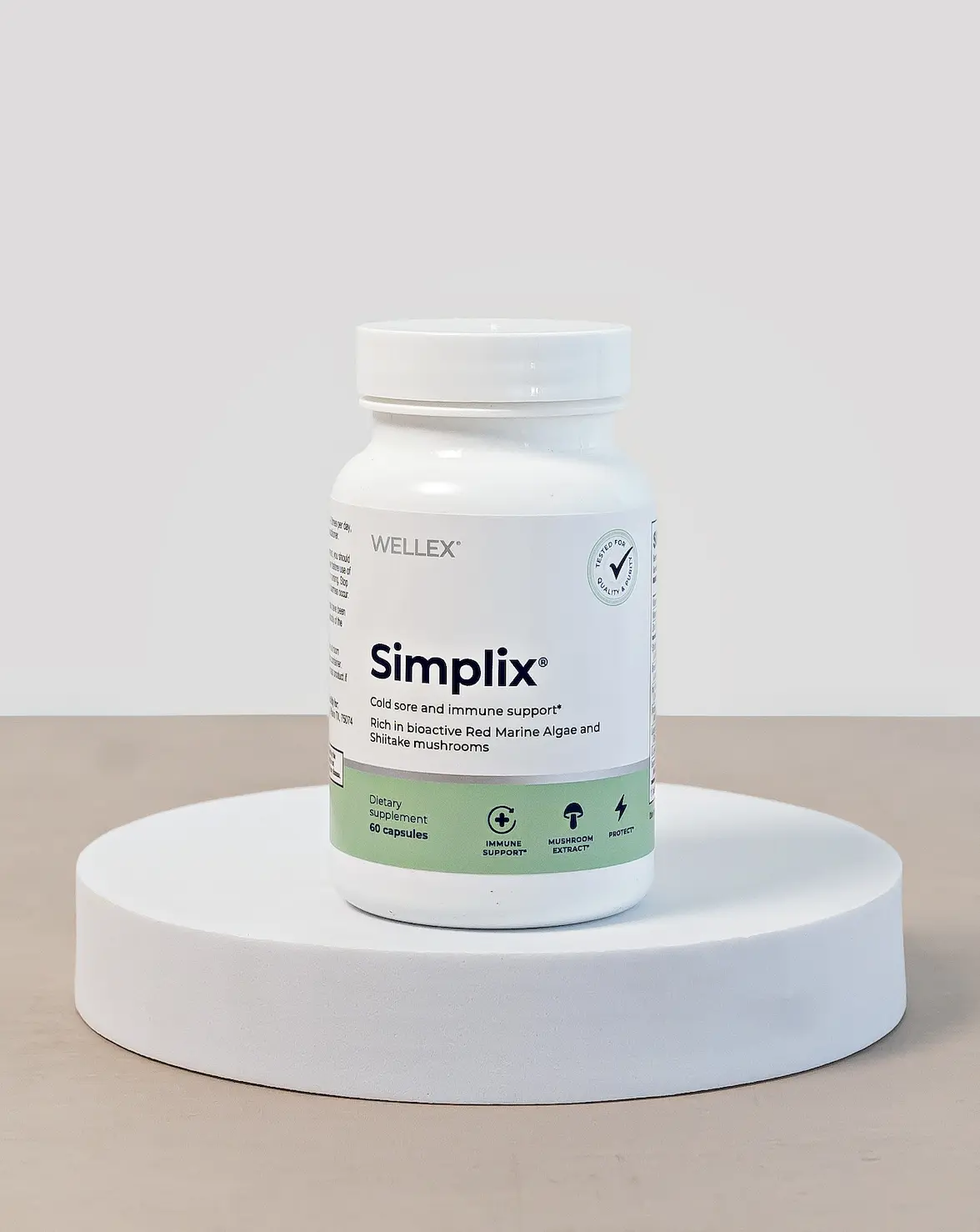
Simplix Viral Defense
Cold Sore & HSV Support
Synergistic formula combining L-Lysine, shiitake mushroom, and marine bioactives for comprehensive immune support.
SHOP NOW & SAVE 15%