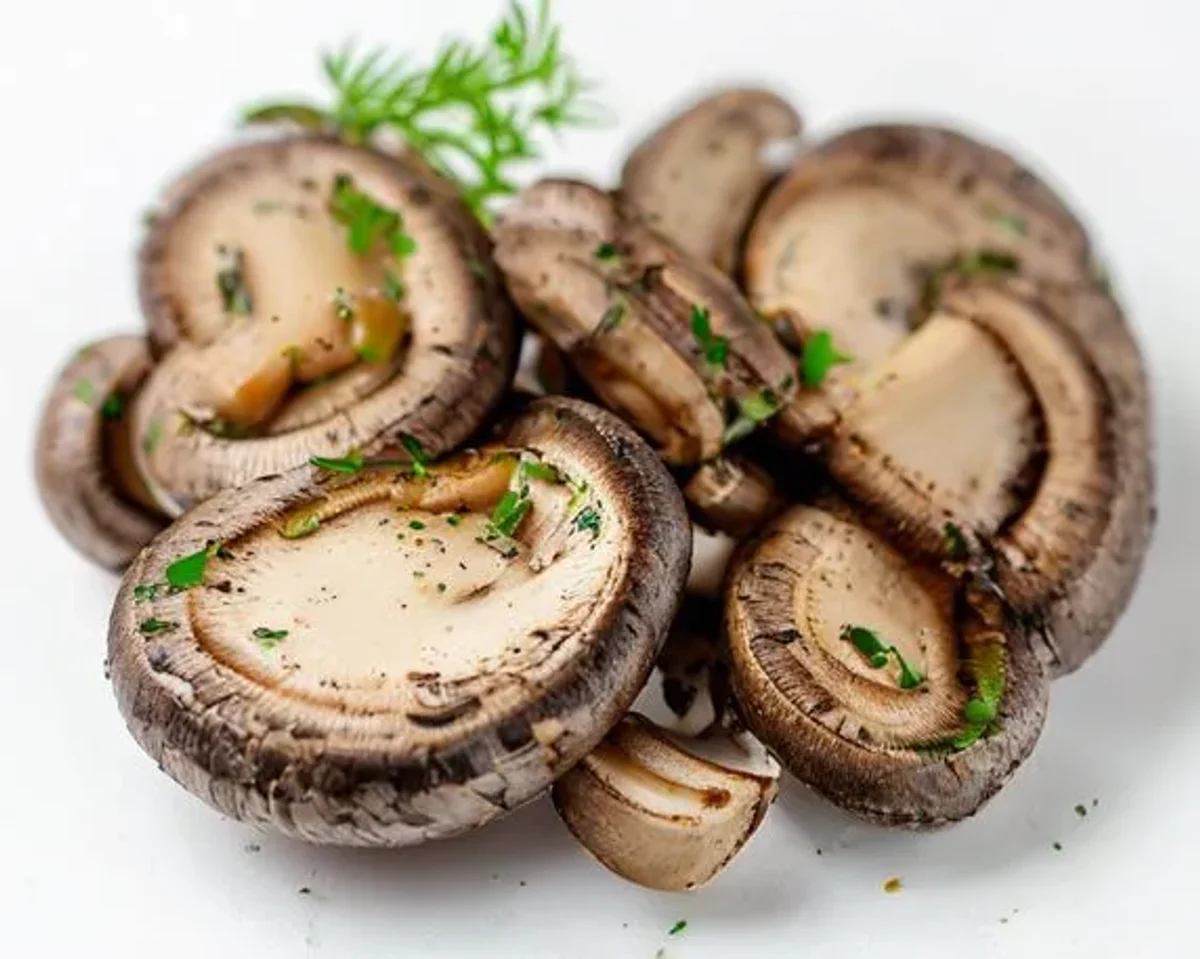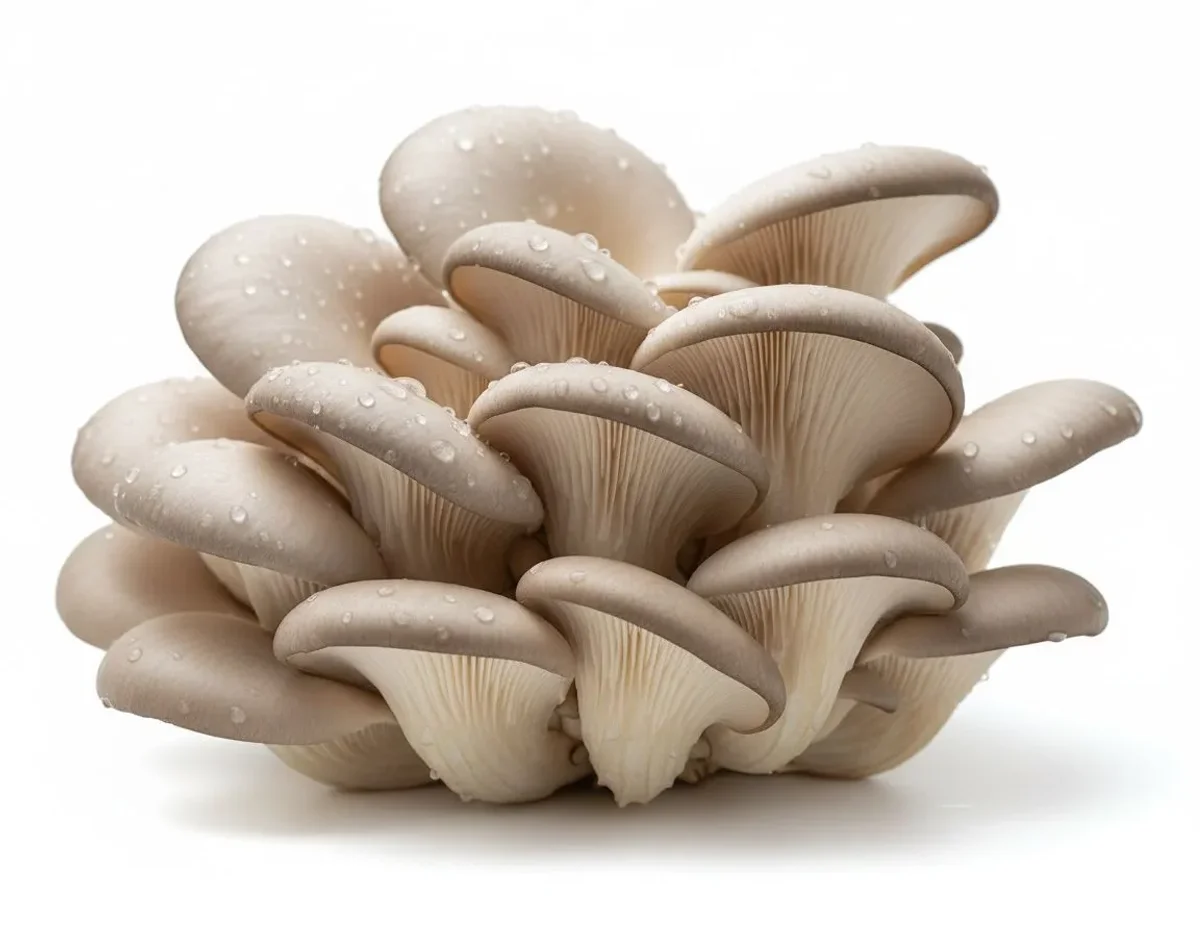
About Oyster mushrooms (raw)
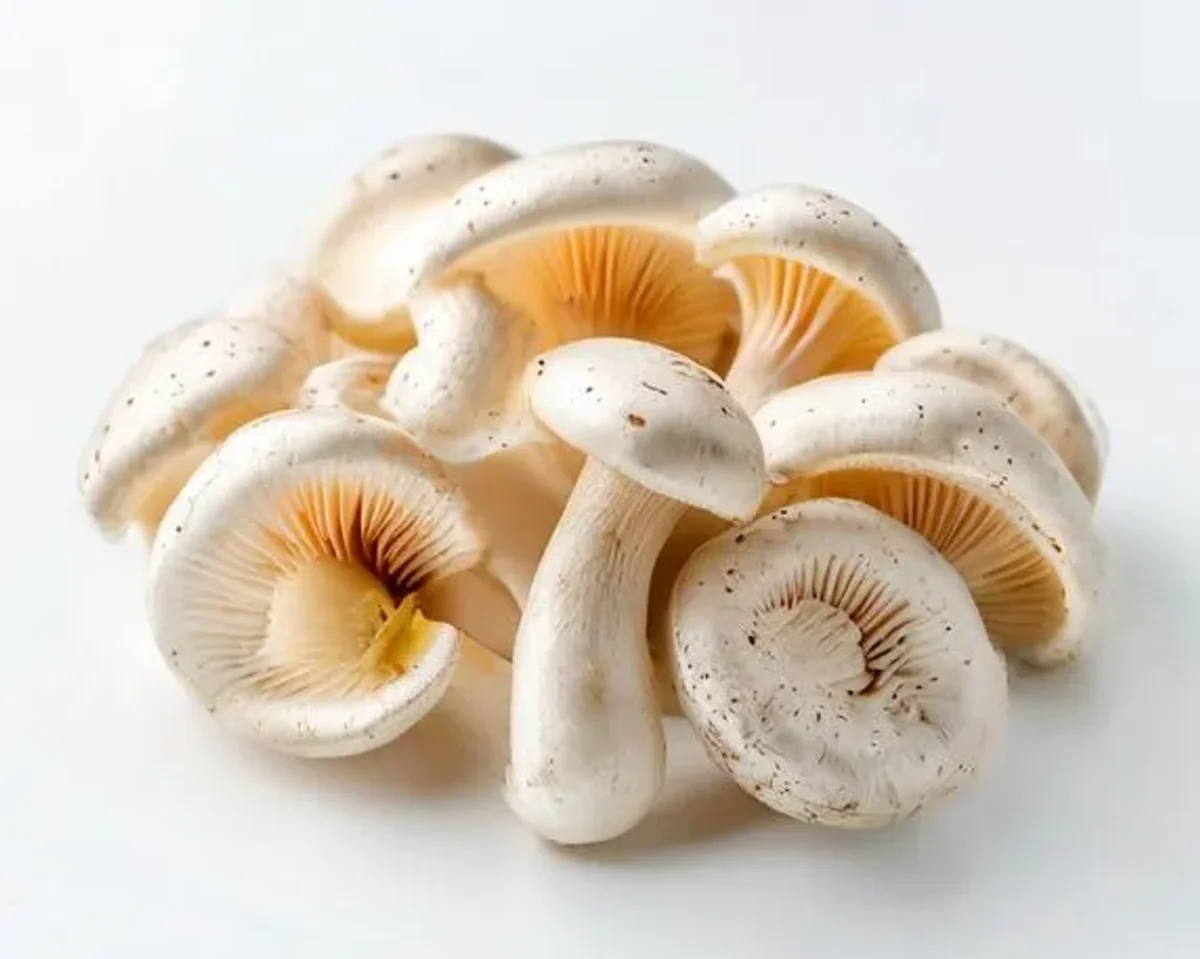
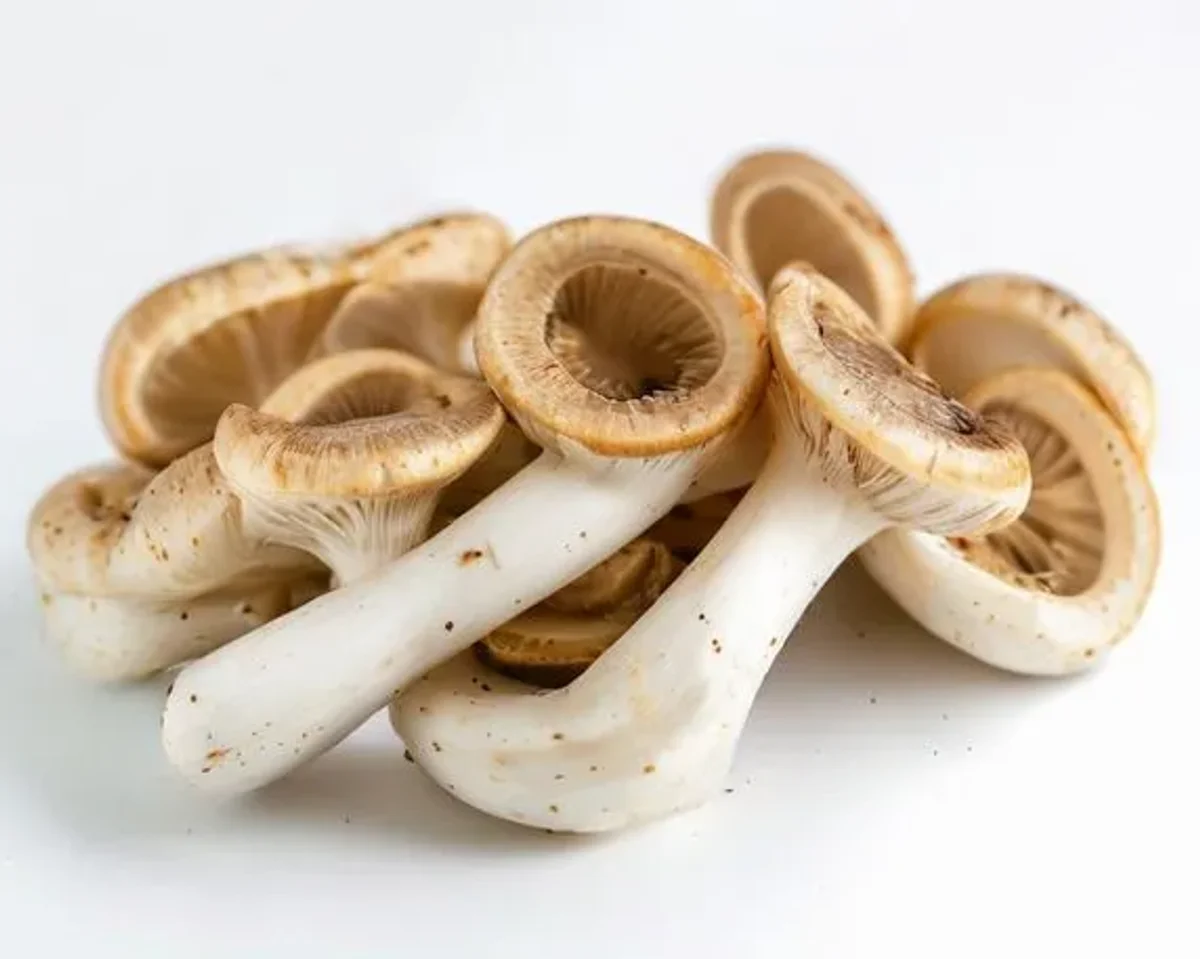
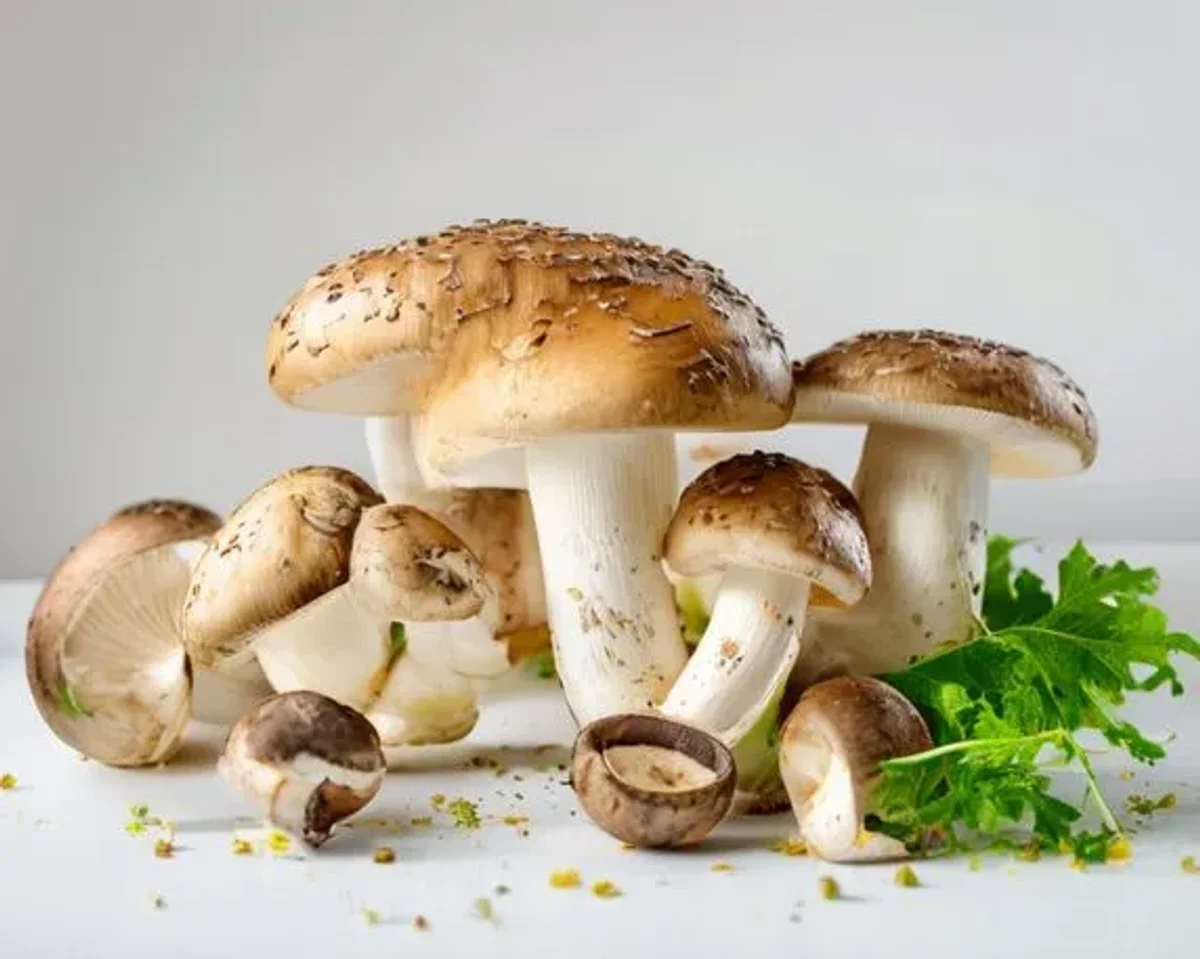
Oyster mushrooms are named for their oyster-like shape and have a mild, slightly sweet flavor. They are popular in many culinary traditions.
Oyster mushrooms are a good source of protein, fiber, vitamins, and minerals. They are known for their potential anti-inflammatory, antiviral, and immune-boosting properties.
Lysine Considerations
Lysine is a conditionally essential amino acid that plays a central role in how your body handles the herpes simplex virus. At the cellular level, lysine and arginine compete for the same transporters to enter cells — meaning a higher intake of lysine effectively crowds out the arginine that HSV-1 and HSV-2 depend on to replicate.
Beyond its antiviral competition with arginine, lysine also contributes to immune resilience. It supports the production of antibodies, promotes collagen synthesis for skin barrier integrity, and helps regulate cortisol — the stress hormone known to trigger outbreaks. Foods rich in lysine are therefore doubly beneficial: they supply the nutrient directly while also supporting the immune pathways that keep the virus dormant.
Oyster mushrooms provide a moderate amount of lysine, supporting overall health, tissue repair, and helping manage HSV infections by inhibiting viral replication.
Arginine Considerations
Arginine is a essential amino acid that the body uses to build proteins.
Arginine has different functions in the body, including wound healing, helping the kidneys remove waste products from the body, and maintaining immune and hormone function.
Arginine also plays a role in the replication of the herpes virus, making it a key factor in cold sore outbreaks. The herpes virus requires arginine to grow, replicate, and create new herpes viruses. Foods abundant in arginine, such as nuts and chocolate, may increase the frequency and severity of these outbreaks.
Oyster mushrooms contain a moderate amount of arginine, which plays a role in several physiological processes, including immune function and wound healing.
Lysine-Arginine Ratio Analysis
A food's lysine-arginine ratio indicates how much of these two amino acids it contains. Both lysine and arginine are important for protein synthesis and other bodily functions.
The two compounds can affect the herpes simplex virus, which is responsible for cold sores and genital herpes, in opposite ways. Lysine can stunt the virus from reproducing, while arginine can help it propagate.
Eating foods with a high lysine-arginine ratio could help lower the appearance and severity of herpes flare ups.
Some foods that have a high lysine-arginine ratio are dairy, fish, poultry, fruits, and vegetables.
These foods can give the body enough lysine to prevent the virus from taking up arginine, and thus stop its growth and spread.
Because Oyster mushrooms (raw) contains much higher levels of lysine than arginine, it is highly recommended for people who suffer from herpes, as it may prevent outbreaks.
Oyster mushrooms have a balanced lysine-arginine ratio, making them a suitable option for various dietary preferences. This balance is beneficial for those managing HSV infections, as lysine can inhibit viral replication.
Nutrient Density & Portion Control
Nutrient density is a measure of how rich a food is in amino acids relative to portion size. We calculate it as (Lysine + Arginine) / 100, which gives you a quick sense of how much total amino acid content is packed into each 100g serving.
Oyster mushrooms (raw) has a low nutrient density (2.14), which means it contains relatively lower amounts of these amino acids. You can safely enjoy larger portions of this food without worrying as much about amino acid balance, making it a flexible option in your herpes management diet.
💡 Tip: Use the density metric to quickly gauge portion control. High-density foods are nutrient-dense and should be enjoyed mindfully, while low-density foods give you more flexibility in serving sizes.
Dietary Considerations for Herpes Management
Practical Recommendations
Besides consuming foods with a high ratio of lysine to arginine, you should also follow some other dietary tips to cope with herpes outbreaks. For example:
Prioritising anti-inflammatory whole foods — leafy greens, colourful vegetables, legumes, and omega-3-rich fish — gives your immune system the micronutrients it needs to keep HSV dormant. Chronic low-grade inflammation is a known trigger for viral reactivation, so reducing dietary sources of inflammation is a direct outbreak-prevention strategy.
Drinking enough water to keep yourself hydrated and remove toxins from your body. Water can also help prevent dryness and irritation of the skin and mucous membranes, which can result in fewer outbreaks.
Consider taking l-lysine supplements, which can help prevent herpes outbreaks and stop a cold sore before it emerges by limiting the availability of arginine for the virus, which it requires to produce a cold sore.
Several micronutrients have direct antiviral or immune-supportive properties: zinc has been shown to inhibit HSV replication in vitro; vitamin D deficiency is associated with more frequent outbreaks; and vitamin C supports white blood cell function. A targeted supplement stack alongside a lysine-rich diet gives your immune system multiple lines of defence.
Your immune system can be weakened and inflammation can be increased by foods that can cause allergic reactions or sensitivities, such as gluten, dairy, nuts, eggs, or shellfish. Avoid these foods to prevent outbreaks.
Try eating foods that can enhance your immune system and reduce inflammation to avoid outbreaks. Some of these foods are honey, plain yogurt, aloe vera, and chamomile tea. They can also help you with your symptoms by easing pain, swelling, and itching, and accelerating your recovery.
Is Oyster mushrooms (raw) Safe for Shingles?
Yes, Oyster mushrooms (raw) is an excellent choice for shingles management. With a lysine-to-arginine ratio of 1.55, this food is rich in lysine, which supports your body's natural defenses against varicella-zoster virus (VZV) reactivation.
Lysine is known to inhibit arginine metabolism, a key factor in viral replication. By choosing lysine-rich foods like Oyster mushrooms (raw), you're actively supporting your immune system's ability to keep VZV dormant.
Include Oyster mushrooms (raw) regularly in your diet to maintain a lysine-favorable amino acid balance. Pair it with other lysine-rich foods for maximum antiviral support.
✓ Shingles-Friendly: This food's high lysine content makes it a smart choice for reducing herpes zoster reactivation risk.
Medical Disclaimer: This information is for educational purposes only and should not replace professional medical advice. Always consult a healthcare provider before making significant dietary changes, especially if you have active shingles or a history of herpes infections.
Is Oyster mushrooms (raw) good or bad for herpes?
With a ratio of 1.55, Oyster mushrooms (raw) is considered a lysine-dominant food — a positive choice for herpes management. The lysine-to-arginine ratio is the key metric: foods above 1.0 generally support herpes management, while foods below 1.0 require more careful portioning. Oyster mushrooms (raw) fits into the favourable category.
Is Oyster mushrooms (raw) high in arginine?
Oyster mushrooms (raw) is relatively low in arginine at 84.00mg per 100g. This level is manageable for most people when consumed as part of a balanced, lysine-rich diet.
How much lysine does Oyster mushrooms (raw) contain?
Its lysine content of 130.00mg per 100g provides a moderate amount of this protective amino acid. Because its lysine content exceeds its arginine content, Oyster mushrooms (raw) contributes positively to the overall amino acid balance in a herpes management diet.
Can I eat Oyster mushrooms (raw) if I have herpes?
Yes — Oyster mushrooms (raw) has a lysine-to-arginine ratio of 1.55, which is favourable for people managing HSV-1 or HSV-2. It can be enjoyed as part of a herpes-conscious diet without significant concern. Always consult your healthcare provider for personalised advice.
What is the lysine-arginine ratio of Oyster mushrooms (raw)?
The lysine-arginine ratio of Oyster mushrooms (raw) is 1.55, calculated from 130.00mg lysine and 84.00mg arginine per 100g serving. A ratio above 1 means lysine is the dominant amino acid, which is generally favourable for herpes management.
Does Oyster mushrooms (raw) trigger cold sores?
Oyster mushrooms (raw) is unlikely to trigger cold sores on its own. Its lysine-to-arginine ratio of 1.55 means it does not provide an excess of arginine that would feed the herpes simplex virus. If you notice a personal correlation between eating Oyster mushrooms (raw) and outbreaks, consider reducing your serving size.

Image: Bravado Labs L-Lysine Cold Sore Treatment
Bravado Labs L-Lysine Cold Sore Treatment
Why we love it:
- Verified Customer Favorite
- High Quality Ingredients
As an affiliate, we earn from qualifying purchases.
Recommended Supplements for Herpes Management
Simplix Viral Defense
Cold Sore & HSV Support
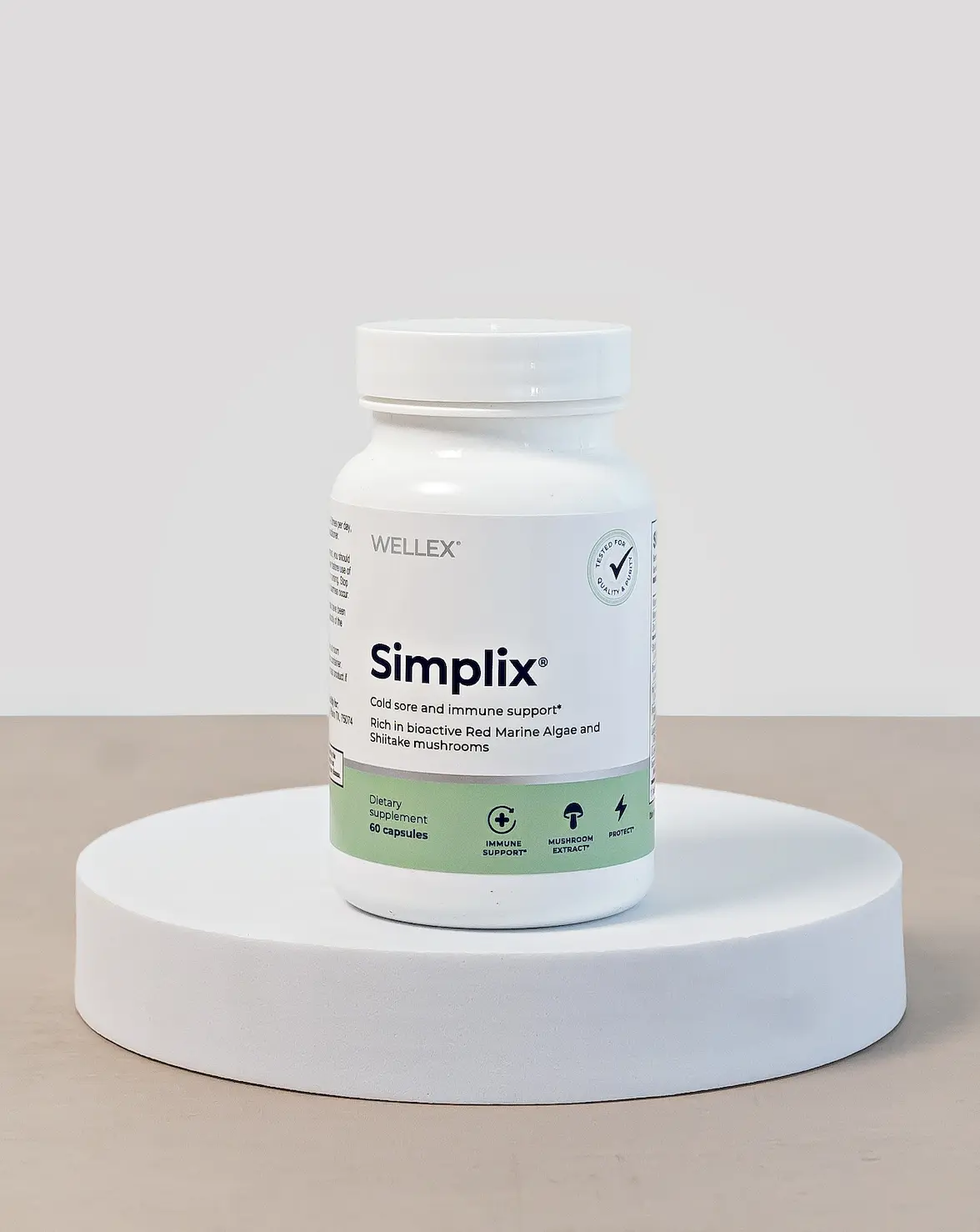
Simplix Viral Defense
Cold Sore & HSV Support
Synergistic formula combining L-Lysine, shiitake mushroom, and marine bioactives for comprehensive immune support.
SHOP NOW & SAVE 15%