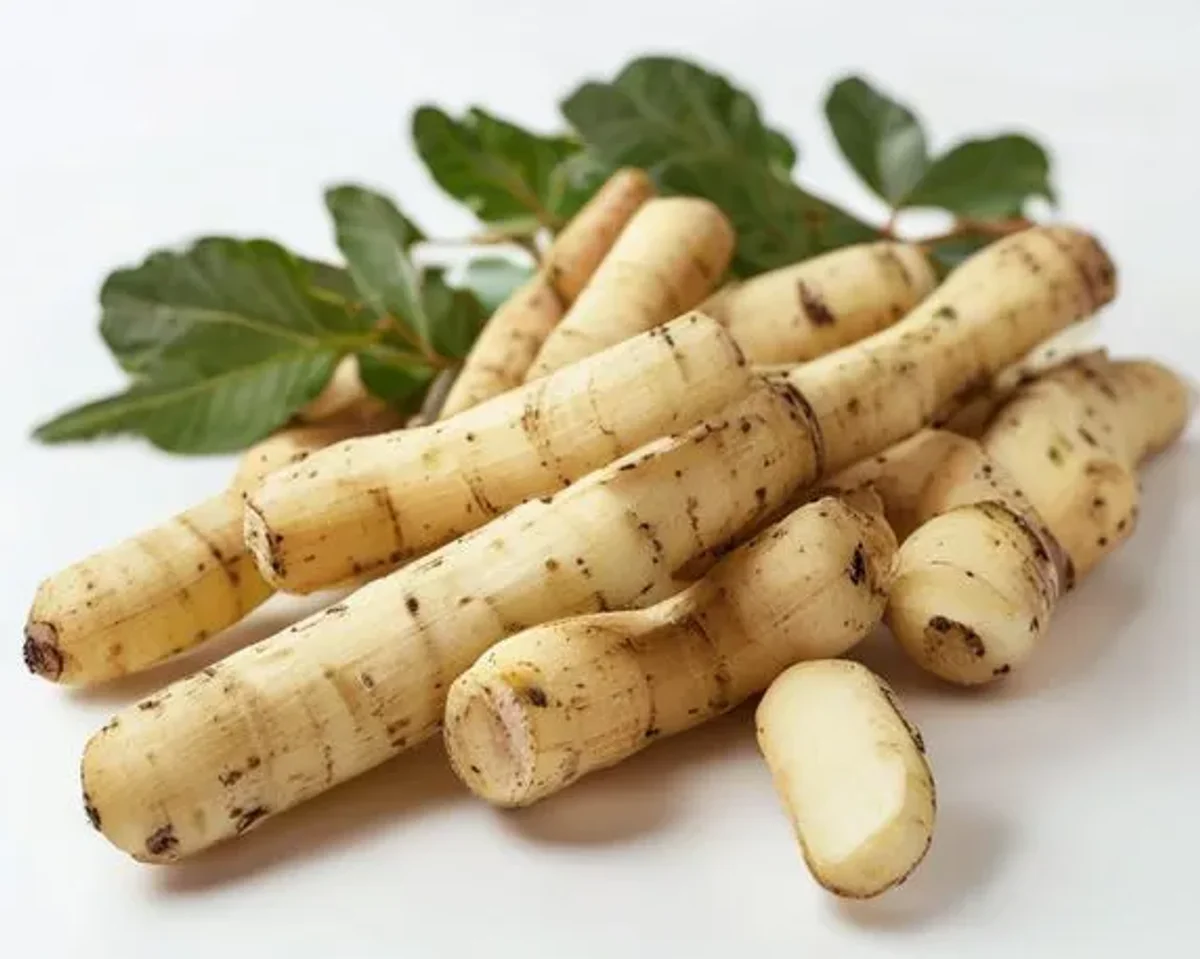
About Cassava
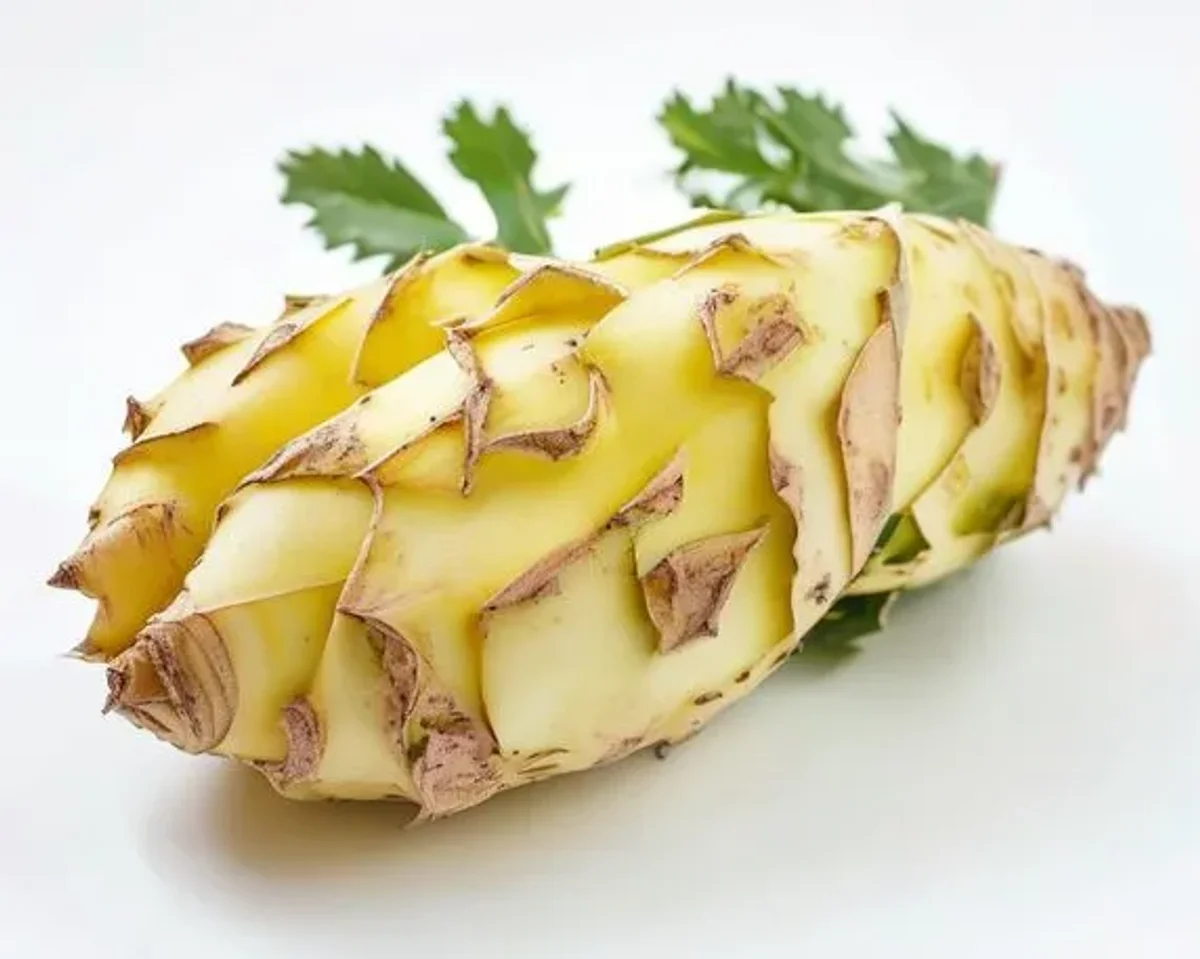
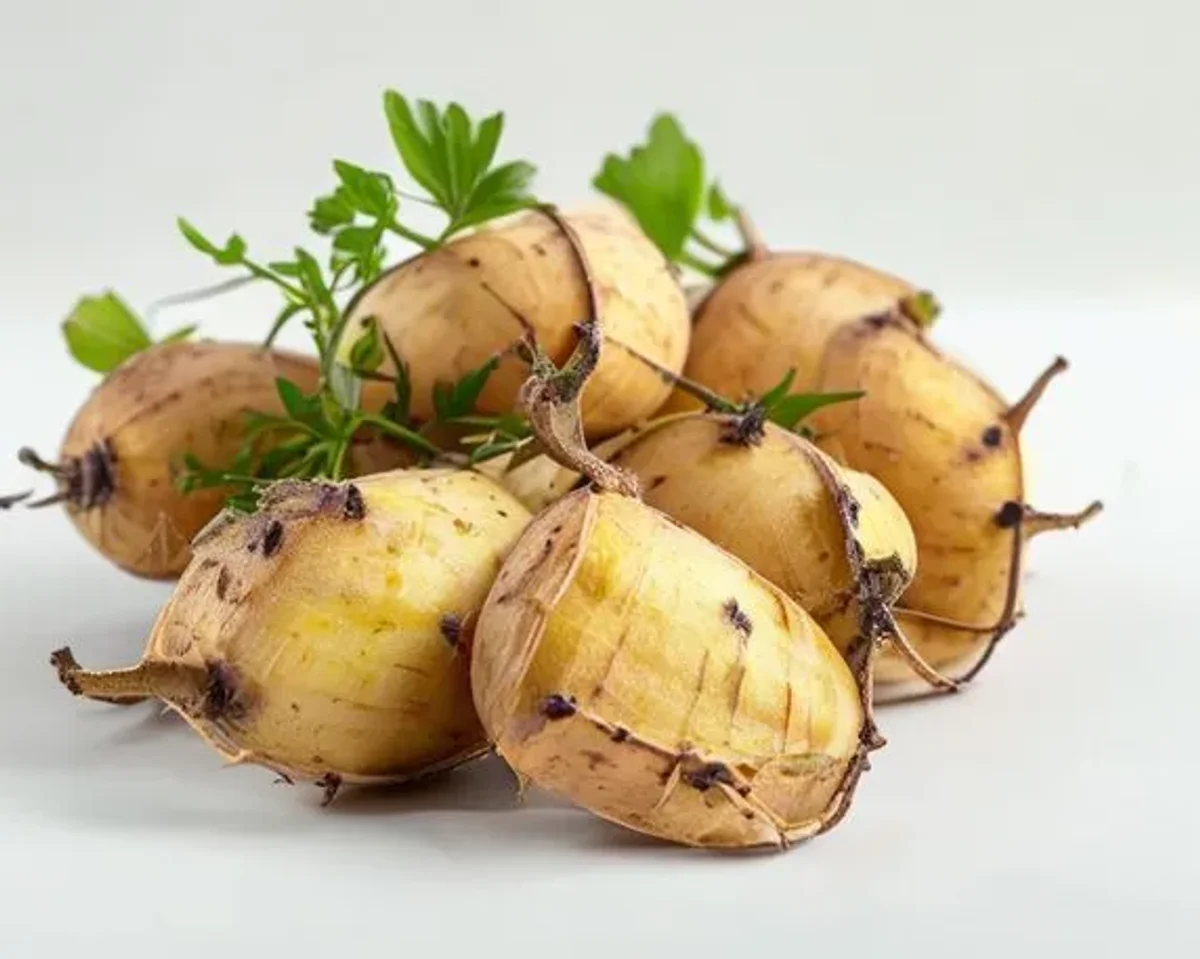
Cassava, also known as yuca, is a root vegetable that is a staple food in many parts of the world.
Cassava is high in carbohydrates and provides some fiber and vitamin C. However, it must be cooked properly to remove toxic compounds.
Lysine Considerations
Lysine, a essential amino acid, is required by the body to synthesize proteins and bolster the immune system.
Lysine has the potential to prevent or treat cold sores, which are blisters caused by the HSV-1 virus, also known as herpes.
Lysine operates by stunting the proliferation of HSV-1, which relies on another amino acid, arginine, to reproduce and infect cells. Lysine can only be acquired through our diet and is present in multiple high-protein foods such as eggs, dairy products, fish, meat, and poultry.
Cassava is not a good source of lysine. A diet low in lysine can lead to symptoms such as fatigue, nausea, dizziness, loss of appetite, agitation, bloodshot eyes, slow growth, anemia, and reproductive disorders.
Arginine Considerations
Arginine is a essential amino acid that your body uses to build proteins.
Arginine has multiple functions in the body, including wound healing, helping the kidneys remove waste products from the body, and maintaining immune and hormone function.
Arginine also plays a role in the replication of the herpes virus, making it a key factor in cold sore outbreaks. The herpes virus requires arginine to grow, replicate, and create new herpes viruses. Foods a great source of arginine, such as nuts and chocolate, may increase the frequency and severity of these outbreaks.
Cassava has a moderate amount of arginine. Arginine is a semi-essential amino acid that plays a role in several bodily functions, including wound healing and immune function. It also helps in nitric oxide synthesis which is important for vascular health.
Lysine-Arginine Ratio Analysis
The lysine-arginine ratio in a food item reflects the relative quantities of these two amino acids. Both lysine and arginine are essential for protein synthesis and various other bodily functions.
They, however, have opposing effects on the herpes simplex virus, which causes cold sores and genital herpes. Lysine can inhibit the replication of the virus, whereas arginine can stimulate it.
Thus, a diet rich in foods with a high lysine to arginine ratio may help relieve the occurrence and severity of herpes outbreaks.
Foods that have a high lysine-arginine ratio include dairy products products, fish, poultry, fruits, and vegetables.
These foods can provide the body with enough lysine to compete with arginine and inhibit the virus from replicating and causing symptoms.
Because Cassava contains much higher levels of arginine than lysine, limiting its consumption is recommended by people who suffer from herpes, as it may trigger outbreaks.
Cassava has more arginine than lysine, which may affect the balance of these amino acids in the body. This imbalance may have implications for certain health conditions, such as viral infections.
Nutrient Density & Portion Control
Nutrient density is a measure of how rich a food is in amino acids relative to portion size. We calculate it as (Lysine + Arginine) / 100, which gives you a quick sense of how much total amino acid content is packed into each 100g serving.
Cassava has a low nutrient density (1.22), which means it contains relatively lower amounts of these amino acids. You can safely enjoy larger portions of this food without worrying as much about amino acid balance, making it a flexible option in your herpes management diet.
💡 Tip: Use the density metric to quickly gauge portion control. High-density foods are nutrient-dense and should be enjoyed mindfully, while low-density foods give you more flexibility in serving sizes.
Dietary Considerations for Herpes Management
Category Overview
Most vegetables are scarce in in calories and rich in in vitamins, minerals, and antioxidants. Many vegetables have more lysine than arginine, such as beets, turnips, tomatoes, soybean sprouts, potatoes, celery, sweet potatoes, summer squash, and green beans. These vegetables can help prevent or treat herpes outbreaks, as lysine can suppress the herpes virus. Other vegetables have more arginine than lysine, such as peas, carrots, broccoli, cauliflower, and mushrooms. These vegetables can still be consumed in moderation, as they have other health benefits.Practical Recommendations
In addition to eating foods that have a high lysine-arginine ratio, there are other dietary recommendations that can help you manage herpes outbreaks. For instance:
A well-balanced and healthy diet that strengthens your immune system and lowers inflammation is important. This means you should eat a lot of fruits, vegetables, whole grains, lean protein, and good fats, and avoid processed foods, added sugars, alcohol, and caffeine.
Drinking enough water to keep yourself hydrated and remove toxins from your body. Water can also help prevent dryness and irritation of the skin and mucous membranes, which can result in fewer outbreaks.
L-lysine supplements can help you prevent herpes outbreaks and stop a cold sore before it develops by depriving the virus of arginine, which it needs to form a cold sore.
Other food supplements, such as vitamin C, zinc, selenium, and antioxidants, can help you boost your immunity and protect your cells from oxidative stress.
Avoiding foods that can cause allergic reactions or sensitivities, such as gluten, dairy, nuts, eggs, or shellfish. These foods can trigger inflammation and weaken your immune system, making you more susceptible to outbreaks.
Eating foods that can soothe your symptoms and speed up your healing process, such as honey, plain yogurt, aloe vera, and chamomile tea. These foods have anti-inflammatory, antiviral, and antibacterial properties that can reduce pain, swelling, and itching, and promote tissue repair.
Is Cassava Safe for Shingles?
Caution advised: Cassava is arginine-dominant. With a lysine-to-arginine ratio of 0.32, this food contains more arginine than lysine.
Arginine can fuel VZV replication by competing with lysine for absorption. Arginine-rich foods can potentially trigger VZV reactivation in susceptible individuals. This doesn't mean avoiding Cassava entirely—it means being intentional about portions and pairings.
Strategy: If you enjoy Cassava, consume it in smaller portions and always pair it with lysine-rich foods. For example, combine nuts with cheese, or legumes with chicken. This approach keeps your overall amino acid balance tilted toward lysine.
⚠ Requires Caution: This food is high in arginine. Monitor your intake and pair with lysine sources to maintain dietary balance.
Medical Disclaimer: This information is for educational purposes only and should not replace professional medical advice. Always consult a healthcare provider before making significant dietary changes, especially if you have active shingles or a history of herpes infections.
Is Cassava high in arginine?
Cassava contains 92.57mg of arginine per 100g serving. This is a moderate amount. If you're managing herpes, monitor your intake of high-arginine foods.
Can I eat Cassava if I have herpes?
Yes, you can eat Cassava. However, the key is understanding its lysine-arginine ratio (0.32) and balancing it with lysine-rich foods. Consult with a healthcare provider about your specific dietary needs.
What is the lysine-arginine ratio of Cassava?
The lysine-arginine ratio of Cassava is 0.32. A ratio below 1 means arginine is more abundant. This ratio helps determine how suitable it is for herpes management.

Image: Bravado Labs Advanced Lysine Immune Boost
Bravado Labs Advanced Lysine Immune Boost
Why we love it:
- Verified Customer Favorite
- High Quality Ingredients
As an affiliate, we earn from qualifying purchases.
Recommended Supplements for Herpes Management
Simplix Viral Defense
Cold Sore & HSV Support
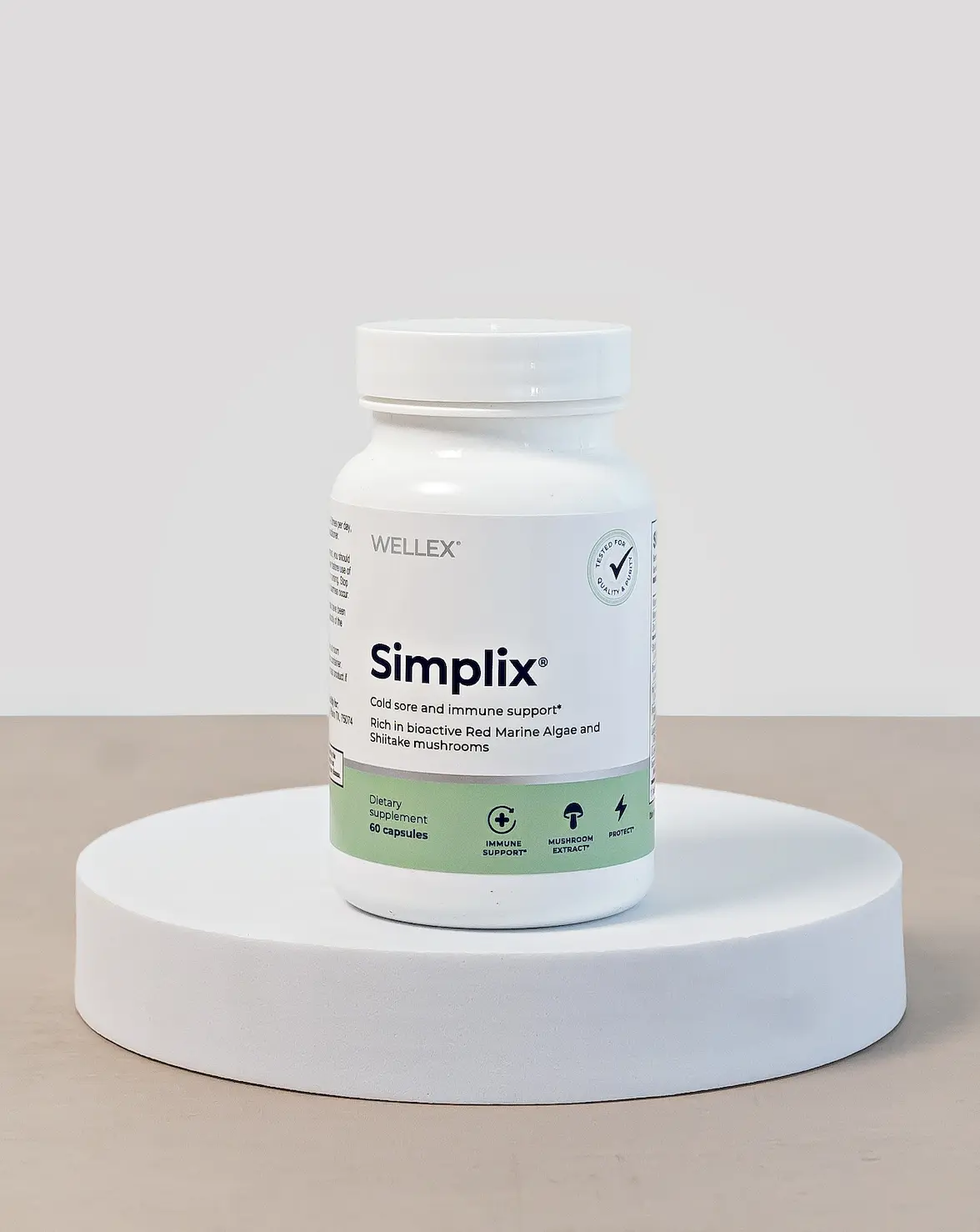
Simplix Viral Defense
Cold Sore & HSV Support
Synergistic formula combining L-Lysine, shiitake mushroom, and marine bioactives for comprehensive immune support.
SHOP NOW & SAVE 15%