It sounds like you’ve just received some news that can feel incredibly daunting, and I want to start by saying: take a deep breath. It’s perfectly natural to feel a whirlwind of emotions right now: shock, sadness, anger, confusion, even a sense of isolation. But please know this: you are not alone, and this is far from the end of the world.
Herpes is a common viral infection affecting millions worldwide. Despite its prevalence, it’s often misunderstood, and unfortunately, a lot of stigma has been unfairly attached to it. My first piece of advice is to be incredibly kind to yourself in this moment.
Simplix Viral Defense
Cold Sore & HSV Support
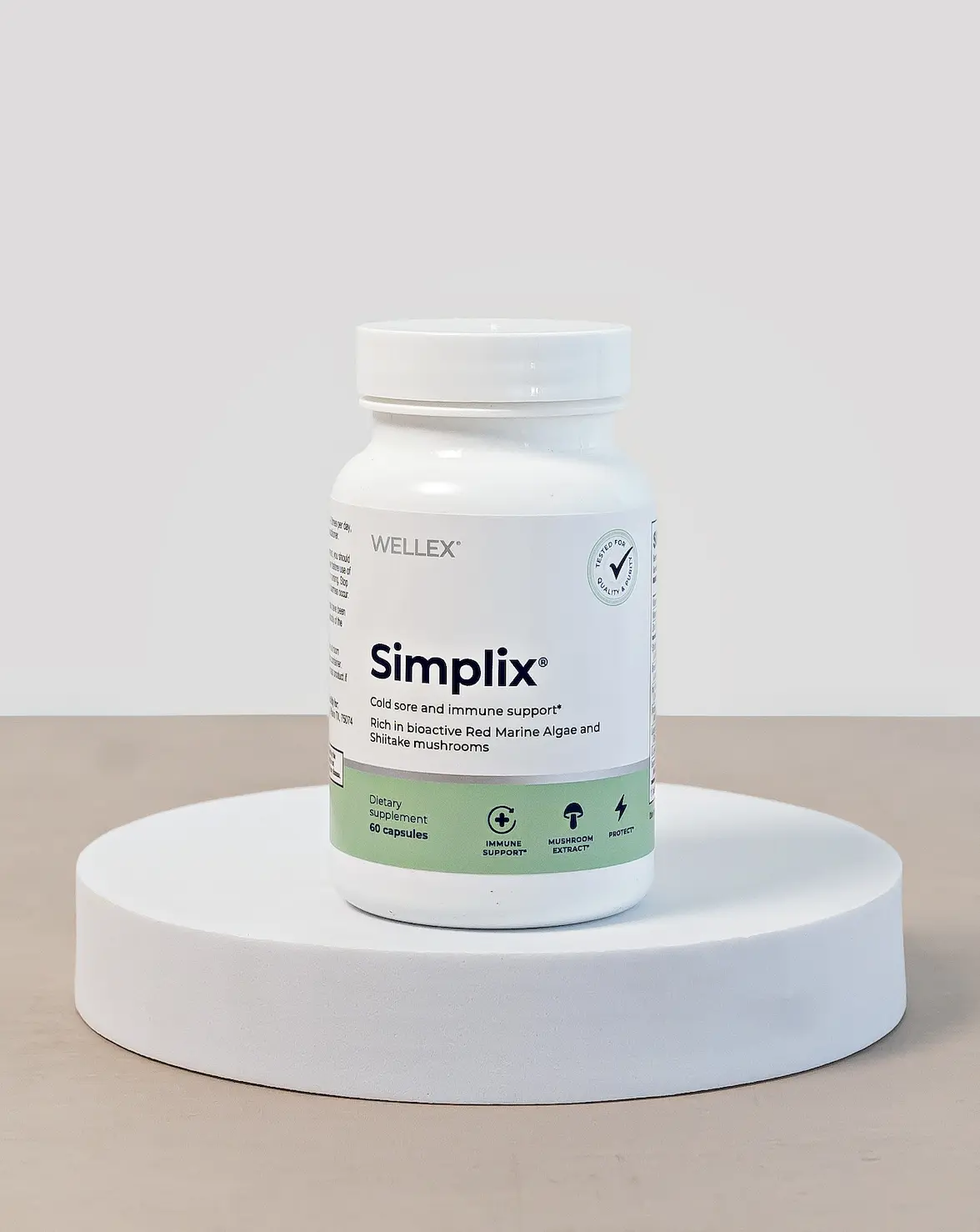
Simplix Viral Defense
Cold Sore & HSV Support
Synergistic formula combining L-Lysine, shiitake mushroom, and marine bioactives for comprehensive immune support.
SHOP NOW & SAVE 15%What Is Herpes? Understanding the Basics
Herpes simplex virus (HSV) comes in two main types: HSV-1 and HSV-2. HSV-1 is most often associated with oral herpes (cold sores), while HSV-2 is the primary cause of genital herpes. Both types can infect either area, and both establish lifelong infections that may reactivate from time to time.
Most people with herpes have mild symptoms or none at all, which is why the virus is so common and often goes undiagnosed. While outbreaks can be uncomfortable, modern treatments and self-care strategies make herpes a manageable part of life.
What To Do After a Herpes Diagnosis
- Connect with a Healthcare Professional: Your doctor, gynecologist, or a sexual health clinic should be your first stop. They can confirm your diagnosis, explain which type of herpes you have, discuss treatment options (such as antiviral medications), and answer your questions about symptoms, management, and safe sex.
- Arm Yourself with Knowledge, Not Fear: After talking to your doctor, turn to reliable sources like the CDC or WHO for information. Understanding how herpes works, what triggers outbreaks, and how to manage it will help you feel in control and reduce anxiety.
- Practice Radical Self-Care: Stress can trigger outbreaks, so focus on nurturing yourself. Prioritize sleep, eat well, and find healthy ways to relax, like meditation, walks, or hobbies. Listen to your body and give yourself grace.
- Open Communication with Partners: If you’re sexually active, it’s important to inform your partners. This conversation can feel daunting, but it builds trust and helps you both make informed choices. Remember, you are disclosing a medical condition, not a moral failing. Many people with herpes have fulfilling relationships and sex lives.
- Find Your Support System: You are not alone. Confide in a trusted friend or family member if you feel comfortable. There are also support groups, both online and in person, where people living with herpes share experiences and encouragement.

Practical Tips for Living Well With Herpes
Managing herpes is about more than just medication. Here are some practical ways to take care of yourself and your relationships:
- Symptom Management: Over-the-counter pain relievers, cool compresses, and loose clothing can help ease discomfort during outbreaks. Your doctor may recommend antiviral medications to reduce the frequency and severity of outbreaks. Natural remedies for herpes and cold sores can also provide complementary relief.
- Preventing Transmission: Avoid sexual contact during outbreaks, use condoms, and don’t share personal items during an active episode. Daily antiviral therapy can further reduce the risk of passing herpes to a partner.
- Emotional Wellbeing: Remember, herpes does not define you. If you’re struggling with feelings of shame or isolation, seek out counseling or join a support group. Many find strength and comfort in connecting with others who understand.
- Looking Ahead: With the right information, support, and care, most people with herpes lead healthy, happy, and fulfilling lives. This is a new chapter: one that may teach you more about self-compassion, communication, and resilience. Our genital herpes care tips guide covers practical hygiene and comfort measures for day-to-day life.
Living with herpes is a manageable part of life, much like managing allergies or high blood pressure. It doesn’t define you, diminish your worth, or mean the end of love, intimacy, or happiness. Take it one step at a time, and remember: you are stronger and more resilient than you think. You’ve got this.
What to Do After a Herpes Diagnosis: Frequently Asked Questions
What should I do immediately after being diagnosed with herpes?
First, connect with a healthcare professional who can confirm your diagnosis and discuss treatment options. It's important to learn about the type of herpes you have (HSV-1 or HSV-2), how to manage symptoms, and ways to reduce transmission risk. Your doctor can also answer your specific questions and guide you through the next steps.
How can I manage outbreaks and symptoms?
Antiviral medications prescribed by your doctor can help shorten outbreaks and reduce their severity. At home, you can ease discomfort with over-the-counter pain relievers, cool compresses, and wearing loose, breathable clothing. Stress management, good nutrition, and adequate sleep also support your immune system and may help reduce outbreaks.
Do I need to tell my sexual partners?
Yes. Open and honest communication with current and future sexual partners is important for building trust and reducing transmission. Remember, disclosing herpes is sharing a medical condition, not a moral failing. Your healthcare provider can offer advice on how to have this conversation.
Can herpes be transmitted even if I don’t have symptoms?
Yes. Herpes can be spread through asymptomatic viral shedding, meaning the virus can be transmitted even when no sores or symptoms are visible. Using condoms and taking antiviral medication daily can reduce but not completely eliminate the risk of transmission.
Is there a cure for herpes?
Currently, there is no cure for herpes. However, antiviral treatments effectively manage symptoms, reduce the frequency of outbreaks, and lower the risk of passing the virus to others.
Where can I find support and more information?
Support groups, both online and in person, can provide emotional comfort and practical advice. Trusted health organizations like the CDC and WHO offer reliable information. Talking with a counselor or joining a support community can help you cope with feelings of isolation or stigma.
Should I get tested for other sexually transmitted infections (STIs)?
Yes. It’s recommended to get tested for other STIs when diagnosed with herpes, as co-infections are common. Your healthcare provider can guide you on appropriate testing based on your sexual history and risk factors.
How can I reduce the risk of transmitting herpes to my partner?
Abstain from sexual activity during outbreaks, use condoms consistently, and consider daily antiviral therapy if recommended by your doctor. Open communication and regular medical follow-up are key to managing transmission risk.
Can herpes affect pregnancy or newborns?
Herpes can be transmitted from mother to baby during childbirth, which can cause serious complications. Pregnant women with herpes should inform their healthcare provider to receive appropriate monitoring and treatment to reduce risks to the newborn.

Image: Bravado Labs L-Lysine Cold Sore Treatment
Bravado Labs L-Lysine Cold Sore Treatment
Why we love it:
- Verified Customer Favorite
- High Quality Ingredients
As an affiliate, we earn from qualifying purchases.