Herpes simplex virus (HSV) affects billions globally, with HSV-1 causing oral herpes and HSV-2 primarily responsible for genital infections.
Despite effective antiviral treatments, there is still no cure, largely due to the virus’s ability to hide in nerve cells and evade elimination.
Antiviral drugs help manage symptoms and reduce transmission but cannot remove the virus from the body once infection is established.
Why herpes is so difficult to treat
After infecting the skin or mucous membranes, HSV travels along nerve fibers to sensory ganglia, where it enters a dormant state called latency.
In this state, the viral DNA remains in the neuron’s nucleus as a circular episome, producing very few viral proteins.
This limited viral activity means the immune system cannot detect or attack the virus effectively.
Neurons also have a specialized immune environment that minimizes inflammation, protecting both the nerve cells and the virus. Because the virus is inactive and hidden in neurons, current antiviral drugs, which target replicating virus, cannot reach or eliminate latent HSV.
Herpes avoids the immune system and stays dormant for life
HSV uses multiple strategies to maintain latency and avoid immune detection.
It modifies its DNA packaging to silence most viral genes and produces microRNAs that block viral replication.
The virus also disrupts the host’s antigen presentation, preventing immune cells from recognizing infected neurons.
This stealth mode allows HSV to persist lifelong and reactivate periodically under triggers like stress or illness.
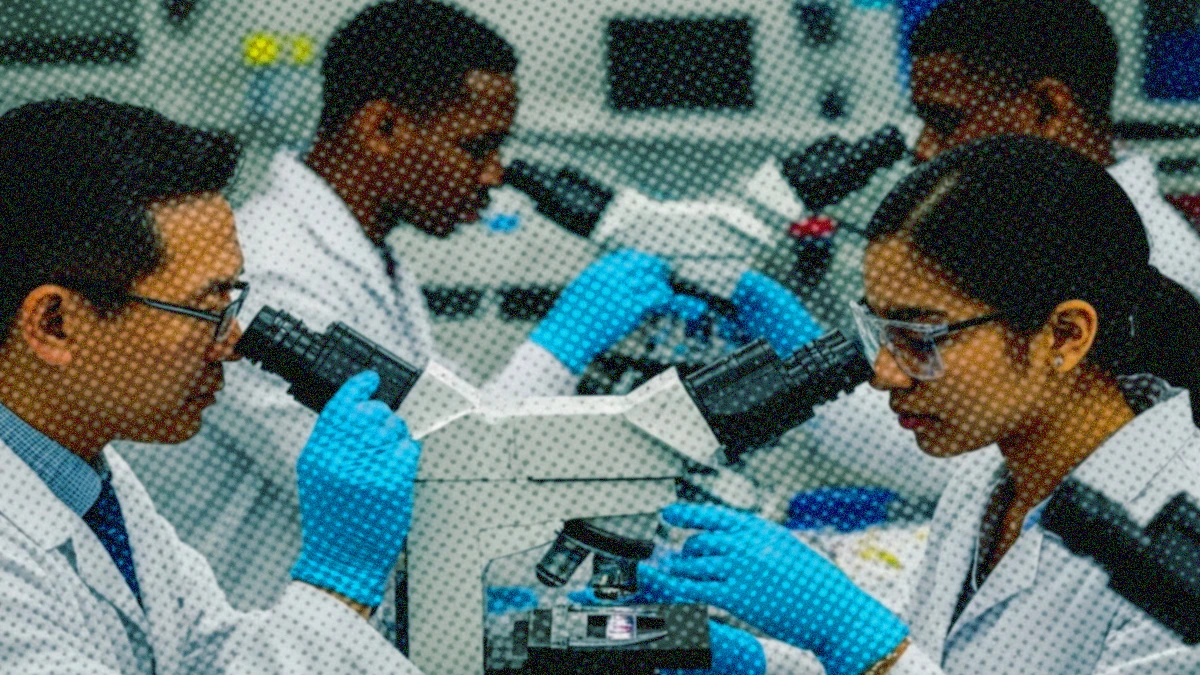
Antiviral medications such as acyclovir and valacyclovir inhibit viral DNA replication during active outbreaks, reducing symptoms and contagiousness.
However, these drugs require the virus to be actively replicating to work.
During latency, the virus does not replicate or produce the proteins targeted by these drugs, so it remains untouched.
Delivering treatments that can reach and safely eliminate latent virus in neurons remains a major scientific hurdle.
As a result, herpes management focuses on controlling outbreaks and transmission rather than curing the infection.
What progress has been made in developing herpes vaccines?
Gene editing could revolutionize herpes treatment
Gene editing technologies such as CRISPR and engineered meganucleases offer a promising new approach by directly targeting and disabling latent HSV DNA within nerve cells.
Preclinical studies, including those from Fred Hutchinson Cancer Center, have demonstrated over 90% reduction in viral DNA in animal models, indicating potential for a functional cure.
Unfortunately, challenges remain in safely delivering gene editors to neurons, avoiding off-target effects, and ensuring long-term safety before human clinical trials can begin.
New antiviral drugs and combination therapies on the horizon
Besides gene editing and vaccines, novel antiviral agents are being developed to improve herpes management.
Helicase-primase inhibitors like ABI-5366 show promise for longer-lasting viral suppression with less frequent dosing.
Combining antivirals with immune modulators or gene editing tools may enhance treatment effectiveness by attacking the virus on multiple fronts.
Advances in personalized medicine and diagnostics could also help tailor therapies to individual patients, optimizing outcomes.
Why a cure for herpes is still a long-term goal
The main barrier to curing herpes is the virus’s ability to remain dormant and hidden in nerve cells, inaccessible to current treatments. The biological complexity requires innovative approaches that can safely target latent virus without damaging neurons.
While promising technologies like gene editing and vaccines are advancing, extensive research, funding, and clinical trials are still needed to bring a cure to patients.
Why Is There No Cure for Herpes? FAQs
Why can’t herpes be cured with the medicines we have now?
Current antiviral drugs only work when the virus is actively replicating. Herpes hides quietly in nerve cells without making new virus particles, so these drugs can’t reach or affect it during this dormant phase. This means the virus stays in the body for life, even if symptoms are controlled.
That’s why treatments help manage outbreaks but don’t get rid of the virus completely.
How does herpes manage to stay hidden in nerve cells?
After infecting the skin or mucous membranes, herpes travels along nerves to clusters called ganglia, where it goes into a sleeping state. In this state, the virus’s DNA stays inside the nerve cell’s nucleus but produces very few proteins, so the immune system can’t detect it.
Plus, nerve cells have a special immune environment that limits inflammation, giving the virus a safe place to hide for years.
Is it true that herpes can stay inactive for decades without causing problems?
Yes, herpes can remain dormant for many years—even decades—without any symptoms. It can suddenly reactivate later due to triggers like stress, illness, or sun exposure.
Many people carry the virus for a long time without knowing it until an outbreak occurs.
Could future treatments actually get rid of the dormant herpes virus?
Scientists are working on gene editing tools like CRISPR that can cut out or disable the herpes virus DNA hidden in nerve cells. Animal studies have shown promising results, with significant reductions in the virus.
But safely delivering these treatments to nerve cells and proving they work long-term in humans is still a big challenge.
Why has it been so hard to develop an effective herpes vaccine?
Herpes is tricky because it hides from the immune system and doesn’t always trigger a strong immune response. Vaccines need to create strong, lasting protection especially at mucosal surfaces where infection starts.
While some vaccine candidates are showing promise in clinical trials, none have yet been approved because the virus’s ability to evade immunity makes it hard to fully block infection or reactivation.

Image: Bravado Labs Advanced Lysine Immune Boost
Bravado Labs Advanced Lysine Immune Boost
Why we love it:
- Verified Customer Favorite
- High Quality Ingredients
As an affiliate, we earn from qualifying purchases.
Recommended Supplements for Herpes Management
Simplix Viral Defense
Cold Sore & HSV Support

Simplix Viral Defense
Cold Sore & HSV Support
Synergistic formula combining L-Lysine, shiitake mushroom, and marine bioactives for comprehensive immune support.
SHOP NOW & SAVE 15%