
Cold sores are uncomfortable, highly visible, and often prompt desperate attempts for quick relief.
While the internet is full of home remedies, many commonly suggested substances can actually make your cold sore worse.
Applying the wrong product can increase pain, cause irritation, or even lead to infection and scarring.
If you’re dealing with a cold sore, stick to proven treatments: antiviral creams, cold compresses, and gentle moisturizers like petroleum jelly.
Keep the area clean, avoid picking, and let the sore heal naturally.
If outbreaks are frequent or severe, consult your healthcare provider for prescription options.
Remember, less is often more when it comes to cold sore care.
Avoid experimenting with harsh or unproven remedies, and focus on keeping the area protected and moisturized for optimal healing.
To help your cold sore heal faster and more comfortably, it’s essential to only use products that promote healing and aren't going to make things worse.
Below, a list of items you should never apply to a cold sore, no matter how tempting the “hack” might seem.
8 Things You Should Never Put on a Cold Sore
1.
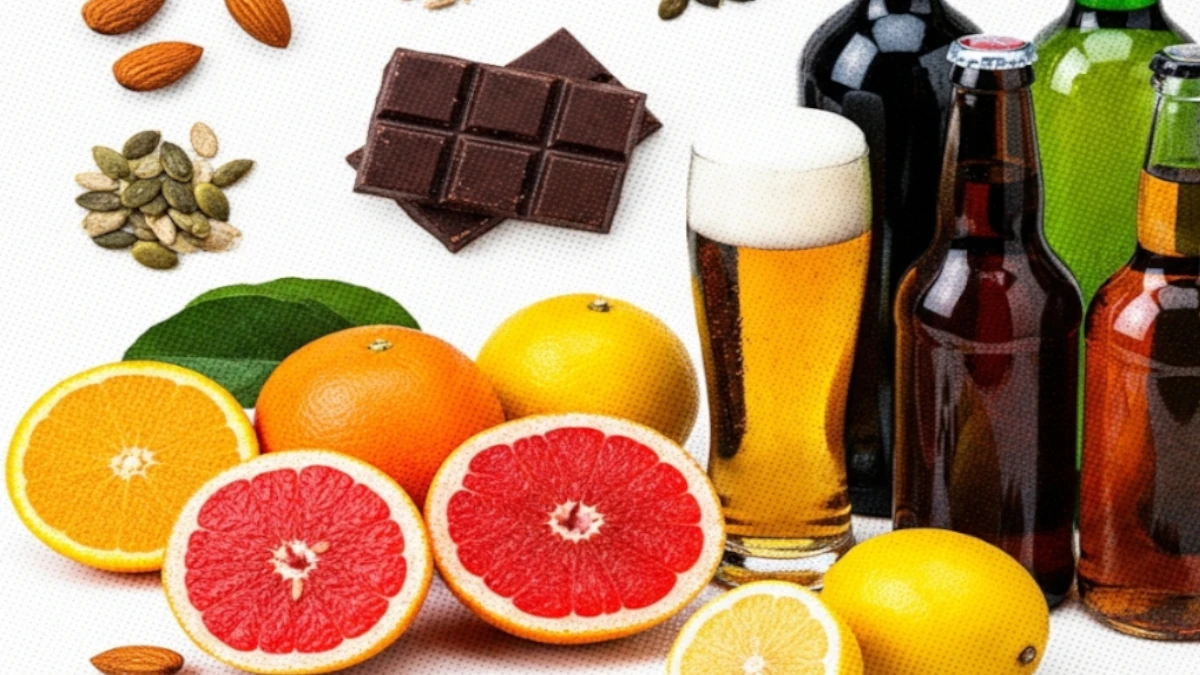
Lemon Juice Lemon juice is often praised for its antibacterial properties and is a staple in many DIY skincare routines.
However, its high acidity makes it a terrible choice for treating cold sores.
The citric acid in lemon juice can cause intense stinging and burning when applied to broken or sensitive skin, which is exactly what you’re dealing with during a cold sore outbreak.
Applying lemon juice to a cold sore can increase inflammation and redness, making the sore appear even worse.
The irritation may also lead to more scabbing and cracking, which can slow down the healing process significantly.
In some cases, the acid can damage healthy skin cells surrounding the sore, increasing your risk of secondary infection.
There is no scientific evidence that lemon juice has any effect on the herpes simplex virus.
Instead of helping, it’s likely to make your cold sore more painful and prolong your discomfort.
2.
Aftershave Aftershave is formulated for use on tough, unbroken skin—typically after shaving facial hair.
It contains alcohol and strong fragrances that can cause a burning sensation when applied to any open wound, including cold sores.
The alcohol in aftershave can dry out the skin, stripping away natural oils that are essential for healing.
This dryness can lead to cracking and bleeding, which not only hurts but also increases the risk of bacterial infection.
Fragrances and other chemicals in aftershave can further irritate the skin around your cold sore, leading to increased redness and swelling.
In short, aftershave may make your cold sore look and feel much worse, and it does nothing to speed up healing.
3.
Nail Polish Remover (Acetone) Nail polish remover is one of the harshest chemicals you can find in a typical household.
Most removers contain acetone, a solvent that is extremely drying and irritating to the skin.
Applying nail polish remover to a cold sore can cause immediate burning and even chemical burns.
Acetone strips away moisture and damages the protective barrier of your skin.
This can result in severe irritation, blistering, and even scarring.
The risk of infection also goes up dramatically when you apply such harsh chemicals to broken skin.
There is absolutely no benefit to using nail polish remover on a cold sore.
It will not kill the herpes virus, and it can leave you with a much bigger problem than you started with.
4.
Foot Creams (Including Urea Cream and Athlete’s Foot Cream) Foot creams are designed for thick, callused skin and are far too harsh for the delicate area around your lips.
Urea creams, in particular, are formulated to break down tough skin and can cause significant irritation when applied to a cold sore.
Athlete’s foot creams often contain antifungal agents that are not only unnecessary for a viral infection but can also provoke allergic reactions and further irritation.
These medications are not intended for use on the face or on broken skin, and their misuse can lead to redness, swelling, and delayed healing.
Applying foot creams to a cold sore can make the area more uncomfortable, increase the risk of complications, and do nothing to address the underlying viral infection.
5.
Bleach Bleach is a powerful disinfectant used for cleaning surfaces, not for treating skin conditions.
Applying bleach to a cold sore can cause immediate and severe chemical burns, intense pain, and permanent skin damage.
Bleach does not kill the herpes simplex virus in or on your skin, and its application can destroy healthy tissue, leaving you vulnerable to secondary infections and scarring.
The risk of long-term damage far outweighs any perceived benefit.
Never use bleach on your skin for any reason, especially not on sensitive or broken areas like a cold sore.
6.
Hand Sanitizer Although hand sanitizer contains alcohol and is effective for killing germs on the hands, applying it directly to a cold sore is not recommended.
The high alcohol content can cause intense dryness, burning, and irritation on the already sensitive and broken skin of a cold sore.
A recent pilot study found that using 70% ethanol hand sanitizer on cold sores did not significantly improve healing time, lesion size, pain, or discomfort compared to control treatments.
This suggests hand sanitizer offers no real benefit for cold sore treatment and may increase irritation.
Overuse of hand sanitizer on cold sores can also lead to cracked, flaky skin and potentially worsen symptoms.
It’s best to avoid applying hand sanitizer directly to cold sores and instead use products specifically formulated for cold sore care.
7.
Hydrogen Peroxide (in High Concentrations) Hydrogen peroxide is sometimes used to clean minor cuts and scrapes, but it is too harsh for cold sores, especially in high concentrations.
While it can kill bacteria, it also damages healthy skin cells that are necessary for healing.
Overuse of hydrogen peroxide can lead to increased pain, delayed healing, and more pronounced scabbing.
If you do use it, make sure it’s heavily diluted and rinse thoroughly—but most dermatologists recommend avoiding it altogether for cold sores.
There are safer, more effective ways to keep a cold sore clean without risking further damage to your skin.
8.
Rubbing Alcohol Rubbing alcohol is another substance sometimes suggested for drying out cold sores, but it is highly irritating and damaging to sensitive skin.
Applying rubbing alcohol can cause a sharp burning sensation and significant redness.
Alcohol strips away the skin’s natural moisture, leading to excessive dryness, cracking, and even bleeding.
This not only makes the cold sore more painful but also increases your risk of infection and scarring.
There is no evidence that rubbing alcohol speeds up the healing of cold sores.
In fact, it can prolong your recovery and make the outbreak more uncomfortable overall.
Cold Sore Diet FAQs
Can changing my diet really help with cold sores?
Yes, diet can play a role in managing cold sores. Avoiding foods high in arginine, such as nuts, seeds, and chocolate, may help reduce the frequency and severity of outbreaks. Incorporating lysine-rich foods like dairy, fish, and legumes can support healing. However, diet is just one part of overall cold sore management.
Are there specific foods that help heal cold sores faster?
Foods rich in lysine, an amino acid that may inhibit herpes simplex virus replication, can be beneficial. Examples include yogurt, cheese, fish, chicken, and legumes. Staying well-hydrated and maintaining a balanced diet with plenty of fruits and vegetables also supports immune function and healing.
Is it necessary to avoid all arginine-rich foods permanently?
Not necessarily. While limiting arginine-rich foods during active cold sore outbreaks can help, complete avoidance is usually not required once the sore has healed. Balancing arginine intake with lysine-rich foods is a more practical approach for most people.
Can caffeine or alcohol trigger cold sores?
For some individuals, caffeine (found in coffee and sodas) and alcohol can act as triggers by dehydrating the body or weakening the immune system. If you notice these beverages worsen your outbreaks, it’s best to limit or avoid them during flare-ups.
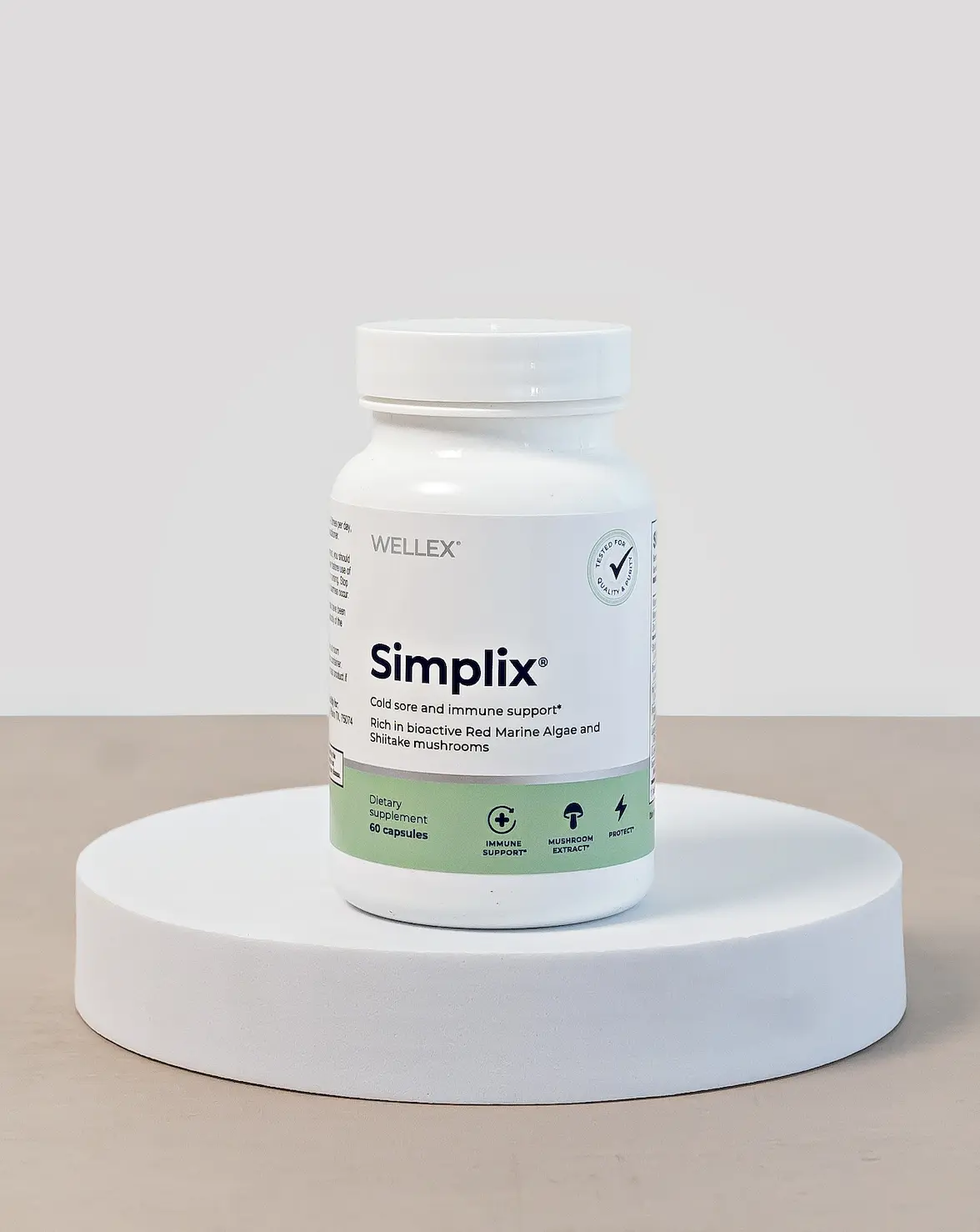
Image: Simplix Viral Defense
Simplix Viral Defense
Why we love it:
- Specifically formulated to reduce cold sore outbreaks
- Contains L-Lysine, Red Marine Algae, and Lemon Balm
- Supports immune system during viral challenges
- Helps manage stress-triggered outbreaks
Recommended Supplements for Herpes Management
Simplix Viral Defense
Cold Sore & HSV Support
Simplix Viral Defense
Cold Sore & HSV Support
Synergistic formula combining L-Lysine, shiitake mushroom, and marine bioactives for comprehensive immune support.
SHOP NOW & SAVE 15%