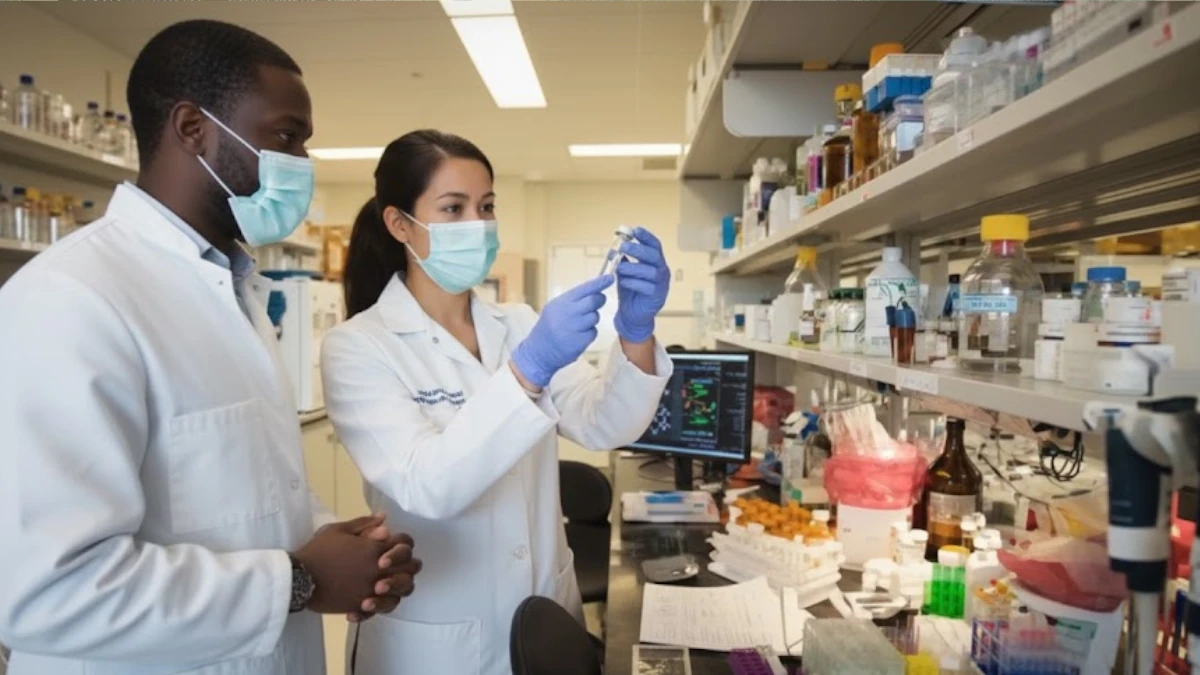
Herpes is a widespread viral infection caused by the herpes simplex virus (HSV), which exists in two main types: HSV-1 and HSV-2.
HSV-1 primarily causes oral herpes, commonly known as cold sores, while HSV-2 mainly causes genital herpes.
Both types can cause sores around the mouth or genital areas, and either type can infect either location. HSV is a lifelong infection with no cure, but it can be effectively managed with antiviral medications and lifestyle adjustments.
Advances in treatment and understanding of the virus have improved quality of life for many living with herpes.
Early diagnosis, education, and support are key to managing symptoms and reducing transmission risk.
Understanding HSV-1 and HSV-2: Transmission and Differences
HSV-1 and HSV-2 are closely related but distinct viruses, both capable of causing sores on the mouth or genitals.
Transmission occurs primarily through direct skin-to-skin or mucous membrane contact, such as kissing, oral sex, or sexual intercourse.
While HSV-1 is traditionally associated with oral herpes and HSV-2 with genital herpes, either virus can infect either site. For example, HSV-1 can cause genital herpes through oral-genital contact. Asymptomatic viral shedding — when the virus is active on the skin without visible sores — contributes significantly to herpes transmission, making it important to take precautions even when no symptoms are present.
Recognizing Herpes Symptoms and Outbreak Patterns
Herpes symptoms vary widely among individuals. Some experience painful blisters and sores, while others have mild or no symptoms at all.
The first outbreak is often the most severe, sometimes accompanied by flu-like symptoms such as fever, headache, and swollen lymph nodes.
Herpes sores typically begin as small blisters that rupture and form painful ulcers, healing over 2 to 4 weeks.
Subsequent outbreaks tend to be shorter and less intense, though frequency varies by person.
Many people experience prodromal symptoms—tingling, itching, or burning sensations—before sores appear, which can help in early treatment.
Effective Treatments and Lifestyle Strategies for Managing Herpes
While there is no cure for herpes, antiviral medications such as acyclovir, valacyclovir, and famciclovir effectively reduce the severity and duration of outbreaks.
Daily suppressive therapy can also lower the frequency of recurrences and reduce transmission risk to partners.
Complementing medication with lifestyle changes—such as stress management, adequate sleep, balanced nutrition, and avoiding known triggers—can improve outbreak control.
Using barrier protection like condoms during sexual activity further reduces transmission risks, though it does not eliminate them entirely.
Preventing Herpes Transmission: Best Practices
Herpes is most contagious during active outbreaks when sores are present, but transmission can also occur during asymptomatic shedding.
To reduce risk, avoid sexual contact during outbreaks and use condoms consistently.
Open communication with sexual partners about herpes status is vital for informed decision-making and emotional support.
Abstinence or mutually monogamous relationships with uninfected partners remain the most effective prevention strategies.
Living Well with Herpes: Support and Outlook
Living with herpes can be challenging emotionally and physically, but many people lead full, healthy lives with proper management.
Education, support groups, and counseling can help address stigma and improve mental well-being.
Regular medical care and adherence to treatment plans help minimize outbreaks and reduce transmission risks.
Remember, herpes is a common condition affecting millions worldwide, and having it does not define your worth or relationships.
Herpes FAQs
What is herpes?
Herpes simplex virus (HSV) is a common viral infection with two main types: HSV-1, which usually causes oral herpes (cold sores), and HSV-2, which primarily causes genital herpes. Both types can cause sores in either area and establish lifelong infections.
How is herpes transmitted?
Herpes spreads through direct skin-to-skin or mucous membrane contact, such as kissing, oral sex, or genital contact. Transmission can occur even when no visible sores or symptoms are present due to asymptomatic viral shedding.
What are the typical symptoms of herpes?
Symptoms range from painful blisters and ulcers to mild or no symptoms at all. The initial outbreak is often the most severe, with possible flu-like symptoms. Recurrences tend to be less intense and shorter in duration.
Is there a cure for herpes?
Currently, there is no cure for herpes. However, antiviral medications can effectively manage symptoms, reduce the frequency and severity of outbreaks, and lower the risk of transmission to others.
Can herpes be transmitted when there are no visible sores?
Yes. Herpes can be transmitted through asymptomatic viral shedding, meaning the virus is active on the skin without causing symptoms. This is why precautions are important even when sores are not present.
How can I reduce the risk of transmitting herpes to my partner?
Using condoms consistently, taking daily antiviral medication, avoiding sexual contact during outbreaks, and openly communicating with your partner about your herpes status are key strategies to reduce transmission risk.
Can lifestyle changes help manage herpes outbreaks?
Yes. Managing stress, getting adequate sleep, maintaining a balanced diet, and avoiding known triggers can help reduce the frequency and severity of herpes outbreaks.
Is it safe to have children if I have herpes?
Many people with herpes have healthy pregnancies and babies. However, it’s important to inform your healthcare provider so they can manage the pregnancy to reduce the risk of neonatal herpes, especially if active sores are present near delivery.
Does herpes affect overall health or life expectancy?
Herpes is generally a manageable condition and does not affect life expectancy. With proper treatment and care, most people live healthy, normal lives.

Image: Bravado Labs Advanced Lysine Immune Boost
Bravado Labs Advanced Lysine Immune Boost
Why we love it:
- Verified Customer Favorite
- High Quality Ingredients
As an affiliate, we earn from qualifying purchases.
Recommended Supplements for Herpes Management
Simplix Viral Defense
Cold Sore & HSV Support
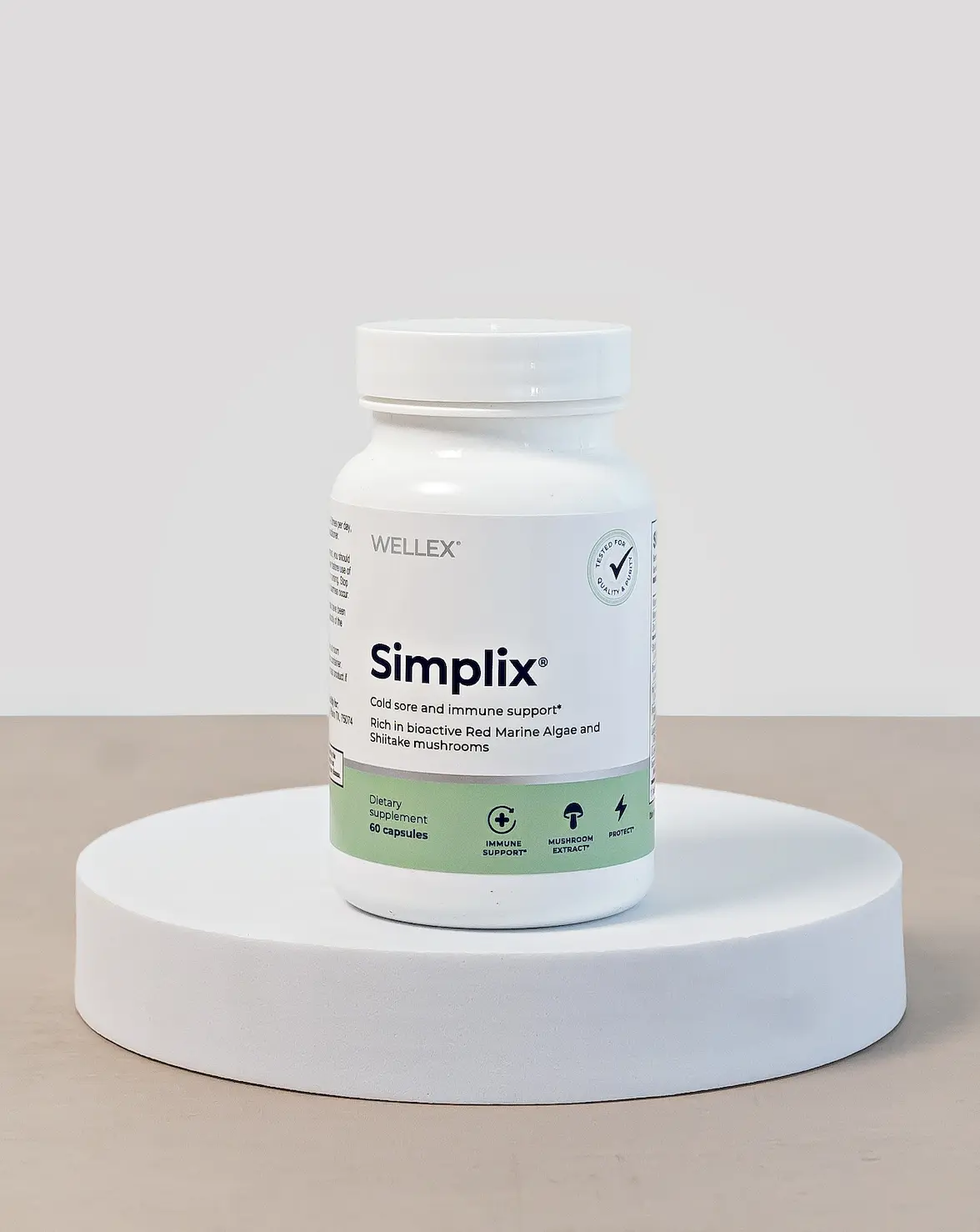
Simplix Viral Defense
Cold Sore & HSV Support
Synergistic formula combining L-Lysine, shiitake mushroom, and marine bioactives for comprehensive immune support.
SHOP NOW & SAVE 15%