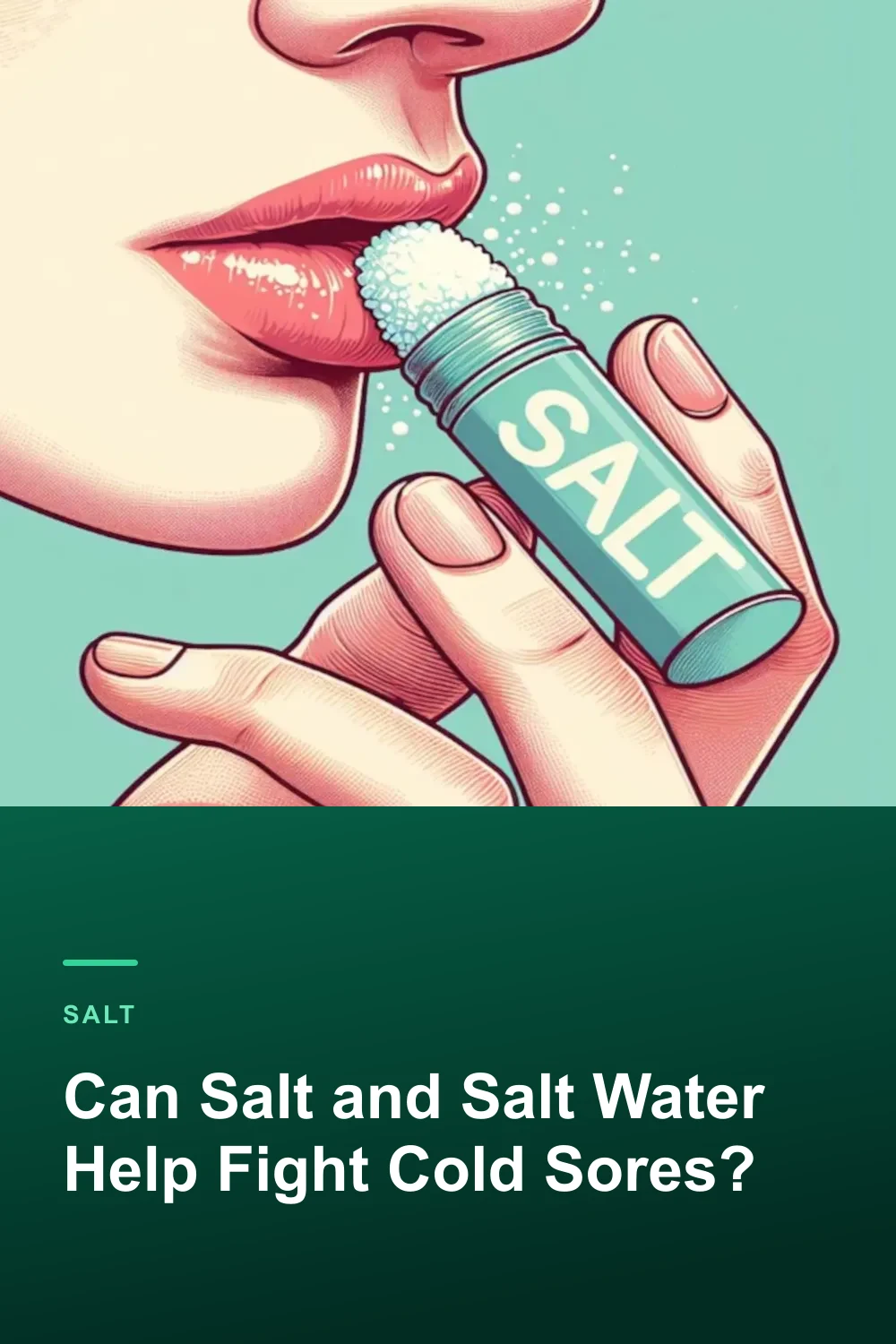
Salt has been used as a home remedy for various ailments, including cold sores.
But does salt really help fight cold sores?
Salt, specifically sodium chloride, can help dry out the fluid-filled blisters of a cold sore, which may reduce viral shedding and speed up the healing process.
However, the effectiveness of this treatment can vary greatly from person to person, and while it may provide temporary relief, salt is not a cure for the herpes simplex virus, the cause of cold sores.
Simplix Viral Defense
Cold Sore & HSV Support
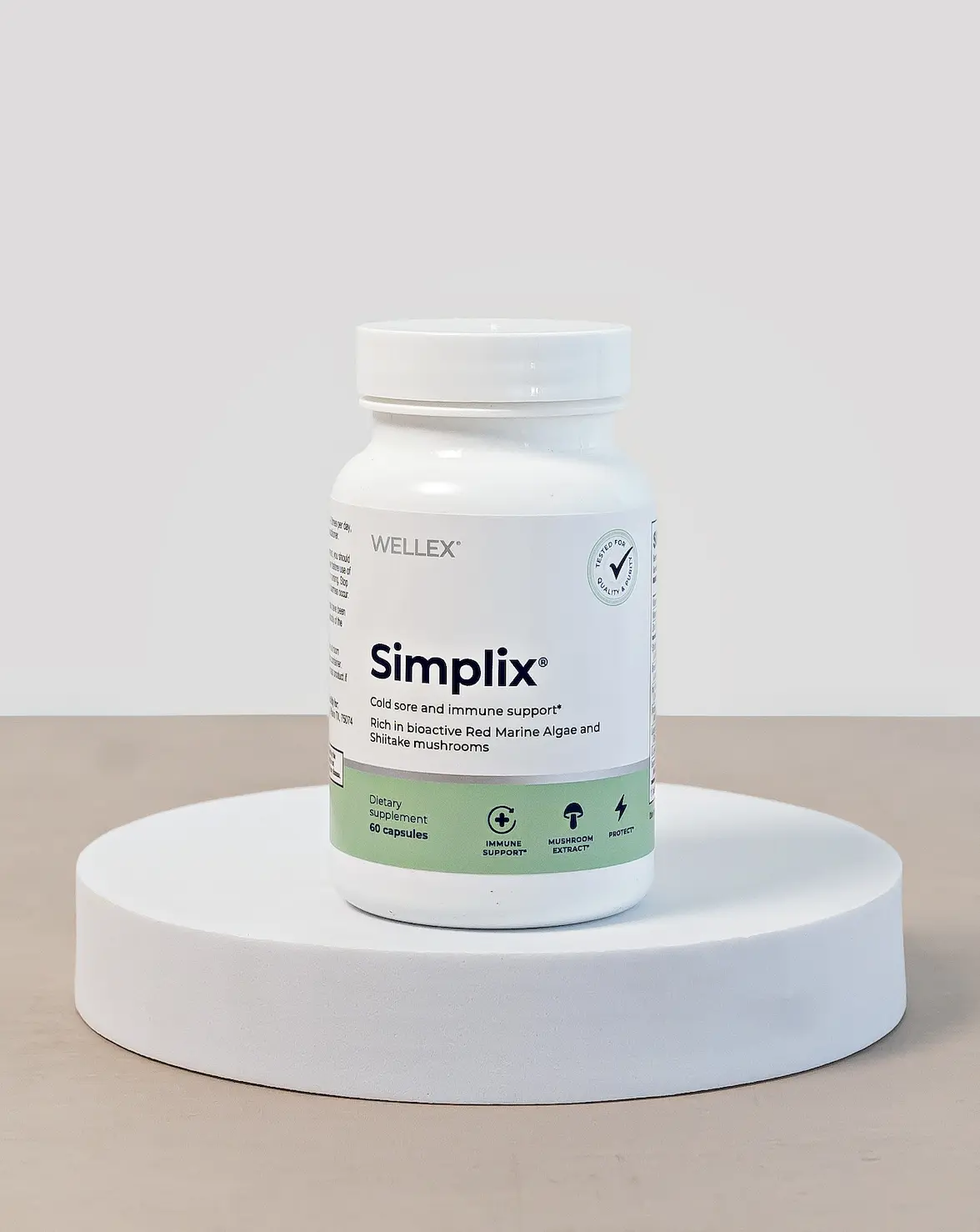
Simplix Viral Defense
Cold Sore & HSV Support
Synergistic formula combining L-Lysine, shiitake mushroom, and marine bioactives for comprehensive immune support.
SHOP NOW & SAVE 15%The Use of Salt in Treating Cold Sores
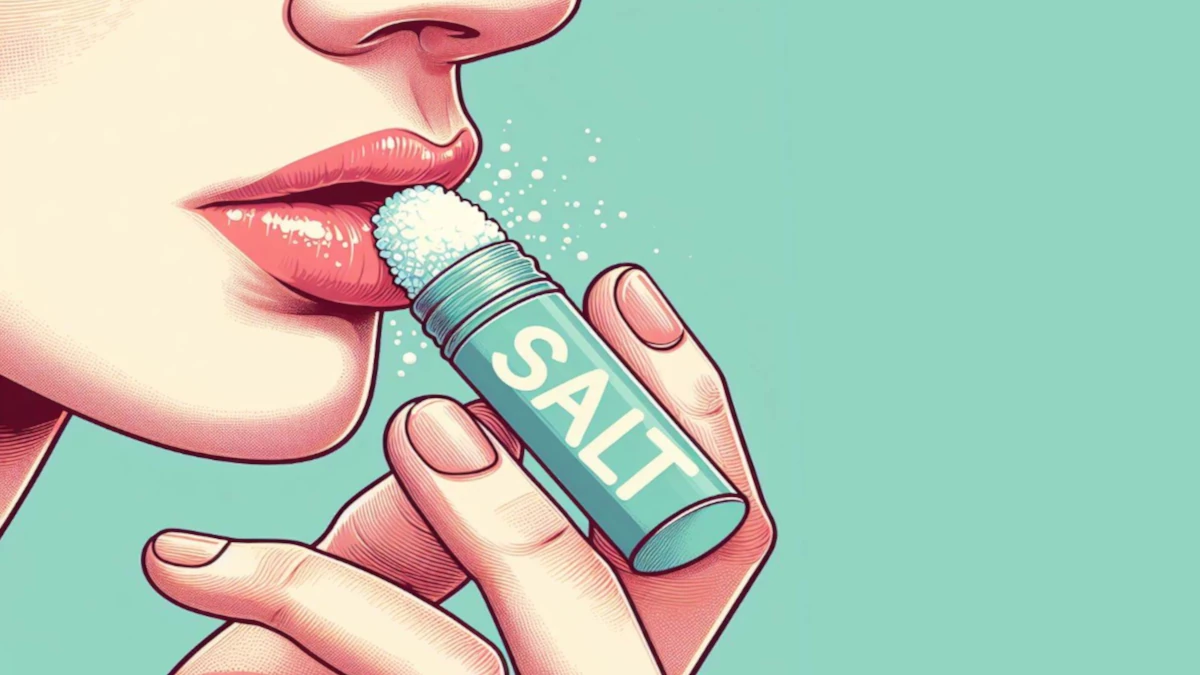
Applying salt directly to a cold sore may help dry it out faster, reducing its size and discomfort. This is because salt is a desiccant, meaning it absorbs moisture and promotes drying. However, this method can sting, especially when the cold sore is broken.
It's also important to note that while salt may help dry out a cold sore, it doesn't necessarily speed up the healing process. The most efficient way to get rid of cold sores is with oral antiviral medications, which inhibit viral replication and help outbreaks resolve faster.
The Role of Salt Water in Cold Sore Treatment
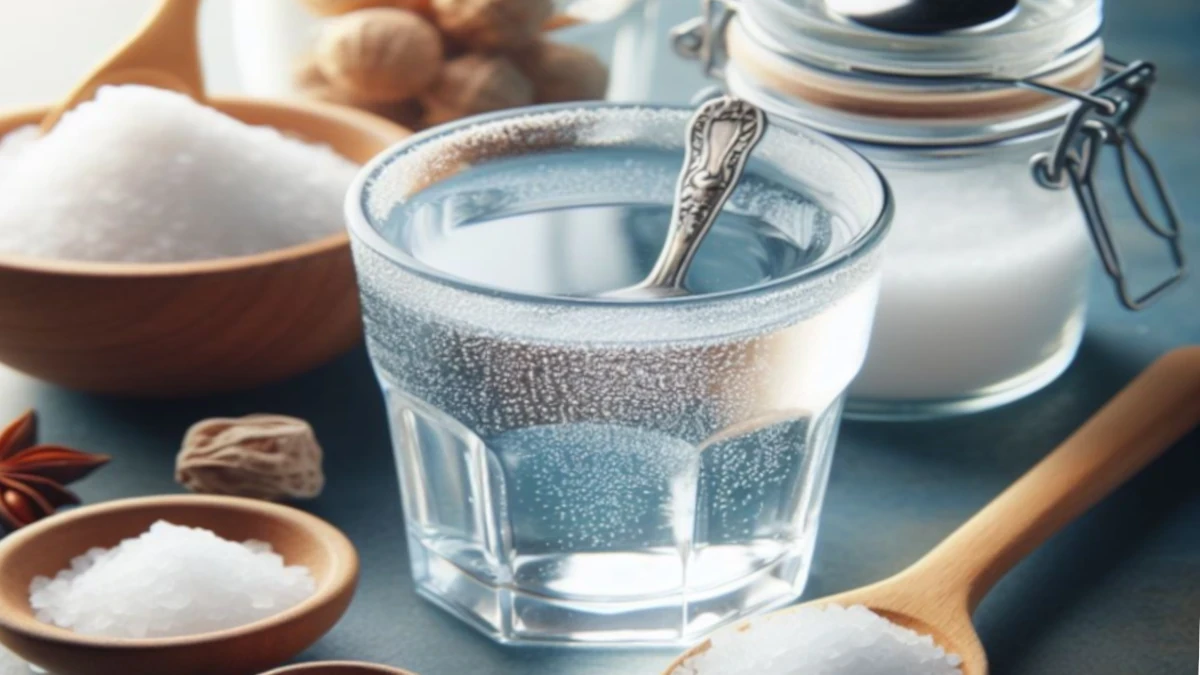
Another common method is using salt water as a rinse or gargle, especially for cold sores inside the mouth. Salt water can help clean the area and prevent secondary infections. However, similar to direct salt application, salt water rinses do not necessarily speed up the healing process of cold sores.
This is because while they can help keep the area clean and prevent bacterial infections, they do not have antiviral properties. Therefore, they cannot kill the herpes simplex virus or prevent it from causing future outbreaks.
Potential Risks and Considerations When Using Salt and Salt Water
While using salt or salt water for cold sores is generally safe, it can cause discomfort, especially if the cold sore is open or raw. Over-drying the cold sore can also lead to cracking and possible secondary infections. Furthermore, excessive salt intake, either orally or topically, can lead to other health issues, such as high blood pressure and dehydration.
As always, it's best to consult with a healthcare professional before starting any new treatment. They can provide you with the most accurate information and recommendations based on your specific situation.
Salt and salt water may help dry out cold sores and provide temporary relief, but their effectiveness varies from person to person and they are not a cure.
For best results, combine gentle care with other proven home remedies or over-the-counter antiviral treatments, and consult a healthcare professional for advice tailored to your situation.
Using Lysine Cream or Lysine Lip Balm
For an effective treatment option, we recommend the Cold Sore Cream with Lysine, Day & Night Relief Combo Pack from Curoxen. Unlike salt, which primarily works as a desiccant to dry out cold sores, lysine works by inhibiting the replication of the herpes simplex virus, which causes cold sores. Lysine is an essential amino acid that can help reduce the frequency and severity of outbreaks.
Additionally, the Curoxen cream contains other beneficial ingredients like Arnica, Lemon Balm, and Olive Extract, which help soothe the skin, reduce inflammation, and promote faster healing. Lysine is an essential amino acid that plays a key role in managing cold sores. It works by inhibiting the replication of the herpes simplex virus (HSV-1), which causes cold sores. By reducing the amount of arginine, an amino acid that promotes viral growth, lysine effectively slows down the outbreak and helps the cold sore heal faster. Using a lysine-based cream or lip balm can provide comprehensive relief and management for cold sores, making it a more effective and holistic option compared to salt.
Cold Sore Cream with Lysine, Day & Night Relief Combo Pack
Fast-acting, multi-symptom cold sore ointment for relief of lips, nose, and other affected areas; contains Arnica, Lemon Balm, and Olive Extract, enhanced with Lysine for maximum protection.

Salt and Cold Sores FAQs
Does salt kill the herpes virus?
No. Salt does not have antiviral properties and cannot kill the herpes simplex virus. It may help dry out a blister and reduce fluid, but it does not affect the virus itself.
Is it safe to put salt directly on a cold sore?
It can cause significant stinging and irritation, especially on broken skin. If you try it, use only a small amount briefly. Many people find the discomfort outweighs any benefit.
How long does a cold sore take to heal with salt?
Salt may slightly speed drying of the blister, but it does not shorten the viral lifecycle. Most cold sores take 7–10 days to heal with or without salt.
Is salt water better than table salt for cold sores?
Yes. A warm salt water rinse is gentler and more appropriate for sores inside the mouth or broken lip sores, as it cleans the area without the abrasive risk of granular salt crystals.
What is more effective than salt for cold sores?
Antiviral creams (acyclovir, docosanol) and lysine-based topical treatments have better evidence behind them than salt. Lemon balm preparations are also a well-studied natural option.
Image: Simplix Viral Defense
Simplix Viral Defense
Why we love it:
- Specifically formulated to reduce cold sore outbreaks
- Contains L-Lysine, Red Marine Algae, and Lemon Balm
- Supports immune system during viral challenges
- Helps manage stress-triggered outbreaks