
Cold sores are painful blisters caused by the herpes simplex virus (HSV-1) that commonly appear around the lips or mouth.
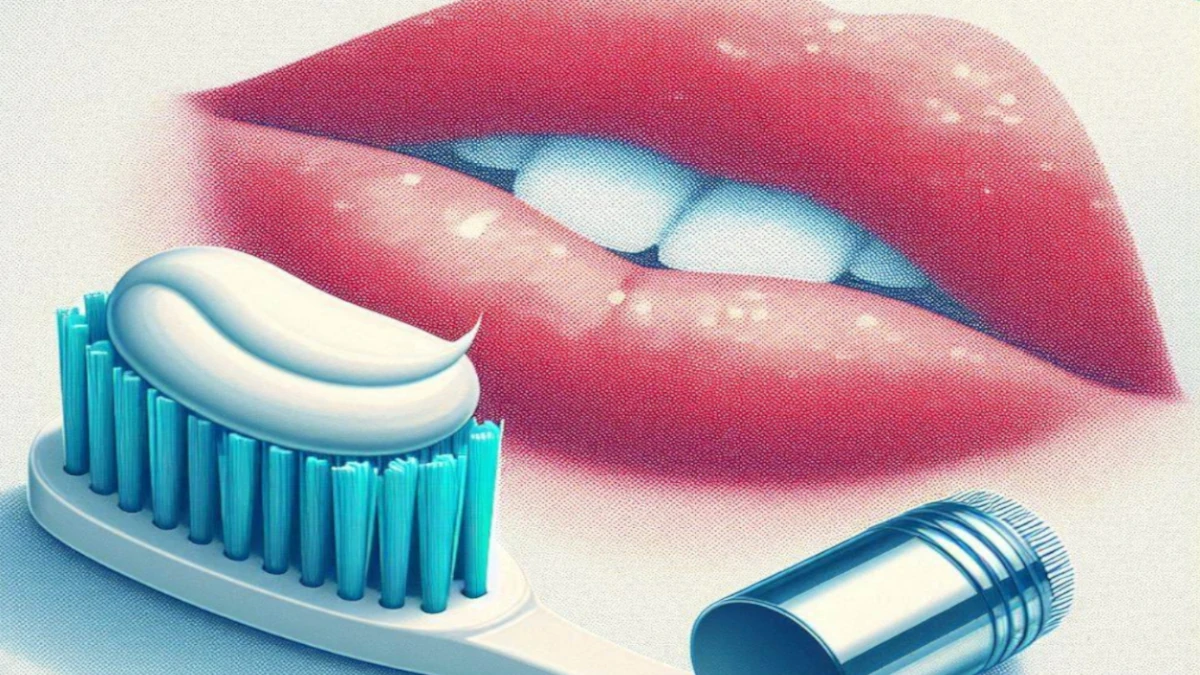
Many people turn to natural remedies for quick relief, and one popular suggestion is using toothpaste as a home treatment.
This article explores the idea of applying toothpaste on cold sores, examining its potential benefits and risks, and compares it to more effective, scientifically supported treatments like lysine-enriched topical ointments that help slow viral replication and promote healing.
The Toothpaste Theory: What’s Behind the Claim?
Toothpaste often contains sodium lauryl sulfate (SLS), a detergent believed by some to inhibit herpes simplex virus activity and dry out cold sore blisters.
This has led to the notion that applying toothpaste at the first sign of tingling or itching might prevent cold sores from fully developing or shorten their duration.
However, scientific evidence is lacking to support these claims, and experts generally advise against relying on toothpaste as a primary treatment due to potential skin irritation and inconsistent results.
Potential Benefits and Limitations of Using Toothpaste
Some individuals report that toothpaste can help dry out cold sores and provide temporary relief from symptoms such as pain and itching, possibly due to the cooling or numbing effect of certain ingredients.
However, toothpaste formulations often contain menthol, flavoring agents, or other chemicals that may irritate sensitive skin around the sore, potentially worsening symptoms.
For safer symptom management, using petroleum jelly (vaseline) to moisturize and protect the area is recommended while the cold sore heals.

Risks and Important Considerations
Applying toothpaste on cold sores can lead to skin irritation, allergic reactions, and prolonged healing, especially for those with sensitive skin.
While it may dry out the blister, toothpaste does not target the underlying viral infection or prevent future outbreaks.
Overuse can exacerbate skin damage.
Instead, antiviral creams or gels containing ingredients like docosanol or acyclovir are clinically proven to reduce the severity and duration of cold sore outbreaks and are safer options for treatment.
Effective Alternative Treatments for Cold Sores
For reliable relief and management of cold sores, consider these evidence-based treatments:
- Over-the-Counter Antiviral Medications: Products with docosanol (e.g., Abreva) can accelerate healing and reduce symptoms.
- Prescription Antiviral Creams: Creams containing acyclovir or penciclovir effectively control outbreaks when applied early.
- Cold Compresses: Applying a cold compress soothes irritation and reduces swelling.
- Lysine Supplements and Creams: Lysine, an essential amino acid, may reduce outbreak frequency and severity by inhibiting viral replication.
Topical lysine creams applied every few hours during an outbreak can promote healing.
Cold Sore Cream with Lysine, Day & Night Relief Combo Pack
Fast-acting, multi-symptom cold sore ointment for relief of lips, nose, and other affected areas; contains Arnica, Lemon Balm, and Olive Extract, enhanced with Lysine for maximum protection.

While toothpaste remains a popular home remedy for cold sores, its effectiveness is largely anecdotal and not supported by scientific research. It may provide temporary symptom relief for some but should not replace proven medical treatments such as lysine creams or antiviral medications.
For optimal cold sore management, integrating lysine supplementation alongside antiviral therapies and preventive measures offers a safer, more effective approach to reducing outbreaks and promoting faster healing.
Toothpaste and Cold Sores FAQs
Can toothpaste really help treat cold sores?
Toothpaste is not a medically proven treatment for cold sores. While some people claim it helps dry out sores and relieve symptoms, scientific evidence supporting these benefits is lacking. Toothpaste may provide temporary relief due to its cooling effect, but it does not target the underlying herpes simplex virus.
What ingredients in toothpaste are thought to affect cold sores?
Some toothpastes contain sodium lauryl sulfate (SLS), a detergent believed by some to inhibit viral activity or dry out blisters. However, these effects are anecdotal, and SLS can also irritate sensitive skin around cold sores, potentially worsening symptoms.
Are there any risks of using toothpaste on cold sores?
Yes, toothpaste can cause skin irritation, allergic reactions, and delayed healing when applied to cold sores. Ingredients like menthol or strong flavorings may further irritate the delicate skin, so toothpaste is generally not recommended as a treatment.
If toothpaste is not recommended, what should I use instead?
Antiviral creams containing docosanol or acyclovir are clinically proven to reduce cold sore severity and duration. Additionally, lysine creams and supplements can help inhibit viral replication and promote healing. Keeping the area moisturized with petroleum jelly is also beneficial.
Can toothpaste prevent future cold sore outbreaks?
No, toothpaste does not prevent future outbreaks. Cold sores are caused by a viral infection that toothpaste cannot eliminate or control. Preventive measures include managing triggers like stress and sun exposure, and using antiviral medications as prescribed by a healthcare provider.
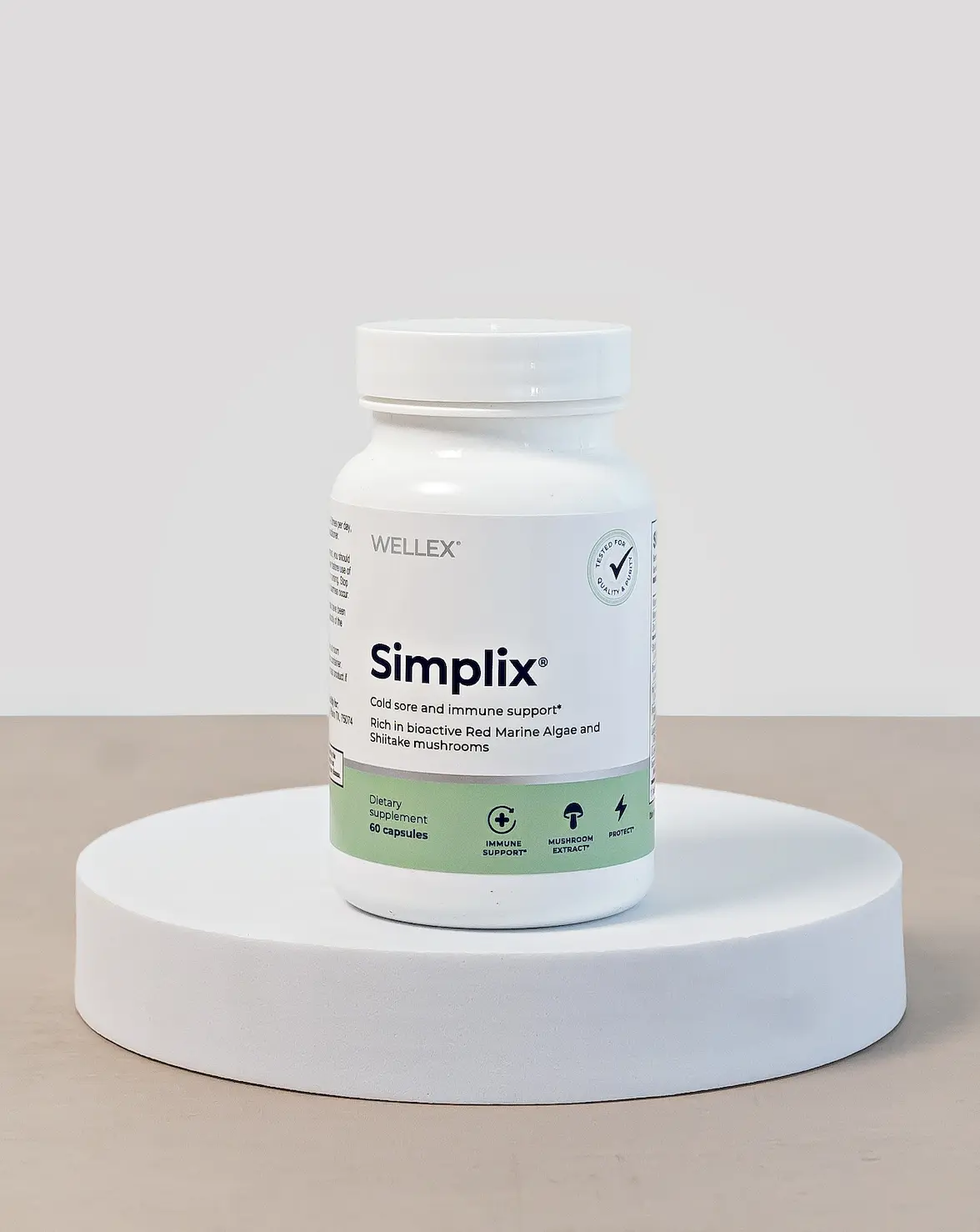
Image: Simplix Viral Defense
Simplix Viral Defense
Why we love it:
- Specifically formulated to reduce cold sore outbreaks
- Contains L-Lysine, Red Marine Algae, and Lemon Balm
- Supports immune system during viral challenges
- Helps manage stress-triggered outbreaks
Recommended Supplements for Herpes Management
Simplix Viral Defense
Cold Sore & HSV Support
Simplix Viral Defense
Cold Sore & HSV Support
Synergistic formula combining L-Lysine, shiitake mushroom, and marine bioactives for comprehensive immune support.
SHOP NOW & SAVE 15%