Getting a call that your pap smear came back abnormal is unsettling in a way that is hard to describe to anyone who hasn't experienced it. You sit with a result that sounds alarming, you wait for a follow-up appointment, and when you finally speak to a doctor, the advice is often some version of: come back in six months and we'll check again.
That waiting period (sometimes called watchful waiting, or the wait-and-see approach) is good medical practice for most cases of low-grade HPV-related cervical changes. The immune system clears the majority of HPV infections on its own, and for ASCUS (atypical squamous cells of undetermined significance) or low-grade lesions, intervention is often unnecessary and potentially more harmful than waiting. But "come back in six months" is not the same as "there is nothing you can do." That gap between medical guidance and what you can do to support your body during that window is exactly what this article is about.
There is a growing body of research on specific nutrients and compounds (particularly AHCC, folate, indole-3-carbinol, and green tea extract) that appear to support the immune mechanisms involved in HPV clearance. This is not a substitute for medical monitoring, and none of these supplements are a guaranteed fix. But for women who want to do something constructive during the months between pap smears, the evidence is worth understanding carefully.
Simplix Viral Defense
Cold Sore & HSV Support
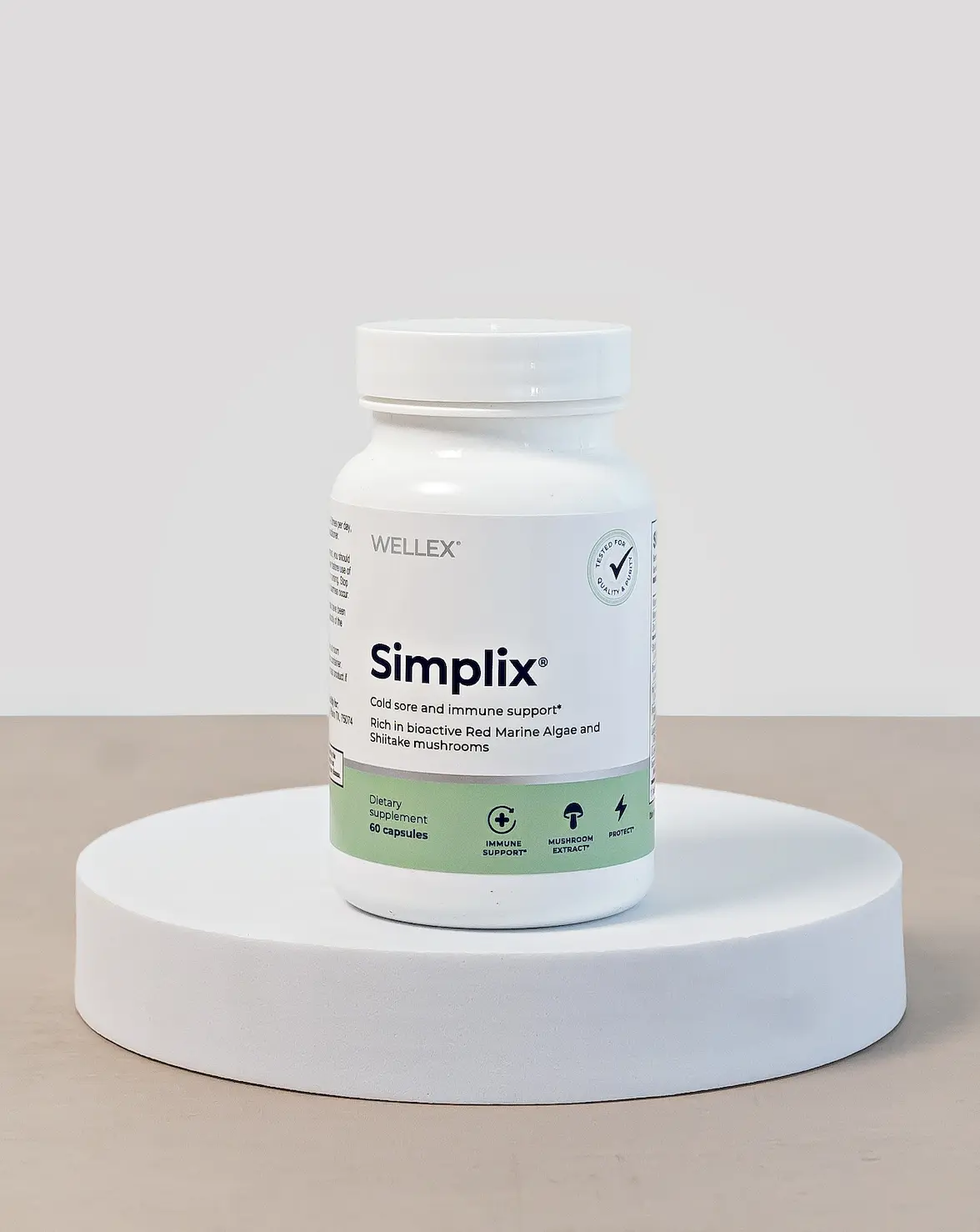
Simplix Viral Defense
Cold Sore & HSV Support
Synergistic formula combining L-Lysine, shiitake mushroom, and marine bioactives for comprehensive immune support.
SHOP NOW & SAVE 15%What an Abnormal Pap Smear Means
A pap smear does not test directly for HPV. It looks at the appearance of cervical cells under a microscope. When cells look unusual, the result is flagged as abnormal.
The most common categories you might see on a result are ASCUS (atypical squamous cells of undetermined significance), LSIL (low-grade squamous intraepithelial lesion), or HSIL (high-grade squamous intraepithelial lesion). ASCUS is the most frequent and the least concerning. It essentially means the cells look a little off, but not clearly precancerous.
Most abnormal pap smears are caused by HPV: human papillomavirus, a group of over 150 related viruses, most of which are harmless. The high-risk strains (primarily HPV 16 and 18) are the ones associated with cervical cancer, but even these clear naturally in the majority of cases. The immune system eliminates an estimated 80–90% of HPV infections within one to two years of exposure, without any treatment at all.
The reason your doctor recommends monitoring rather than immediate intervention for low-grade changes is precisely because most of the time, the body handles it. Treatment (colposcopy, biopsy, LEEP procedures) carries its own risks and is typically reserved for cases where the cervical changes are progressing rather than resolving. The wait-and-see period is an opportunity, not a non-answer. It is a window in which supporting immune function matters.
AHCC: The Most Researched Supplement for HPV Clearance
AHCC stands for Active Hexose Correlated Compound: a standardized extract derived from the hybridized mycelia of shiitake mushrooms (Lentinula edodes). It has been studied extensively as an immune modulator, and a specific body of research now focuses on its effects on HPV specifically.
The most cited work comes from Dr. Judith Smith at UTHealth Houston, who conducted a pilot clinical trial published in 2014 in which women with persistent HPV infections took AHCC daily for up to six months. Five of the ten participants in the treatment group achieved clearance of their HPV infection by the end of the study period. A follow-up randomized, double-blind, placebo-controlled trial published in 2023 provided stronger evidence: women taking AHCC were significantly more likely to clear their HPV infection compared to those taking a placebo, with the difference remaining statistically meaningful at the 12-month follow-up.
These are not dramatic pharmaceutical-level effect sizes, and the research is still relatively early: larger trials are needed to confirm the findings across more diverse populations. But for a dietary supplement, this is a notably strong evidence base. The mechanism appears to involve AHCC's ability to stimulate natural killer (NK) cells, dendritic cells, and specific cytokine pathways involved in antiviral immune surveillance. In plain terms: it helps the immune system do the job of recognizing and clearing viral infection more effectively.
The protocol used in the research studies was typically 3 grams of AHCC daily, taken on an empty stomach, for a minimum of three to six months. Taking it with food reduces its absorption significantly, which is one of the most commonly overlooked details when people start supplementing with it.

Other Supplements With Evidence for Cervical Health
AHCC gets most of the research attention, but several other nutrients have documented roles in cervical health and HPV immune response. Used together, they support different aspects of the same underlying goal: keeping the immune system in the best possible position to clear the infection naturally.
Folate (Vitamin B9)
Folate deficiency is consistently associated with increased risk of cervical dysplasia and HPV persistence. Folate is critical for DNA repair and cell replication integrity, and cervical cells that are already under viral stress are particularly dependent on adequate folate to replicate correctly. Several studies have found correlations between low folate status and both higher rates of HPV persistence and increased severity of cervical changes. Methylfolate (the active form of folate) is preferable to folic acid for many women, particularly those with common MTHFR gene variants that affect folate metabolism.
Indole-3-Carbinol (I3C) and DIM
Indole-3-carbinol is a compound found in cruciferous vegetables (broccoli, cauliflower, Brussels sprouts, and cabbage) that metabolizes into diindolylmethane (DIM) in the gut. Both I3C and DIM influence estrogen metabolism, shifting it toward less proliferative estrogen metabolites. This matters for cervical health because certain estrogen metabolites promote the activity of HPV oncoproteins, the proteins that drive abnormal cell changes. Several small clinical trials have shown that I3C supplementation can induce regression of cervical intraepithelial neoplasia (CIN), which is the precancerous cellular change that HPV-related abnormal pap smears are monitoring for.
Green Tea Extract (EGCG)
Epigallocatechin gallate, the primary active catechin in green tea, has demonstrated antiviral properties against HPV in laboratory studies and shown positive results in some clinical trials involving topical application for cervical lesions. Orally, its effects are more modest but still potentially relevant as part of a broader immune support protocol. EGCG appears to work through multiple mechanisms including direct antiviral activity, antioxidant protection of cervical tissue, and immune modulation.
Zinc and Selenium
Both minerals play essential roles in immune cell development and function. Zinc is directly involved in T-cell activation and natural killer cell activity, the same immune cells that AHCC is thought to stimulate. Selenium works as an antioxidant through selenoenzymes and supports cytokine balance.
Deficiency in either mineral is associated with impaired antiviral immune responses. Neither is glamorous or novel, but both are worth checking via a basic blood panel if you are planning a clearance-focused supplement protocol: deficiency is more common than most people expect.
Vitamin C and Vitamin E
Both antioxidant vitamins protect cervical cells from oxidative stress during viral activity and support immune function broadly. Vitamin C has documented roles in collagen synthesis and white blood cell production. Neither is a primary intervention on its own, but both form important background nutritional support that the more targeted supplements above build on.
Building a Practical Six-Month Protocol
If your next pap smear is in six months and you want to use that window proactively, here is a practical way to think about structuring your approach.
The foundation is AHCC. If you are going to take one supplement specifically for HPV clearance support, this is the one with the most direct clinical evidence. Take it at the dose used in the research trials, 3 grams daily on an empty stomach, consistently for the full duration of your monitoring period. Consistency matters more than anything else here: the trials that showed clearance ran for three to six months, and stopping after four weeks because nothing visible has changed is simply not long enough to evaluate whether it is working.
On top of AHCC, consider building what you might think of as a cervical health foundation: methylfolate (400–800mcg daily), a B-complex that covers your B12 and other B vitamins, a quality zinc and selenium source either through diet or supplementation, and vitamin C (500–1000mg daily). Cruciferous vegetables should feature prominently in your diet during this period, or an I3C or DIM supplement if your diet makes that difficult.
Some women find it useful to take a combined formula designed for HPV immune support alongside their AHCC, since sourcing and managing six or seven separate supplements is cumbersome. The Papillex + AHCC bundle pairs AHCC with Papillex, a naturopathic cervical health formula, which is one practical option for combining these approaches without multiple individual bottles. Use code PROMEO15 for 15% off.
Whatever you choose to take, keep a simple log. Note your start date, what you are taking, and how you feel. When you go back for your follow-up pap or colposcopy, you will have a clear record to share with your doctor, which can inform decisions about continuing the protocol if your results are improving or changing course if they are not.
What to Realistically Expect
It is worth being honest about the limitations here, because this topic attracts a lot of optimistic overclaiming that can set people up for disappointment or, worse, a false sense of security that delays necessary medical follow-up.
The research on AHCC is promising but not definitive. The study populations are small. The trials have not yet been replicated widely enough to be considered conclusive by most medical bodies. No supplement, including AHCC, has been approved as a treatment for HPV or cervical dysplasia, and a supplement protocol is not a substitute for the monitoring your gynecologist has recommended.
What the evidence does reasonably support is this: the immune system is the primary mechanism by which HPV is cleared, and several of the supplements described in this article have documented positive effects on the specific immune pathways involved in that clearance. Supporting those pathways through nutrition and supplementation during a monitoring period is a rational, low-risk strategy that is unlikely to cause harm and may meaningfully improve your odds of a clear result at your next pap.
Keep attending your follow-up appointments. Keep communicating with your doctor about any supplements you are taking. And try, as much as possible, to approach this period as an opportunity to strengthen your immune health broadly, rather than as a desperate race against a clock.
The majority of HPV infections, including many that initially cause abnormal pap results, do clear. Your job in the meantime is to give your immune system the best possible environment to do that work.
Abnormal Pap Smear and HPV Supplement FAQs
What does "wait and see" mean after an abnormal pap smear?
Wait and see, or watchful waiting, means your doctor has assessed that your cervical changes are low-grade enough that the immune system has a good chance of resolving them without intervention. Rather than immediately proceeding to biopsy or colposcopy, you are scheduled for a repeat pap smear, typically in six to twelve months, to see whether the changes have resolved, remained stable, or progressed. It is not a dismissal of your concern. It is evidence-based management that avoids over-treating a condition that the body frequently handles on its own.
What is ASCUS and is it serious?
ASCUS stands for atypical squamous cells of undetermined significance: the most common and least alarming category of abnormal pap smear result. It means the cells look slightly unusual but not in a way that clearly indicates precancer. Many ASCUS results are caused by transient HPV infections, inflammation, or hormonal fluctuations rather than progressive disease. The majority of women with ASCUS results have normal follow-up pap smears within one to two years, particularly those with low-risk HPV strains.
How long does it take for AHCC to work for HPV?
The clinical trials that showed HPV clearance with AHCC ran for three to six months of daily supplementation. There is no reliable way to know within weeks whether the supplement is working: the only meaningful measure is your next pap smear or HPV test result. Commit to the full monitoring period before evaluating the outcome.
Should I take AHCC with food or on an empty stomach?
On an empty stomach. The research protocols consistently used AHCC taken without food, and the compound's absorption is significantly reduced when taken with a meal. The standard approach is to take it first thing in the morning, at least 30 minutes before eating, or in the evening at least two hours after your last meal.
Can diet changes help clear HPV alongside supplements?
Yes. Diet is not a secondary consideration here, it is foundational. A diet rich in cruciferous vegetables (broccoli, cauliflower, Brussels sprouts, kale) provides I3C and DIM, which have evidence for supporting cervical health.
Folate from leafy greens, antioxidants from berries and citrus, and selenium from Brazil nuts all support the immune pathways involved in HPV clearance. Minimizing alcohol, processed foods, and smoking (all of which suppress immune function) is at least as important as what you add.
Can I take these supplements alongside standard medical treatment?
For most women in the watchful waiting period, yes: the supplements described in this article are generally safe alongside monitoring. If you progress to a colposcopy, LEEP, or other procedure, inform your healthcare provider about everything you are taking. Some supplements, including high-dose vitamin E and certain herbal compounds, may affect bleeding or healing. Your doctor can advise on whether to pause anything in the days around a procedure.
Will AHCC definitely clear my HPV?
No supplement can guarantee HPV clearance. The clinical evidence for AHCC is more promising than most other natural interventions studied for this purpose, but the research is still developing and individual responses vary. Most HPV infections clear naturally regardless of supplementation: the goal of a targeted supplement protocol is to support that natural process, not to replace the immune system's own work or to substitute for medical monitoring.

Image: Bravado Labs L-Lysine Cold Sore Treatment
Bravado Labs L-Lysine Cold Sore Treatment
Why we love it:
- Verified Customer Favorite
- High Quality Ingredients
As an affiliate, we earn from qualifying purchases.