Smoking tobacco is a well-known health hazard linked to numerous diseases, including respiratory illnesses and cancer.
Recent research also highlights its significant impact on herpes simplex virus (HSV) infections.
Both HSV-1 and HSV-2 infections are more common and potentially more severe among smokers compared to non-smokers.
Tobacco use impairs immune defenses and may increase the frequency and severity of herpes outbreaks.
Smoking Increases Risk of HSV Infection
Multiple studies have demonstrated that tobacco smokers have a significantly higher risk of contracting herpes simplex virus infections.
One large national survey found that current smokers had a 36% increased odds of HSV-1 infection and more than double the odds (137%) of HSV-2 infection compared to non-smokers.
The increased susceptibility is thought to result from smoking-induced immune system impairment, which reduces the body's ability to control viral infections effectively.
Effects of Smoking on Herpes Outbreaks and Immune Response
Smoking negatively affects immune function, which can worsen herpes outbreaks.
Cigarette smoke contains chemicals that suppress immune cells critical for controlling HSV, such as macrophages and T-cells.
This suppression may lead to more frequent or severe outbreaks.
Interestingly, some studies found that smoking correlates with higher antibody levels to other herpesviruses like cytomegalovirus (CMV) and Epstein-Barr virus (EBV), indicating altered immune responses, though the association with HSV antibody levels is less clear.

Smoking, HSV, and Cancer Risk
Smoking and HSV infection may act synergistically to increase the risk of certain cancers, particularly oral and cervical cancers.
Experimental studies show that tobacco extracts can interfere with HSV replication, causing accumulation of viral proteins that may promote tumor development.
In animal models, combined exposure to tobacco and HSV infection significantly increased tumor incidence compared to either factor alone.
Epidemiological data also link smoking and HSV with higher cancer rates in humans, especially among smokers with HSV antibodies.
Health Implications and Recommendations
- Smoking cessation is strongly recommended to reduce the risk of HSV infection and severity of outbreaks.
- Reducing tobacco exposure may also lower the risk of HSV-associated cancers.
- Individuals with herpes should inform healthcare providers about smoking habits to tailor management plans.
- Maintaining a healthy immune system through lifestyle changes can help control HSV activity.
Conclusion
Smoking tobacco significantly increases the risk of herpes simplex virus infections and may exacerbate outbreak severity by impairing immune defenses.
Moreover, the interaction between smoking and HSV is linked to higher cancer risk, emphasizing the importance of quitting smoking for individuals with or at risk of herpes.
Effective herpes management should include smoking cessation support alongside antiviral treatments and healthy lifestyle practices.
Smoking and Herpes FAQs
Does smoking increase the chance of getting herpes?
Yes, smokers have a higher risk of both HSV-1 and HSV-2 infections compared to non-smokers due to immune system impairment caused by tobacco.
Can smoking make herpes outbreaks worse?
Smoking can suppress immune responses, potentially leading to more frequent or severe herpes outbreaks.
Is there a link between smoking, herpes, and cancer?
Yes, smoking combined with HSV infection may increase the risk of certain cancers, such as oral and cervical cancers.
Should people with herpes quit smoking?
Quitting smoking is highly recommended to reduce infection risk, outbreak severity, and cancer risk.
Does smoking affect herpes antibody levels?
Smoking is associated with higher antibody levels to some herpesviruses like CMV and EBV, but its effect on HSV antibodies is less clear.
How can I reduce herpes outbreaks if I smoke?
Stopping smoking, managing stress, maintaining a healthy diet, and following antiviral treatment can help control outbreaks.

Image: Bravado Labs Advanced Lysine Immune Boost
Bravado Labs Advanced Lysine Immune Boost
Why we love it:
- Verified Customer Favorite
- High Quality Ingredients
As an affiliate, we earn from qualifying purchases.
Recommended Supplements for Herpes Management
Simplix Viral Defense
Cold Sore & HSV Support
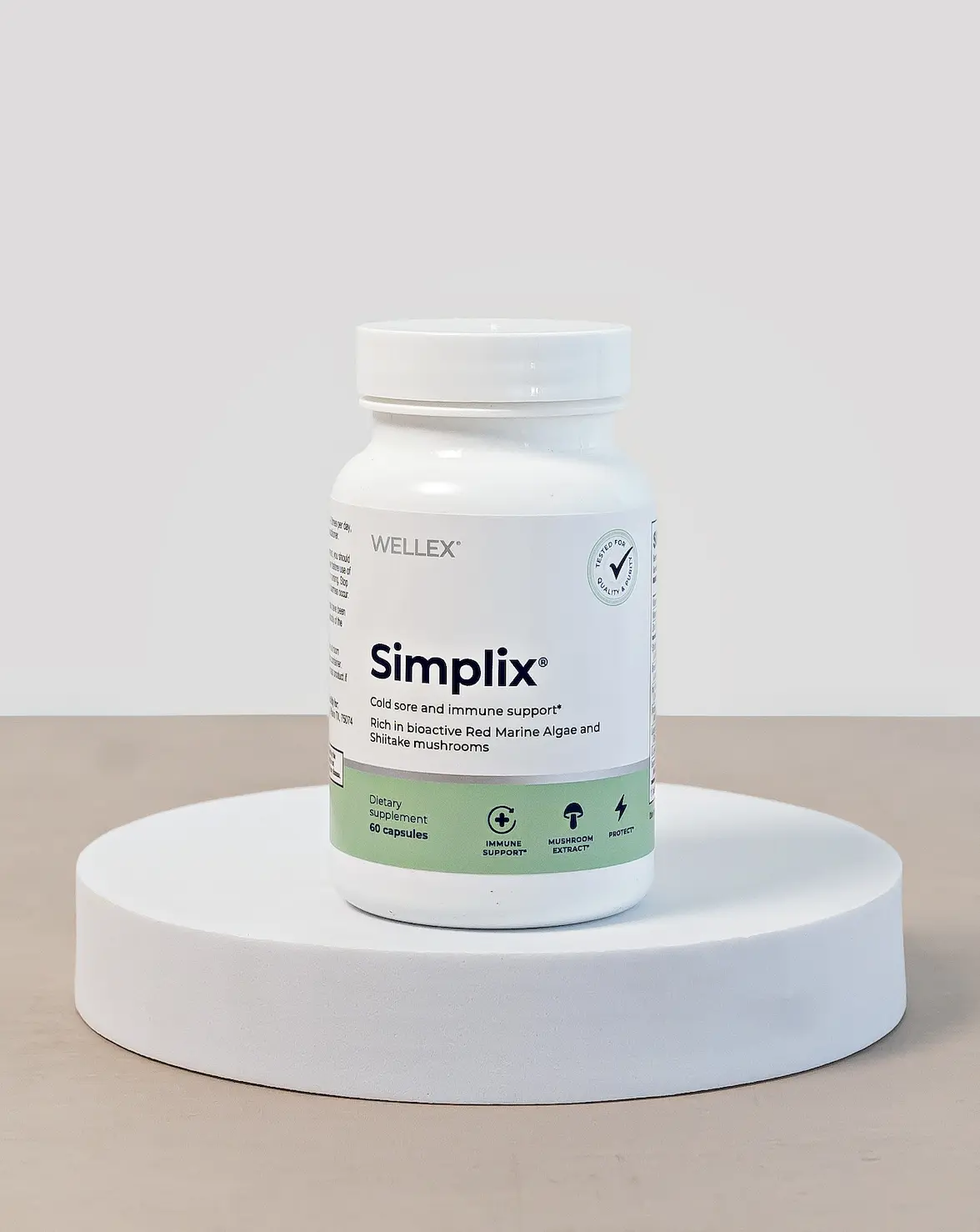
Simplix Viral Defense
Cold Sore & HSV Support
Synergistic formula combining L-Lysine, shiitake mushroom, and marine bioactives for comprehensive immune support.
SHOP NOW & SAVE 15%