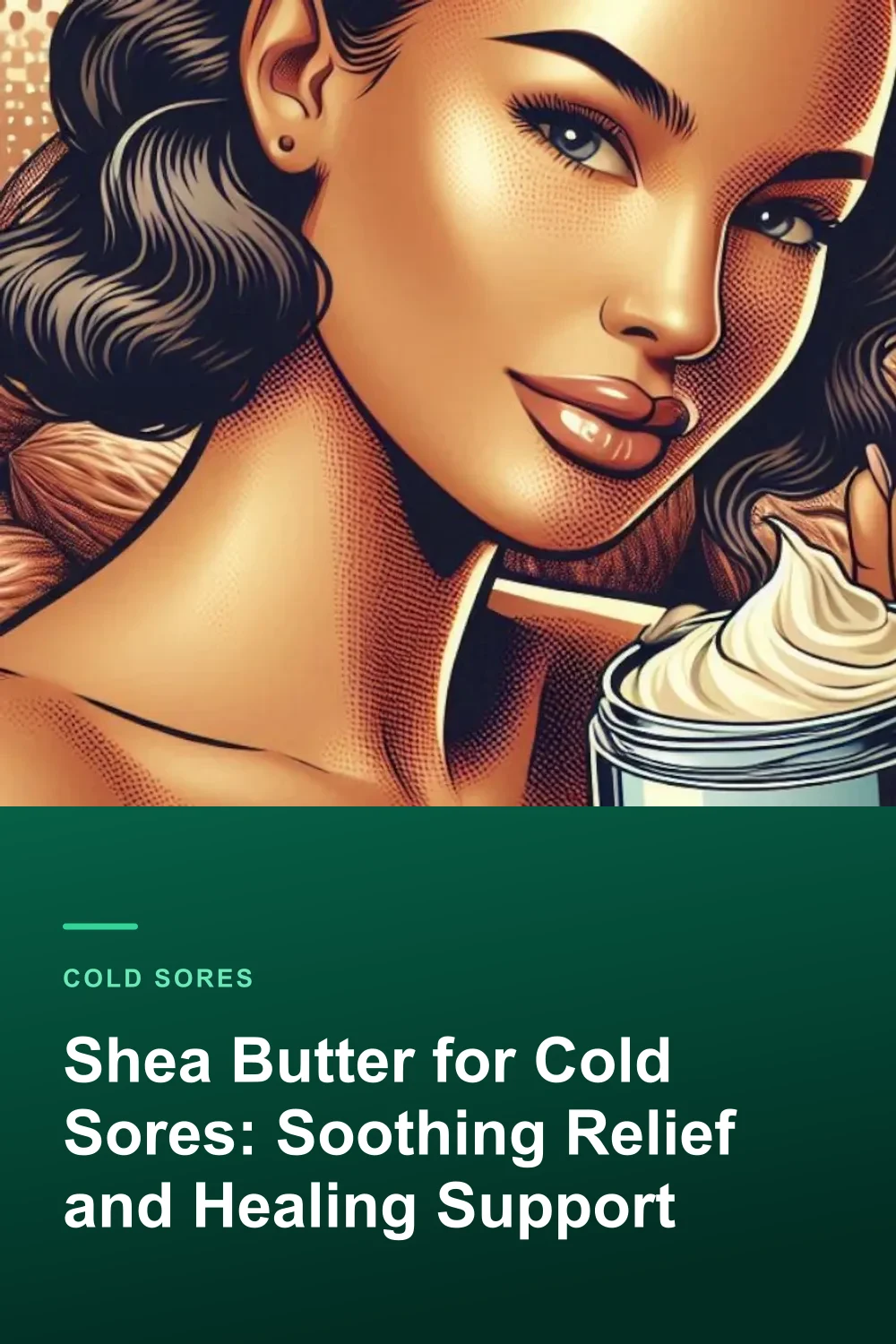
Cold sores, caused by the herpes simplex virus (HSV-1), are painful blisters that often recur and can cause significant discomfort. Shea butter, a natural fat extracted from the nuts of the African shea tree (Vitellaria paradoxa), is widely known for its moisturizing and skin-healing properties. It has been traditionally used to soothe irritated skin and promote wound healing, making it a popular natural remedy for managing cold sores. For a broader overview, see our guide to natural remedies for herpes and cold sores.
Rich in vitamins A and E, as well as fatty acids, shea butter helps to nourish and protect the skin, potentially reducing inflammation and supporting faster recovery during cold sore outbreaks.
Simplix Viral Defense
Cold Sore & HSV Support
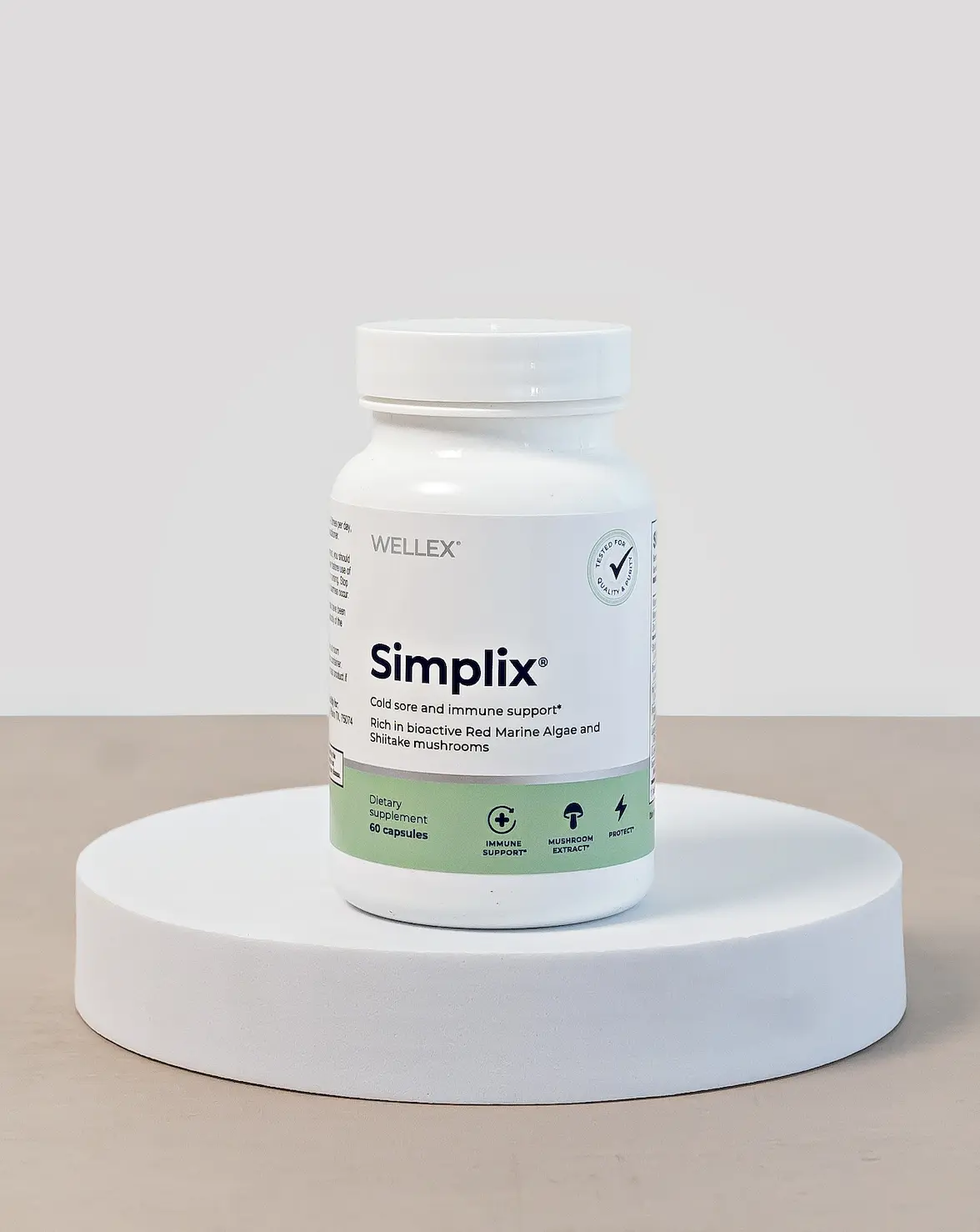
Simplix Viral Defense
Cold Sore & HSV Support
Synergistic formula combining L-Lysine, shiitake mushroom, and marine bioactives for comprehensive immune support.
SHOP NOW & SAVE 15%How Does Shea Butter Help with Cold Sores?
Shea butter provides deep hydration to dry, cracked skin around cold sores, which can help reduce discomfort and prevent further irritation. Its anti-inflammatory properties may calm redness and swelling associated with outbreaks.
The presence of antioxidants like vitamins A and E supports skin repair by neutralizing free radicals and promoting collagen production. This can aid in speeding up the healing process and improving skin texture after cold sores heal.
While shea butter does not have direct antiviral effects, its ability to soothe and protect damaged skin makes it a valuable supportive treatment during cold sore episodes.
What Does the Research Say About Shea Butter and Cold Sores?
Scientific research specifically on shea butter’s effects on cold sores is limited. However, studies on its components demonstrate significant anti-inflammatory and wound-healing benefits in skin conditions.
Clinical evidence supports shea butter’s use in managing dry, irritated, or damaged skin, which is relevant for cold sore care. Its moisturizing and protective qualities can help maintain skin barrier integrity, potentially reducing the risk of secondary infections.
More research is needed to confirm any direct benefits of shea butter on herpes simplex virus activity, but its role in symptom relief and skin recovery is well recognized.

How to Use Shea Butter for Cold Sores
To effectively use shea butter for cold sores, follow these guidelines:
- Topical application: Gently apply a small amount of pure, unrefined shea butter to the cold sore and surrounding skin 2-3 times daily to keep the area moisturized and reduce irritation.
- Combine with other treatments: Shea butter can be used alongside antiviral creams or medications to provide additional skin support and comfort. Does Vaseline help cold sores? is another common question, see our comparison.
- Avoid excessive rubbing: Apply shea butter gently to avoid aggravating the cold sore or causing further skin damage.
- Patch test: Perform a patch test before first use to ensure no allergic reaction occurs, especially if you have sensitive skin.
Regular moisturizing with shea butter can help maintain skin softness and elasticity, which is beneficial during and after cold sore healing.
For best results, start applying shea butter as soon as you notice early signs of a cold sore, such as tingling or redness.
Safety and Considerations When Using Shea Butter
Shea butter is generally safe and well tolerated by most people, including those with sensitive skin. Allergic reactions are rare but possible, so a patch test is recommended before regular use.
Because shea butter is a natural product, quality can vary. Choose pure, unrefined shea butter without added fragrances or chemicals to minimize the risk of irritation.
If cold sores worsen, become more painful, or do not improve within 10 days, it is important to seek medical advice. People with compromised immune systems should consult healthcare professionals before relying on natural remedies alone.
Shea butter should not replace antiviral medications but can be a supportive addition to your cold sore care routine. Make sure to keep the area clean: see our tips on how to clean a cold sore safely. Understanding your cold sore triggers can also help reduce the frequency of future outbreaks.
Shea butter offers a natural, soothing, and moisturizing option to support skin health during cold sore outbreaks. Its anti-inflammatory and antioxidant properties help calm irritated skin and promote healing, improving comfort and recovery.
While it does not directly combat the herpes simplex virus, shea butter’s ability to protect and nourish damaged skin makes it a valuable complementary treatment. Using it early and consistently can enhance symptom relief and skin repair.
Integrating shea butter into your cold sore management plan, alongside antiviral therapies and good skincare practices, can help you better manage outbreaks and support faster healing.
Shea Butter and Cold Sores FAQs
Can shea butter help heal cold sores?
Shea butter helps by moisturizing and soothing the skin around cold sores, reducing irritation and supporting faster healing, though it does not have direct antiviral effects against the herpes simplex virus.
When should I start applying shea butter to a cold sore?
For best results, apply shea butter as soon as you notice early symptoms like tingling or redness, and continue regularly to keep the skin hydrated and calm throughout the outbreak.
Is shea butter safe for sensitive skin?
Yes, shea butter is generally safe and gentle, but some individuals may experience allergic reactions. Performing a patch test before regular use is recommended.
Can I use shea butter alongside antiviral medications?
Absolutely. Shea butter can be used as a supportive skin treatment in combination with antiviral creams or oral medications to improve comfort and skin healing.
Are there any side effects of using shea butter on cold sores?
Side effects are rare but may include mild skin irritation or allergic reaction. Discontinue use if you experience increased redness, itching, or swelling, and consult a healthcare professional if symptoms persist.
Image: Simplix Viral Defense
Simplix Viral Defense
Why we love it:
- Specifically formulated to reduce cold sore outbreaks
- Contains L-Lysine, Red Marine Algae, and Lemon Balm
- Supports immune system during viral challenges
- Helps manage stress-triggered outbreaks