Herpes simplex virus (HSV) infections can remain dormant in the body but flare up unexpectedly. Understanding what causes these flare-ups is key to managing symptoms and reducing outbreaks.
Here are 7 common reasons why herpes may flare up, along with insights into how each trigger affects the virus and tips for managing them.
Simplix Viral Defense
Cold Sore & HSV Support
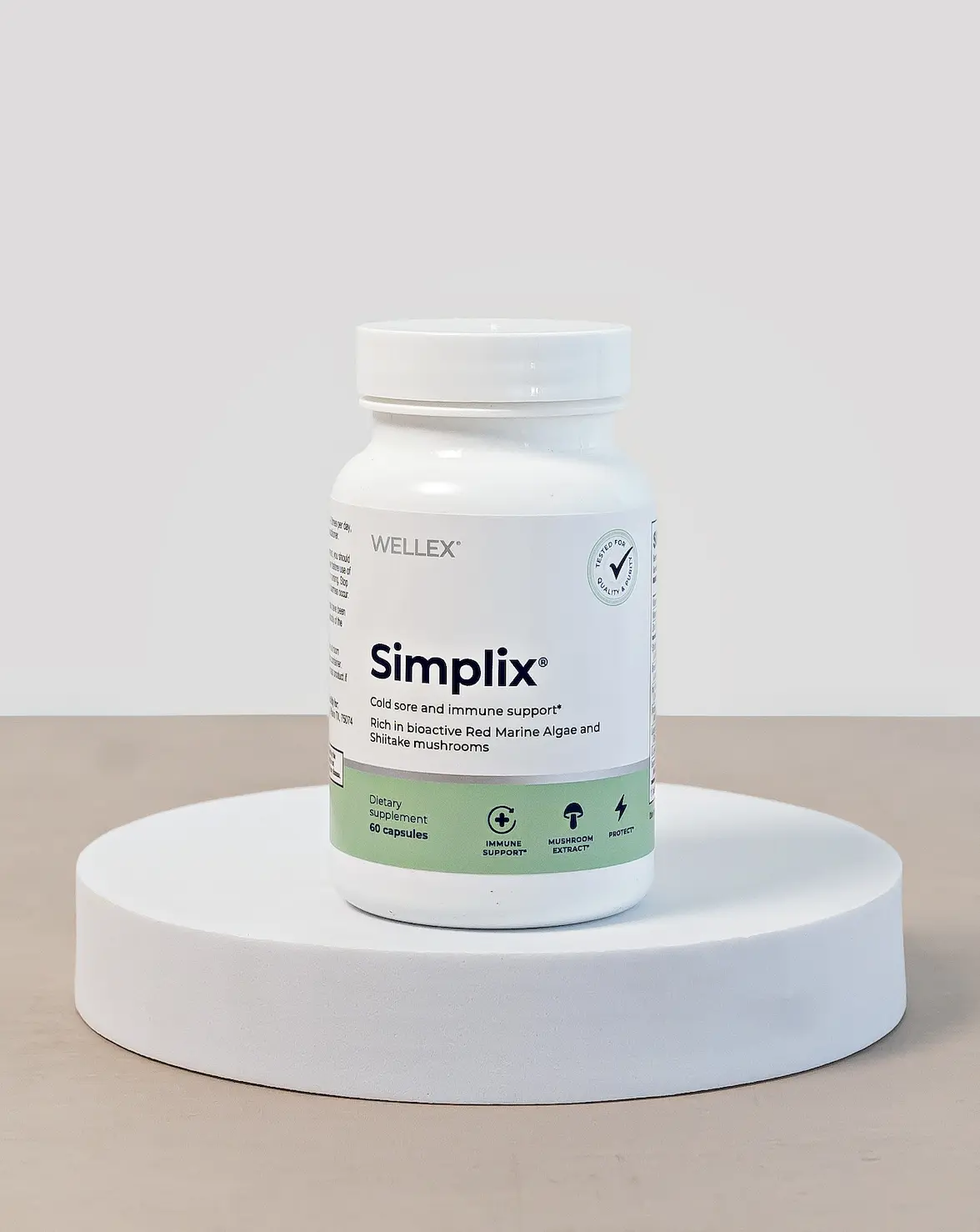
Simplix Viral Defense
Cold Sore & HSV Support
Synergistic formula combining L-Lysine, shiitake mushroom, and marine bioactives for comprehensive immune support.
SHOP NOW & SAVE 15%1. Illness and Weakened Immune System
When your body is fighting an illness such as a cold, fever, or infection, your immune system weakens, giving the herpes virus an opportunity to reactivate. Conditions that suppress immunity, including HIV, chemotherapy, or chronic stress, can also increase the likelihood of outbreaks.
Maintaining good overall health and managing underlying conditions can help reduce flare-ups.
2. Stress
Both emotional and physical stress impair immune function, which can provoke herpes recurrence. Stress triggers the release of certain cytokines and hormones that increase neuronal excitability, signaling the dormant virus to reactivate.
Practicing stress management techniques such as meditation, exercise, and adequate rest may help lower outbreak frequency.
3. Hormonal Changes
Fluctuations in hormones, especially around menstruation or pregnancy, can trigger herpes flare-ups. These hormonal shifts affect immune responses and may create an environment conducive to viral reactivation.
Women who notice outbreaks linked to their menstrual cycle might benefit from tracking symptoms and discussing preventive strategies with their healthcare provider.
4. Sunlight and UV Exposure
Exposure to ultraviolet (UV) light, such as sunburn or tanning beds, is a well-known trigger for oral herpes outbreaks. UV damage to skin cells causes inflammation and releases immune signals that can activate the virus.
Using sunscreen on the lips and affected areas and limiting direct sun exposure can help prevent flare-ups.
5. Sexual Intercourse and Genital Irritation
Friction or trauma during sexual activity can irritate the skin and mucous membranes, potentially triggering genital herpes outbreaks. Insufficient lubrication or vigorous intercourse may increase irritation.
Using water-based lubricants and practicing gentle sexual activity can reduce the risk of flare-ups related to genital irritation.
6. Physical Trauma or Surgery
Injury or surgical procedures near the site of herpes infection can provoke outbreaks by causing local inflammation and immune activation. This physical trauma signals the virus to reactivate from its dormant state.
If you have a history of herpes, inform your healthcare provider before surgery so appropriate preventive measures can be taken.
7. Fatigue and Physical Exertion
Excessive tiredness or intense physical exertion can weaken the immune system and increase susceptibility to herpes flare-ups. Chronic fatigue reduces the body's ability to keep the virus in check.
Ensuring sufficient rest, pacing physical activity, and maintaining a balanced lifestyle are important for managing outbreaks. Identifying your personal triggers and adopting healthy lifestyle habits can significantly reduce the frequency and severity of outbreaks.
Herpes Flare-Up FAQs
Can herpes flare up without cold sores?
Yes, herpes can reactivate without visible cold sores or blisters. Some people experience mild symptoms like itching, tingling, or burning sensations in the affected area without developing sores. These subtle signs, known as prodromal symptoms, often precede outbreaks but can also occur alone.
Can herpes flare up after years without symptoms?
Herpes can remain dormant in nerve cells for years and reactivate unexpectedly. It is common for people to have long periods without symptoms before experiencing a flare-up triggered by factors like stress, illness, or immune changes.
Why am I prone to cold sores?
Several factors contribute to susceptibility, including a weakened immune system, stress, hormonal changes, sun exposure, and genetics. People with frequent flare-ups often have triggers that reactivate the virus, so identifying and managing these can help reduce outbreaks.
Can a herpes flare-up cause a sore throat?
Yes, especially during the initial outbreak, herpes can cause flu-like symptoms including a sore throat, swollen lymph nodes, headache, and fever. Oral herpes may also cause painful sores inside the mouth or throat, which can lead to discomfort when swallowing.

Image: Bravado Labs L-Lysine Cold Sore Treatment
Bravado Labs L-Lysine Cold Sore Treatment
Why we love it:
- Verified Customer Favorite
- High Quality Ingredients
As an affiliate, we earn from qualifying purchases.