Pritelivir is an oral antiviral for herpes simplex virus (HSV-1 and HSV-2) that is under FDA review, with a decision expected in the fourth quarter of 2026.
If approved, it will be the first new herpes drug in more than 20 years. Every herpes antiviral prescribed today, including acyclovir, valacyclovir and famciclovir, works the same way. Pritelivir does not, which is why it still works when those drugs fail.
The first approval will be narrow. Developer Aicuris filed for immunocompromised people, such as transplant recipients, cancer patients and people with advanced HIV, whose herpes no longer responds to standard treatment. Most people with cold sores or genital herpes will not be prescribed it at launch.
Simplix Viral Defense
Cold Sore & HSV Support
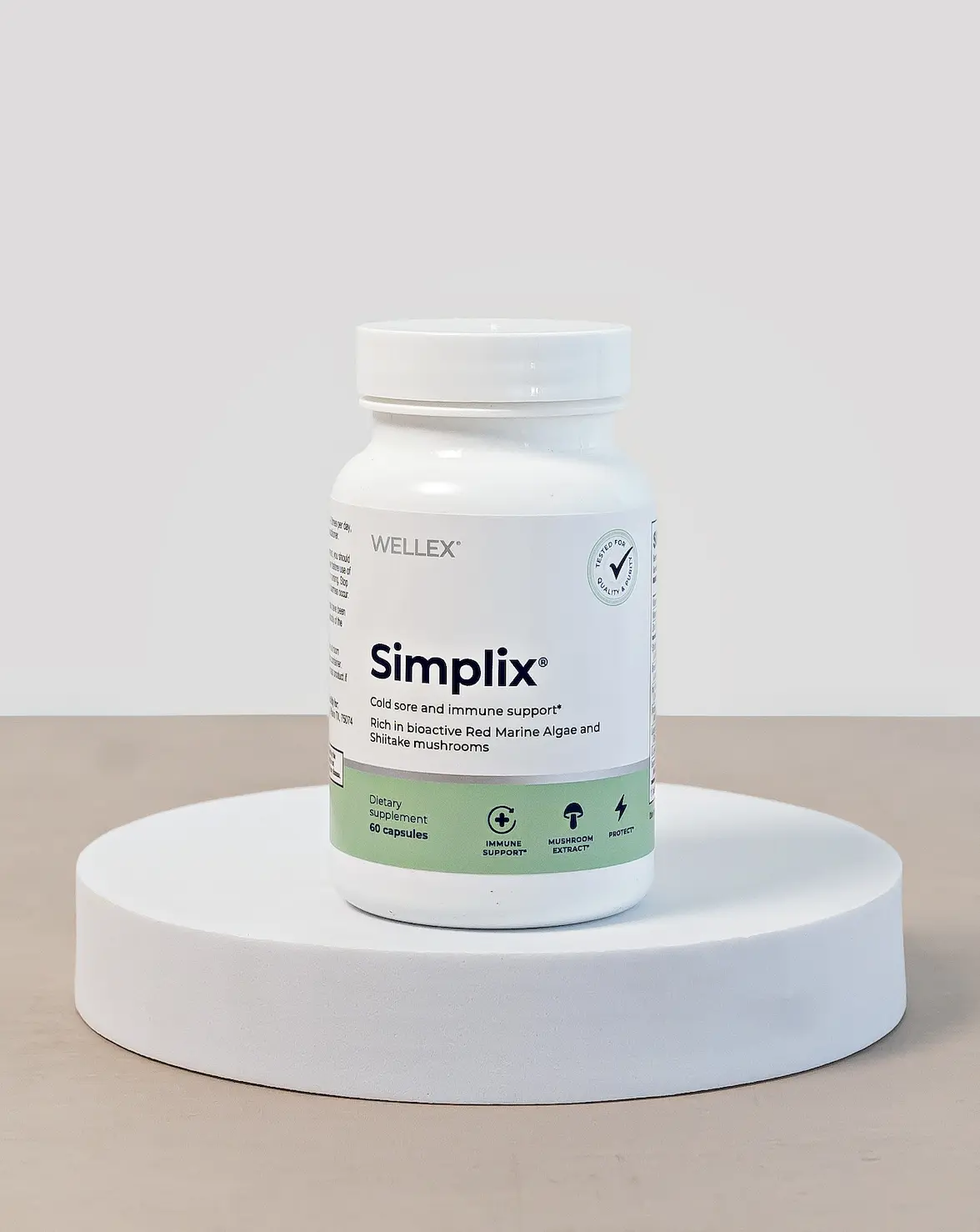
Simplix Viral Defense
Cold Sore & HSV Support
Synergistic formula combining L-Lysine, shiitake mushroom, and marine bioactives for comprehensive immune support.
SHOP NOW & SAVE 15%Pritelivir blocks a different viral enzyme than acyclovir
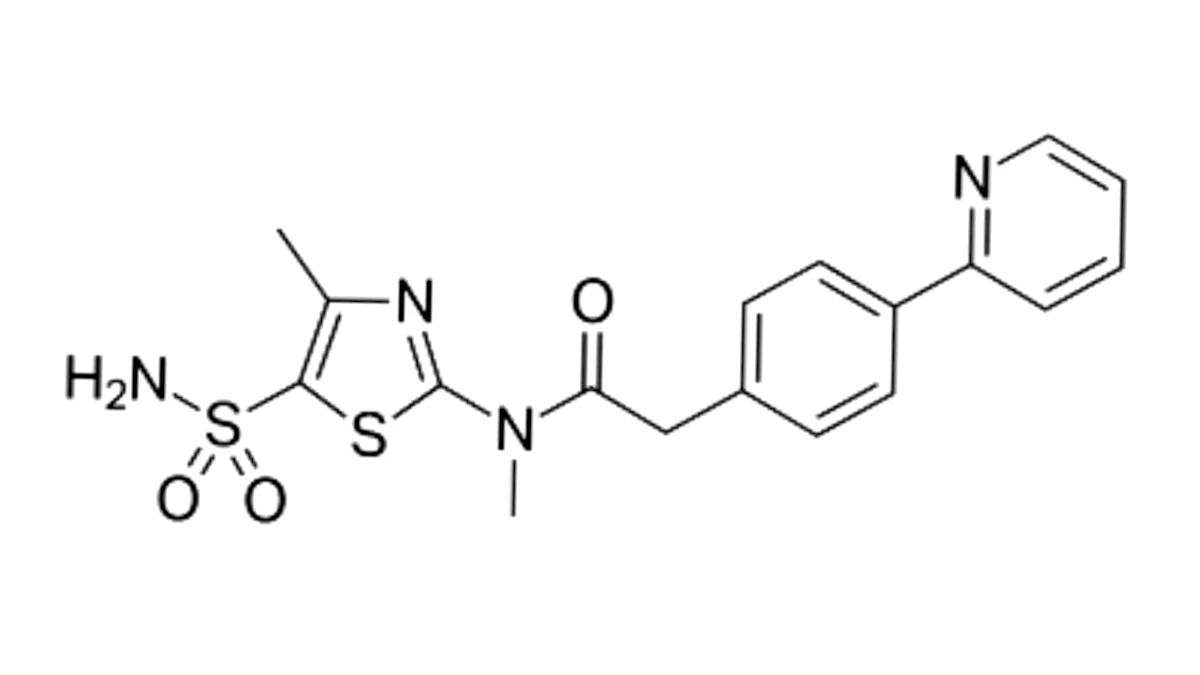
Pritelivir inhibits the viral helicase-primase complex, the enzyme that unwinds viral DNA and lays down the primers needed to copy it. The complex is made of three proteins encoded by the viral UL5 (helicase), UL52 (primase) and UL8 (scaffold) genes.
The drug binds to the helicase and primase at the same time and locks the complex in an inactive state. The virus can no longer copy its DNA or produce new viral particles.
Acyclovir and its relatives are nucleoside analogues. They target the viral DNA polymerase and need a viral enzyme, thymidine kinase, to activate them. Most acyclovir resistance comes from mutations in that enzyme.
Because pritelivir needs no activation and hits a different target, it stays active against strains resistant to acyclovir and to foscarnet, the usual second-line drug.
Structural studies have mapped exactly where pritelivir binds, which explains why it is potent at low doses.
It healed 82% of resistant infections in Phase 3, versus 42% on other drugs
Before the key trial, Phase 2 studies in people with genital herpes showed a dose-dependent drop in viral shedding, lesion recurrence and viral load. In a head-to-head study, pritelivir 100 mg daily suppressed shedding more than valacyclovir 500 mg daily.
Side effects were mostly mild: headache, nausea, fatigue and occasional rises in liver enzymes. No resistance mutations appeared during the short trials.
The key Phase 3 trial, PRIOH-1, enrolled immunocompromised patients with refractory HSV infection, with or without confirmed drug resistance. 82.4% of patients who continued pritelivir achieved complete lesion healing, compared with 42.0% of patients on investigator's choice therapy.
Patients in the trial included stem cell and solid organ transplant recipients, people with cancers, people on immune-suppressing drugs for autoimmune disease, and people living with HIV. For this group, a herpes infection that won't heal can be serious and sometimes life-threatening.
The FDA decision is expected in late 2026
Aicuris filed a New Drug Application (NDA) with the FDA based on the PRIOH-1 results. In April 2026 the agency granted Priority Review, with a target action date (PDUFA date) in the fourth quarter of 2026.
Pritelivir had already received Fast Track and Breakthrough Therapy designations, which allowed more frequent contact with the FDA and a faster review.
While the review is underway, expanded access programs let some patients with no other options receive pritelivir outside a trial. Access goes through a treating physician, not directly through patients.
We will update this page as soon as the FDA announces its decision.
It comes as a once-daily tablet with a long half-life
Pritelivir is a 100 mg film-coated oral tablet. It dissolves quickly in the gut and has an oral bioavailability of about 73% in humans.
Its half-life is roughly 60 to 70 hours, much longer than valacyclovir's. That allows dosing anywhere from once daily to once weekly. A loading dose may be used at the start to reach effective drug levels quickly.
The drug dissolves well in acidic conditions but poorly at neutral or alkaline pH, so the tablet is formulated to keep absorption consistent.
Most people with herpes will wait longer for access
The first approval will cover refractory infections in immunocompromised patients only. Doctors can sometimes prescribe a drug "off-label" for other uses, but insurers rarely cover an expensive new antiviral when cheap generic valacyclovir works.
For the typical person with recurrent cold sores or genital herpes, current antivirals remain effective and inexpensive. Resistance to acyclovir is rare in people with healthy immune systems, under 1%.
Broader use for genital herpes or cold sores would need new trials. Other drugs in the same class are already heading that way. Gilead's GS-1179, a once-weekly helicase-primase inhibitor, is expected to start a Phase 2 trial in recurrent genital herpes by the end of 2026. See our page on the weekly herpes pill.
Researchers are testing combinations and new formulations
Studies are exploring pritelivir combined with other antivirals to improve results and lower the chance of resistance.
Topical and vaginal formulations have also been investigated for treating lesions directly.
Its safety profile so far would support both treating outbreaks and long-term suppression. Less frequent dosing could help people who struggle to take a pill every day.
Post-marketing surveillance after any approval will show how the drug performs in larger, real-world groups and over longer periods.
Frequently Asked Questions About Pritelivir
Is pritelivir FDA approved?
Not yet. The FDA granted Priority Review in April 2026 and is expected to decide in the fourth quarter of 2026.
How does pritelivir work against HSV infections?
It inhibits the helicase-primase complex the virus needs to copy its DNA. This is a different target from acyclovir and valacyclovir, so it still works on strains resistant to those drugs.
Who will be able to get pritelivir?
At first, immunocompromised patients with herpes infections that don't respond to standard treatment. This includes transplant recipients, people with cancer and people with advanced HIV. Use for ordinary cold sores or genital herpes would need further trials.
How is pritelivir taken?
It is an oral tablet, usually taken once daily after a loading dose. Its long half-life could allow weekly dosing in some settings.
What are the side effects of pritelivir?
In trials, side effects were mostly mild: headache, nausea, fatigue and occasional raised liver enzymes. Safety monitoring will continue after any approval.
Does pritelivir cure herpes?
No. Like all current antivirals, it stops the virus replicating but does not clear latent virus from nerve cells.
How does pritelivir compare to valacyclovir?
In Phase 2, pritelivir suppressed genital shedding more than valacyclovir. Its main advantage is that it works against resistant strains. For most people, valacyclovir remains effective and far cheaper.

Image: Bravado Labs L-Lysine Cold Sore Treatment
Bravado Labs L-Lysine Cold Sore Treatment
Why we love it:
- Verified Customer Favorite
- High Quality Ingredients
As an affiliate, we earn from qualifying purchases.