Pritelivir is an innovative antiviral drug developed specifically to treat infections caused by the herpes simplex virus (HSV), including HSV-1 and HSV-2. Unlike traditional antiviral medications, pritelivir targets a unique viral enzyme complex essential for viral replication, offering a novel approach to treating HSV infections. This drug is particularly promising for patients with drug-resistant or refractory HSV infections, who do not respond well to existing therapies like acyclovir. Ongoing clinical trials continue to evaluate its safety, efficacy, and potential role in standard HSV care.
Pritelivir works by inhibiting the viral helicase-primase complex, a critical enzyme responsible for unwinding viral DNA and synthesizing RNA primers, necessary steps for HSV DNA replication. This complex comprises three proteins encoded by the viral UL5 (helicase), UL52 (primase), and UL8 (scaffold) genes. By binding simultaneously to the helicase and primase components, pritelivir effectively freezes the complex in an inactive state, preventing the virus from copying its DNA and producing new viral particles. The mechanism differs fundamentally from nucleoside analogues such as acyclovir that target viral DNA polymerase and require activation by viral enzymes. As a result, pritelivir maintains activity against HSV strains resistant to nucleoside analogues, broadening its therapeutic potential. Structural studies have provided detailed insight into the molecular interactions between pritelivir and its target, explaining the drug’s strong antiviral potency.
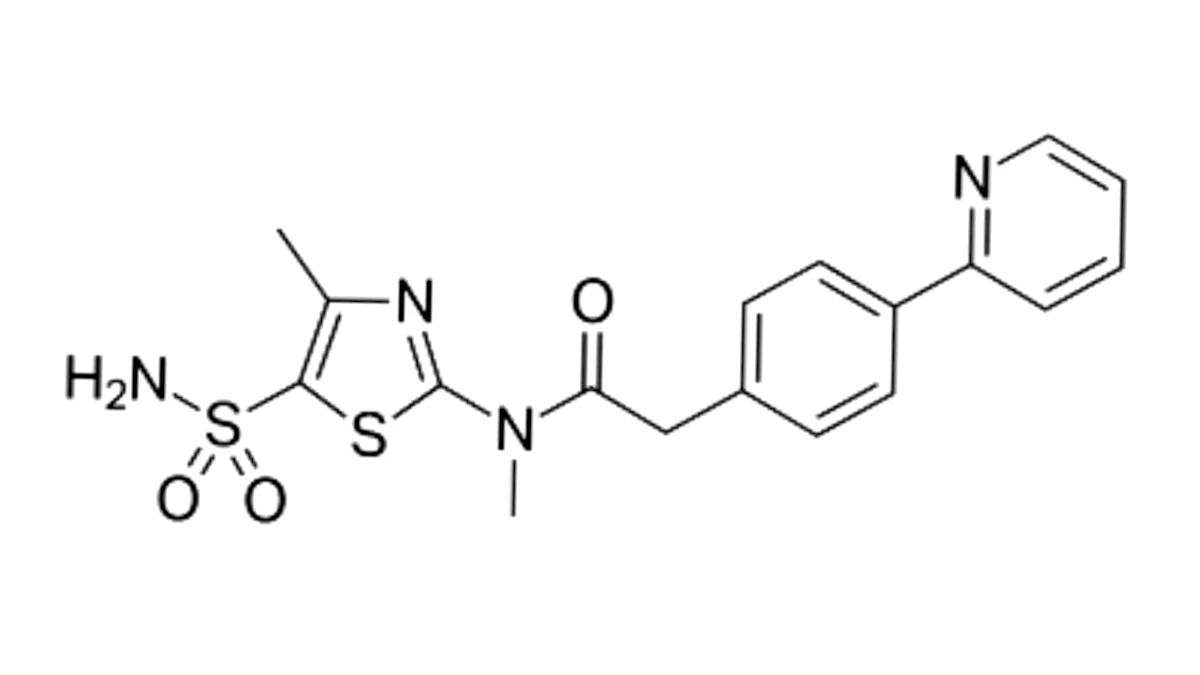
Clinical development of pritelivir has progressed through multiple phases, with Phase II trials demonstrating significant antiviral effectiveness and safety. In these trials, pritelivir showed a dose-dependent reduction in HSV genital shedding, lesion recurrence, and viral load, outperforming existing treatments like valacyclovir. Common side effects reported included mild headaches, nausea, fatigue, and occasional increases in liver enzymes, but overall, pritelivir was well tolerated. No resistance mutations emerged during the short-term trials, supporting its antiviral robustness. Currently, pritelivir is undergoing pivotal Phase III trials focused on immunocompromised patients with acyclovir-resistant HSV infections, and expanded access programs allow treatment for those with unmet medical needs. Regulatory agencies, such as the FDA, have granted fast track and breakthrough therapy designations to accelerate its availability once approved.
Pritelivir is formulated primarily as an oral medication, administered as a 100 mg film-coated tablet designed for immediate release. The tablet disintegrates rapidly in the digestive tract, allowing efficient absorption and favorable bioavailability averaging around 73% in humans. Due to its long half-life of approximately 60 to 70 hours, pritelivir dosing can be flexible, typically ranging from once daily to once weekly regimens depending on the clinical context and patient needs. Initial loading doses may be used to quickly achieve therapeutic drug levels. Pharmaceutical development has optimized pritelivir’s solubility and stability, classifying it as a BCS Class 2 drug with good solubility in acidic environments but limited solubility at neutral to alkaline pH. This necessitates formulation strategies to maximize oral bioavailability and support consistent plasma concentrations.
As a treatment option, pritelivir offers potential advantages over standard nucleoside analogues, especially for resistant HSV infections and immunocompromised patients. Its novel helicase-primase inhibition mechanism circumvents common resistance pathways that reduce efficacy of drugs like acyclovir. Ongoing research is exploring combination therapies of pritelivir with other antivirals to enhance efficacy and reduce resistance emergence. In addition to this, alternative administration routes such as topical or vaginal formulations are under investigation to expand therapeutic options and site-specific delivery. The drug’s safety profile supports its use for both acute outbreaks and suppressive therapy to reduce recurrence and viral shedding. Patient adherence may improve due to less frequent dosing and a potentially lower risk of long-term toxicity.
As of 2025, pritelivir remains under advanced clinical development with pivotal Phase III trials ongoing, particularly targeting immunocompromised patients with refractory or resistant HSV infections. These studies aim to establish definitive safety and efficacy data to support formal drug approval. Regulatory agencies such as the U.S.
FDA have granted pritelivir fast track and breakthrough therapy designations, expediting its review and potential availability. Early access or expanded access programs enable some patients to receive pritelivir outside of clinical trials, particularly those with limited treatment options. Market approval is anticipated in the near future, potentially as early as 2026, which would provide a critical new tool in managing herpes simplex virus infections more effectively, especially resistant forms. Continued research and post-marketing surveillance will be essential to monitor long-term safety and real-world effectiveness.

Frequently Asked Questions About Pritelivir
What is pritelivir?
Pritelivir is a novel antiviral medication developed to treat herpes simplex virus (HSV) infections, including HSV-1 and HSV-2. It operates via a unique mechanism targeting the viral helicase-primase enzyme complex, distinct from existing treatments.
How does pritelivir work against HSV infections?
Pritelivir inhibits the helicase-primase complex that is essential for viral DNA replication, preventing the virus from multiplying. This stops HSV from producing new viral particles, even in strains resistant to drugs like acyclovir.
What conditions does pritelivir treat?
Pritelivir is being studied for the treatment of genital herpes, herpes labialis (cold sores), and acyclovir-resistant HSV infections. It shows particular promise for immunocompromised patients with refractory or resistant herpes infections.
How is pritelivir administered?
The drug is primarily administered orally in tablet form, typically once daily, with an initial loading dose for rapid therapeutic levels. Topical formulations for cold sores are also under investigation.
Is pritelivir safe? What are the side effects?
In clinical trials, pritelivir was generally well tolerated, with mild side effects such as headache, nausea, fatigue, and occasional elevated liver enzymes. Ongoing studies continue to monitor safety, especially in vulnerable patient populations.
What is the current status and availability of pritelivir?
As of 2025, pritelivir is in Phase III clinical trials, with fast track and breakthrough therapy designations from regulatory agencies. Early access programs are available for patients with limited options, and formal approval is anticipated possibly by 2026.
How does pritelivir compare to existing herpes treatments?
Pritelivir offers advantages such as a novel mechanism of action effective against resistant HSV strains and less frequent dosing due to its long half-life. It may provide better viral suppression and fewer resistance issues compared to nucleoside analogue antivirals.

Image: Bravado Labs Advanced Lysine Immune Boost
Bravado Labs Advanced Lysine Immune Boost
Why we love it:
- Verified Customer Favorite
- High Quality Ingredients
As an affiliate, we earn from qualifying purchases.
Recommended Supplements for Herpes Management
Simplix Viral Defense
Cold Sore & HSV Support
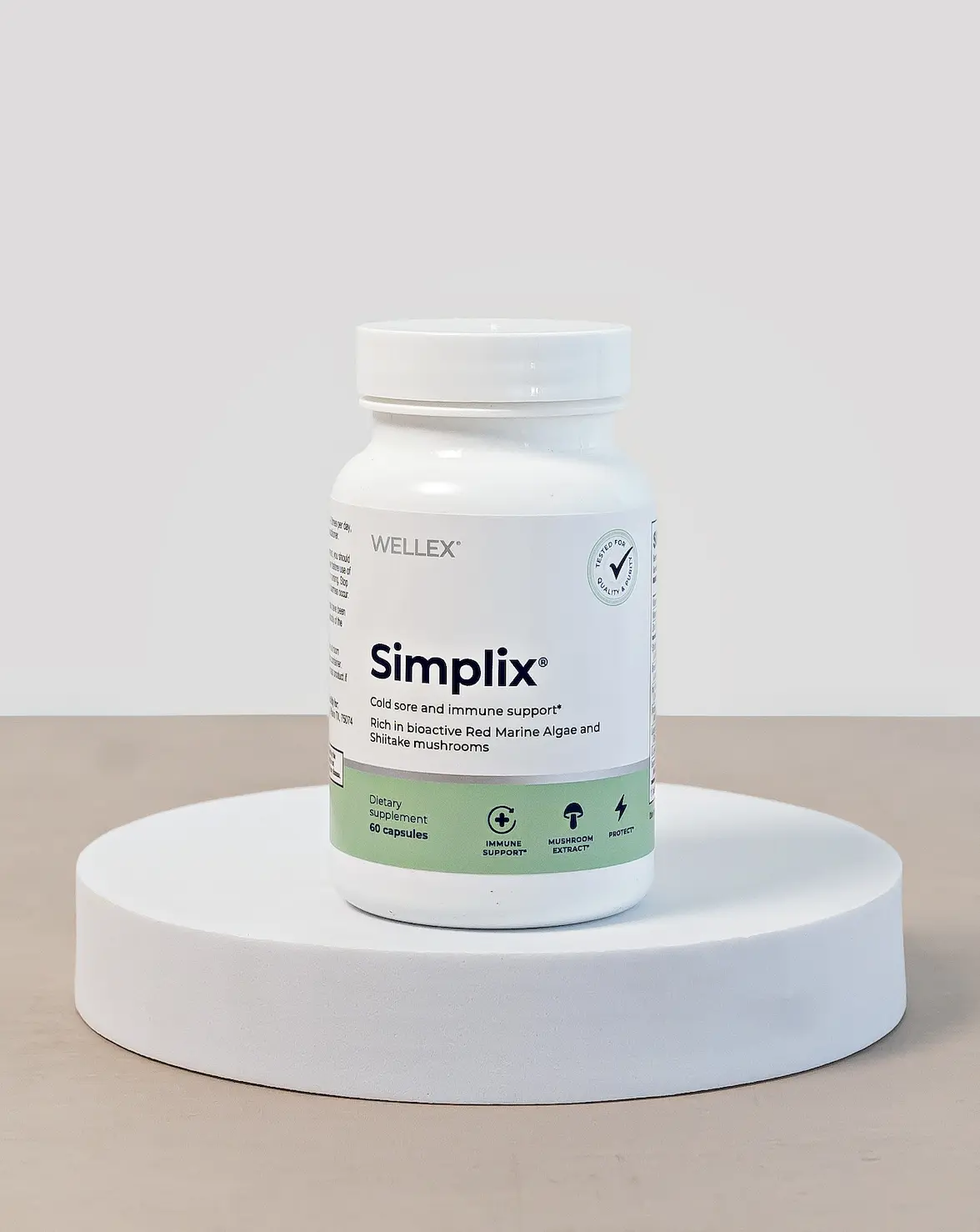
Simplix Viral Defense
Cold Sore & HSV Support
Synergistic formula combining L-Lysine, shiitake mushroom, and marine bioactives for comprehensive immune support.
SHOP NOW & SAVE 15%