Pineapple is a popular tropical fruit known for its sweet, tangy flavor and nutritional benefits. For some people, especially those experiencing cold sore outbreaks or oral sensitivities, pineapple and pineapple juice can cause discomfort and irritation. Understanding why this happens and how to manage it can help you enjoy pineapple more safely.
Why Pineapple Can Irritate the Mouth
The main culprit behind pineapple’s mouth-tingling and sometimes painful sensation is an enzyme called bromelain. Bromelain is a protease enzyme unique to pineapple that breaks down proteins. When you eat fresh pineapple or drink fresh pineapple juice, bromelain starts breaking down the protective mucin proteins in the mucous membranes of your mouth. This weakens the natural protective barrier, making the mouth more vulnerable to irritation from the fruit’s acidity, which typically ranges between pH 3 and 4.
This combination of bromelain’s protein-digesting action and pineapple’s acidity can cause a raw, burning, or tingling sensation on the tongue, cheeks, and roof of the mouth. Fortunately, the body quickly repairs this mild damage by regenerating the mucosal cells, so the irritation is usually temporary.
Pineapple and Cold Sores
Cold sores are caused by the herpes simplex virus (HSV-1) and appear as painful blisters, usually around the lips and mouth. While pineapple does not cause cold sores or trigger outbreaks directly, its acidity and bromelain content can worsen the discomfort during an active outbreak. Acidic foods like pineapple can irritate the already sensitive skin and mucous membranes around cold sores, increasing pain and burning sensations.
As a result, it is advisable to avoid fresh pineapple and pineapple juice during a herpes outbreak flare-up to minimize irritation and promote healing.

Managing Pineapple’s Acidity and Bromelain to Reduce Irritation
If you love pineapple but want to avoid mouth irritation or aggravating cold sores, here are some effective tips:
- Choose canned pineapple or pineapple juice: Canned pineapple undergoes heat treatment that destroys bromelain, significantly reducing the enzyme’s irritating effects. This makes canned pineapple and processed pineapple juice gentler on the mouth compared to fresh fruit.
- Soak pineapple pieces in salt water before eating: Soaking fresh pineapple chunks in salt water for about 10–15 minutes can help neutralize bromelain, reducing its irritating effect on your mouth. After soaking, rinse the pineapple pieces with plain water to remove excess salt and lessen any salty taste. This simple method can make fresh pineapple more comfortable to eat, especially for sensitive mouths.
- Rinse fresh pineapple pieces with plain water: This helps wash away some of the surface acid and bromelain, though it won’t eliminate them entirely.
- Pair pineapple with dairy products: Eating pineapple with yogurt or milk can help neutralize acidity and soothe the mouth.
- Limit quantity and frequency: Eating smaller amounts of fresh pineapple less often can reduce the chance of irritation.
Pineapple Allergy Considerations
It’s important to distinguish between irritation caused by bromelain and a true pineapple allergy. Pineapple allergy, though rare, can cause symptoms ranging from mild oral itching and swelling to severe anaphylaxis. People with pineapple allergy should avoid all forms of pineapple, including fresh, canned, and juice, and be cautious of products containing pineapple.
Conclusion
Pineapple and pineapple juice can cause oral irritation primarily due to bromelain and acidity, which may exacerbate discomfort during cold sore outbreaks.
Avoiding fresh pineapple during flare-ups and opting for canned pineapple or juice can help reduce irritation.
Additionally, soaking fresh pineapple in salt water before eating is an easy and effective way to neutralize bromelain and lessen irritation.
For those with pineapple allergies, complete avoidance is necessary.
With proper management, you can still enjoy pineapple’s unique flavor and nutritional benefits without undue discomfort.
Pineapple and Cold Sores FAQs
Can pineapple cause cold sores?
No, pineapple does not cause cold sores. Cold sores are caused by the herpes simplex virus (HSV-1). However, the acidity and bromelain in pineapple can irritate existing cold sores and worsen discomfort during outbreaks.
Is it safe to eat pineapple during a herpes outbreak?
It is best to avoid fresh pineapple and pineapple juice during a herpes outbreak flare-up, as their acidity and enzymes can irritate sores and delay healing.
How can I reduce the irritation caused by pineapple?
You can soak fresh pineapple pieces in salt water for 10–15 minutes to neutralize bromelain, then rinse with plain water to remove excess salt. Choosing canned pineapple or pineapple juice, which have reduced bromelain, and pairing pineapple with dairy products can also help reduce irritation.
Can pineapple cause allergic reactions?
Yes, although rare, some people have a pineapple allergy that can cause symptoms ranging from mild oral itching and swelling to severe anaphylaxis. Those with a pineapple allergy should avoid all pineapple products.
What are the symptoms of a pineapple allergy?
Symptoms can include skin rashes, itching, swelling of the lips, tongue, or throat, and in severe cases, difficulty breathing and anaphylaxis, which requires immediate medical attention.
How is pineapple allergy diagnosed?
Doctors can diagnose pineapple allergy through skin prick tests or blood tests. They may also recommend an oral food challenge under medical supervision to confirm the allergy.
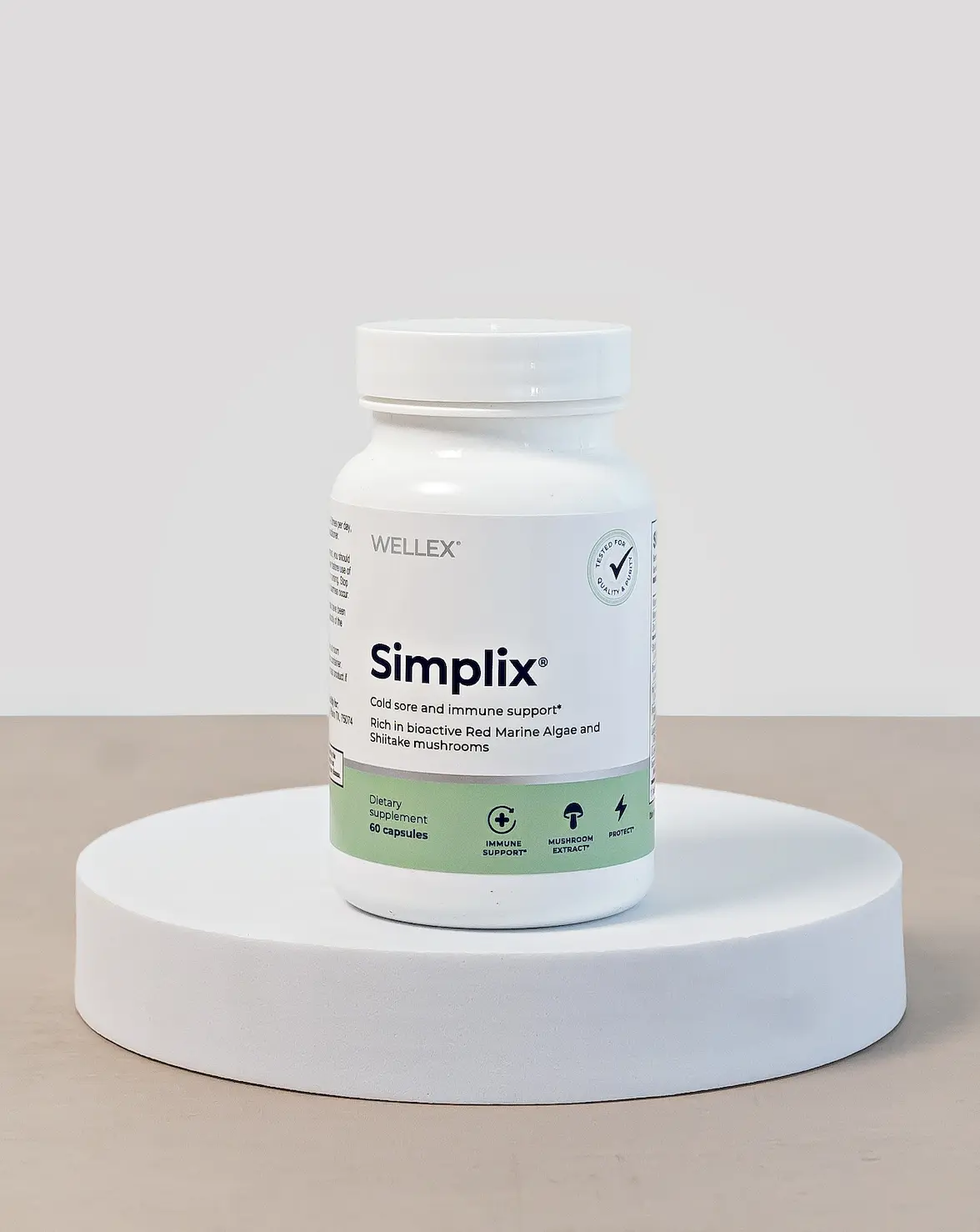
Image: Simplix Viral Defense
Simplix Viral Defense
Why we love it:
- Specifically formulated to reduce cold sore outbreaks
- Contains L-Lysine, Red Marine Algae, and Lemon Balm
- Supports immune system during viral challenges
- Helps manage stress-triggered outbreaks
Recommended Supplements for Herpes Management
Simplix Viral Defense
Cold Sore & HSV Support
Simplix Viral Defense
Cold Sore & HSV Support
Synergistic formula combining L-Lysine, shiitake mushroom, and marine bioactives for comprehensive immune support.
SHOP NOW & SAVE 15%