Cold sores, caused by the herpes simplex virus (HSV), are painful blisters that usually heal within 5 to 15 days.
Hydrogen peroxide is a common antiseptic known for its antibacterial and antiviral properties, leading some to consider it as a home treatment for cold sores.
While hydrogen peroxide may help clean the affected area and reduce bacterial infection risk, its use on cold sores requires caution due to potential skin irritation.
How Hydrogen Peroxide Works on Cold Sores
Hydrogen peroxide acts by releasing oxygen when applied to the skin, which causes foaming that helps remove dead skin and cleanse the area.
Its antiseptic properties can kill bacteria and viruses on the surface, potentially reducing the risk of secondary infections around cold sores.
Some anecdotal evidence and limited studies suggest hydrogen peroxide may help dry out cold sores and reduce inflammation, possibly speeding up healing and preventing new blisters from forming.
Proper Application and Precautions
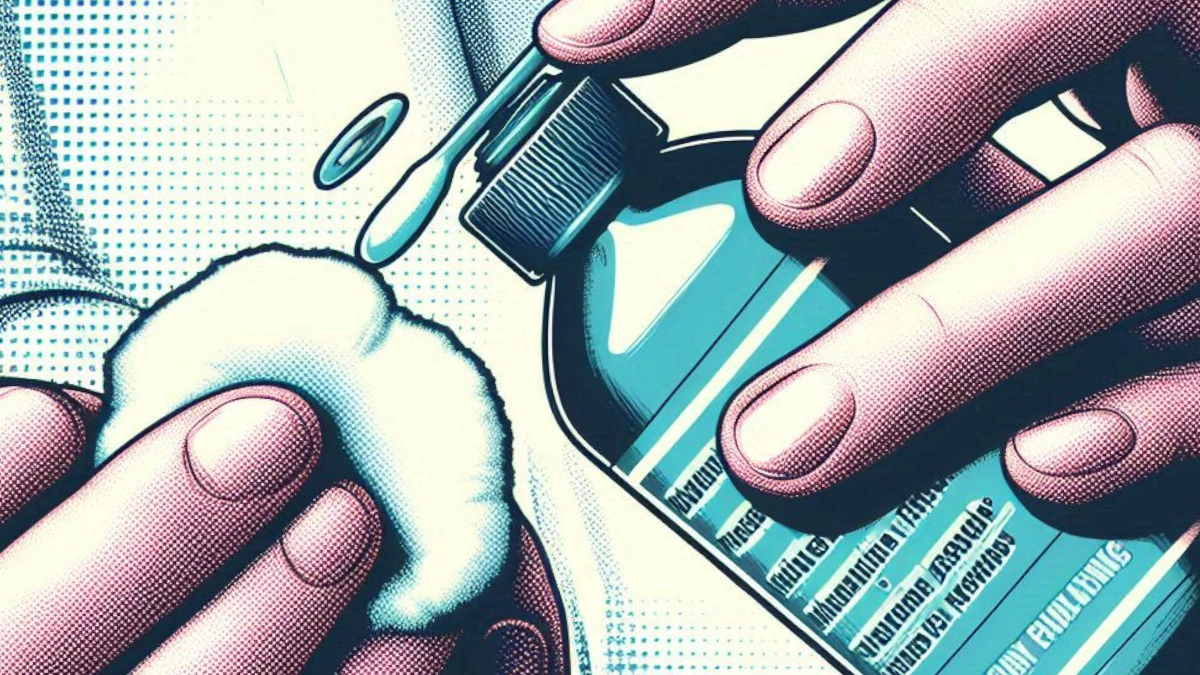
For safe use, it is recommended to apply a small amount of 3% diluted hydrogen peroxide to the cold sore using a clean cotton swab.
Avoid using higher concentrations, which can cause skin burns and damage.
Apply gently without rubbing or applying pressure, and limit use to 1-3 times daily.
If irritation, redness, or increased pain occurs, discontinue use immediately.
Hydrogen peroxide should not be used on deep wounds or broken skin beyond the cold sore itself.
Always consult a healthcare professional before starting treatment, especially if you have sensitive skin or frequent outbreaks.
Risks and Limitations
Although hydrogen peroxide has antiseptic benefits, it may also damage healthy skin cells and delay healing if overused.
Some medical experts caution that it can irritate the skin and potentially slow recovery.
It is not a cure for herpes and does not eliminate the virus from the body.
For severe or recurrent cold sores, antiviral medications prescribed by a doctor remain the most effective treatment.
Safer Alternatives and Supportive Care
Instead of hydrogen peroxide, consider gentle cleansing with mild soap and water and using antiviral creams like acyclovir to reduce symptoms and healing time. Applying soothing agents such as petroleum jelly, lemon balm, or medical-grade honey can protect and moisturize the skin without irritation. Cold compresses may also help alleviate pain and inflammation during outbreaks.
When to See a Doctor
Seek medical advice if cold sores are unusually large, painful, persistent beyond two weeks, or accompanied by fever or swollen lymph nodes. Also consult a healthcare provider if you experience frequent outbreaks or signs of bacterial infection such as pus, increased redness, or swelling.
Conclusion
Hydrogen peroxide can be used cautiously as a mild antiseptic to clean cold sores and reduce bacterial risk.
However, it may cause irritation and is not a definitive treatment for herpes.
Safer, more effective options include antiviral medications and gentle skin care.
Always consult a healthcare professional before using hydrogen peroxide or any home remedy on cold sores to ensure safe and appropriate care.
Hydrogen Peroxide and Cold Sores FAQs
Can I use hydrogen peroxide on my cold sore?
Yes, but only in diluted form (3%) applied gently with a cotton swab. Avoid overuse and discontinue if irritation occurs.
Does hydrogen peroxide cure cold sores?
No, it helps clean the area and reduce bacterial infection risk but does not cure the herpes virus.
Are there risks to using hydrogen peroxide on cold sores?
Yes, it can irritate or damage skin if used excessively or in high concentrations, potentially delaying healing.
What are safer alternatives to hydrogen peroxide for cold sores?
Antiviral creams, gentle cleansing, cold compresses, and soothing agents like petroleum jelly or lemon balm are safer options.
When should I see a doctor about cold sores?
If sores are severe, persistent, frequent, or show signs of bacterial infection, seek medical advice promptly.
Can hydrogen peroxide prevent cold sore outbreaks?
There is no evidence that hydrogen peroxide prevents outbreaks; it only helps manage surface infections during an active sore.
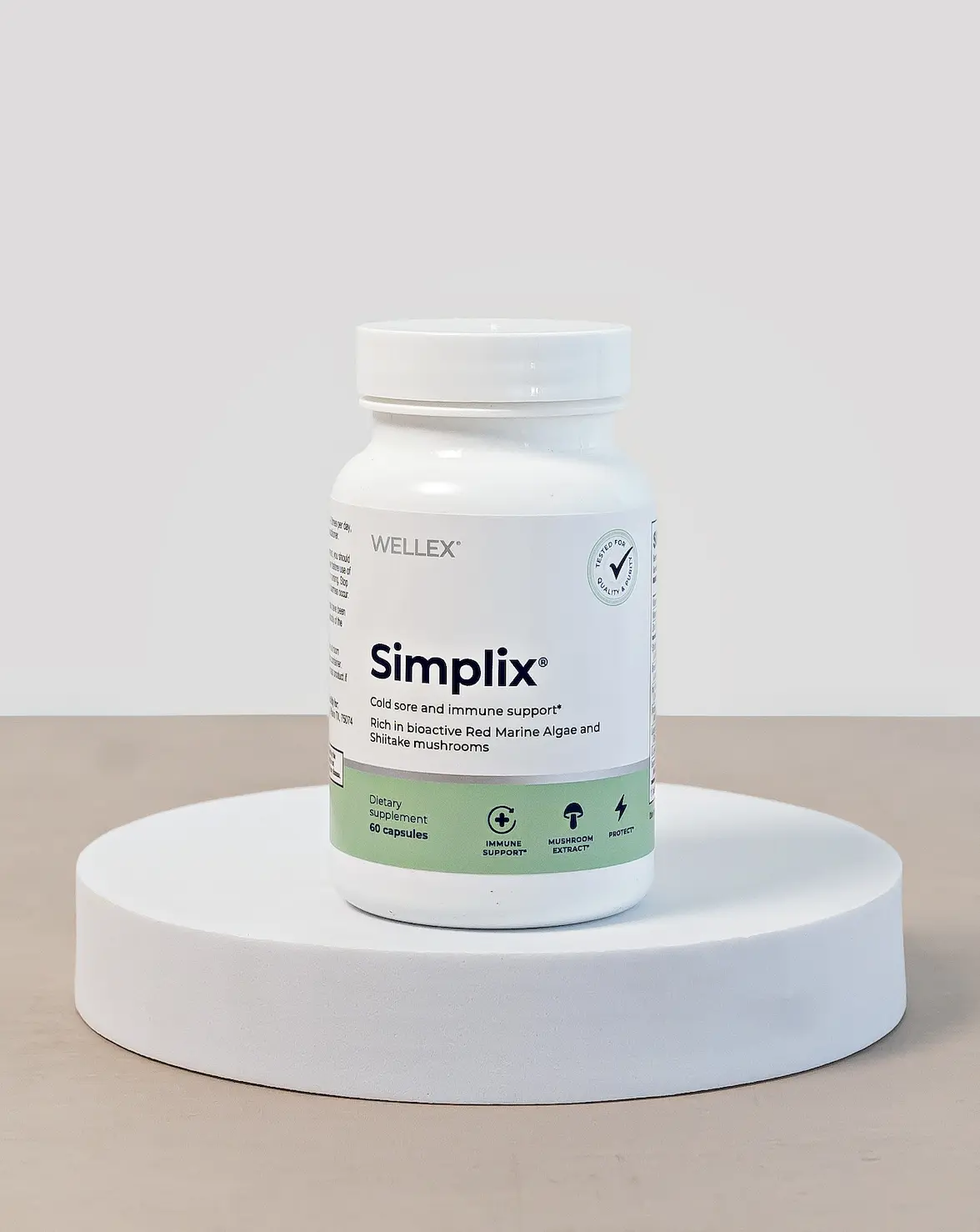
Image: Simplix Viral Defense
Simplix Viral Defense
Why we love it:
- Specifically formulated to reduce cold sore outbreaks
- Contains L-Lysine, Red Marine Algae, and Lemon Balm
- Supports immune system during viral challenges
- Helps manage stress-triggered outbreaks
Recommended Supplements for Herpes Management
Simplix Viral Defense
Cold Sore & HSV Support
Simplix Viral Defense
Cold Sore & HSV Support
Synergistic formula combining L-Lysine, shiitake mushroom, and marine bioactives for comprehensive immune support.
SHOP NOW & SAVE 15%