May 24, 2025 - Researchers at the University of Pennsylvania’s School of Dental Medicine have unveiled an innovative antiviral chewing gum that significantly reduces the transmission of influenza and herpes simplex viruses.
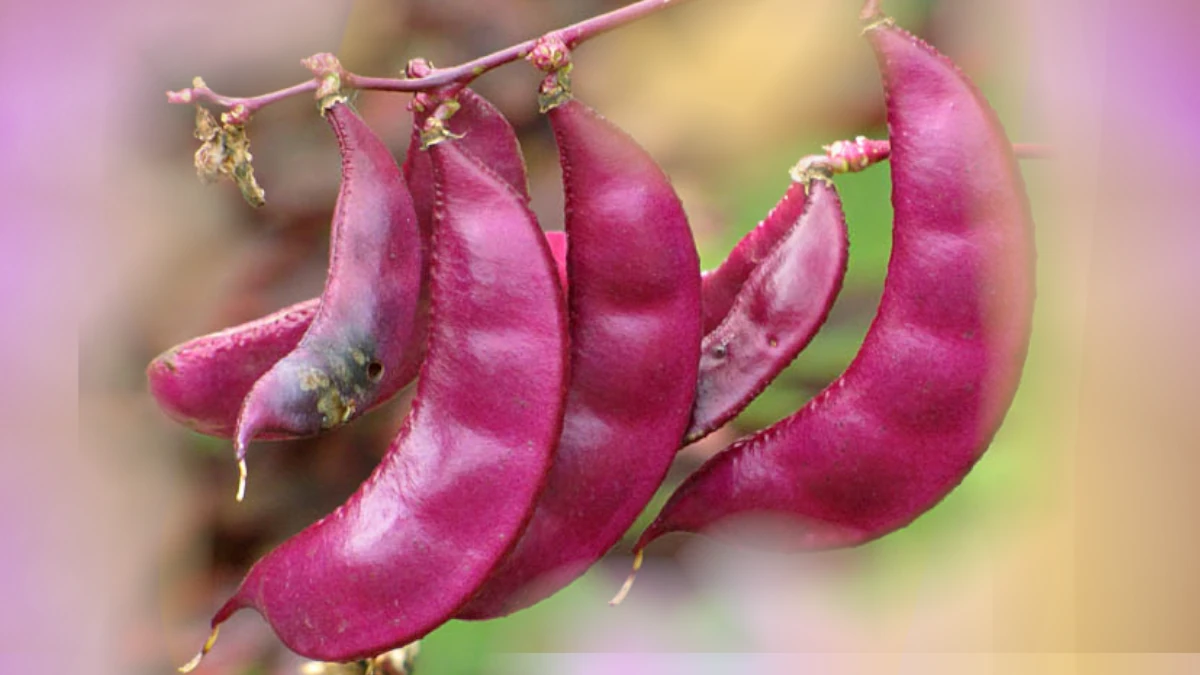
This breakthrough leverages a natural antiviral protein derived from lablab beans, a legume long consumed safely by humans, to target viruses directly in the oral cavity—a major site for viral spread.
Influenza and herpes simplex viruses cause widespread illness globally, with herpes infecting over two-thirds of the population and influenza responsible for seasonal epidemics.
Current prevention methods, including vaccines, have limitations such as variable effectiveness and low uptake.
This antiviral gum offers a complementary, easy-to-use tool to reduce infection and transmission.
The key active ingredient in the gum is FRIL (Flt3 Receptor Interacting Lectin), a carbohydrate-binding protein extracted from the lablab bean (Lablab purpureus).
FRIL binds specifically to complex sugar molecules called N-glycans on the surface of enveloped viruses like influenza and herpes.
This binding causes viral particles to cluster together, effectively trapping and neutralizing them before they can infect cells.
In addition to trapping viruses outside cells, FRIL can penetrate infected cells and inhibit the release of new viral particles, further curbing the spread of infection.
The gum formulation releases more than 50% of the active FRIL protein within 15 minutes of chewing, ensuring rapid and sustained antiviral activity in the mouth, a critical site for virus entry and transmission.
Laboratory tests demonstrated that the gum neutralized over 95% of influenza A strains (H1N1 and H3N2) and herpes simplex virus type 2 (HSV-2), while trapping 75-94% of herpes simplex virus type 1 (HSV-1) particles.
These results highlight the broad-spectrum potential of the gum against multiple viral strains.
Advantages and Potential Impact of the Lablab Bean Protein Gum
One of the major advantages of this antiviral gum is its remarkable stability.
The FRIL protein remains fully functional and stable for over two years at room temperature, eliminating the need for refrigeration and facilitating global distribution, especially in low-resource settings.
The gum meets rigorous clinical-grade safety standards, showing no harmful microbial contamination or toxic compounds.
Its non-invasive delivery as chewing gum makes it easy to use across all age groups without requiring medical supervision or specialized equipment.
By targeting the oral cavity, the gum addresses a key transmission route for both influenza and herpes viruses.
Reducing viral load in saliva and oral secretions can significantly decrease the risk of spreading infections through talking, coughing, or kissing, offering a practical public health intervention.
This antiviral chewing gum builds on prior Penn Dental Medicine research that demonstrated similar FRIL-based gum effectively reduced SARS-CoV-2 viral load in saliva by over 95%.
The current study extends this approach to other common and impactful viruses, showcasing the versatility of the FRIL protein as a broad-spectrum antiviral agent.
The research team is now preparing to initiate human clinical trials to assess the gum’s effectiveness and safety in real-world settings.
These trials will provide critical data to support regulatory approval and potential commercialization.
Beyond human health applications, researchers are exploring the gum’s potential use in veterinary medicine, such as controlling avian influenza outbreaks in poultry farms, which have caused significant economic losses and occasional human infections.
A Promising New Tool in the Fight Against Viral Infections
The development of this antiviral chewing gum represents a promising new strategy to reduce the spread of influenza and herpes viruses by neutralizing them directly in the oral cavity.
With no vaccine currently available for herpes simplex virus and variable flu vaccine uptake worldwide, this gum could become an important, affordable tool to lower infection rates and associated health burdens globally.
Its ease of use, long shelf life, and broad-spectrum antiviral activity position it as a valuable addition to existing preventive measures.
As viral infections continue to challenge global health systems, innovations like the FRIL-containing chewing gum offer hope for more accessible and effective control strategies.

Image: Bravado Labs Advanced Lysine Immune Boost
Bravado Labs Advanced Lysine Immune Boost
Why we love it:
- Verified Customer Favorite
- High Quality Ingredients
As an affiliate, we earn from qualifying purchases.
Recommended Supplements for Herpes Management
Simplix Viral Defense
Cold Sore & HSV Support
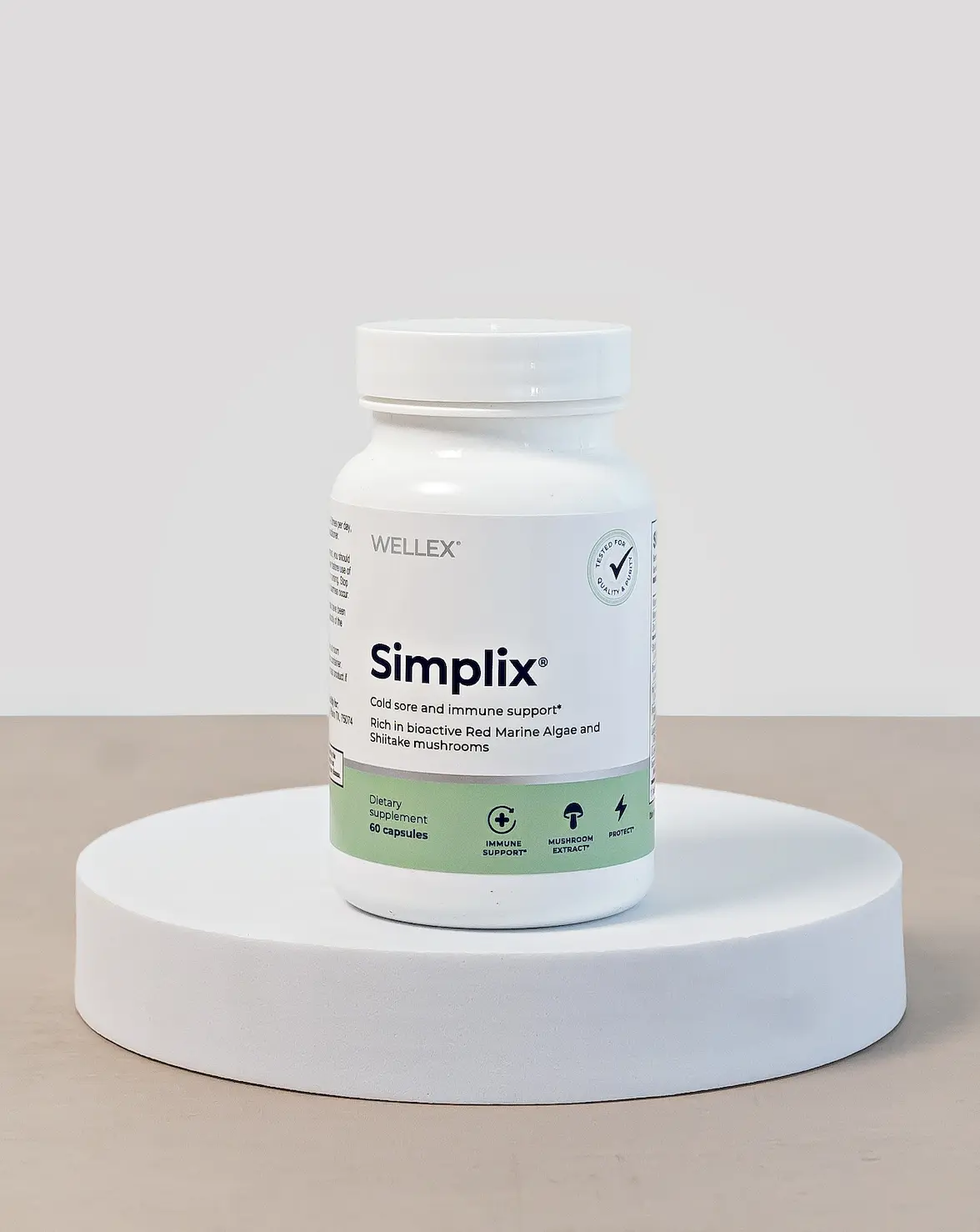
Simplix Viral Defense
Cold Sore & HSV Support
Synergistic formula combining L-Lysine, shiitake mushroom, and marine bioactives for comprehensive immune support.
SHOP NOW & SAVE 15%