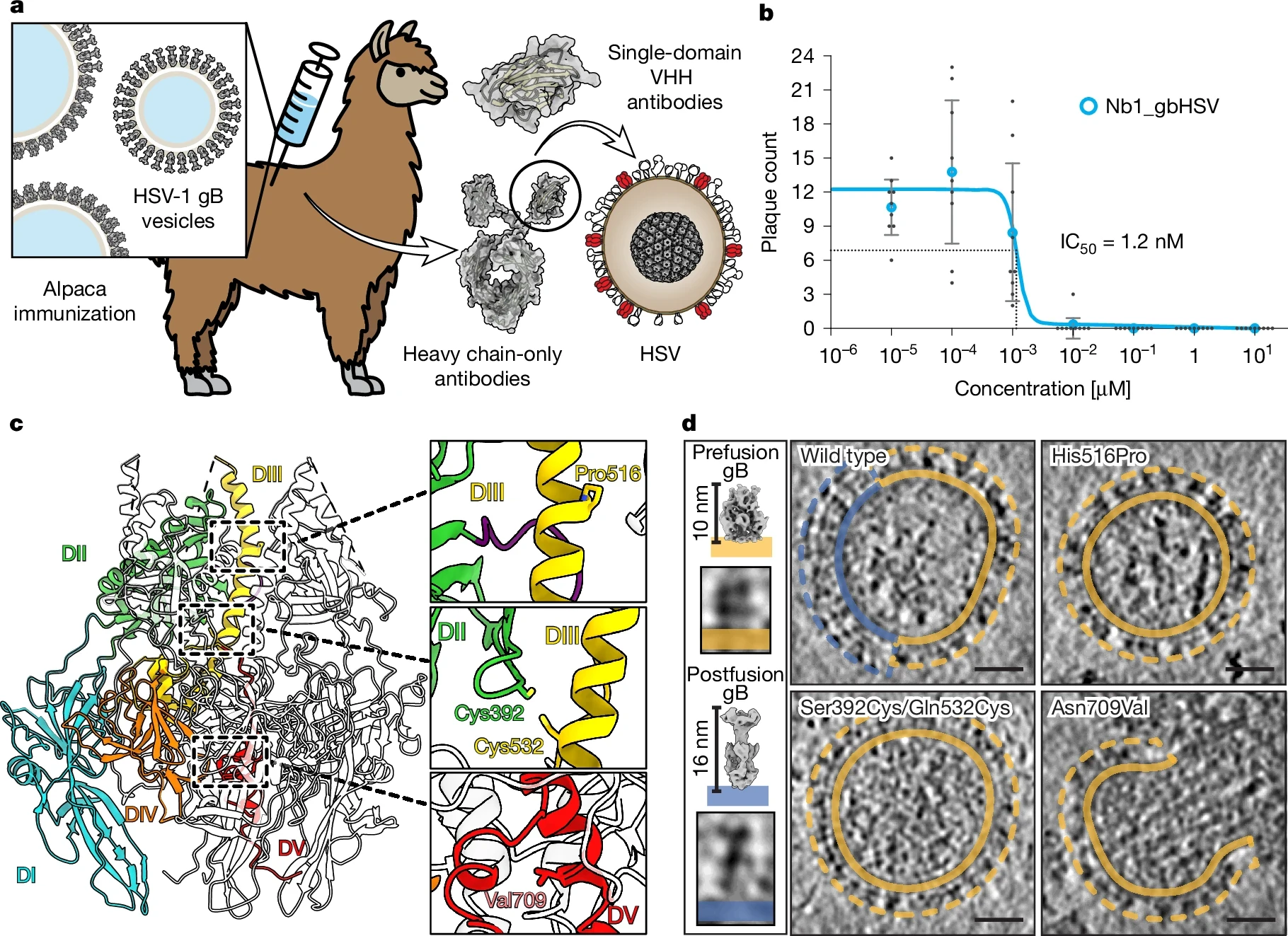
Recent research has uncovered a significant connection between the herpes simplex virus type 1 (HSV-1) — the virus responsible for cold sores — and Alzheimer’s disease.
Scientists from institutions such as the University of Pittsburgh and Hebrew University of Jerusalem have found evidence that latent HSV-1 infections in the brain may trigger or accelerate pathological processes leading to Alzheimer’s, offering promising new directions for early diagnosis and therapeutic interventions.
HSV-1 is a neurotropic virus that can remain dormant in nerve cells for years, periodically reactivating and potentially causing damage.
This persistent infection may induce chronic inflammation in brain regions critical for memory and cognition, which are notably affected in Alzheimer’s disease.
The link between viral infection and neurodegeneration adds a new dimension to understanding Alzheimer’s beyond traditional amyloid and tau hypotheses.
Multiple studies analyzing brain tissue samples from Alzheimer’s patients and healthy controls have discovered that HSV-1 DNA is present in a majority of Alzheimer’s-affected brain regions, especially those involved in memory and cognitive function.
The virus appears to activate inflammatory pathways and promote the accumulation of amyloid-beta plaques, which are hallmark features of Alzheimer’s pathology.
Research published in Cell Reports (2025) revealed that tau protein, often considered detrimental in Alzheimer’s, may initially serve as a protective response against HSV-1 infection.
However, over time, this protective mechanism can fail, contributing to neuronal damage and disease progression.
This complex interplay between viral infection and host immune response highlights potential new therapeutic targets.
Herpes simplex virus type 1 (HSV-1) infects more than half of the global population, typically causing cold sores.
While usually dormant in nerve cells, HSV-1 can reactivate periodically, especially under stress or immune decline.
Such reactivations in the brain may cause chronic inflammation and neuronal damage, potentially contributing to Alzheimer’s onset and progression.
Recent epidemiological studies have shown that individuals with symptomatic HSV-1 infections have an approximately 80% higher risk of developing Alzheimer’s disease compared to those without HSV-1.
Importantly, antiviral treatment appears to reduce this risk, suggesting that managing viral reactivation could be a viable preventive strategy.
Understanding the Link Between HSV and Alzheimer’s
Alzheimer’s disease remains a leading cause of dementia worldwide, with no definitive cure.
The exact causes are multifactorial and not fully understood.
The emerging viral hypothesis, supported by growing evidence, adds a compelling piece to the puzzle. Understanding HSV-1’s role in Alzheimer’s could revolutionize prevention strategies, including antiviral treatments aimed at reducing viral reactivation and brain inflammation. Notably, amyloid-beta peptides, traditionally viewed as pathological, may also have antimicrobial properties, including activity against HSV-1.
This suggests that amyloid accumulation could be a defensive response to infection, reframing how we interpret hallmark Alzheimer’s pathology.
Researchers have employed advanced molecular techniques to detect HSV-1 DNA and proteins in post-mortem brain samples from Alzheimer’s patients.
Experimental models, including neuronal cultures and brain organoids, demonstrate that HSV-1 infection induces production of amyloid-beta and tau proteins, which aggregate abnormally in Alzheimer’s disease.
Additional studies have shown that HSV-1 infection disrupts microglial function, impairing mitophagy (the clearance of damaged mitochondria) and phagocytosis (removal of amyloid aggregates).
These disruptions accelerate neurodegenerative processes, providing mechanistic insight into how viral infection may exacerbate Alzheimer’s pathology.
Large-scale epidemiological data support the association between HSV infections and increased dementia risk.
A 2025 study analyzing over 340,000 U.S. patients found that those with a history of HSV-1 infection had an 80% higher risk of developing Alzheimer’s disease compared to controls.
Crucially, patients treated with antiviral medications like acyclovir or valacyclovir had a 17% lower risk of developing dementia, underscoring the potential protective effect of antiviral therapy.
These findings emphasize the importance of considering viral infections as modifiable risk factors in Alzheimer’s disease and highlight the need for further clinical investigation into antiviral interventions as preventive or therapeutic measures.
Toward New Treatments and Prevention
Ongoing clinical trials are evaluating whether existing antiviral therapies, such as acyclovir and valacyclovir, can reduce Alzheimer’s risk or slow disease progression in patients with HSV-1 infections. Repurposing these well-established antiviral drugs could offer a practical and cost-effective approach to combatting Alzheimer’s disease. In parallel, novel drug candidates like ALT001, developed by researchers in Korea, have shown promise in disrupting the link between HSV-1 infection and neurodegeneration by restoring microglial function and mitigating inflammation in experimental models.
These advances suggest a new frontier in Alzheimer’s treatment focused on viral and immune mechanisms.
While the viral hypothesis is gaining strong support, experts caution that Alzheimer’s disease is multifactorial.
HSV-1 infection likely interacts with genetic factors—such as the ApoE ε4 allele, which increases susceptibility to HSV infection—and lifestyle influences to drive disease onset and progression.
Future research aims to clarify these complex interactions and develop personalized prevention strategies that integrate antiviral treatment, genetic risk assessment, and lifestyle modification to reduce Alzheimer’s incidence and severity.

Image: Bravado Labs Advanced Lysine Immune Boost
Bravado Labs Advanced Lysine Immune Boost
Why we love it:
- Verified Customer Favorite
- High Quality Ingredients
As an affiliate, we earn from qualifying purchases.
Recommended Supplements for Herpes Management
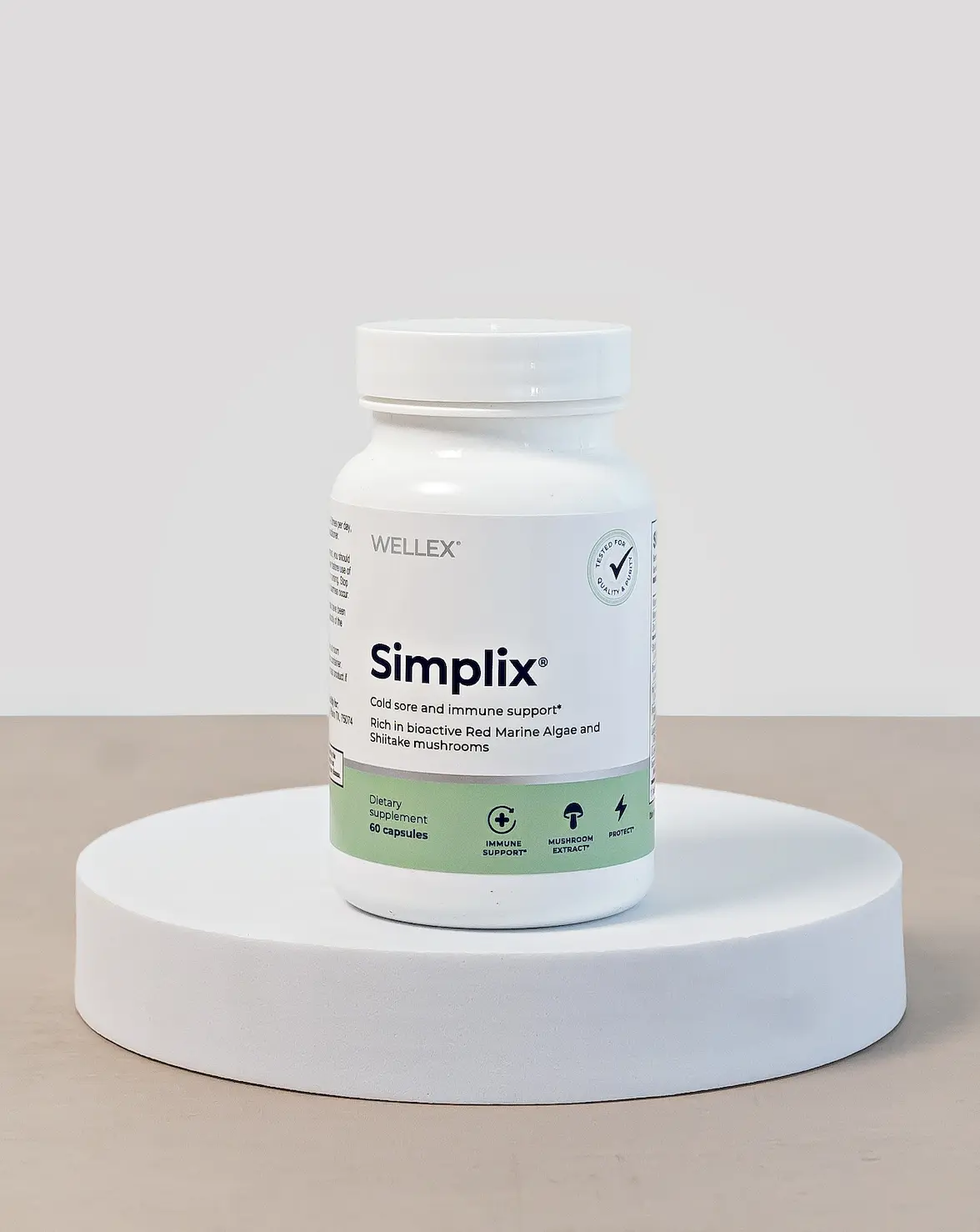
Simplix Viral Defense
Cold Sore & HSV Support
Simplix Viral Defense
Cold Sore & HSV Support
Synergistic formula combining L-Lysine, shiitake mushroom, and marine bioactives for comprehensive immune support.
SHOP NOW & SAVE 15%