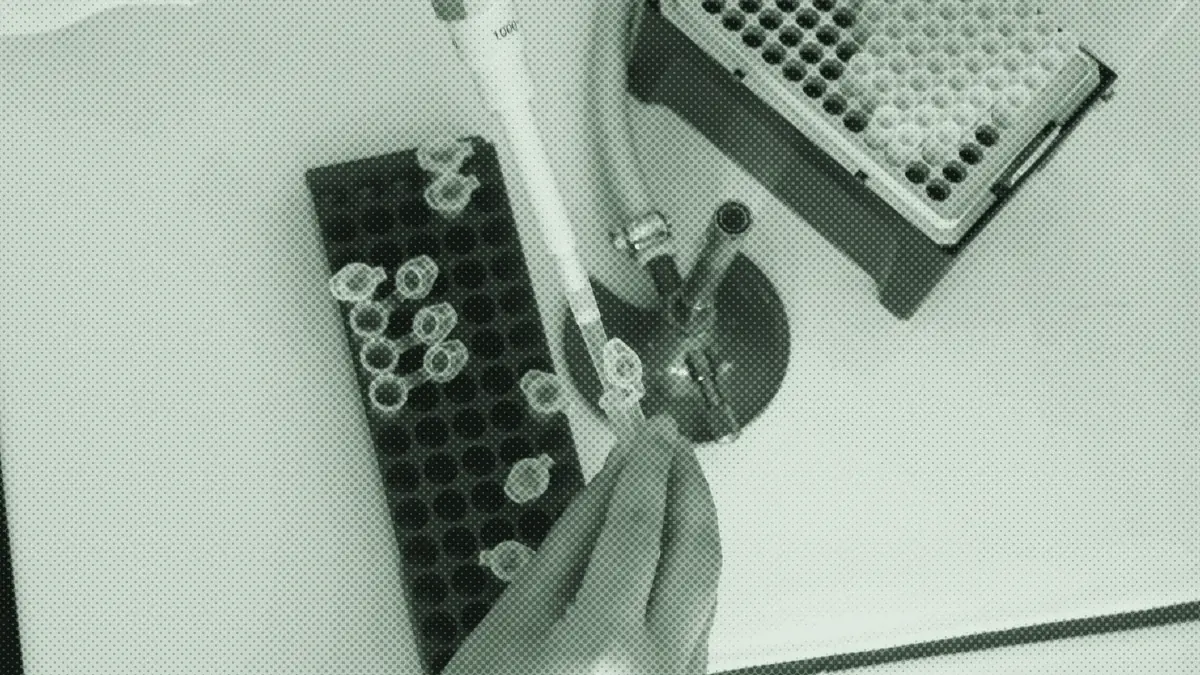
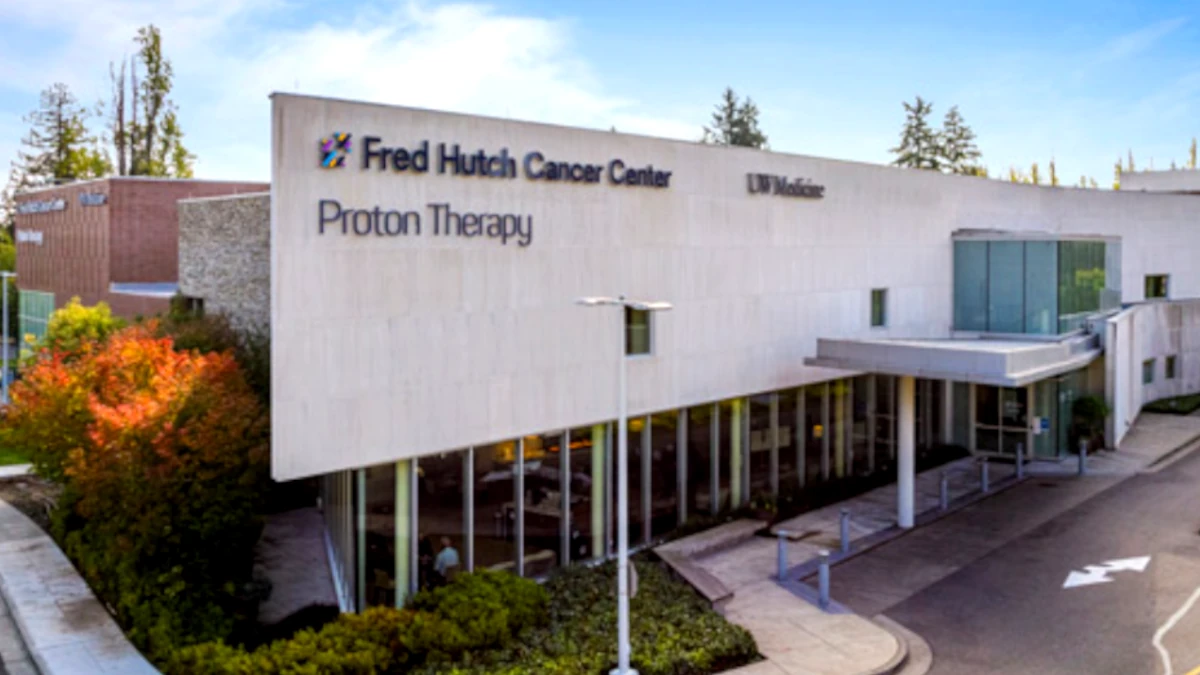
In a remarkable development that could change the lives of millions affected by herpes, researchers at the Fred Hutchinson Cancer Center have made a significant breakthrough in using gene editing technology to potentially cure herpes simplex virus (HSV) infections.
The experimental gene therapy uses viral vectors to deliver enzymes that act as molecular scissors to cut and eliminate HSV genes hiding in infected cells.
It's shown promising results in mice, as reported in a recent study published in the prestigious journal *Nature Communications*.
Simplix Viral Defense
Cold Sore & HSV Support
Simplix Viral Defense
Cold Sore & HSV Support
Synergistic formula combining L-Lysine, shiitake mushroom, and marine bioactives for comprehensive immune support.
SHOP NOW & SAVE 15%The latest study, led by Dr. Keith Jerome and his team, demonstrates that the refined gene therapy knocks out most latent HSV infection and dramatically reduces or eliminates viral shedding in treated mice compared to controls. Viral shedding is the process by which the virus transmits to others, making this finding particularly significant in the quest to prevent herpes spread.
The Herpes simplex virus causes either cold sores around the mouth (HSV-1) or blisters near the genitals (HSV-2), affecting millions worldwide.
While often considered a nuisance, herpes infections can have serious consequences, increasing the risk of contracting HIV and potentially contributing to dementia later in life.
Additionally, social stigma surrounding herpes can lead to significant stress and anxiety for those living with it.
Existing antiviral medications help reduce herpes outbreaks, but they don't eliminate the viruses completely. This is because herpes is a latent or persistent virus. Its DNA integrates into human nerve cell genomes and stays put for life, randomly reactivating to cause more shedding and sores.
The new gene therapy aims to surgically remove herpes DNA from nerve cells in a highly precise way.
Researchers injected into the bloodstream a mixture of gene editing components packaged inside a modified virus shell, called a vector.
Once the vectors reach nerve cell clusters harboring latent herpes viruses, the molecular scissors get to work, literally 'snipping away' at two different spots in the herpes genetic code, cutting it so badly that it becomes corrupted beyond repair.
The body's cellular repair systems then recognize the mangled viral DNA as foreign and destroy it.
In mice infected with the HSV-1 strain, a single gene therapy treatment eliminated over 90% of the virus from nerves involved in oral herpes and 97% from those linked to genital herpes after about a month. Even more impressive, it dramatically reduced infectious virus particles being shed from nerves, which is important for stopping herpes transmission through skin-on-skin contact.
Researchers have steadily improved and simplified the gene therapy. The latest iteration uses just one vector and one meganuclease that cuts viral DNA in two spots. This streamlined approach is not only effective at eliminating the herpes virus but also has fewer side effects on the liver and nerves, making it a promising candidate for future human trials.
"If you talk to people living with herpes, many are worried about whether their infection will transmit to others," says Dr. Jerome. "Our aim is to cure people of this infection, so that they don't have to live with the worry of outbreaks or of transmitting it to another person."
While turning this gene editing approach into an approved human treatment will take more time and research, including clinical trials, the Fred Hutch team is excited about the potential for a cure after decades of fruitless efforts. They're collaborating with partners to prepare for human studies.
Update, October 2026: No human trial of the Fred Hutch therapy has been registered yet. The team has said it hopes to start around 2026 or 2027. Meanwhile, China's CRISPR therapy BD111 is in a Phase 2a trial for HSV-1 eye infections. See our herpes cure research update for the latest.

Image: Bravado Labs L-Lysine Cold Sore Treatment
Bravado Labs L-Lysine Cold Sore Treatment
Why we love it:
- Verified Customer Favorite
- High Quality Ingredients
As an affiliate, we earn from qualifying purchases.