Natural remedies for herpes and cold sores focus on alleviating symptoms, promoting healing, and potentially reducing the frequency of outbreaks. While there is no cure for herpes, various natural treatments can support the body's healing process and enhance the immune response. This article explores several effective natural remedies based on current research and traditional practices.
Natural Remedies for Cold Sores
Aloe Vera
Aloe vera gel is widely recognized for its soothing properties. It contains vitamins, enzymes, and minerals that can help reduce inflammation and promote healing when applied directly to cold sores.Peppermint Oil
Research indicates that peppermint oil has strong antiviral properties against the herpes simplex virus (HSV). A study showed that it could inhibit HSV-1 and HSV-2 effectively, especially when applied at the onset of symptoms.Vanilla Extract
Vanilla extract possesses anti-inflammatory properties. Applying it to the cold sore as soon as symptoms appear can help reduce pain and speed up healing.Lemon Balm
Lemon balm (Melissa officinalis) has been shown to effectively reduce the severity and duration of cold sores. Applying lemon balm cream may help alleviate symptoms and prevent future outbreaks.Medical-Grade Honey
Recent studies have highlighted the efficacy of medical-grade honey (MGH) in treating cold sores. MGH has demonstrated both antiviral and wound healing properties, leading to faster recovery times compared to conventional treatments.Echinacea
Echinacea is known for its immune-boosting properties. Drinking echinacea tea may help enhance the immune response during herpes outbreaks, potentially reducing their frequency and severity.Ice and Cold Compresses
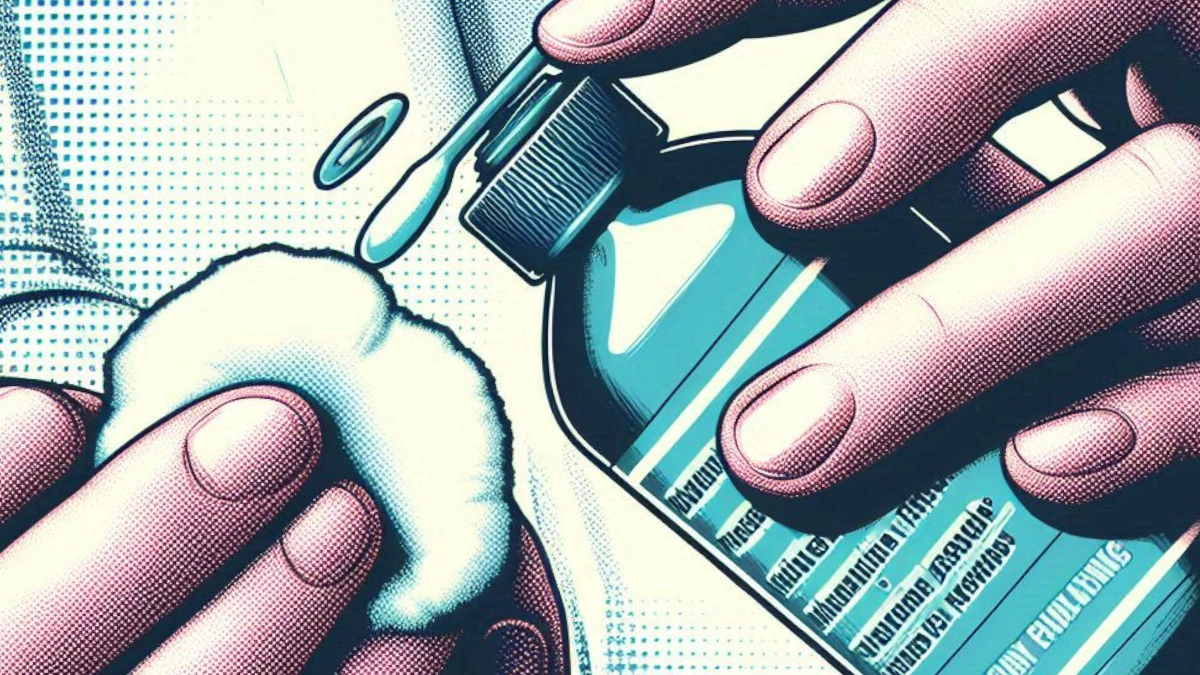
Applying ice or a cold compress to a cold sore can help reduce inflammation and numb the pain. This method is simple and can provide immediate relief.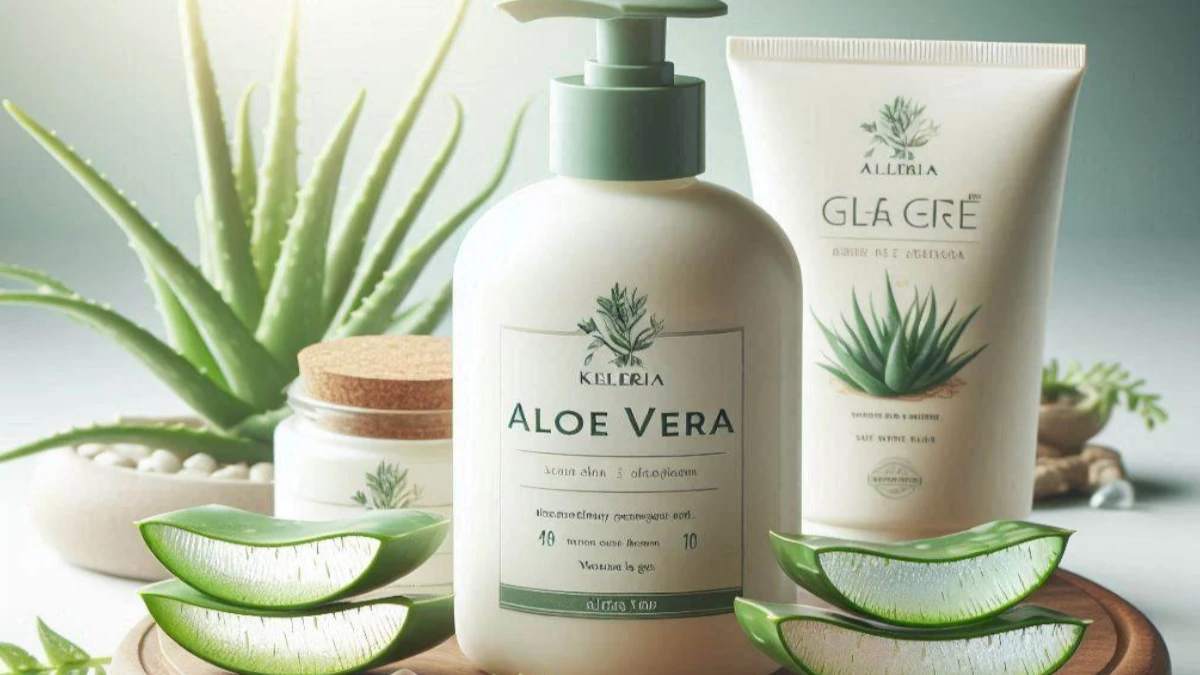
General Natural Remedies for Herpes
Dietary Adjustments
Incorporating foods rich in antioxidants, vitamins (especially C and E), and omega-3 fatty acids can support the immune system. Foods like spinach, kale, salmon, and berries are beneficial.L-Lysine Supplements
L-lysine, an essential amino acid, may help reduce the frequency of herpes outbreaks. It is often recommended to take L-lysine supplements or consume foods high in lysine, such as dairy products and legumes.Zinc
Zinc is crucial for immune function. Taking zinc supplements may help manage herpes outbreaks and support overall skin health.Avoiding Trigger Foods
Some foods, particularly those high in arginine (like nuts and chocolate), may trigger herpes outbreaks. Reducing the intake of such foods can be beneficial.Essential Oils
Other essential oils, such as tea tree oil and neem oil, have shown antiviral properties. However, they should be diluted before application to avoid skin irritation.Stress Management
Stress is a known trigger for herpes outbreaks. Practices such as yoga, meditation, and regular exercise can help manage stress levels and potentially reduce the frequency of outbreaks.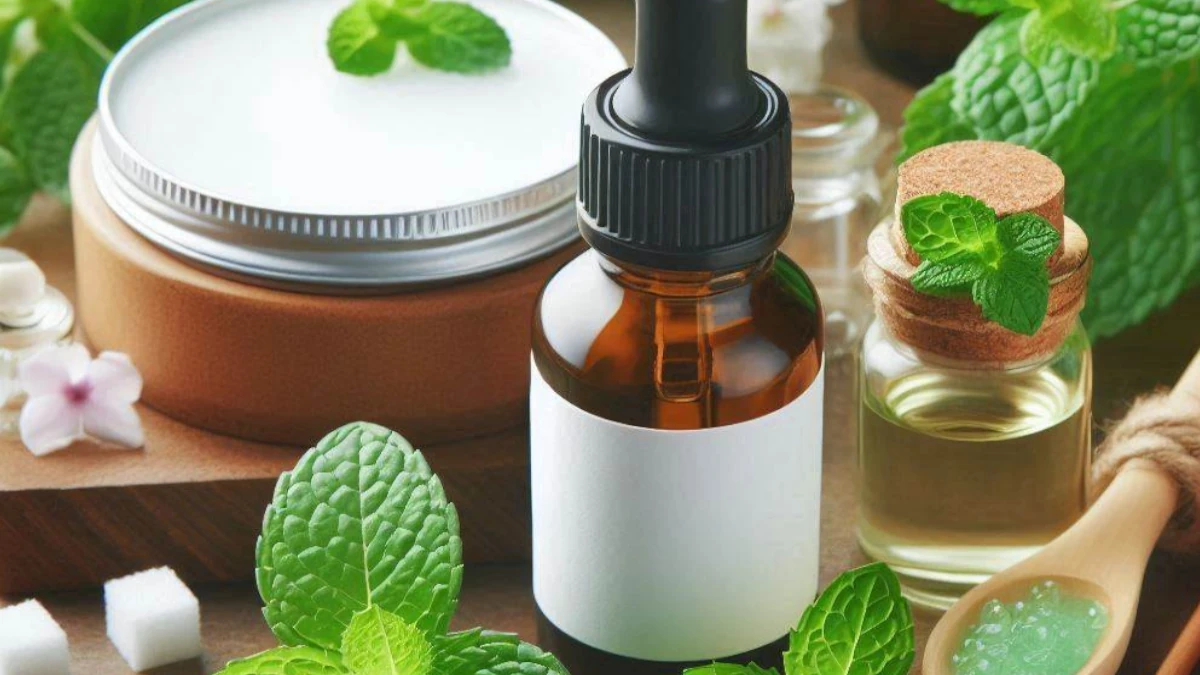
Natural Dietary Strategies for Managing Herpes
Lysine plays a crucial role in managing herpes outbreaks by inhibiting the replication of the herpes simplex virus.
This essential amino acid competes with arginine, another amino acid that the virus needs to thrive.
Increasing lysine intake can help reduce the frequency and severity of outbreaks.
Natural sources of lysine include:
- Dairy Products: Yogurt, cheese, and milk are excellent sources.
- Meat and Poultry: Chicken, beef, and turkey are rich in lysine.
- Fish: Varieties such as cod and salmon are beneficial.
- Legumes: Beans and lentils provide a good plant-based source.
- Eggs: A versatile source of lysine that can be easily incorporated into meals.
Probiotic strains like Lactobacillus rhamnosus have been shown to promote gut health and may reduce the incidence of herpes lesions.
On the other hand, it is advisable to avoid foods high in arginine, which can exacerbate herpes symptoms.
Common arginine-rich foods to limit include:
- Nuts and Seeds: Particularly peanuts and pumpkin seeds.
- Chocolate: Known to trigger outbreaks in some individuals.
- Whole Grains: Foods like oats and wheat can also be problematic.
- Citrus Fruits: While healthy, some people report that they can trigger outbreaks.
Natural Supplements for Herpes Management
In addition to dietary changes, several natural supplements can help manage herpes outbreaks.
These include:
- L-Lysine Supplements: As mentioned, lysine can be taken in supplement form to help reduce the frequency of outbreaks.
A typical dosage ranges from 1000 mg to 3000 mg per day.
- Monolaurin: Derived from coconut oil, monolaurin has antiviral properties that can disrupt the viral envelope of the herpes simplex virus.
It may help inhibit the virus's ability to infect cells and support overall immune function.
- Medicinal Mushrooms: Supplements such as reishi and shiitake mushrooms are known for their immune-boosting properties.
They can enhance the body's defense mechanisms and may help in managing herpes outbreaks.
Always consult with a healthcare professional before starting any new supplement regimen to ensure safety and efficacy.

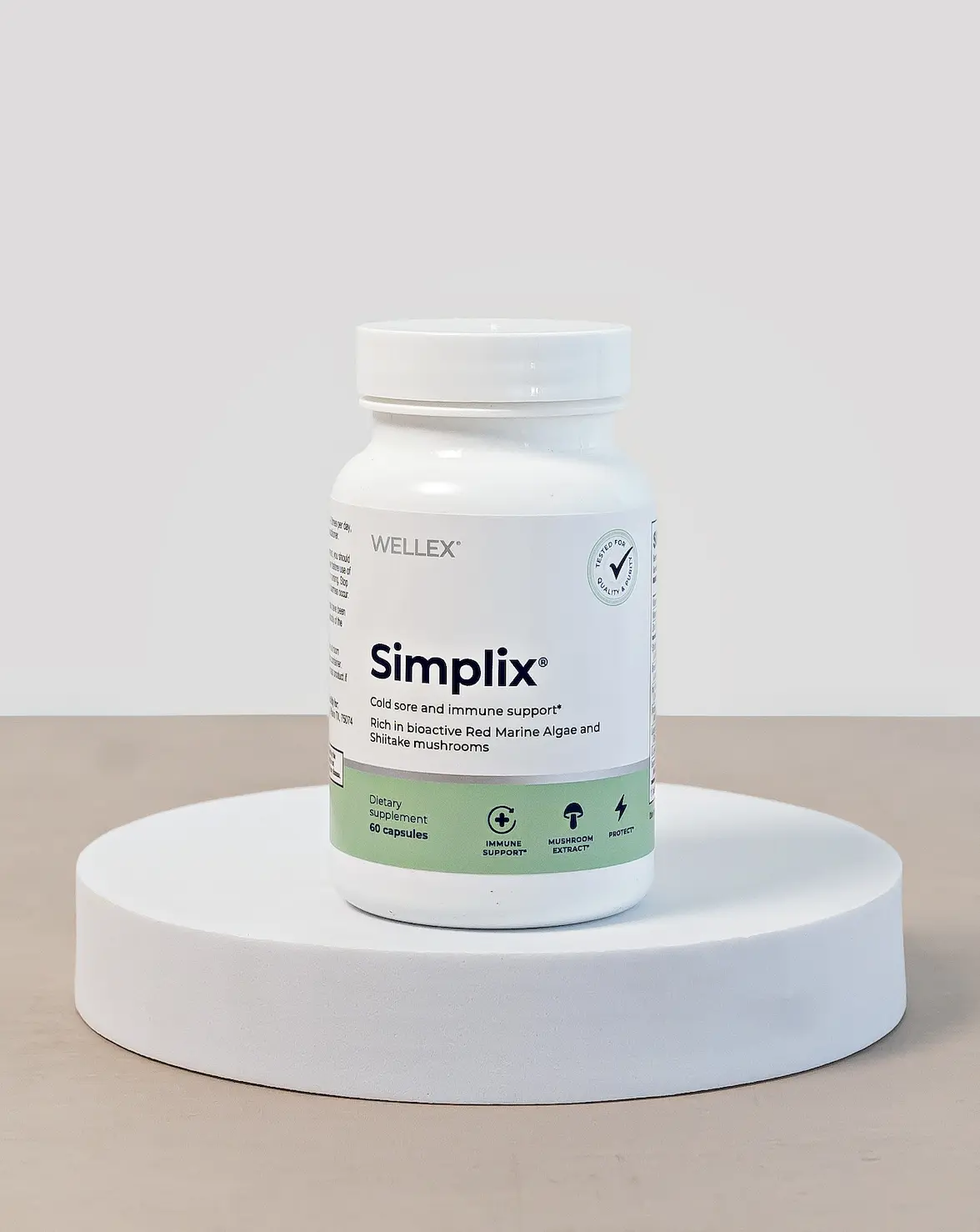
Image: Simplix Viral Defense
Simplix Viral Defense
Why we love it:
- Specifically formulated to reduce cold sore outbreaks
- Contains L-Lysine, Red Marine Algae, and Lemon Balm
- Supports immune system during viral challenges
- Helps manage stress-triggered outbreaks
Recommended Supplements for Herpes Management
Simplix Viral Defense
Cold Sore & HSV Support
Simplix Viral Defense
Cold Sore & HSV Support
Synergistic formula combining L-Lysine, shiitake mushroom, and marine bioactives for comprehensive immune support.
SHOP NOW & SAVE 15%