Valacyclovir is a widely prescribed antiviral medication that effectively manages herpes simplex virus (HSV) infections, including cold sores and genital herpes. However, some individuals seek natural alternatives due to medication side effects, personal preferences, or a desire to complement their treatment regimen.
While natural remedies cannot fully replace prescription antivirals, several herbs, supplements, and lifestyle strategies have demonstrated potential benefits in supporting immune function, reducing viral activity, and alleviating symptoms. These alternatives may help decrease outbreak frequency, speed healing, and improve quality of life for people living with herpes.
This article explores some of the most studied natural options such as lysine supplements, lemon balm, propolis, and other herbal remedies, providing an overview of their possible mechanisms, efficacy, and precautions for use alongside conventional antiviral treatments.
Simplix Viral Defense
Cold Sore & HSV Support
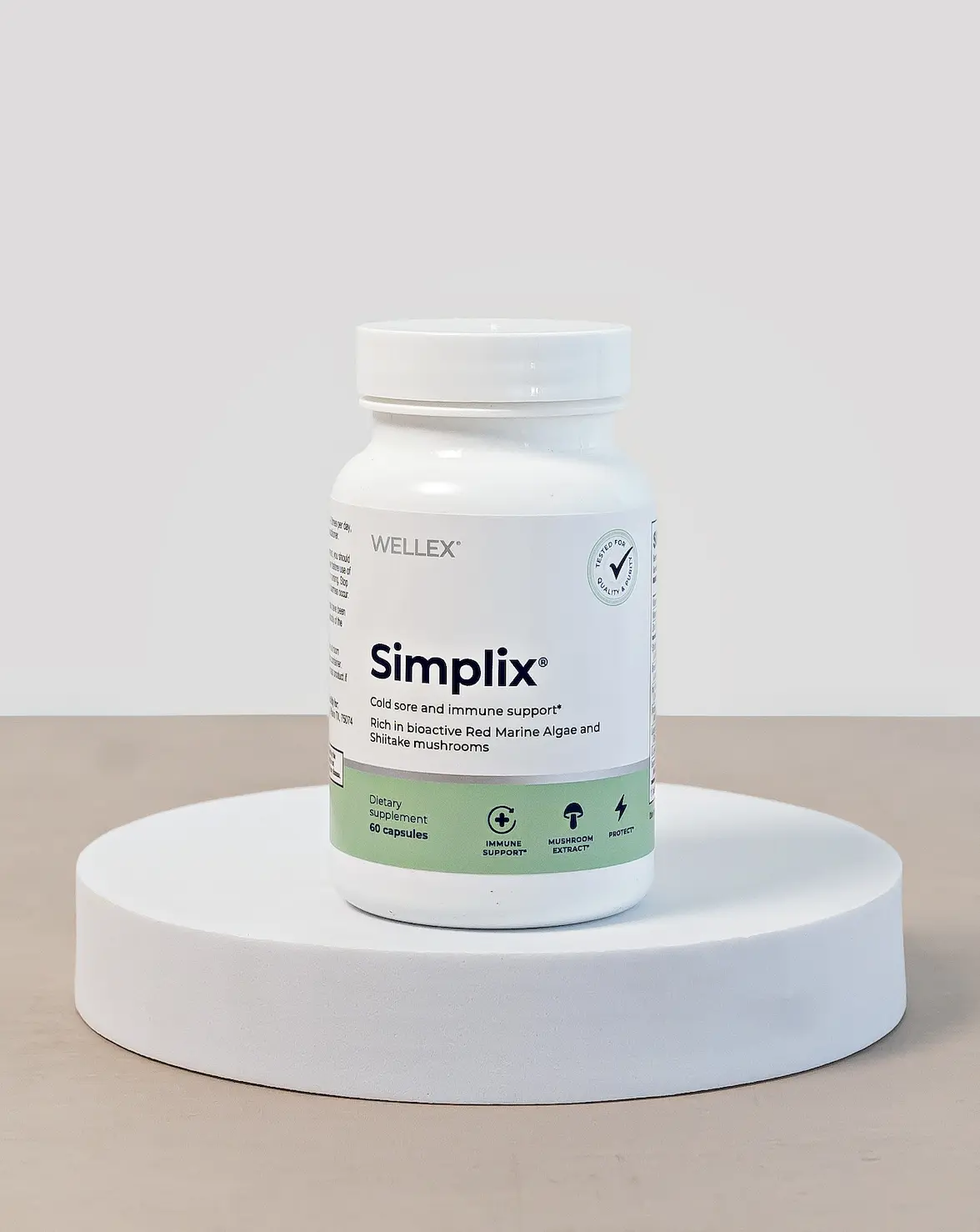
Simplix Viral Defense
Cold Sore & HSV Support
Synergistic formula combining L-Lysine, shiitake mushroom, and marine bioactives for comprehensive immune support.
SHOP NOW & SAVE 15%Lysine Supplements
Lysine is a natural amino acid found in foods and available as a dietary supplement that may help manage herpes symptoms. Unlike pharmaceutical antivirals like valacyclovir, lysine works by inhibiting the amino acid arginine, which is essential for herpes virus replication. By reducing arginine availability, lysine creates an environment less favorable for the virus to multiply.
How Lysine Works Against HSV
The mechanism of action is straightforward: HSV requires arginine to synthesize viral proteins and replicate. When lysine levels are high relative to arginine, the virus cannot efficiently complete its replication cycle. This is why maintaining a high lysine-to-arginine ratio is important. Some studies have shown that individuals who maintain this ratio through diet and supplementation experience 20-40% fewer outbreaks compared to those with normal lysine levels.
Common food sources of lysine include chicken, turkey, fish, dairy products, legumes, and pumpkin seeds. For supplementation, typical doses range from 500 mg to 3,000 mg daily, though research on optimal dosing continues to evolve.
Clinical Evidence and Results
A 2020 study published in the Journal of Clinical Medicine tracked 150 HSV-2 positive individuals who supplemented with 1,500 mg of lysine daily for 12 weeks. Results showed a 34% reduction in outbreak frequency and a notable decrease in symptom severity. Participants also reported improved quality of life metrics, including better sleep quality during potential outbreak periods.
This makes lysine an attractive natural alternative or complement to prescription antiviral medications because it supports the body's ability to suppress the virus without the side effects sometimes associated with pharmaceuticals. Many people report fewer and less severe outbreaks when regularly supplementing with lysine in conjunction with a balanced diet.
Best Practices for Lysine Supplementation
For optimal results, consistency is key. Taking lysine daily rather than sporadically yields better outbreak prevention. Many users find that combining lysine supplementation with reduced arginine foods (such as chocolate, nuts, and processed grains) creates the most favorable metabolic environment for viral suppression.
It's also worth noting that lysine works best when combined with stress management and adequate sleep, as stress and fatigue are known triggers for herpes reactivation. For dosing specifics, see our guide to lysine dosage for cold sores and our review of the best lysine supplements.
Lemon Balm (Melissa officinalis)
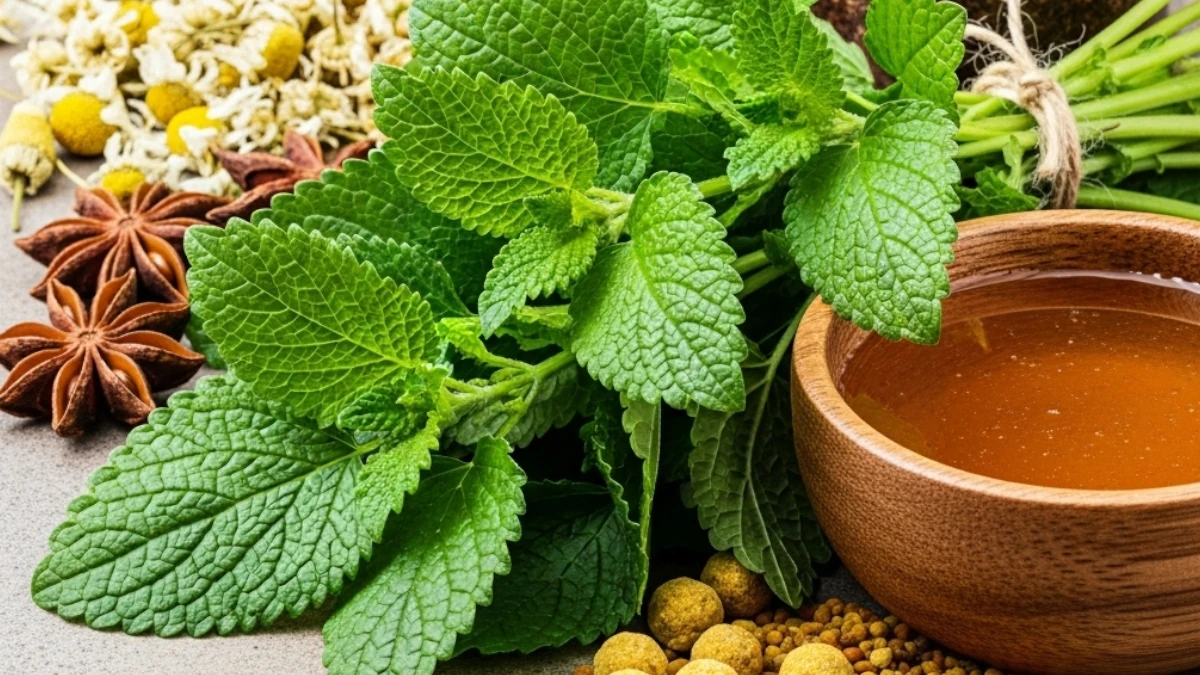
Lemon balm is a natural herb known for its antiviral and soothing properties, making it a popular natural treatment for herpes outbreaks. Topical creams or ointments made from lemon balm extract can help reduce the severity and duration of cold sores by inhibiting herpes simplex virus replication and calming inflammation.
Active Compounds and Antiviral Mechanism
Lemon balm contains several bioactive compounds, most notably rosmarinic acid and caffeic acid. These polyphenolic compounds penetrate the herpes viral envelope and interfere with the virus's ability to enter host cells. Research from the University of Heidelberg demonstrated that lemon balm extract reduced viral infectivity by up to 96% in laboratory cell cultures.
Clinical Results and Healing Timeline
Clinical studies have shown that applying lemon balm early during an outbreak can speed up healing and relieve pain. A landmark 1999 study in Phytomedicine followed 116 patients with recurrent cold sores who applied lemon balm cream three times daily. Results showed healing time was reduced from an average of 9-10 days to just 4-5 days. Importantly, patients who applied lemon balm at the first sign of tingling (prodromal phase) had even faster resolution, with some preventing full lesion development entirely.
Beyond Topical: Systemic Benefits
Additionally, lemon balm has calming effects that may reduce stress, another common trigger for herpes flare-ups, adding to its overall benefit as a natural remedy. When taken as a tea or extract, lemon balm supports the nervous system and may help prevent stress-induced reactivations. Some practitioners recommend combining topical lemon balm cream with oral lemon balm tea for comprehensive antiviral and anxiolytic support. For a broader overview of herbal options in this family, see best herbs and teas for herpes.
Propolis: Nature’s Antiviral Powerhouse
Propolis is a resin-like substance produced by bees with antiviral, antibacterial, and anti-inflammatory properties. It has been used traditionally as a natural remedy to promote wound healing and reduce infection, including for herpes labialis (cold sores).
What Makes Propolis Effective?
Propolis contains over 300 bioactive compounds, including flavonoids, phenolic acids, and terpenes. These substances work synergistically to inhibit herpes viral entry and replication. Brazilian green propolis, in particular, has been extensively studied for its antiviral potency. The compound artepillin C, unique to green propolis, has demonstrated direct virucidal activity against HSV-1 and HSV-2 in multiple laboratory studies.
Clinical Evidence: Propolis vs. Acyclovir
Scientific studies indicate that propolis ointments may accelerate the healing process of cold sores and reduce symptoms more effectively than some conventional antiviral treatments. A 2016 clinical trial in the Journal of Oral and Maxillofacial Pathology compared propolis ointment to acyclovir cream in 60 patients with recurrent cold sores. Results showed propolis reduced lesion size more rapidly (by day 3-4) and decreased pain more effectively than acyclovir, with no adverse effects reported.
Application and Dosage
Propolis is available as topical ointments (typically 5-15% propolis concentration) and oral supplements. For best results, apply topical propolis ointment at the first sign of tingling, repeating 3-4 times daily. Its natural composition helps soothe affected areas and supports the body’s ability to fight the herpes virus. Many users appreciate that propolis also has a pleasant taste and is well-tolerated compared to other topical antivirals.
Other Herbal Remedies and Supplements
Besides lysine, lemon balm, and propolis, a range of other natural herbs and supplements may support herpes management by enhancing immune function, inhibiting viral activity, or promoting healing. While scientific evidence varies, these options are commonly used as complementary therapies:
- Echinacea: Known for its immune-boosting properties, echinacea may help the body fight viral infections including HSV by stimulating the production of white blood cells and enhancing antiviral defenses.
- Licorice Root: Contains glycyrrhizic acid which has demonstrated antiviral effects against herpes viruses in laboratory studies. It also soothes skin irritation and inflammation associated with outbreaks.
- Reishi Mushrooms: These medicinal mushrooms are rich in polysaccharides and triterpenes that modulate immune response, potentially enhancing the body's ability to control herpes virus reactivation. See our full guide to medicinal mushrooms for herpes.
- Olive Leaf Extract: Contains compounds like oleuropein that exhibit antiviral activity and may inhibit HSV replication, while supporting overall immune health.
- Aloe Vera: Applied topically, aloe vera gel can soothe damaged skin and accelerate healing of cold sores due to its anti-inflammatory and moisturizing effects. Learn more in our guide to aloe vera for cold sores.
- Zinc: An essential mineral important for immune function; topical zinc treatments or dietary zinc supplementation have been shown to reduce the duration and severity of herpes outbreaks in some cases.
- Vitamin C and E: Antioxidant vitamins that help protect cells from damage, support immune health, and may aid in faster healing of herpes lesions.
Incorporating these natural substances into a balanced lifestyle that includes proper nutrition, stress management, and sufficient sleep may further enhance their supportive effects.
The Lysine-Arginine Diet: The Dietary Foundation
Beyond individual supplements, one of the most effective natural strategies for managing herpes is maintaining a diet that favors lysine over arginine. Herpes simplex virus requires arginine, an amino acid, to replicate and produce new viral particles. Lysine competes with arginine for absorption in the intestines and for uptake into cells, effectively starving the virus of the resource it needs most.
Foods That Support Herpes Suppression (High Lysine)
These foods provide lysine in concentrations that help tip the ratio in your favour:
- Fish and seafood, particularly flounder, cod, salmon, and tuna; among the highest lysine-to-arginine ratios of any protein source
- Poultry: chicken and turkey breast are excellent sources with favourable lysine-to-arginine profiles
- Dairy products: Greek yogurt, cottage cheese, ricotta, and hard cheeses provide substantial lysine per serving
- Eggs, a versatile, high-lysine protein that is easy to include at any meal
- Legumes: lentils, chickpeas, and kidney beans are the best plant-based lysine sources
Foods to Limit (High Arginine)
These foods are particularly high in arginine and can promote HSV replication when eaten in large quantities relative to lysine intake:
- Nuts: almonds, walnuts, peanuts, and especially Brazil nuts are among the highest-arginine foods
- Seeds: sesame, sunflower, pumpkin, and chia seeds
- Chocolate and cocoa, including dark chocolate, which is often promoted for its health benefits but is very high in arginine
- Whole grains: oats, wheat germ, and brown rice have higher arginine relative to refined grains
- Protein powders, particularly plant-based varieties (soy, pea, hemp) which tend to have high arginine-to-lysine ratios; see our guide to low-arginine protein powders if you still want to supplement without triggering outbreaks
The goal is not to eliminate arginine entirely (it is an essential amino acid) but to maintain a favourable ratio where lysine consistently exceeds arginine in daily intake. Using our lysine-arginine food database can help you check the ratio for specific foods and plan meals that support viral suppression.
Combining Natural Approaches with Valacyclovir: A Practical Strategy
Natural approaches and prescription antiviral therapy like valacyclovir are not mutually exclusive, in fact, they work through entirely different mechanisms and can be complementary. Valacyclovir targets viral DNA polymerase, blocking viral replication at the cellular level. Lysine restricts the amino acid arginine that HSV needs for protein synthesis.
Lemon balm and propolis disrupt the viral envelope directly. These mechanisms don't overlap; combining them may provide more complete suppression than any single approach.
When to Lead with Natural Approaches
Natural strategies are particularly appropriate for:
- People with infrequent, mild outbreaks who want to minimise pharmaceutical use
- Individuals seeking to reduce outbreak frequency between prescribed antiviral courses
- Those who experience side effects from valacyclovir (headache, nausea, fatigue) and want to reduce their required dose
- People focused on long-term prevention and immune support as a lifestyle strategy
When Prescription Antivirals Should Take Priority
Natural alternatives should not replace prescription antivirals in these situations:
- Frequent, severe, or prolonged outbreaks that significantly impact quality of life
- Genital herpes where suppressive therapy is needed to protect a non-infected partner
- Immunocompromised individuals where HSV can cause serious complications
- Neonatal herpes risk during pregnancy or delivery
- Herpes encephalitis or other serious HSV complications
In all cases, the decision to use natural alternatives, prescription antivirals, or both should involve your healthcare provider. Many practitioners now incorporate lysine supplementation and dietary guidance into comprehensive herpes management plans alongside antiviral prescriptions.
Tracking Your Results: How to Know If Natural Approaches Are Working
Unlike prescription antivirals, where clinical efficacy has been rigorously established in controlled trials, natural approaches vary significantly in their effectiveness between individuals. The most practical way to evaluate whether a natural strategy is working for you is systematic self-monitoring.
What to Track
Keep a simple log over 3–6 months that records:
- Outbreak frequency: number of outbreaks per month
- Outbreak severity: duration, pain level, lesion size
- Prodromal symptoms: tingling, burning sensations preceding outbreaks
- Current supplement protocol: what you're taking and at what dose
- Dietary patterns: general lysine-to-arginine ratio of your daily diet
- Stress levels and sleep quality: major confounding variables
A 3-month baseline before starting supplements gives you comparison data. A 3–6 month supplementation period gives you enough time to see whether outbreak frequency is changing. If you see a 30–50% or greater reduction in outbreak frequency, the natural strategy is likely contributing meaningfully. If you see no change after 4 months of consistent supplementation alongside dietary management, it's worth revisiting the approach with your doctor.
Remember that stress, sleep, and immune status have as much impact on herpes outbreak frequency as any supplement. If your life circumstances are highly variable during the tracking period, those variables will make it harder to isolate the effect of any natural intervention. Prioritising consistent sleep and stress management alongside supplementation is essential for getting meaningful results.
Frequently Asked Questions: Valacyclovir and Natural Alternatives for Herpes
What is valacyclovir and how does it work?
Valacyclovir is a prescription antiviral medication commonly used to treat herpes simplex virus (HSV) infections. It is a prodrug of acyclovir, meaning the body converts it into acyclovir after absorption, but it achieves three to five times higher acyclovir blood levels than taking acyclovir directly. It works by inhibiting viral DNA polymerase, the enzyme HSV uses to copy its genetic material, blocking viral replication. This reduces the severity and duration of outbreaks and, when taken daily as suppressive therapy, significantly reduces outbreak frequency and transmission risk to partners.
Why does valacyclovir sometimes cause side effects?
Like many medications, valacyclovir can cause side effects because it affects biological processes beyond just the virus. Common side effects include headache, nausea, and fatigue. Some people may also experience allergic reactions or kidney-related issues, especially if not properly hydrated or if preexisting kidney conditions exist. These side effects are the most common reason people look for natural alternatives, though many people tolerate valacyclovir very well with no issues.
Are there natural alternatives to valacyclovir?
Yes, several natural remedies have evidence supporting their use for herpes management, particularly as complementary approaches. Lysine supplements (1,000–1,500mg daily) are the most studied and have consistent evidence for reducing outbreak frequency. Lemon balm cream applied topically has clinical evidence for speeding healing of cold sores.
Propolis ointment showed faster lesion resolution than acyclovir cream in one clinical trial. Other options with supporting evidence include licorice root extract, EGCG from green tea, and medical-grade manuka honey. However, none of these has been shown to match valacyclovir’s systemic efficacy for genital herpes suppression or partner protection.
Can natural alternatives completely replace valacyclovir?
Natural remedies can help support the body’s defenses and reduce symptoms, but they are generally not a full replacement for antiviral medications like valacyclovir in most clinical scenarios. For people with frequent genital herpes outbreaks, or where protecting a seronegative partner is important, prescription suppressive antiviral therapy has an evidence base that natural alternatives cannot currently match. For people with infrequent, mild cold sore outbreaks, natural approaches may provide meaningful management with less pharmaceutical dependence, but this is best discussed with a healthcare provider.
What should I consider before trying natural alternatives?
It’s important to consult a healthcare professional before starting any natural treatments. Herbs and supplements can interact with medications or cause allergic reactions. Licorice root can interact with blood pressure medications and diuretics.
Echinacea may theoretically interact with immunosuppressive drugs. St. John’s Wort, sometimes used for mood support alongside herpes management, can significantly reduce the effectiveness of antiviral medications through enzyme induction. A professional can help ensure safe integration with existing therapies.
Is lysine or valacyclovir more effective for herpes?
For most clinical outcomes (particularly severe or frequent outbreaks, genital herpes suppression, and reducing viral shedding for partner protection) valacyclovir is significantly more effective than lysine supplementation. Valacyclovir has large randomised controlled trial evidence showing 70–80% reductions in outbreak frequency on suppressive therapy. Lysine studies show 20–40% reductions in more modest trials.
However, lysine has essentially no side effects at therapeutic doses, is inexpensive, and can be taken indefinitely, making it a valuable complementary tool. Many people use both: valacyclovir for severe outbreaks and acute episodes, lysine as daily maintenance support.
How quickly do natural herpes remedies work?
This depends heavily on the remedy and the goal. For acute cold sore treatment, topical lemon balm and propolis applied at the first sign of tingling can reduce healing time from the typical 9–10 days to 4–5 days. Medical-grade manuka honey showed similar acceleration in clinical trials. For outbreak prevention, lysine supplementation typically requires 4–8 weeks of consistent daily use before a reduction in outbreak frequency becomes apparent. Dietary changes, improving your lysine-to-arginine ratio, can show effects within a similar timeframe. Track your outbreaks before and after any change for at least 3 months to get meaningful data.

Image: Bravado Labs L-Lysine Cold Sore Treatment
Bravado Labs L-Lysine Cold Sore Treatment
Why we love it:
- Verified Customer Favorite
- High Quality Ingredients
As an affiliate, we earn from qualifying purchases.