The rise of mpox (formerly known as monkeypox) has raised significant public health concerns, particularly due to its symptoms often resembling those of herpes.
Both viral infections can lead to skin lesions, making it crucial to distinguish between them for effective diagnosis and treatment.
Mpox typically presents with flu-like symptoms followed by a rash that progresses through various stages, while herpes manifests as painful, fluid-filled blisters that recur over time.
This article explores the latest developments in mpox, provides an overview of both infections, and highlights the key differences in their symptoms.
Latest Developments in Mpox
The World Health Organization (WHO) has recently elevated mpox to a global health emergency status, reflecting the alarming rise in cases, particularly in Africa.
As of August 2024, over 17,500 confirmed and suspected cases have been reported across African countries, surpassing the total number of cases in 2023.
This surge is attributed to a new variant of the virus, clade I, which appears to be more transmissible and potentially more lethal than previous strains.
Children are particularly vulnerable, with a significant proportion of cases occurring in those under 15 years old.
The Africa Centers for Disease Control and Prevention (Africa CDC) has declared mpox a public health emergency, emphasizing the need for immediate action to contain its spread.
The new variant often presents milder symptoms, making it less detectable and increasing the risk of transmission.
The WHO is actively monitoring the situation and has called for increased vaccination efforts and public awareness campaigns to mitigate the outbreak.
What is Monkeypox?
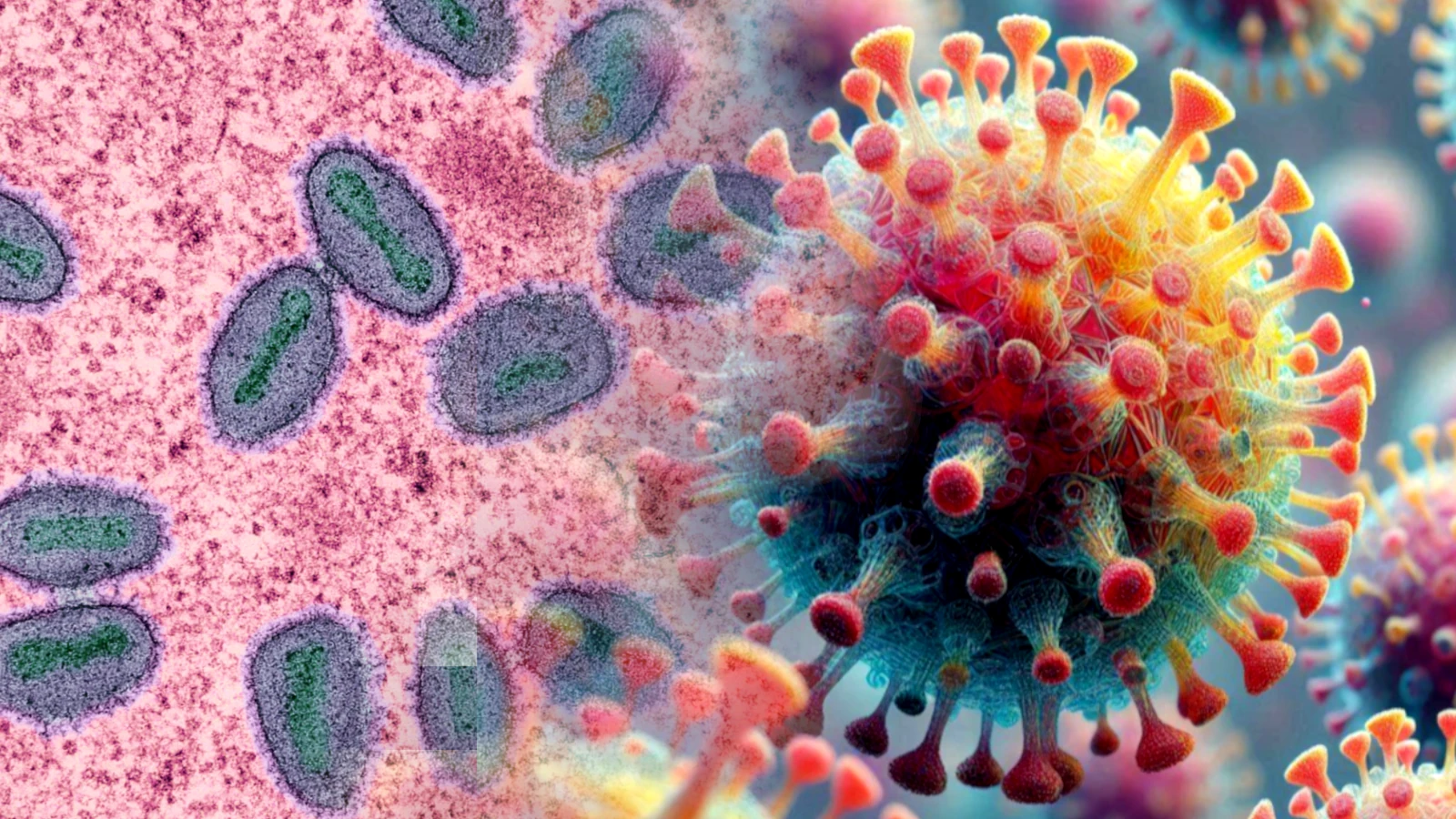
Mpox is an infectious disease caused by the monkeypox virus, a member of the Orthopoxvirus genus, which also includes variola (the virus that causes smallpox) and vaccinia.
The disease was first identified in monkeys in 1958, but the first human case was reported in the Democratic Republic of the Congo (DRC) in 1970.
Mpox can cause a range of symptoms, including fever, muscle aches, swollen lymph nodes, and a distinctive rash that progresses from flat lesions to raised bumps filled with fluid or pus, eventually crusting over and healing.
Transmission of mpox occurs through close contact with infected individuals or animals, as well as through contaminated materials.
Human-to-human transmission can happen via direct contact with skin lesions, respiratory droplets, or prolonged face-to-face interactions.
The virus can enter the body through broken skin or mucous membranes, making it essential for individuals to recognize the symptoms and seek medical attention if they suspect infection.
What is the Herpes Simplex Virus?
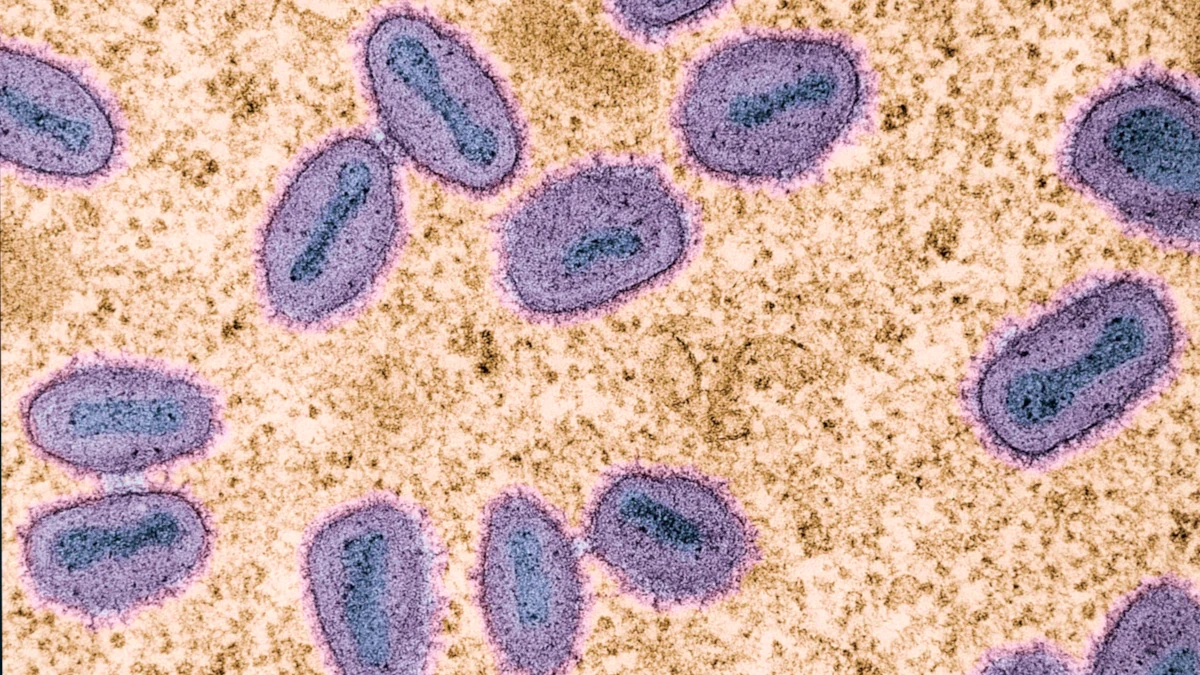
The herpes simplex virus (HSV) is a common viral infection that can cause painful blisters or ulcers, primarily affecting the mouth (HSV-1) and the genitals (HSV-2).
HSV-1 is typically associated with oral herpes, commonly known as cold sores, while HSV-2 is primarily responsible for genital herpes.
Most infections are asymptomatic or mild, but symptoms can include painful blisters, itching, and flu-like symptoms during the initial outbreak.
Herpes is highly contagious and spreads through skin-to-skin contact, including oral, genital, and anal contact.
Even when sores are not present, the virus can still be transmitted, making awareness and preventive measures crucial.
Although there is no cure for herpes, antiviral medications can help manage symptoms and reduce the frequency of outbreaks.
Distinguishing Mpox Symptoms from Herpes Outbreak Symptoms
Distinguishing between mpox and herpes can be challenging due to overlapping symptoms, particularly the presence of skin lesions.
However, there are key differences that can aid in identification.
Mpox typically begins with systemic symptoms such as fever, headache, muscle aches, and swollen lymph nodes, followed by a rash that progresses through distinct stages.
The rash often starts on the face and spreads to other parts of the body, including the palms and soles.
In contrast, herpes outbreaks usually begin with localized symptoms, such as tingling or itching in the area where blisters will form, followed by the appearance of painful, fluid-filled sores primarily around the mouth or genitals.
Another distinguishing factor is the duration of symptoms.
Mpox symptoms can last from 2 to 4 weeks, with the rash taking time to heal completely, while herpes symptoms typically resolve more quickly, often within a week or two during subsequent outbreaks.
Additionally, herpes is a lifelong infection characterized by recurrent outbreaks triggered by various factors such as stress, illness, or sun exposure, whereas mpox is generally not associated with recurrent episodes.
Monkeypox and Herpes Symptoms Comparison
To better understand the differences between mpox and herpes, the following table outlines their key symptoms:
| Mpox | Herpes |
|---|---|
| Fever, headache, muscle aches | Tingling, itching, burning sensations |
| Distinctive rash with various stages | Painful blisters or ulcers |
| Can appear on the face, hands, and genitals | Primarily around the mouth or genitals |
| Symptoms last 2 to 4 weeks | Blisters last 7 to 10 days |
Cold Sores vs. Mpox Rashes
Cold sores, caused by HSV-1, are another common viral infection that can be confused with mpox due to the appearance of lesions.
Cold sores typically manifest as clusters of small, painful blisters that eventually crust over and heal within 7 to 10 days.
Unlike mpox, cold sores are localized to the lip and mouth area and do not present with systemic symptoms like fever or swollen lymph nodes.
Cold sores are typically less severe and do not require the same level of medical intervention as mpox.
When to Seek Medical Attention
Given the potential severity of mpox and its ability to cause serious complications, it is crucial for individuals experiencing symptoms to seek medical attention promptly.
If you develop flu-like symptoms followed by a rash, especially if you have recently traveled to areas where mpox is prevalent or have been in contact with an infected individual, you should consult a healthcare provider.
Diagnostic tests can confirm the presence of mpox or HSV, allowing for appropriate treatment and management.

Image: Bravado Labs Advanced Lysine Immune Boost
Bravado Labs Advanced Lysine Immune Boost
Why we love it:
- Verified Customer Favorite
- High Quality Ingredients
As an affiliate, we earn from qualifying purchases.
Recommended Supplements for Herpes Management
Simplix Viral Defense
Cold Sore & HSV Support
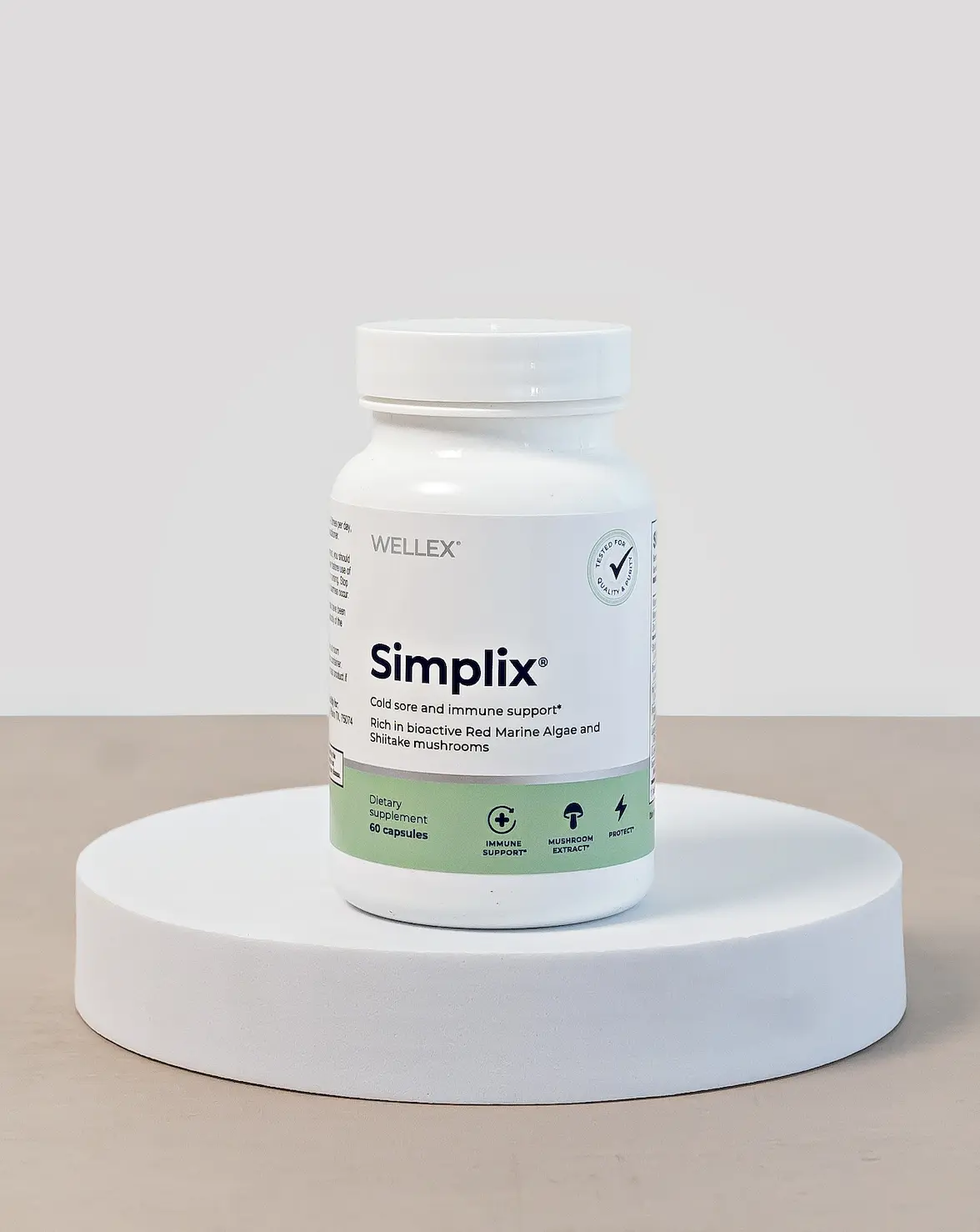
Simplix Viral Defense
Cold Sore & HSV Support
Synergistic formula combining L-Lysine, shiitake mushroom, and marine bioactives for comprehensive immune support.
SHOP NOW & SAVE 15%