Melatonin is widely known as a natural hormone that regulates sleep-wake cycles, but recent research highlights its potential role in managing herpes simplex virus (HSV) infections, including cold sores.
HSV infections are characterized by recurrent flareups that can cause discomfort and tissue damage.
Melatonin’s antiviral, antioxidant, and immunomodulatory properties may offer a novel approach to suppressing herpes recurrences and promoting faster healing.
This article explores the current scientific evidence on melatonin’s benefits for herpes management, its mechanisms of action, clinical study results, and safety considerations.
Understanding Melatonin’s Role in Herpes Management
Melatonin is a hormone produced primarily by the pineal gland, known for regulating circadian rhythms.
Beyond sleep regulation, melatonin exhibits strong antioxidant and immune-modulating effects.
These properties help reduce oxidative stress and inflammation, which are key factors in the tissue damage and viral replication cycles of herpes simplex virus infections.
Herpes simplex virus type 1 (HSV-1) commonly causes cold sores around the mouth, while HSV-2 typically causes genital herpes.
Both viruses establish latency in nerve cells and reactivate periodically, leading to recurrent outbreaks.
Managing these flareups is essential to reduce symptoms and transmission risk.
Clinical Evidence Supporting Melatonin for Herpes
A 2023 randomized, double-blind clinical trial investigated melatonin’s efficacy in suppressing recurrent genital herpes compared to acyclovir, a standard antiviral drug.
Women with recurrent herpes were treated with either melatonin (3 mg nightly), acyclovir (400 mg twice daily), or their combination for six months.
Results showed that melatonin alone reduced recurrence rates more effectively (15.8% recurrence within 60 days post-treatment) than acyclovir (33.3%) or the combination (36.4%).
Interestingly, combining melatonin with acyclovir did not improve outcomes and may have increased recurrence, likely due to melatonin’s inhibitory effect on thymidine kinase, an enzyme essential for acyclovir’s antiviral activity.
This suggests melatonin may be a viable alternative, particularly for patients resistant or intolerant to conventional antivirals.
Additionally, a 2008 study comparing a melatonin-containing formulation to acyclovir for oral herpes (cold sores) found that melatonin helped achieve faster and more complete symptom regression, indicating benefits for HSV-1 infections affecting the oral cavity.

How Melatonin Works Against Herpes Simplex Virus
Melatonin’s antiviral effects are multifaceted:
- Antioxidant Action: Melatonin scavenges free radicals and reduces oxidative stress caused by viral infection, protecting cells from damage.
- Immunomodulation: It modulates immune responses, enhancing the body’s ability to control viral replication and inflammation.
- Inhibition of Viral Enzymes: Melatonin may inhibit thymidine kinase, an enzyme HSV uses for replication, although this also interferes with acyclovir’s mechanism.
Dosage and Usage Considerations
Clinical studies typically use melatonin doses around 3 mg taken nightly for herpes suppression.
This dosage aligns with common melatonin use for sleep disorders and is generally well tolerated.
It is important to avoid combining melatonin with acyclovir without medical supervision due to possible antagonistic effects.
Melatonin can be considered as an alternative or adjunct therapy, especially in cases where standard antivirals are ineffective or contraindicated.
Safety and Side Effects
Melatonin is considered safe for most people when used at typical doses (1–10 mg daily).
Side effects are usually mild and may include drowsiness, headache, or gastrointestinal discomfort.
No significant adverse effects were reported in herpes clinical trials.
However, because melatonin can interact with certain medications and affect enzyme activity, it is essential to consult a healthcare provider before starting melatonin for herpes management.
Conclusion: Melatonin as a Novel Option for Herpes Management
Melatonin’s antiviral, antioxidant, and immune-supportive properties make it a promising candidate for managing herpes simplex virus infections, including cold sores. Clinical evidence suggests melatonin may reduce recurrence rates and improve symptom resolution, potentially serving as an alternative or adjunct to standard antiviral therapies. While more large-scale studies are needed to fully establish optimal dosing and long-term safety, melatonin offers a well-tolerated, natural option for individuals seeking additional support in controlling herpes flareups. Always consult your healthcare provider before starting melatonin or any new treatment for herpes to ensure it fits your individual health needs and does not interfere with other medications
faqSection:

Image: Bravado Labs Advanced Lysine Immune Boost
Bravado Labs Advanced Lysine Immune Boost
Why we love it:
- Verified Customer Favorite
- High Quality Ingredients
As an affiliate, we earn from qualifying purchases.
Recommended Supplements for Herpes Management
Simplix Viral Defense
Cold Sore & HSV Support
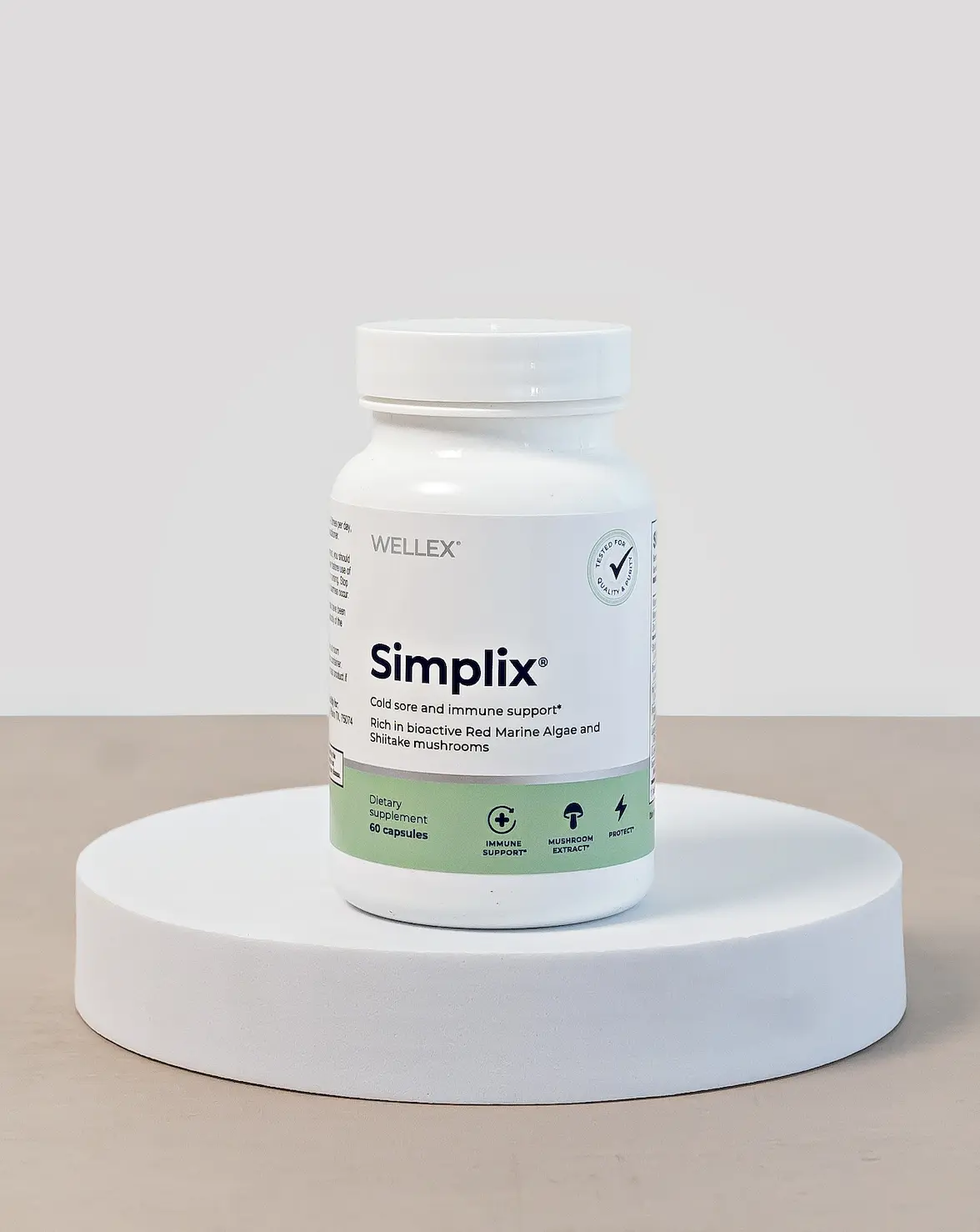
Simplix Viral Defense
Cold Sore & HSV Support
Synergistic formula combining L-Lysine, shiitake mushroom, and marine bioactives for comprehensive immune support.
SHOP NOW & SAVE 15%