Herpes simplex virus (HSV) infections, including oral cold sores (usually caused by HSV-1) and genital herpes (commonly caused by HSV-2), affect millions worldwide.
While antiviral medications like acyclovir are effective, many seek natural adjunct therapies to manage symptoms and reduce outbreaks.
One natural product gaining attention is matcha, a powdered form of green tea celebrated for its rich antioxidant content and potential antiviral properties.
This article explores the relationship between matcha, its key bioactive compound epigallocatechin gallate (EGCG), and herpes virus management.
What Is Matcha?
Matcha is a finely ground powder made from specially grown and processed green tea leaves (Camellia sinensis).
Unlike traditional steeped green tea, matcha involves consuming the whole leaf, providing a higher concentration of antioxidants and polyphenols, particularly catechins.
The most abundant and biologically active catechin in matcha is epigallocatechin gallate (EGCG).
EGCG is renowned for its potent antioxidant, anti-inflammatory, and antiviral effects, which have been studied extensively in various viral infections, including herpes simplex virus.
Understanding Herpes Simplex Virus (HSV)
HSV is a DNA virus that causes recurrent infections characterized by painful blisters and sores on the lips, mouth, or genital area.
After the initial infection, HSV remains dormant in nerve cells and can reactivate due to stress, illness, or immune suppression.
Current treatments focus on antiviral drugs that inhibit viral replication but do not cure the infection.
Natural compounds like EGCG offer potential complementary benefits by targeting different stages of the viral lifecycle or enhancing immune response.

Antiviral Properties of EGCG Against HSV
Research indicates several ways EGCG combats HSV infection:
- Direct Viral Inactivation: EGCG can disrupt the viral envelope, damaging the virus particle and reducing its ability to infect host cells.
- Inhibition of Viral Entry: EGCG interferes with the virus’s ability to attach and penetrate host cells by blocking viral glycoproteins or host cell receptors.
- Suppression of Viral Gene Expression: EGCG reduces the expression of viral genes necessary for replication and assembly.
- Immune Modulation: EGCG enhances the host’s antiviral immune responses, potentially reducing viral reactivation and severity.
Laboratory Evidence and Topical Use
Multiple in vitro studies have demonstrated that EGCG and green tea extracts inhibit HSV-1 and HSV-2 infectivity in cultured cells.
Modified EGCG derivatives, such as palmitoyl-EGCG and EGCG-Stearate, show even stronger antiviral effects due to improved stability and cell membrane penetration.
While drinking green tea or matcha provides systemic antioxidants, the concentration of EGCG reaching the skin or mucous membranes is typically too low to exert significant antiviral effects.
Therefore, topical application of EGCG-rich formulations is considered more effective for treating cold sores or genital lesions.
Clinical Implications and How to Use Matcha or EGCG
Topical EGCG-containing creams or ointments may reduce pain, itching, and healing time of cold sores.
Regular use might also help prolong the interval between herpes recurrences.
For those seeking to minimize pharmaceutical use, EGCG offers a plant-based option with a favorable safety profile.
While drinking matcha supports overall immune health, topical products standardized for EGCG content provide more direct antiviral benefits on affected skin.
Some people also apply cooled green tea bags or diluted matcha paste to cold sores for mild relief, though these are less potent than formulated products.
Safety Considerations and Future Research
EGCG is generally safe when consumed in moderate amounts through tea or supplements.
However, concentrated extracts can cause liver toxicity in rare cases, so topical formulations are preferred for localized herpes treatment.
People with liver conditions or those taking certain medications should consult healthcare providers before use.
Ongoing research aims to develop optimized EGCG formulations with enhanced skin absorption and antiviral potency.
Combining EGCG with other antiviral agents or natural compounds may offer synergistic effects.
Clinical trials are needed to confirm efficacy and safety in human herpes treatment.
Conclusion
Matcha’s rich EGCG content holds promising antiviral potential against herpes simplex virus infections.
While drinking matcha supports general health, topical EGCG applications are more effective for managing cold sores and genital herpes symptoms.
As research progresses, EGCG-based therapies may become valuable natural adjuncts to conventional antiviral treatments, offering relief with fewer side effects.
Matcha and Herpes FAQs
Can drinking matcha cure herpes?
No, drinking matcha cannot cure herpes, but it may support immune health and provide antioxidant benefits.
How does EGCG help with herpes?
EGCG exhibits antiviral properties by inactivating the virus, blocking viral entry, suppressing viral gene expression, and enhancing immune responses.
Is topical EGCG safe to use on herpes sores?
Topical EGCG formulations are generally safe and may reduce symptoms, but consult a healthcare provider before use, especially if you have liver issues.
Can I use green tea bags on cold sores?
Applying cooled green tea bags may provide mild relief due to antioxidants but is less effective than standardized topical EGCG products.
Are there any side effects of EGCG?
EGCG is safe in moderate amounts, but high doses, especially orally, can rarely cause liver toxicity. Topical use minimizes this risk.

Image: Bravado Labs Advanced Lysine Immune Boost
Bravado Labs Advanced Lysine Immune Boost
Why we love it:
- Verified Customer Favorite
- High Quality Ingredients
As an affiliate, we earn from qualifying purchases.
Recommended Supplements for Herpes Management
Simplix Viral Defense
Cold Sore & HSV Support
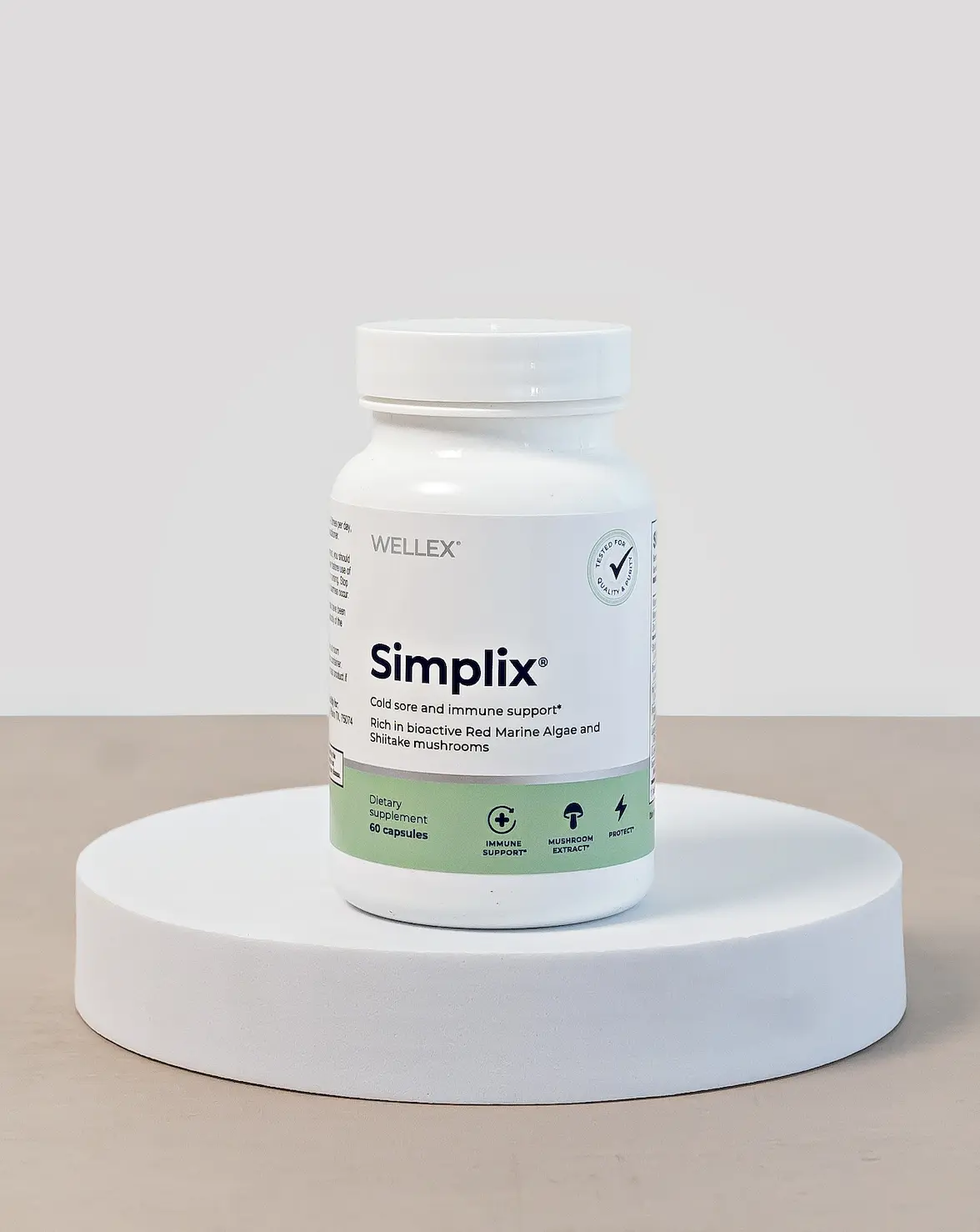
Simplix Viral Defense
Cold Sore & HSV Support
Synergistic formula combining L-Lysine, shiitake mushroom, and marine bioactives for comprehensive immune support.
SHOP NOW & SAVE 15%