Cold sores, caused by the herpes simplex virus type 1 (HSV-1), affect millions worldwide, causing painful and often recurrent blisters around the lips.
Managing these outbreaks effectively requires understanding available treatment options.
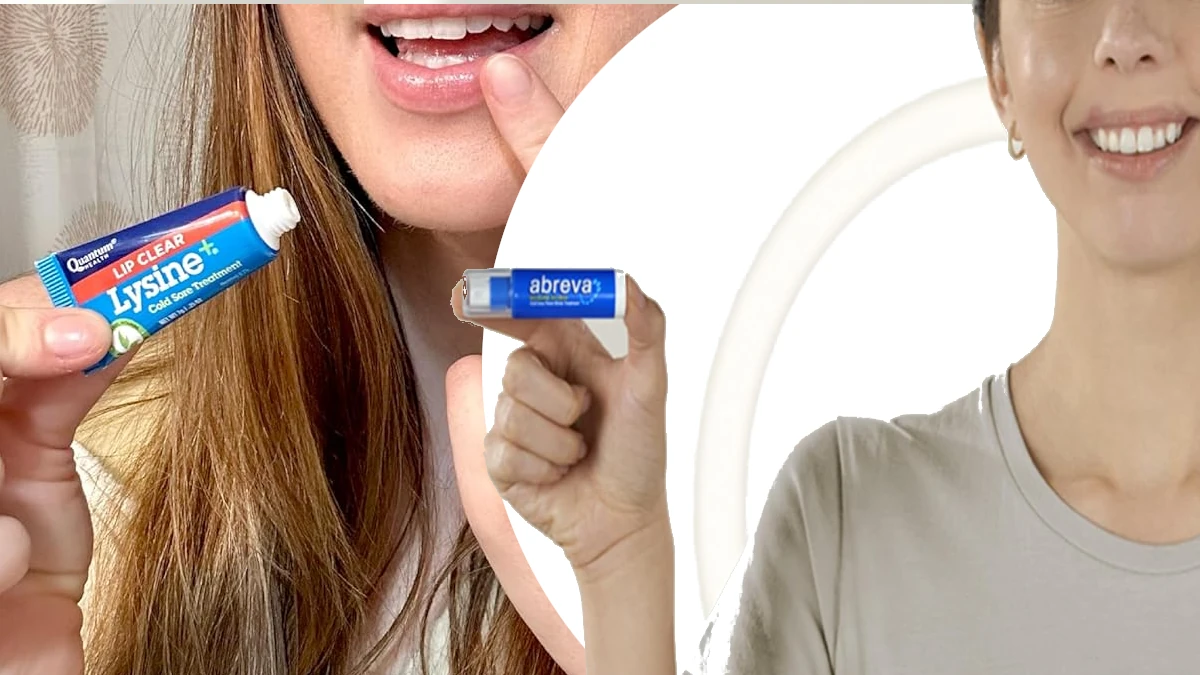
Two widely used over-the-counter remedies are Abreva, a topical antiviral cream containing docosanol, and lysine, an essential amino acid available as both oral supplements and topical creams.
While Abreva is clinically proven and FDA-approved to shorten healing time, lysine offers a complementary approach by supporting the body's defenses to prevent and reduce the severity of outbreaks. Understanding how each works and their best uses can help individuals optimize cold sore management.
Abreva’s Mechanism and Proven Healing Benefits
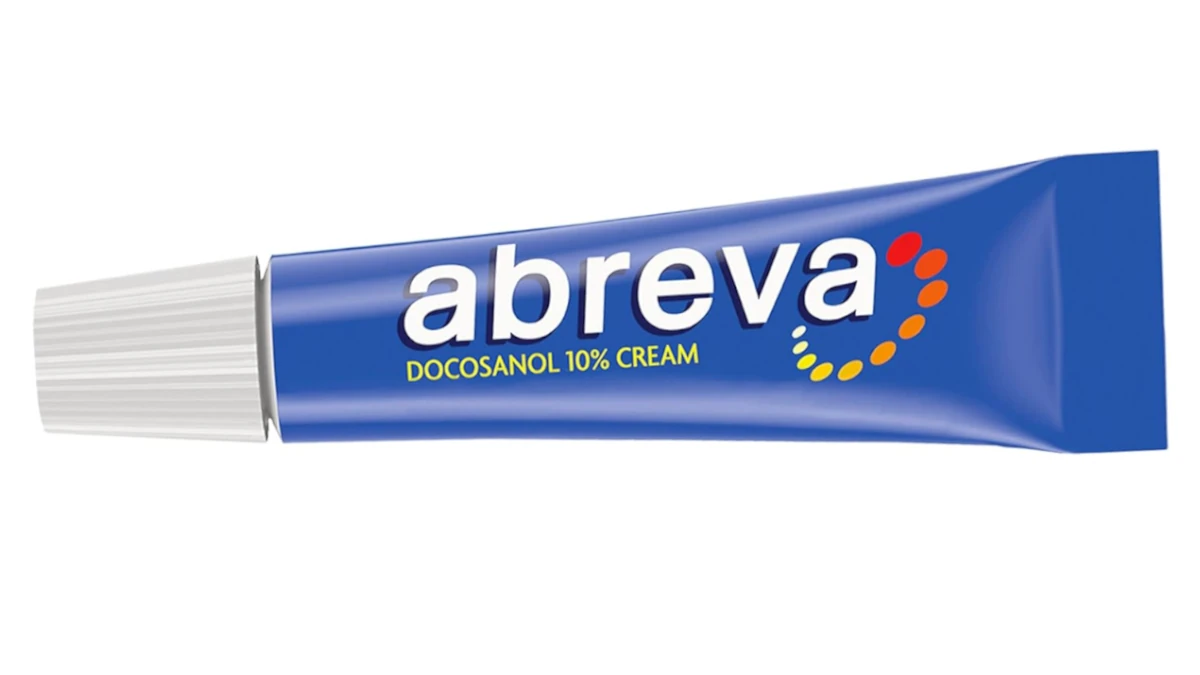
Abreva’s active ingredient, docosanol, works by inhibiting the fusion of the herpes virus with healthy skin cells, effectively preventing the virus from entering and infecting new cells.
This mechanism targets the virus at the earliest stage of cold sore development. Clinical trials have demonstrated that when applied at the first sign of symptoms—such as tingling, itching, or burning—Abreva can reduce healing time by approximately 1 to 2 days compared to no treatment, and also decrease the duration of pain and discomfort.
The cream is generally applied five times daily until the sore heals, making early and consistent application crucial for maximum effectiveness.
Lysine’s Role in Preventing and Reducing Cold Sores
Lysine is an essential amino acid that the body cannot synthesize, thus it must be obtained through diet or supplements.
It is believed to help control HSV-1 by antagonizing arginine, an amino acid required by the virus for replication.
By increasing lysine intake, the balance of these amino acids shifts, potentially limiting viral replication and reducing outbreak frequency.
Numerous studies have supported lysine’s role in decreasing the severity and recurrence of cold sores when taken orally at doses typically ranging from 1,000 to 3,000 mg daily.
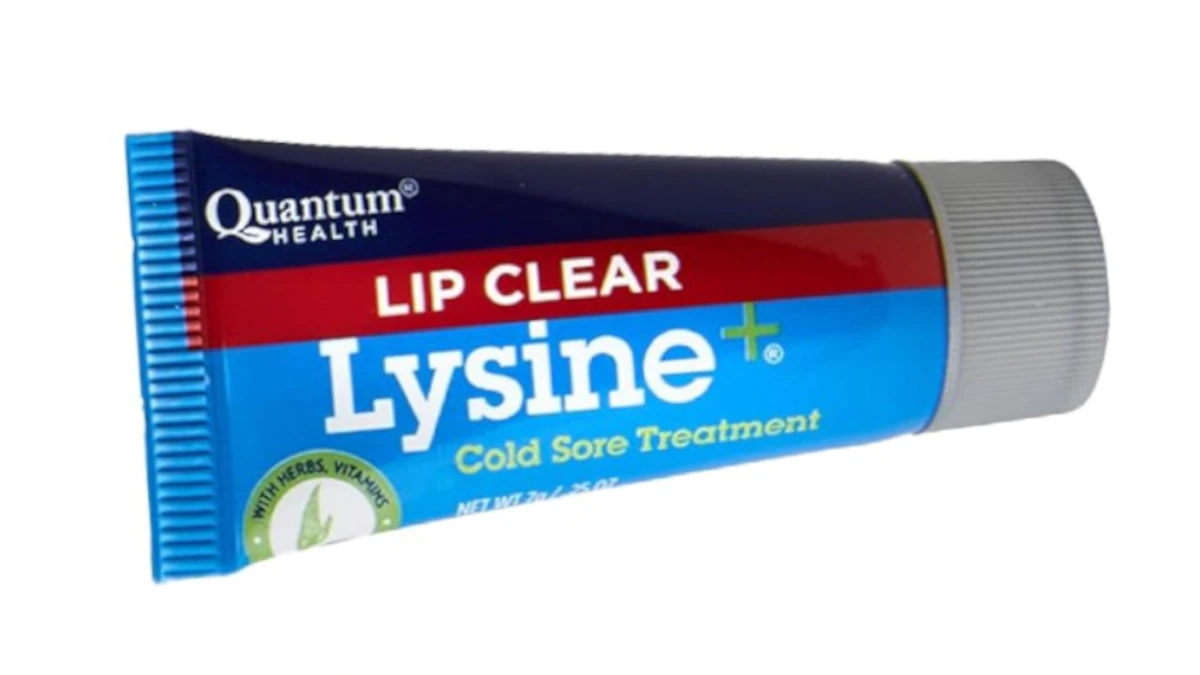
Additionally, topical lysine creams, such as Lip Clear Lysine+ and Dermal Therapy Cold Sore Lysine+ Gel, combine lysine with natural soothing agents like calendula, lemon balm, and propolis, which may help alleviate symptoms and support skin healing, though robust clinical evidence for topical lysine’s efficacy remains limited.
Comparing Abreva and Lysine: Uses and Effectiveness
When comparing Abreva and lysine, it is important to recognize their distinct roles.
Abreva is the only FDA-approved non-prescription topical treatment specifically indicated to accelerate cold sore healing by directly blocking viral entry into cells.
Its efficacy is supported by multiple clinical trials, making it the first-line topical choice for active cold sores.
In contrast, lysine serves primarily as a preventive supplement that can reduce outbreak frequency and severity over time by modulating viral replication internally.
Topical lysine products may provide symptomatic relief and skin nourishment but lack the strong clinical backing that Abreva has.
Therefore, while Abreva is preferred for treating active lesions, lysine is valuable as a preventive and adjunctive therapy.
Using Lysine and Abreva Together for Best Results
Combining lysine supplementation with Abreva topical treatment offers a comprehensive strategy for cold sore management.
Oral lysine taken regularly can help reduce the likelihood of outbreaks and mitigate their intensity, while applying Abreva at the earliest sign of a cold sore can shorten healing time and reduce discomfort.
For topical application, it is advisable to apply Abreva first and allow it to absorb fully before using lysine-based creams to avoid interference.
This integrated approach leverages the antiviral potency of Abreva alongside the nutritional and soothing benefits of lysine, enhancing overall effectiveness and improving patient outcomes.
For individuals prone to frequent or severe cold sores, consulting a healthcare provider about long-term lysine supplementation and appropriate topical treatments is recommended to tailor a personalized management plan.
Safety and Side Effects of Abreva and Lysine
Abreva is generally well tolerated, with minimal side effects reported.
Some users may experience mild skin irritation, redness, or itching at the application site.
Because it is a topical treatment, systemic side effects are rare.
Lysine supplements are also considered safe for most people when taken at recommended doses.
High doses may cause gastrointestinal discomfort, such as nausea or diarrhea, but serious adverse effects are uncommon.
Individuals with kidney disease or other medical conditions should consult a healthcare provider before starting lysine supplementation.
When to Start Treatment for Best Results
Timing is critical for effective cold sore treatment.
Abreva works best when applied at the very first sign of a cold sore—typically tingling, itching, or burning sensations before blisters appear.
Early application can significantly shorten healing time and reduce symptoms.
Similarly, lysine supplements are most effective when taken regularly as a preventive measure, especially for those with frequent outbreaks.
Starting lysine supplementation before symptoms arise can help reduce the frequency and severity of cold sores over time.
Additional Lifestyle Tips to Support Cold Sore Management
Beyond medications and supplements, lifestyle factors play a key role in managing cold sores.
Protecting lips from excessive sun exposure with SPF lip balm, managing stress through relaxation techniques, and maintaining a healthy immune system with balanced nutrition and adequate sleep can reduce outbreak triggers.
Avoiding known personal triggers, such as certain foods or hormonal changes, and practicing good hygiene—like not sharing lip products or utensils—can also help prevent cold sore spread and recurrence.
When to See a Healthcare Provider
Most cold sores resolve on their own or with over-the-counter treatments like Abreva and lysine.
However, medical advice should be sought if cold sores are unusually large, painful, persistent, or occur frequently.
Immunocompromised individuals or those experiencing cold sores near the eyes or other sensitive areas should seek prompt medical attention.
A healthcare provider can prescribe stronger antiviral medications and tailor a treatment plan to individual needs.
FAQs: Lysine vs Abreva for Cold Sores
Which is more effective for treating active cold sores, Abreva or lysine?
Abreva is more effective for treating active cold sores because it directly blocks the herpes virus from infecting healthy cells and is FDA-approved. Lysine is better suited for preventing outbreaks and reducing their severity over time.
Can I use lysine cream instead of Abreva?
Lysine cream may provide soothing relief but lacks strong clinical evidence for speeding healing like Abreva. It is best used as a complementary treatment alongside proven antivirals.
Is it safe to take lysine supplements daily?
Yes, lysine supplements are generally safe when taken at recommended doses (1,000–3,000 mg daily). Consult a healthcare provider if you have kidney issues or other health concerns.
How soon should I apply Abreva after noticing symptoms?
For best results, apply Abreva at the first sign of a cold sore, such as tingling or burning sensations, before blisters appear. Early treatment shortens healing time.
Can lysine prevent cold sore outbreaks?
Regular lysine supplementation has been shown to reduce the frequency and severity of cold sore outbreaks in some people, especially those with recurrent HSV-1 infections.
Can I use both Abreva and lysine together?
Yes, combining oral lysine supplements with Abreva topical cream can offer a comprehensive approach—lysine helps prevent outbreaks while Abreva treats active sores effectively.

Image: Bravado Labs Advanced Lysine Immune Boost
Bravado Labs Advanced Lysine Immune Boost
Why we love it:
- Verified Customer Favorite
- High Quality Ingredients
As an affiliate, we earn from qualifying purchases.
Recommended Supplements for Herpes Management
Simplix Viral Defense
Cold Sore & HSV Support
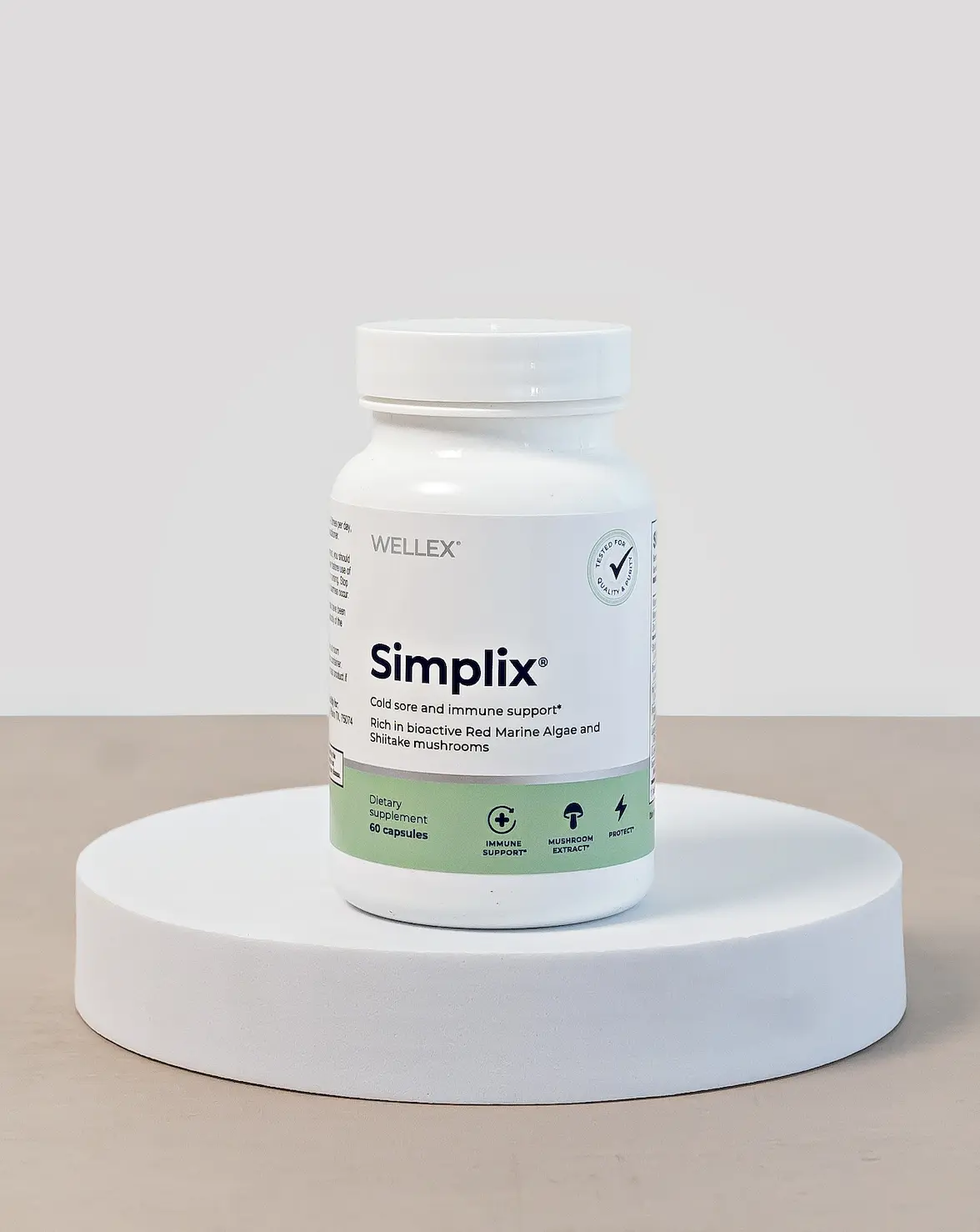
Simplix Viral Defense
Cold Sore & HSV Support
Synergistic formula combining L-Lysine, shiitake mushroom, and marine bioactives for comprehensive immune support.
SHOP NOW & SAVE 15%