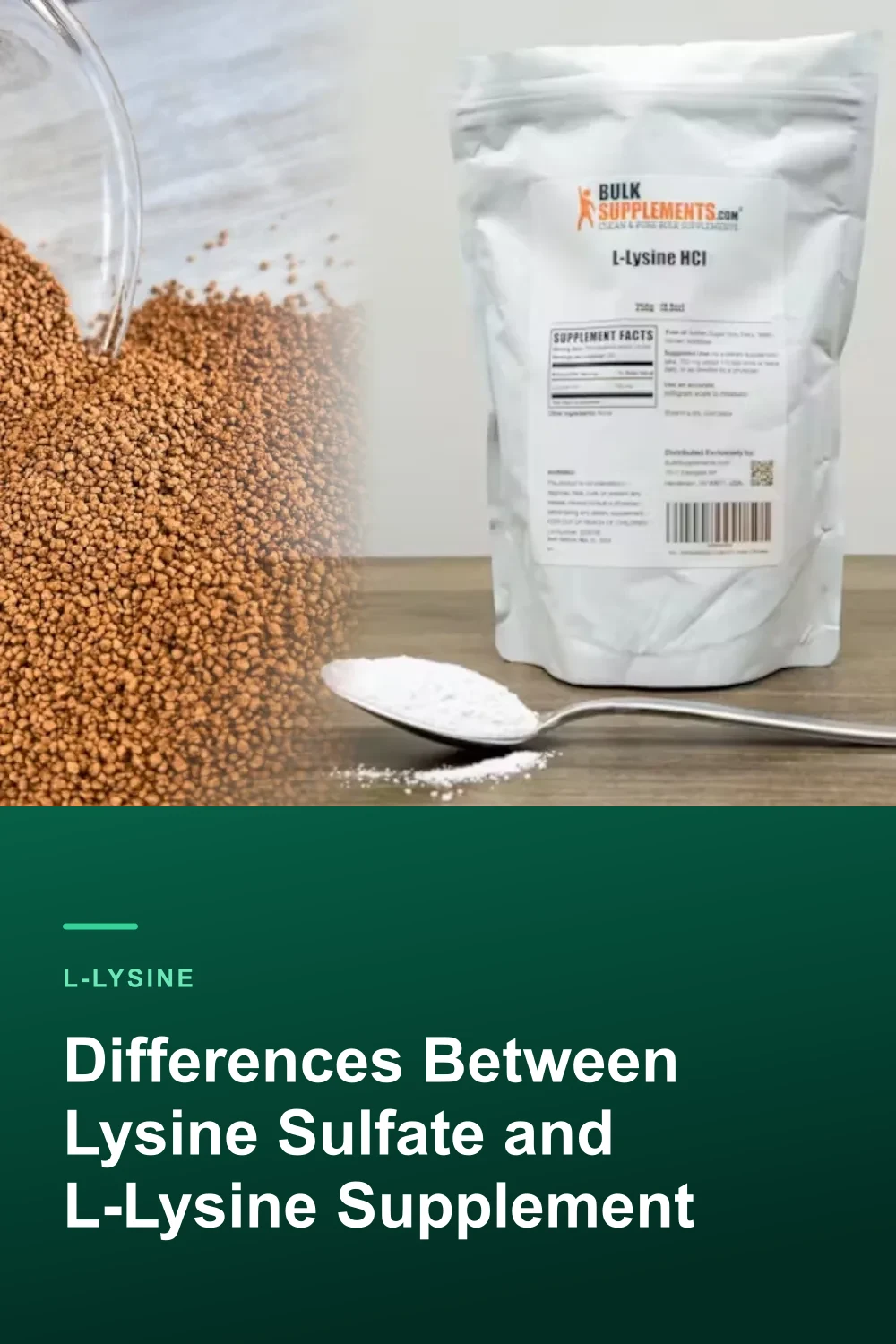
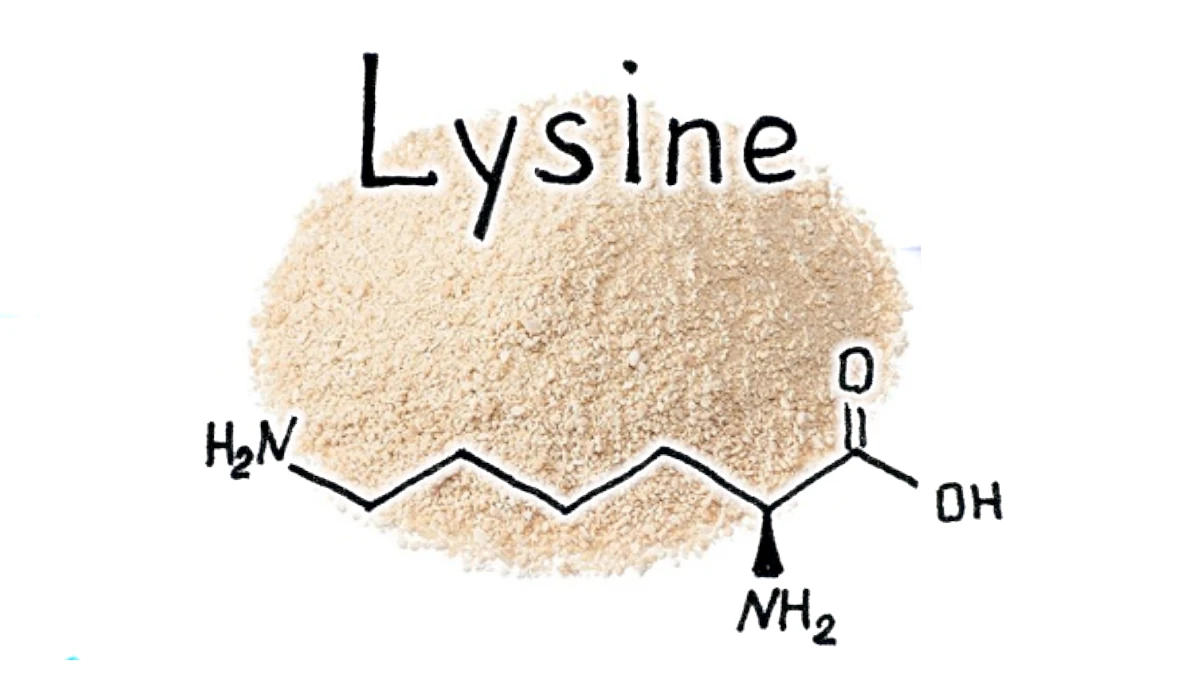
Lysine is an essential amino acid that plays important roles in protein synthesis, immune function, and hormone production. It's gained attention for its potential benefits in managing herpes simplex virus (HSV) outbreaks. Two common lysine supplement forms are L-lysine sulfate and L-lysine hydrochloride (HCl), each with distinct properties that influence their effectiveness and applications.
While both forms provide supplemental lysine, they differ in composition, bioavailability, and specific uses in dietary supplementation and animal nutrition.
Simplix Viral Defense
Cold Sore & HSV Support
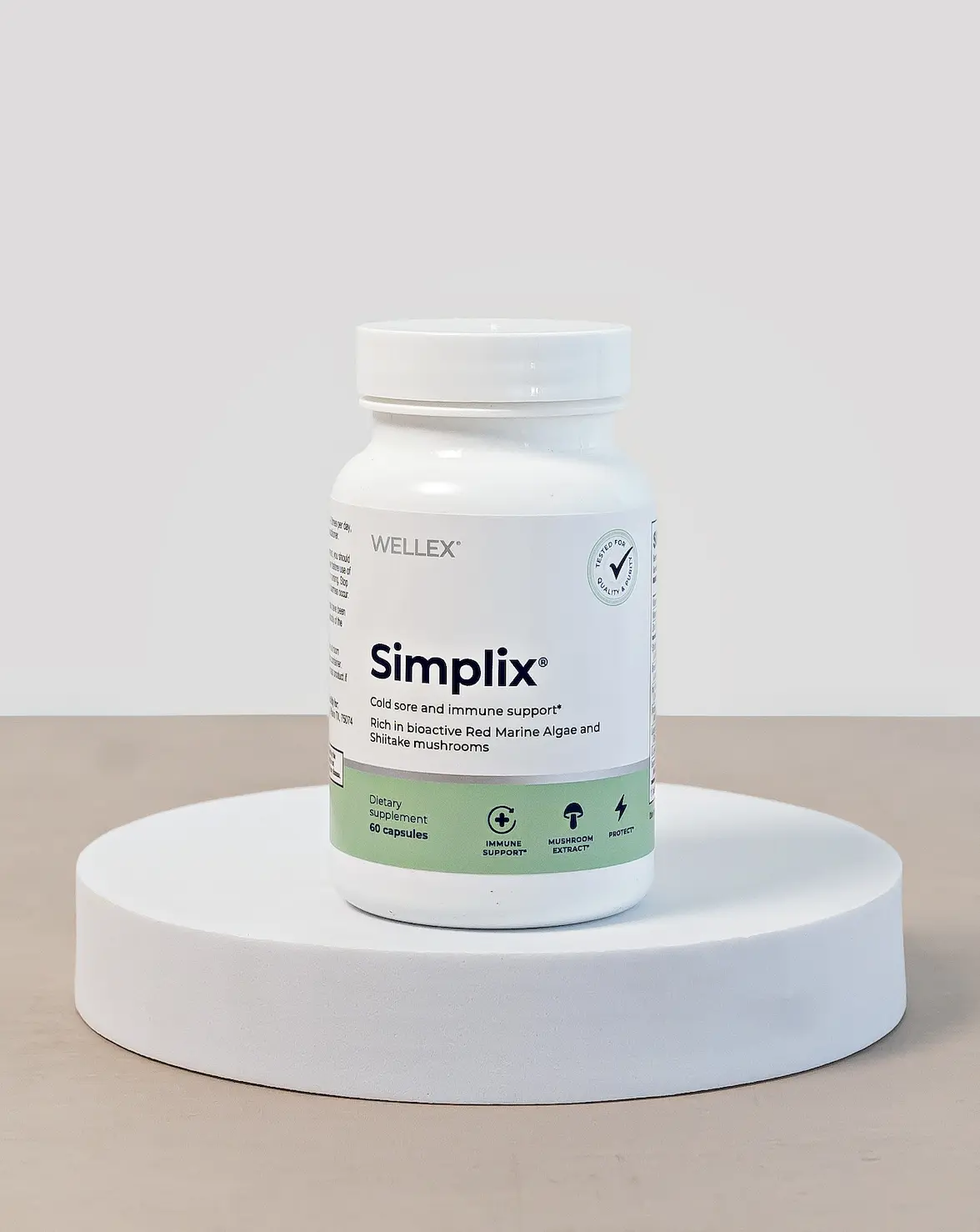
Simplix Viral Defense
Cold Sore & HSV Support
Synergistic formula combining L-Lysine, shiitake mushroom, and marine bioactives for comprehensive immune support.
SHOP NOW & SAVE 15%Key Differences Between Lysine Sulfate and L-Lysine Hydrochloride
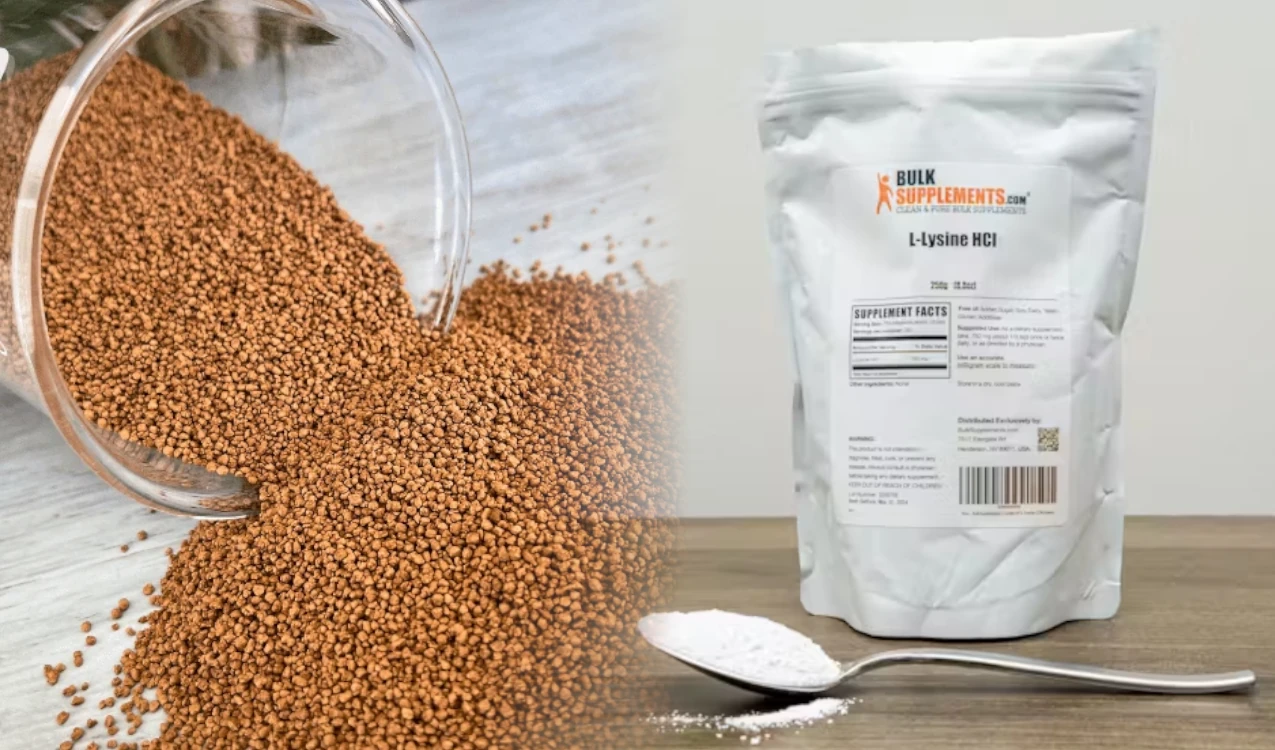
1. Composition and Purity
L-lysine hydrochloride is a highly purified form typically containing over 98% purity, making it a concentrated lysine source. Lysine sulfate, by contrast, contains around 65% lysine because it's combined with sulfuric acid (H2SO4). This combination introduces additional sulfate ions, which may provide benefits in specific dietary contexts where both lysine and sulfur are needed.
The lower purity of lysine sulfate can lead to challenges like moisture absorption, which affects product stability and quality. This moisture absorption can cause caking of feed ingredients in animal diets, promoting mold growth and posing animal health risks.
2. Bioavailability
Bioavailability refers to how well your body absorbs and utilizes nutrients. Studies show that while both L-lysine sulfate and L-lysine HCl provide supplemental lysine, their bioavailability differs significantly. Research indicates that L-lysine HCl has generally higher bioavailability than lysine sulfate due to its higher purity level.
However, some studies suggest lysine sulfate may still be an effective lysine source for certain applications, particularly when combined with other nutrients from microbial fermentation by-products. This could make it suitable in specific dietary contexts where both lysine and sulfur supplementation are beneficial.
3. Uses of Lysine Sulfate vs. L-Lysine Hydrochloride in Human Dietary Supplementation
L-Lysine HCl is commonly found in human dietary supplements aimed at supporting immune function, reducing anxiety levels, and promoting muscle recovery after exercise. Its high purity and established safety profile make it a preferred choice for consumers seeking effective dietary supplements.
Lysine sulfate can be included in human supplements but is less common due to impurity concerns that affect safety and efficacy. While it may offer benefits related to sulfur metabolism, its lower purity limits its appeal for those targeting HSV management or other health concerns.
4. Applications in Animal Nutrition
Both lysine forms play significant roles in animal nutrition. Lysine is essential in livestock feed formulations for poultry and swine because it promotes growth and overall health. L-Lysine HCl is widely used in commercial livestock feed due to its high purity and efficacy in improving growth performance.
Lysine sulfate is an alternative lysine source in animal diets but is used cautiously due to its lower purity level. The additional sulfur it provides can be beneficial in certain contexts where sulfur supplementation is necessary; however, care must be taken regarding its potential effects on feed quality.
5. Safety Considerations
When considering either form of lysine supplementation, safety matters. L-Lysine HCl has been extensively studied for its safety profile in humans, with few reported side effects at recommended dosages. It's generally well-tolerated but may cause gastrointestinal discomfort or diarrhea in some cases.
Lysine sulfate's lower purity raises concerns about potential contaminants or impurities that could affect safety or efficacy. Those interested in using this form should consult healthcare professionals before starting, particularly if they have underlying health conditions or are taking other medications.
Overall, understanding the safety profiles of these two forms helps consumers make informed supplementation choices.
Both L-lysine sulfate and L-lysine hydrochloride offer unique advantages depending on intended use, whether for human dietary supplementation or animal nutrition. While L-lysine HCl remains the preferred option for many due to its higher purity and bioavailability, lysine sulfate can still serve valuable roles under specific conditions.

Image: Bravado Labs L-Lysine Cold Sore Treatment
Bravado Labs L-Lysine Cold Sore Treatment
Why we love it:
- Verified Customer Favorite
- High Quality Ingredients
As an affiliate, we earn from qualifying purchases.