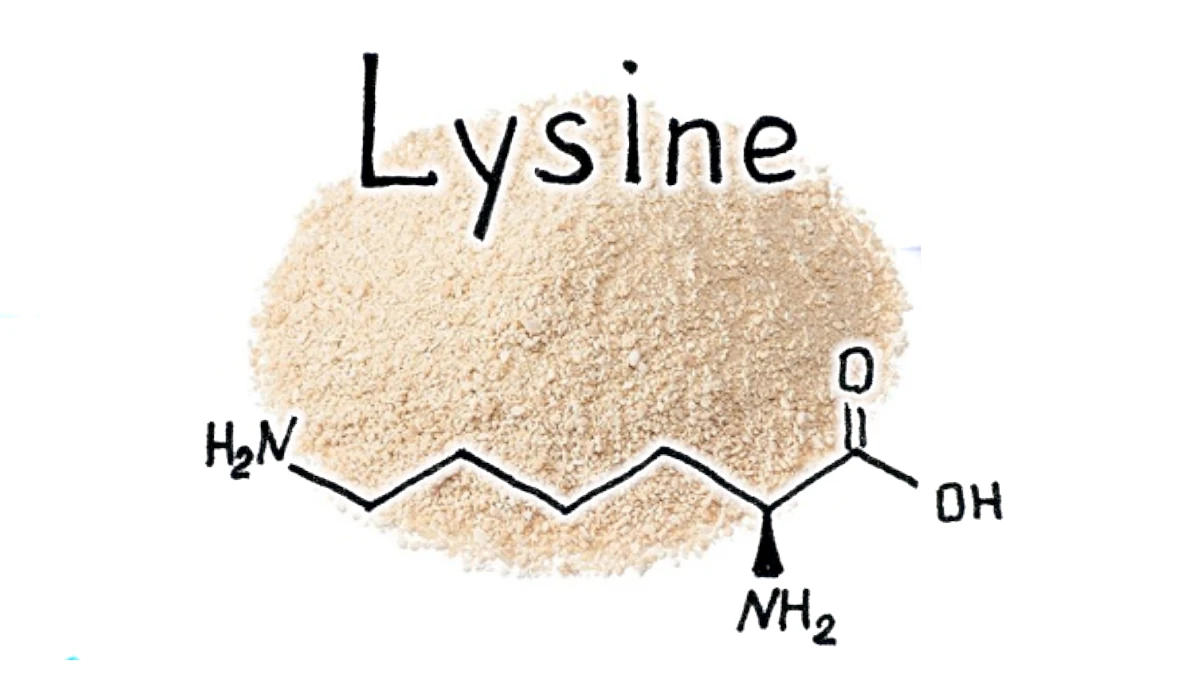
Lysine is an essential amino acid that the body cannot produce on its own, meaning it must be obtained through diet or supplements.
It plays a critical role in protein synthesis, tissue repair, and immune function.
Beyond these well-known benefits, lysine has gained attention for its potential impact on weight management and metabolic health.
While lysine itself does not directly burn fat, it supports key metabolic pathways that facilitate efficient energy production and fat utilization.
This makes lysine an important nutrient for individuals aiming to improve their body composition and metabolic rate.
One of lysine’s most important roles related to weight loss is its involvement in the synthesis of carnitine, a compound essential for transporting long-chain fatty acids into the mitochondria, the cell’s powerhouse.
Inside mitochondria, fatty acids are oxidized to produce energy, a process crucial for fat metabolism and weight control.
Research indicates that adequate lysine levels can enhance carnitine production, thereby supporting the body’s ability to burn fat more effectively during physical activity.
This biochemical relationship highlights why lysine intake is important for metabolic efficiency.
Maintaining or increasing lean muscle mass is a cornerstone of effective weight loss because muscle tissue consumes more calories than fat, even at rest.
Lysine contributes to muscle health by promoting protein synthesis and muscle repair, which are vital during calorie restriction or exercise.
Deficiency in lysine can lead to muscle weakness, fatigue, and impaired recovery, all of which can hinder weight loss efforts.
Ensuring sufficient lysine intake supports sustained physical performance, helping individuals stay active and burn more calories.
Lysine’s Impact on Metabolism and Weight Management
Recent studies have explored lysine’s broader effects on metabolism, including its potential to reduce fatigue and improve exercise capacity.
By enhancing muscle recovery and reducing muscle soreness, lysine may enable more frequent and intense workouts, which are critical for fat loss.
Additionally, lysine has been linked to the regulation of hormones and neurotransmitters that influence appetite and stress responses.
Since stress and poor appetite control can negatively impact weight management, lysine’s role in these areas may provide indirect benefits for weight loss.
Although lysine supplementation shows promise, it should be combined with a balanced diet and regular exercise for optimal results.
Foods rich in lysine include meat, fish, dairy products, legumes, and certain seeds, making it accessible through a varied diet.
While lysine is not a standalone weight loss solution, its support for fat metabolism, muscle maintenance, and energy production makes it a valuable component of a healthy lifestyle.
Supplementing lysine can be particularly beneficial for individuals who may have dietary restrictions or increased needs due to physical activity or stress.
Natural dietary sources of lysine include lean meats, fish, dairy products, legumes, and quinoa.
Incorporating these foods helps ensure adequate lysine intake, supporting metabolic health and muscle function essential for weight management.

Integrating Lysine into Your Weight Management Routine
Experts recommend that lysine intake be part of a comprehensive approach to weight loss that includes balanced nutrition, regular physical activity, and adequate rest.
Supplementation should be considered when dietary intake is insufficient or when increased demands arise, such as during intense exercise or recovery periods.
However, lysine supplements should be used responsibly and ideally under medical guidance.
Lysine offers a wide range of health benefits beyond supporting weight loss.
It is crucial for collagen formation, which provides structure and strength to skin, bones, and connective tissues, promoting wound healing and skin health.
This amino acid also plays a key role in immune system support by aiding the production of antibodies, enzymes, and hormones that help the body fight infections and maintain overall health.
Additionally, lysine improves the absorption and retention of calcium, which is vital for strong bones and may help prevent osteoporosis.
It also contributes to blood pressure regulation, with studies showing that lysine supplementation can lower blood pressure in individuals with lysine deficiency.
Lysine has demonstrated potential in reducing anxiety and stress by modulating cortisol levels, the hormone associated with the stress response.
It may also have antiviral properties, particularly in preventing and treating cold sores caused by herpes simplex virus by blocking arginine, an amino acid the virus needs to replicate.
Other emerging benefits include supporting gut health by reducing inflammation in the digestive tract lining, which may help prevent leaky gut syndrome, and potential roles in managing diabetes by influencing blood sugar levels.
All in all, lysine contributes to weight loss efforts primarily by enhancing fat metabolism and preserving lean muscle mass. Including lysine-rich foods or supplements alongside a balanced diet and exercise regimen may help optimize metabolic health and support effective weight management.
Lysine and Weight Loss FAQs
Can lysine help with weight loss?
Lysine may support weight loss indirectly by enhancing fat metabolism and preserving lean muscle mass. It helps produce carnitine, which transports fatty acids into cells for energy use. While lysine itself is not a fat-burning supplement, it supports metabolic functions that can aid weight management when combined with diet and exercise.
Current research suggests lysine supplementation can improve muscle recovery and reduce fatigue, enabling more effective workouts that contribute to fat loss. However, direct evidence linking lysine alone to significant weight loss remains limited.
What foods are rich in lysine?
Lysine is abundant in protein-rich foods such as lean meats, fish, dairy products, legumes, and quinoa. Including these foods in your diet helps maintain adequate lysine levels, which supports muscle maintenance, collagen production, and metabolic health.
For those with dietary restrictions or increased needs, lysine supplements are also available to ensure sufficient intake.
How does lysine affect muscle mass?
Lysine plays a critical role in muscle protein synthesis and repair. Adequate lysine intake helps preserve lean muscle during weight loss, which is important because muscle tissue burns more calories than fat. Maintaining muscle mass supports a higher metabolic rate and improves overall physical performance.
Deficiency in lysine can lead to muscle weakness and fatigue, which may hinder exercise and weight management efforts.
Are there other health benefits of lysine besides weight loss?
Yes, lysine supports collagen formation, essential for healthy skin, bones, and connective tissues. It also aids immune system function by helping produce antibodies and enzymes.
Lysine improves calcium absorption, which benefits bone strength, and may help regulate blood pressure. It has potential antiviral properties, especially in preventing cold sores caused by herpes simplex virus. Additionally, lysine may reduce anxiety and stress by modulating cortisol levels and supports gut health by reducing inflammation.
What is the recommended lysine dosage for weight management?
There is no established lysine dosage specifically for weight loss. General supplementation guidelines suggest 1,000 to 3,000 mg per day for overall health and metabolism support, and up to 5,000 mg per day for muscle preservation during intense physical activity.
It is best to obtain lysine through a balanced diet, and supplements should be taken under medical supervision, especially if used for specific health goals.

Image: Bravado Labs Advanced Lysine Immune Boost
Bravado Labs Advanced Lysine Immune Boost
Why we love it:
- Verified Customer Favorite
- High Quality Ingredients
As an affiliate, we earn from qualifying purchases.
Recommended Supplements for Herpes Management
Simplix Viral Defense
Cold Sore & HSV Support
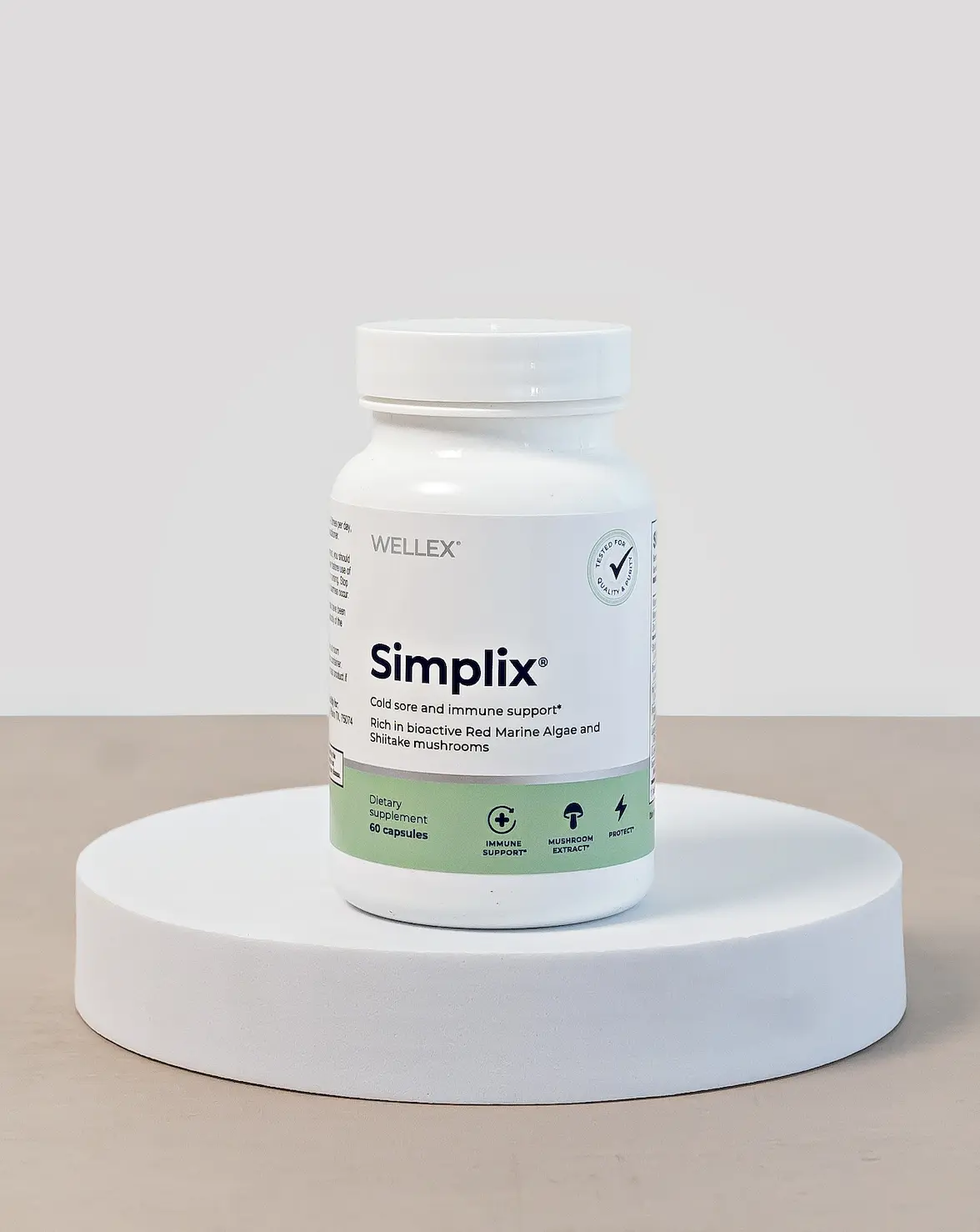
Simplix Viral Defense
Cold Sore & HSV Support
Synergistic formula combining L-Lysine, shiitake mushroom, and marine bioactives for comprehensive immune support.
SHOP NOW & SAVE 15%