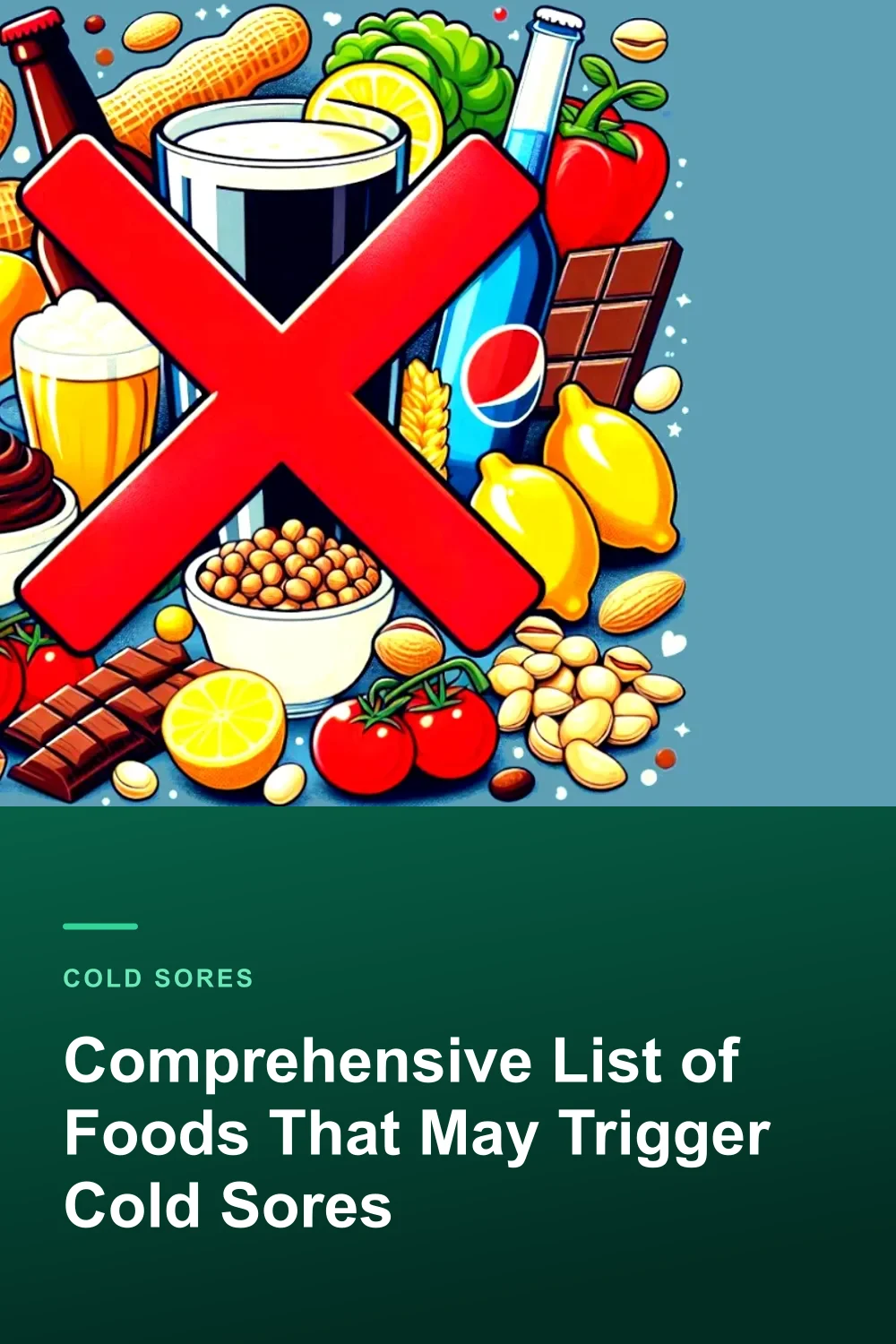
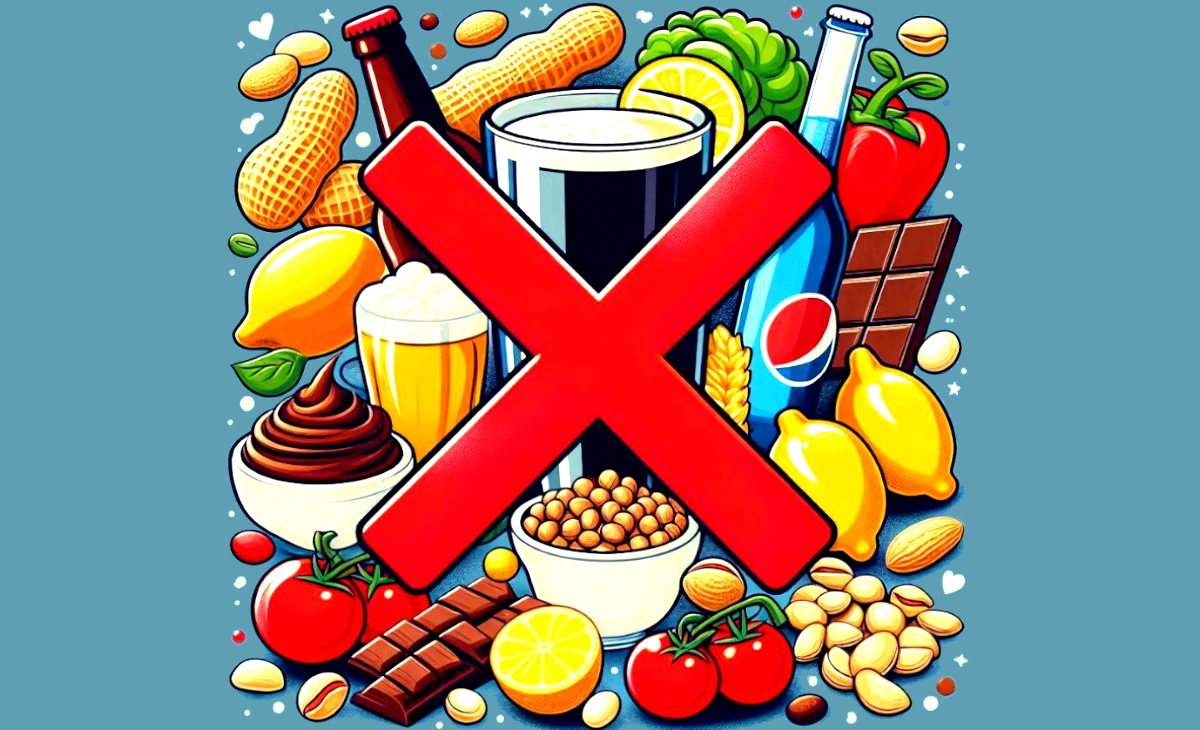
Certain foods may trigger cold sore outbreaks, particularly those high in ${arginine} and low in ${lysine}. Arginine can promote the replication of the herpes simplex virus (HSV), while lysine is thought to inhibit it.
Acidic foods can irritate the lips and worsen existing sores, prolonging healing. Foods that are heavily processed, high in sodium and fat, or high in caffeine may also stress the immune system and make outbreaks more likely.
Below, we explore a list of foods that may lead to outbreaks and the reasons behind their effects.

Simplix Viral Defense
Cold Sore & HSV Support
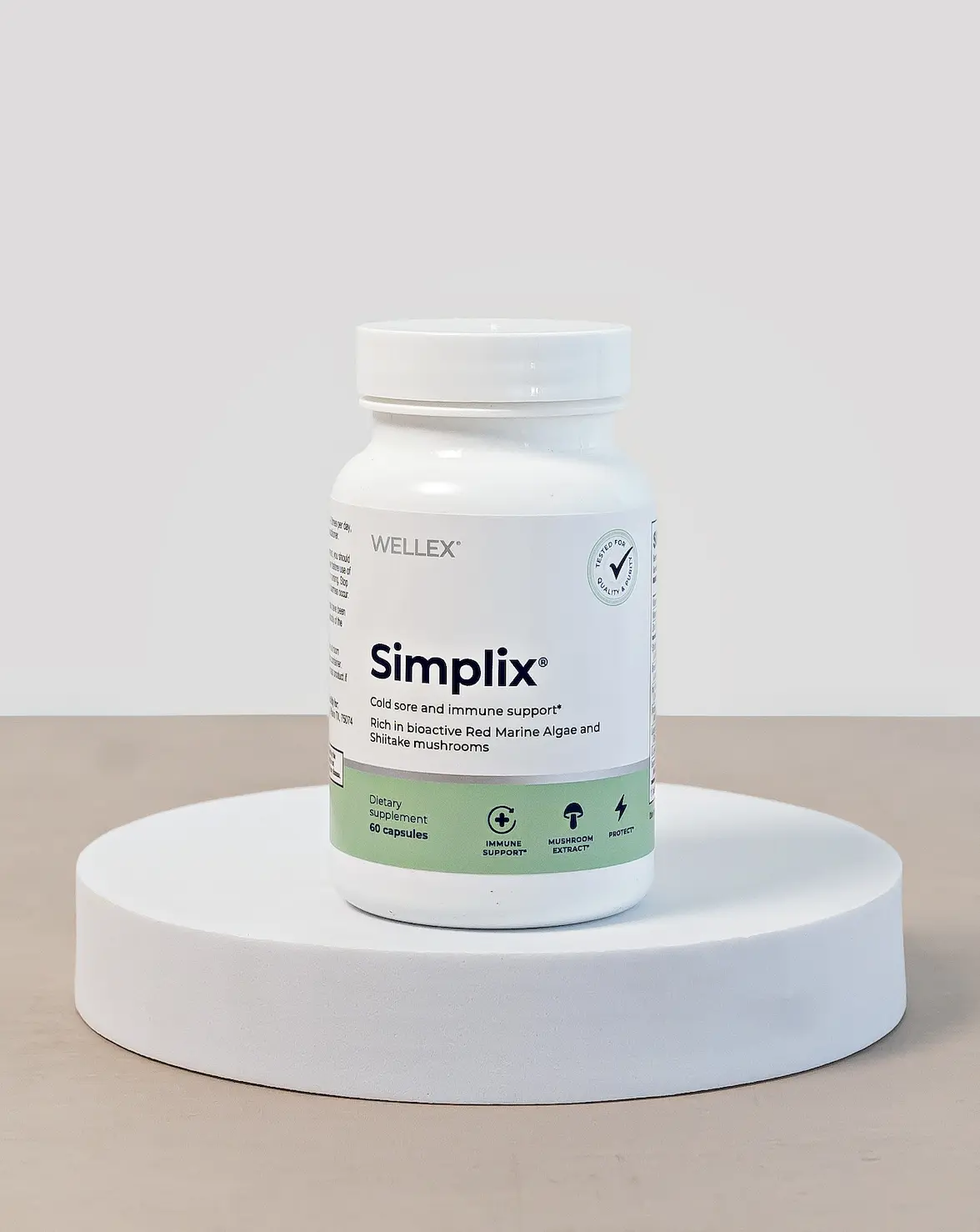
Simplix Viral Defense
Cold Sore & HSV Support
Synergistic formula combining L-Lysine, shiitake mushroom, and marine bioactives for comprehensive immune support.
SHOP NOW & SAVE 15%Foods That Cause Cold Sores
1. Chocolate
Chocolate is a beloved treat for many, yet it poses a significant risk for those prone to cold sores. Rich in arginine and low in lysine, chocolate can facilitate the replication of HSV.
This makes it a food to approach with caution if you are susceptible to outbreaks. Moreover, chocolate often contains caffeine, another potential trigger for cold sore flare-ups.
Reducing chocolate consumption may help mitigate the likelihood of an outbreak.
2. Nuts and Seeds
Nuts and seeds are generally regarded as healthy snacks, packed with nutrients and healthy fats. Certain varieties, particularly peanuts, walnuts, and hazelnuts, are high in arginine.
This high arginine content can fuel the herpes virus, increasing the risk of an outbreak.
While these snacks offer numerous health benefits, moderation is essential for those who frequently experience cold sores. Opting for nuts lower in arginine could be a safer choice.

3. Citrus Fruits
Citrus fruits such as oranges and lemons are celebrated for their vitamin C content and other beneficial nutrients.
Yet, their high acidity can irritate existing cold sores.
This irritation may lead to increased discomfort and prolong healing times.
For individuals prone to outbreaks, it may be prudent to limit citrus fruit consumption during active episodes to avoid exacerbating symptoms.
4. Tomatoes
Tomatoes are a staple ingredient in many dishes but can pose a risk for those prone to cold sores.
Especially when uncooked, tomatoes are acidic and can irritate sensitive skin around a cold sore.
This irritation may exacerbate pain and discomfort during an outbreak.
Cooking tomatoes or using them in moderation could help reduce their potential impact on cold sore symptoms.
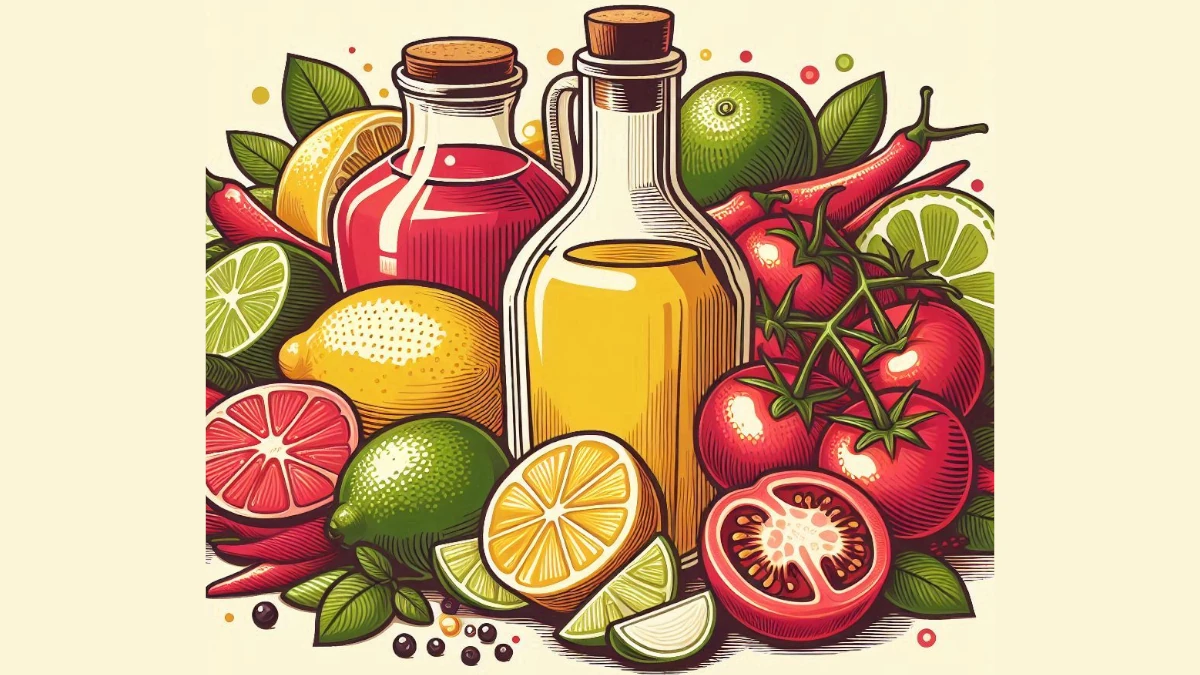
5. Vinegar-Based Products
Vinegar-based products like pickles and salad dressings add flavor to meals but can also be irritating due to their acidity.
For individuals prone to cold sores, consuming these products might worsen symptoms or prolong healing times.
If you are dealing with an outbreak, it might be wise to avoid vinegar-laden foods until your skin has healed.
6. Coffee and Tea
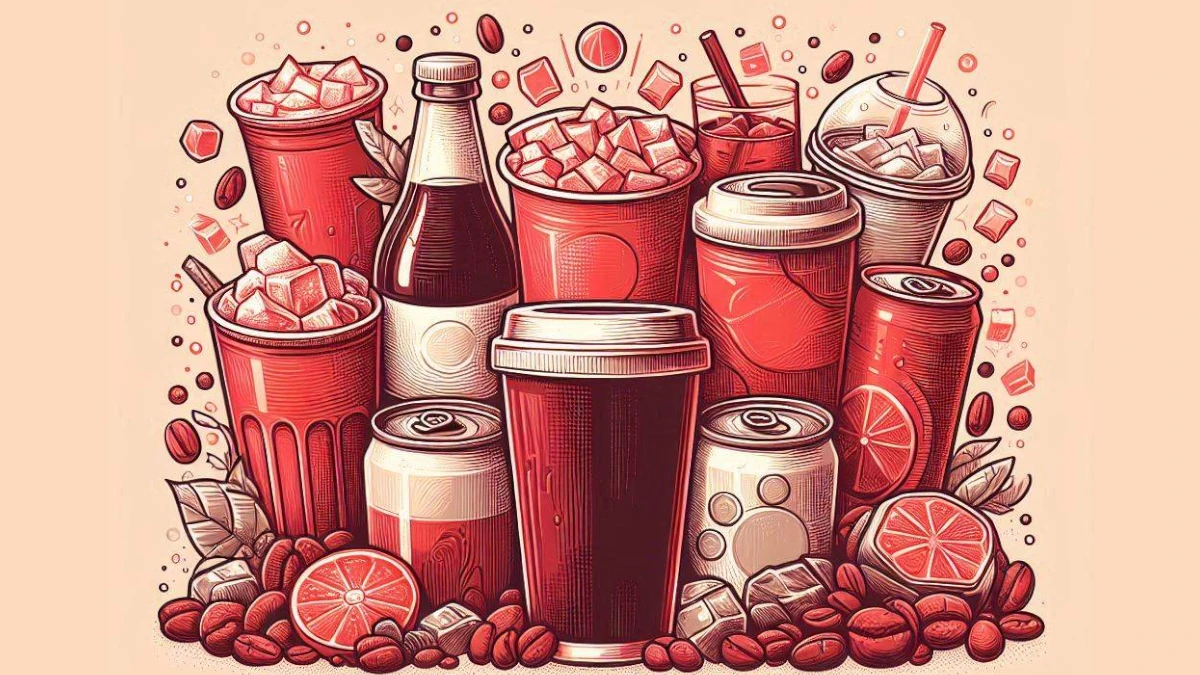
Coffee and tea are popular beverages that many rely on for their stimulating effects.
Both drinks contain caffeine, which has been noted as a potential trigger for cold sore outbreaks in some individuals.
Caffeine can impact immune response and lead to dehydration, both of which may contribute to an outbreak.
Moderating your caffeine intake might help reduce the risk of developing cold sores.
7. Sodas
Sodas represent another common source of caffeine and sugar that can pose risks for those prone to cold sores.
The combination of high sugar content and caffeine may weaken the immune system's ability to fend off viral infections like HSV.
If you’re looking to minimize your risk of outbreaks, consider cutting back on sugary sodas or opting for healthier beverage alternatives that do not compromise your health.
8. Fried Foods and Processed Meats
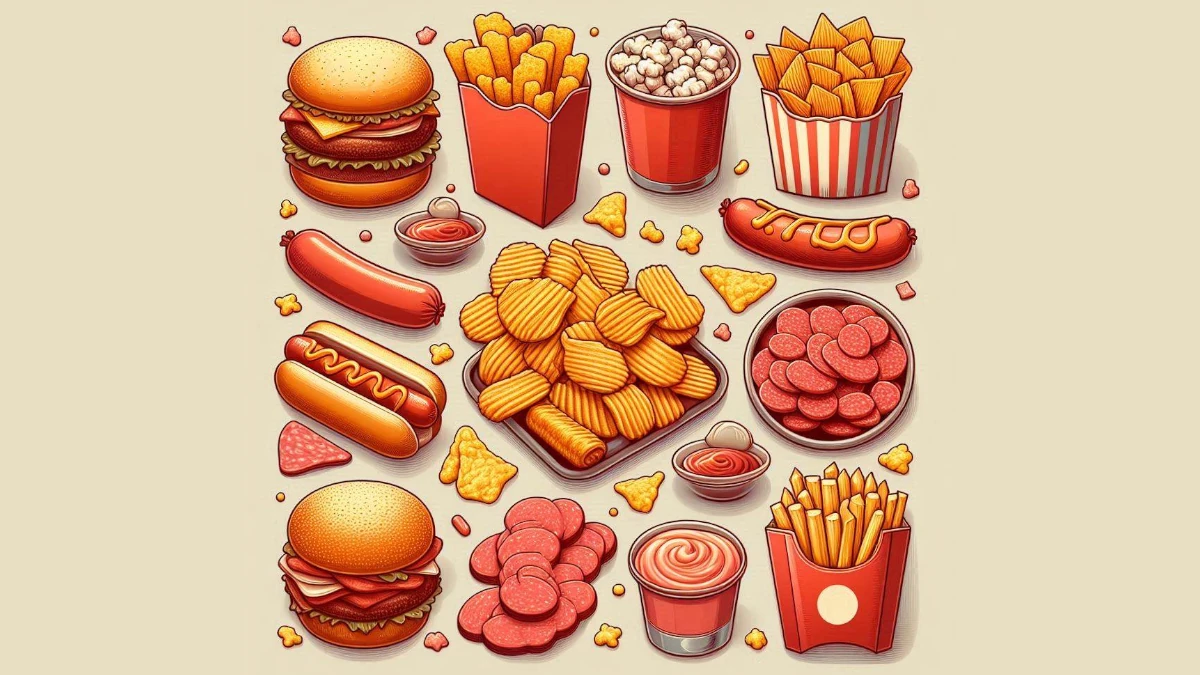
Fried foods such as chips are often high in unhealthy fats and salt, which can lead to inflammation in the body.
This inflammation may negatively impact the immune system's ability to combat viral infections like HSV.
For individuals prone to cold sores, reducing the intake of fried snacks could be beneficial in minimizing outbreaks while promoting overall health.
Processed meats like hot dogs and deli meats are convenient options but often contain preservatives and additives that could affect immune function.
These ingredients might trigger inflammatory responses that increase the likelihood of cold sore outbreaks.
Selecting fresh meats or plant-based protein sources can help mitigate this risk while supporting better health overall.
9. Alcoholic Drinks
Alcoholic beverages can trigger cold sore outbreaks in several ways. Excessive intake suppresses the immune system, which may prolong healing and increase outbreak frequency.
Spirits, in particular, should be avoided during active outbreaks, as they can significantly weaken immune response. ${Beer} is also worth watching: it contains notable amounts of arginine, which the herpes virus uses to replicate.
For a deeper look at how ${alcohol affects herpes outbreaks}, including which drinks may be safer in moderation, see our dedicated guide.

Additional Diet and Lifestyle Considerations
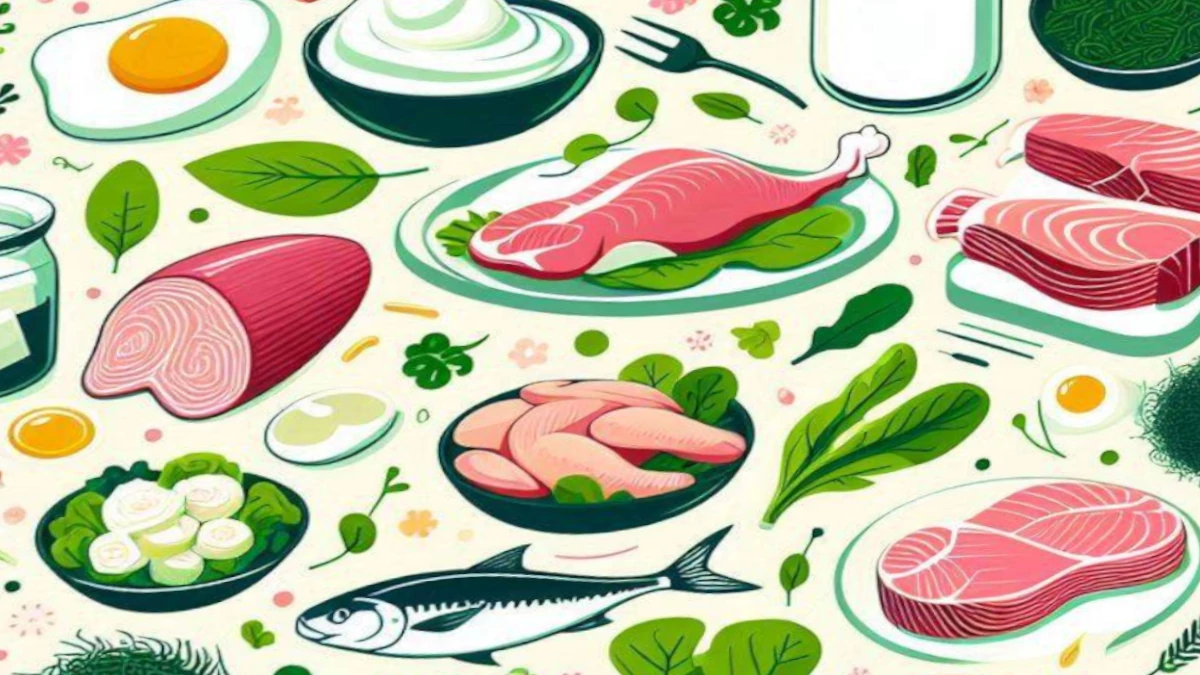
Shifting your diet toward ${foods with higher lysine content}, such as dairy products, fish, and lean meats, can help inhibit herpes simplex virus replication. The goal is not to eliminate arginine-rich foods entirely, but to keep the balance tilted in your favor.
You do not need to swear off chocolate or nuts forever. Occasional consumption is fine for most people. The key is to be mindful when you feel an outbreak coming on and dial back on high-arginine foods during those windows.
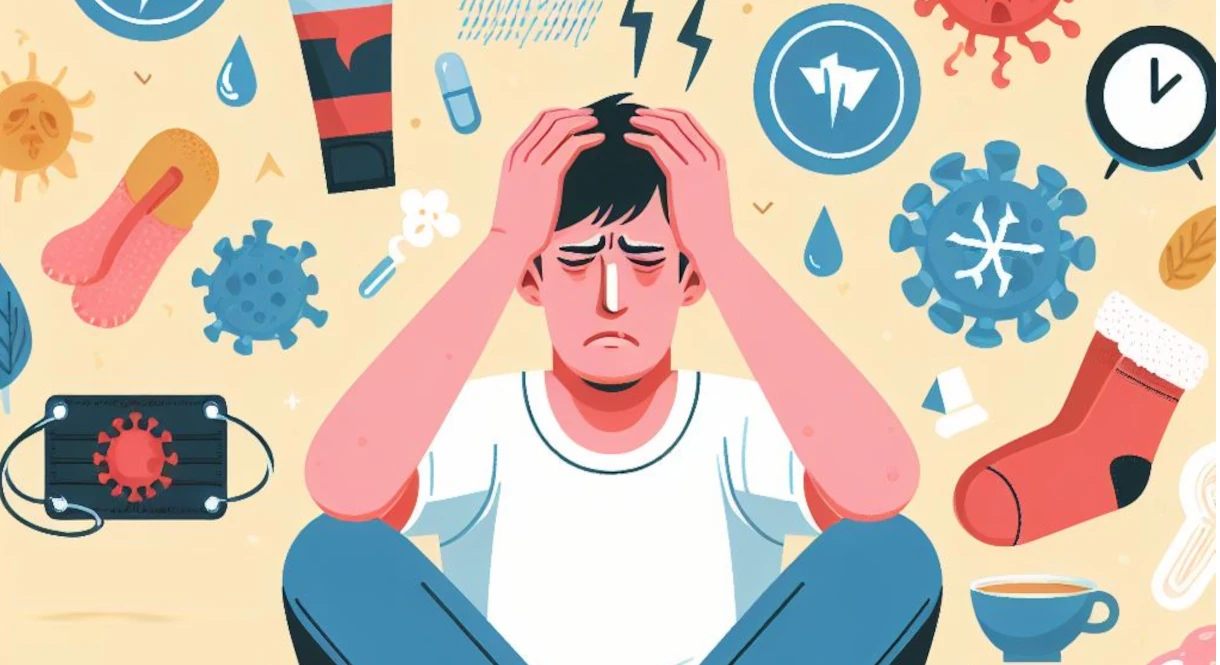
Sun protection matters too. Sunburn triggers outbreaks by causing inflammation in the skin. A lip balm with SPF keeps the lips hydrated and less prone to cracking, which removes one of the most common physical triggers.
Stress is another major factor. High stress suppresses the immune system, giving the virus a better chance to reactivate. Regular exercise, even just walking, makes a measurable difference.
So does consistent sleep: aim for 7–9 hours a night. A rested immune system is a stronger one.
Cold Sores and Diet FAQs
What foods should I avoid to prevent cold sore outbreaks?
Foods high in arginine, such as chocolate, nuts (especially peanuts, walnuts, and hazelnuts), seeds, whole grains, and certain meats, may promote herpes simplex virus replication and trigger outbreaks. Acidic foods like citrus fruits, tomatoes, and vinegar-based products can irritate existing sores and prolong healing. Additionally, excessive caffeine and alcohol intake may weaken the immune system and increase outbreak risk.
Should I avoid all arginine-rich foods if I get cold sores?
Not necessarily. While some people find limiting high-arginine foods helpful, complete avoidance isn’t required for everyone. Moderation and observing personal triggers are key.
Are lysine-rich foods effective in preventing cold sores?
Lysine may help inhibit the virus by competing with arginine. Foods like dairy, fish, and chicken are good lysine sources. Though evidence is limited, including lysine-rich foods might reduce outbreak frequency for some.
Do acidic foods cause cold sores?
Acidic foods don’t cause cold sores but can irritate and prolong healing of existing sores. Avoid citrus fruits, tomatoes, and vinegar-based products during active outbreaks for comfort.
Can caffeine or alcohol worsen cold sores?
Caffeine and alcohol can dehydrate and weaken the immune system, potentially increasing outbreak risk or delaying healing. Moderation or avoidance during outbreaks is recommended.
Is there a diet that can cure cold sores?
No diet can cure cold sores, but a balanced diet that supports immune health and manages arginine and lysine intake may help reduce outbreak frequency and severity.
Image: Simplix Viral Defense
Simplix Viral Defense
Why we love it:
- Specifically formulated to reduce cold sore outbreaks
- Contains L-Lysine, Red Marine Algae, and Lemon Balm
- Supports immune system during viral challenges
- Helps manage stress-triggered outbreaks