Cold sores can be frustrating and uncomfortable, but certain foods may trigger outbreaks.
Foods high in arginine and low in lysine are particularly concerning, as arginine can promote the replication of the herpes simplex virus (HSV), while lysine is thought to inhibit it.
In addition to this, let us keep in mind that acidic foods can irritate the lips and worsen existing cold sores, making them more painful and prolonging healing times.
Similarly, foods that are overly processed, high in sodium and fat, or contain caffeine may stress your body and put a toll on your immune system, worsening symptoms and facilitating outbreaks.
Understanding these triggers can empower individuals to make informed dietary choices that minimize the risk of cold sores.
Below, we explore a list of foods that may lead to outbreaks and the reasons behind their effects.

Foods That Cause Cold Sores
1. Chocolate
Chocolate is a beloved treat for many, yet it poses a significant risk for those prone to cold sores. Rich in arginine and low in lysine, chocolate can facilitate the replication of HSV. This makes it a food to approach with caution if you are susceptible to outbreaks. Moreover, chocolate often contains caffeine, another potential trigger for cold sore flare-ups. Reducing chocolate consumption may help mitigate the likelihood of an outbreak.2. Nuts and Seeds
Nuts and seeds are generally regarded as healthy snacks, packed with nutrients and healthy fats. Nonetheless, certain varieties-particularly peanuts, walnuts, and hazelnuts-are high in arginine. This high arginine content can fuel the herpes virus, increasing the risk of an outbreak. While these snacks offer numerous health benefits, moderation is essential for those who frequently experience cold sores. Opting for nuts lower in arginine could be a safer choice.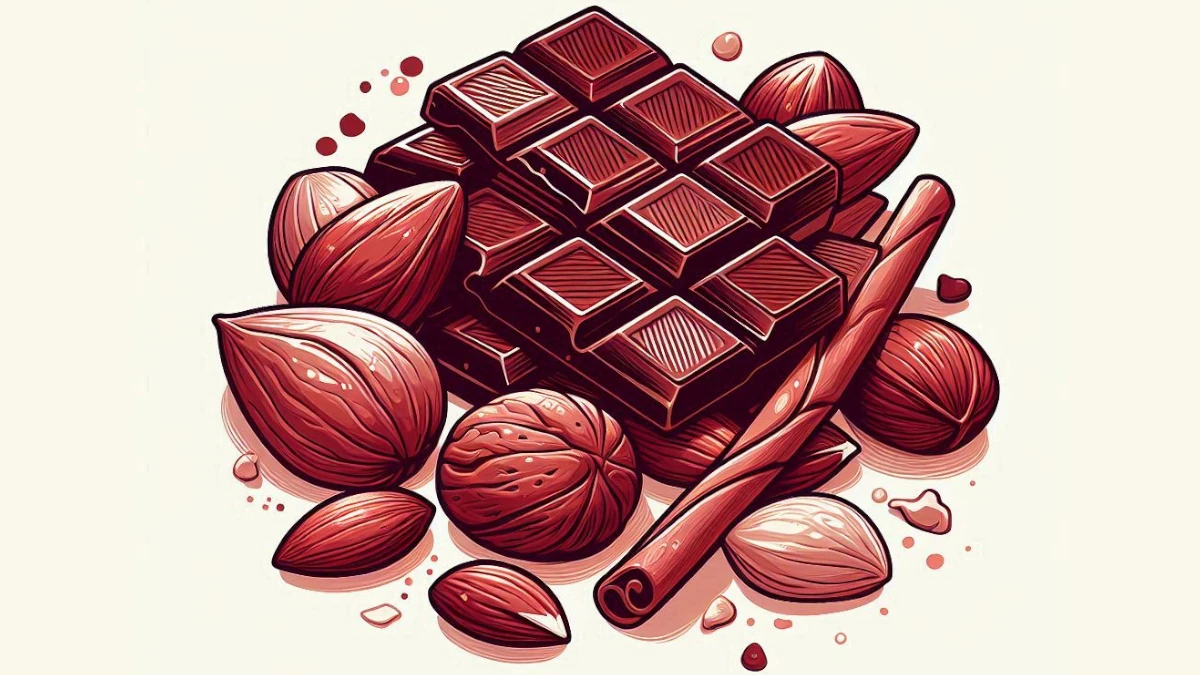
3.
Citrus Fruits Citrus fruits such as oranges and lemons are celebrated for their vitamin C content and other beneficial nutrients.
Yet, their high acidity can irritate existing cold sores.
This irritation may lead to increased discomfort and prolong healing times.
For individuals prone to outbreaks, it may be prudent to limit citrus fruit consumption during active episodes to avoid exacerbating symptoms.
4. Tomatoes
Tomatoes are a staple ingredient in many dishes but can pose a risk for those prone to cold sores. Especially when uncooked, tomatoes are acidic and can irritate sensitive skin around a cold sore. This irritation may exacerbate pain and discomfort during an outbreak. Cooking tomatoes or using them in moderation could help reduce their potential impact on cold sore symptoms.5. Vinegar-Based Products
Vinegar-based products like pickles and salad dressings add flavor to meals but can also be irritating due to their acidity. For individuals prone to cold sores, consuming these products might worsen symptoms or prolong healing times. If you are dealing with an outbreak, it might be wise to avoid vinegar-laden foods until your skin has healed.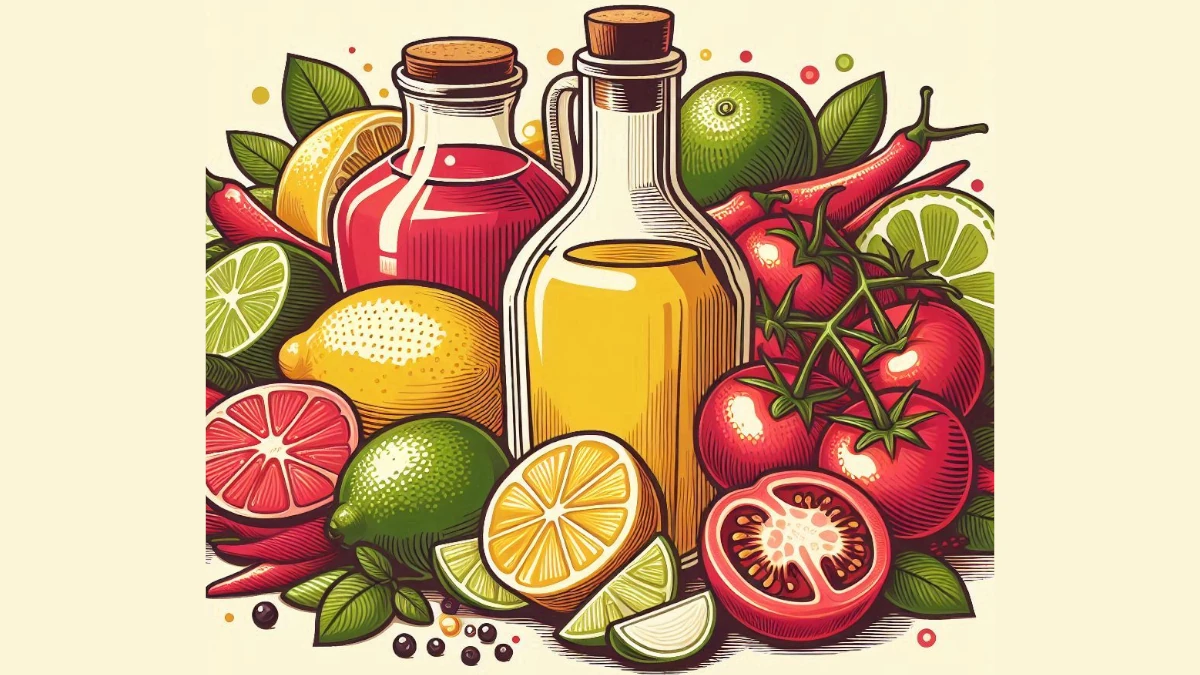
6. Coffee and Tea
Coffee and tea are popular beverages that many rely on for their stimulating effects. Both drinks contain caffeine, which has been noted as a potential trigger for cold sore outbreaks in some individuals. Caffeine can impact immune response or lead to dehydration-both factors that could contribute to an outbreak. Moderating your caffeine intake might help reduce the risk of developing cold sores.7. Sodas
Sodas represent another common source of caffeine and sugar that can pose risks for those prone to cold sores. The combination of high sugar content and caffeine may weaken the immune system's ability to fend off viral infections like HSV. If you’re looking to minimize your risk of outbreaks, consider cutting back on sugary sodas or opting for healthier beverage alternatives that do not compromise your health.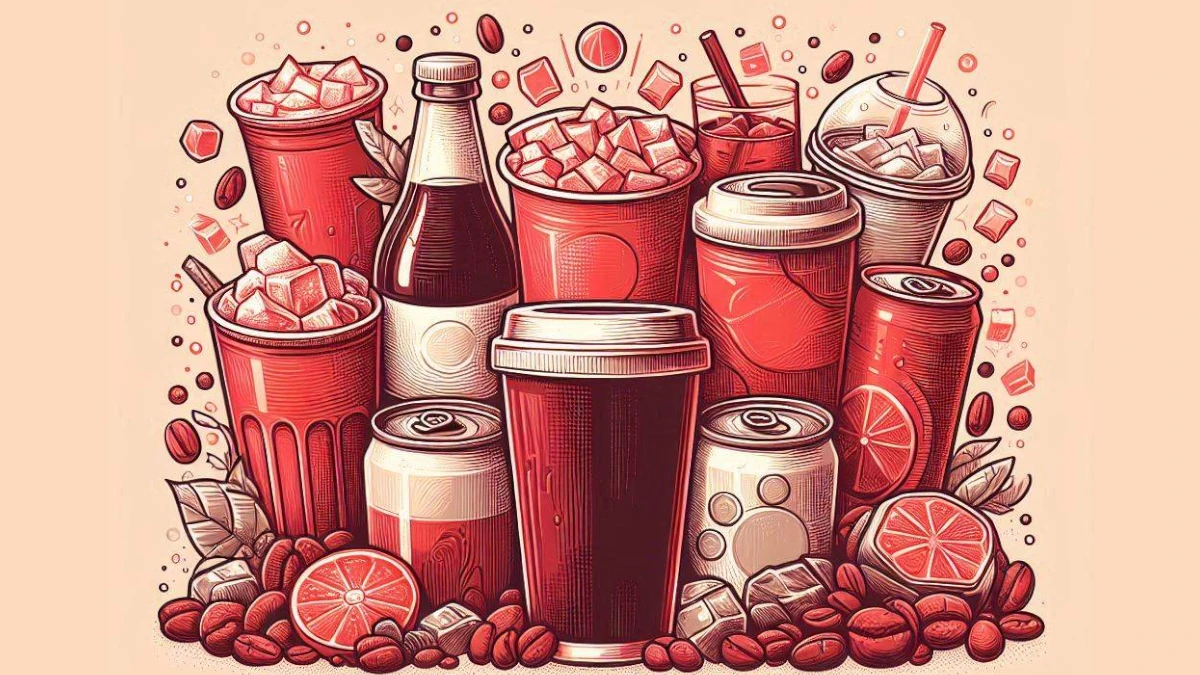
8.
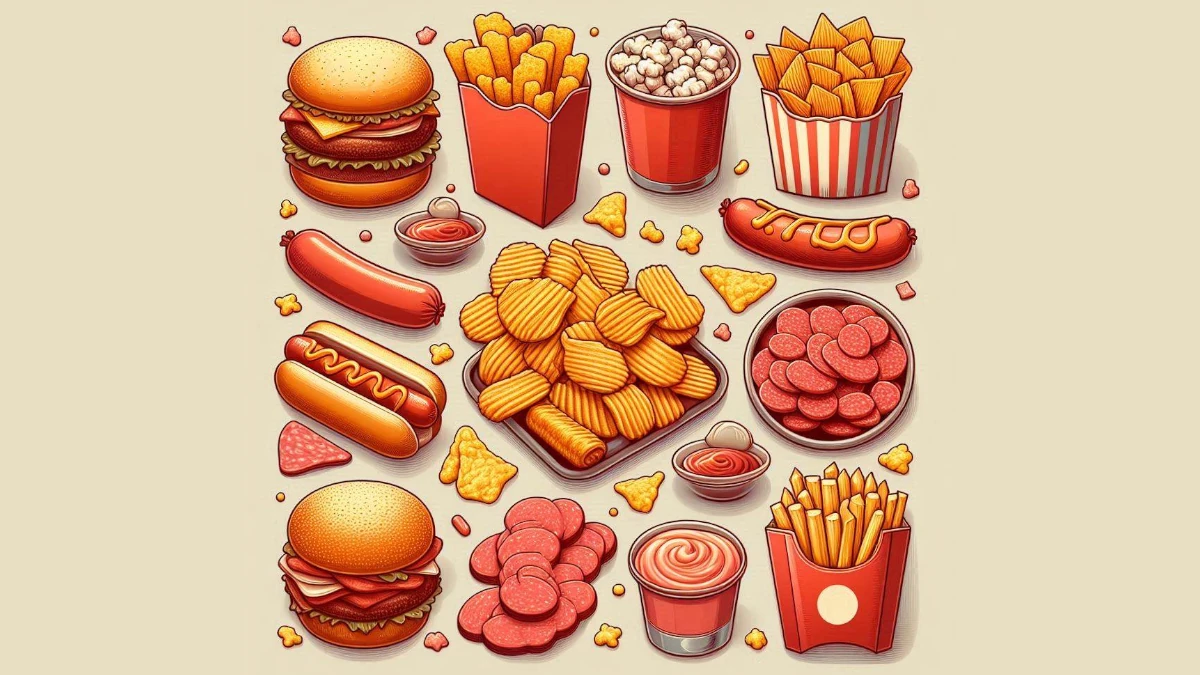
Fried Foods and Processed Meats Fried foods such as chips are often high in unhealthy fats and salt, which can lead to inflammation in the body.
This inflammation may negatively impact the immune system's ability to combat viral infections like HSV.
For individuals prone to cold sores, reducing the intake of fried snacks could be beneficial in minimizing outbreaks while promoting overall health.
Processed meats like hot dogs and deli meats are convenient options but often contain preservatives and additives that could affect immune function.
These ingredients might trigger inflammatory responses that increase the likelihood of cold sore outbreaks.
Selecting fresh meats or plant-based protein sources can help mitigate this risk while supporting better health overall.
9.
Alcoholic Drinks Alcoholic beverages can also play a significant role in triggering cold sore outbreaks.
While moderate consumption of wine is generally considered safe and unlikely to exacerbate cold sores, excessive alcohol intake can suppress the immune system.
This suppression may prolong healing times and increase the likelihood of outbreaks.
Spirits, in particular, should be avoided altogether, as they can significantly weaken the immune response.
Beer is another drink to approach with caution; it contains high amounts of arginine, an amino acid that the herpes virus uses to replicate.
Therefore, consuming large quantities of beer during an active infection could delay healing.
If you choose to drink during an outbreak, it is best to steer clear of any amount of alcohol consumption to minimize the risk of exacerbating symptoms or prolonging recovery.

Additional Diet and Lifestyle Considerations
Adopting a healthy diet that emphasizes foods with higher lysine content than arginine can significantly contribute to preventing cold sore outbreaks.Foods rich in lysine, such as dairy products, fish, and certain meats, have been shown to help inhibit the replication of the herpes simplex virus.
Incorporating these foods into your daily meals can create a supportive environment for your immune system.
While the foods mentioned in this article may not need to be completely avoided, consuming them in moderation is advisable, especially during active outbreaks.
For instance, enjoying chocolate or nuts occasionally is acceptable, but it is wise to limit their intake when you feel an outbreak approaching.
By focusing on high-lysine foods and balancing your diet, you can effectively manage your risk of cold sores.
In addition to dietary considerations, protecting your lips from sun exposure is crucial for maintaining skin health.
Sunburn can trigger outbreaks by causing inflammation and irritation in the skin.
Using lip balms with SPF can provide essential protection against harmful UV rays.
Look for products that contain moisturizing ingredients to keep your lips hydrated and less prone to cracking.
Stress management is another vital aspect of preventing cold sore outbreaks.
High-stress levels can weaken the immune system, making it harder for your body to fight off infections.
Engaging in regular physical activity, such as walking, jogging, or yoga, can help reduce stress levels and improve overall well-being.
Additionally, practicing mindfulness techniques like meditation or deep-breathing exercises can foster a sense of calm and resilience.
Getting adequate sleep is equally important for maintaining a robust immune system.
Aim for 7-9 hours of quality sleep each night to allow your body to recover and regenerate.
A well-rested body is better equipped to fend off viral infections.
By combining these dietary strategies with lifestyle adjustments-such as sun protection and stress management-you can create a comprehensive approach to reducing the frequency and severity of cold sore episodes.
This holistic method not only focuses on what you eat but also incorporates healthy habits that promote overall wellness.
Cold Sores and Diet FAQs
What foods should I avoid to prevent cold sore outbreaks?
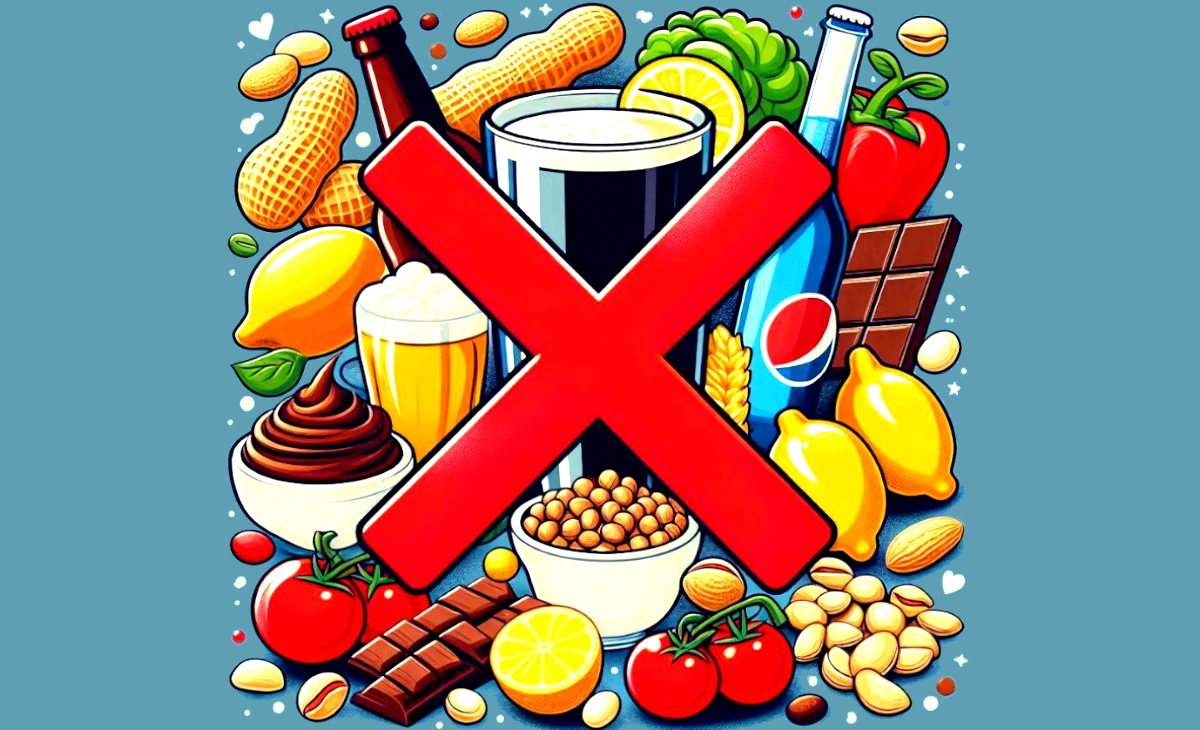
Foods high in arginine, such as chocolate, nuts (especially peanuts, walnuts, and hazelnuts), seeds, whole grains, and certain meats, may promote herpes simplex virus replication and trigger outbreaks. Acidic foods like citrus fruits, tomatoes, and vinegar-based products can irritate existing sores and prolong healing. Additionally, excessive caffeine and alcohol intake may weaken the immune system and increase outbreak risk.
Should I avoid all arginine-rich foods if I get cold sores?
Not necessarily. While some people find limiting high-arginine foods helpful, complete avoidance isn’t required for everyone. Moderation and observing personal triggers are key.
Are lysine-rich foods effective in preventing cold sores?
Lysine may help inhibit the virus by competing with arginine. Foods like dairy, fish, and chicken are good lysine sources. Though evidence is limited, including lysine-rich foods might reduce outbreak frequency for some.
Do acidic foods cause cold sores?
Acidic foods don’t cause cold sores but can irritate and prolong healing of existing sores. Avoid citrus fruits, tomatoes, and vinegar-based products during active outbreaks for comfort.
Can caffeine or alcohol worsen cold sores?
Caffeine and alcohol can dehydrate and weaken the immune system, potentially increasing outbreak risk or delaying healing. Moderation or avoidance during outbreaks is recommended.
Is there a diet that can cure cold sores?
No diet can cure cold sores, but a balanced diet that supports immune health and manages arginine and lysine intake may help reduce outbreak frequency and severity.
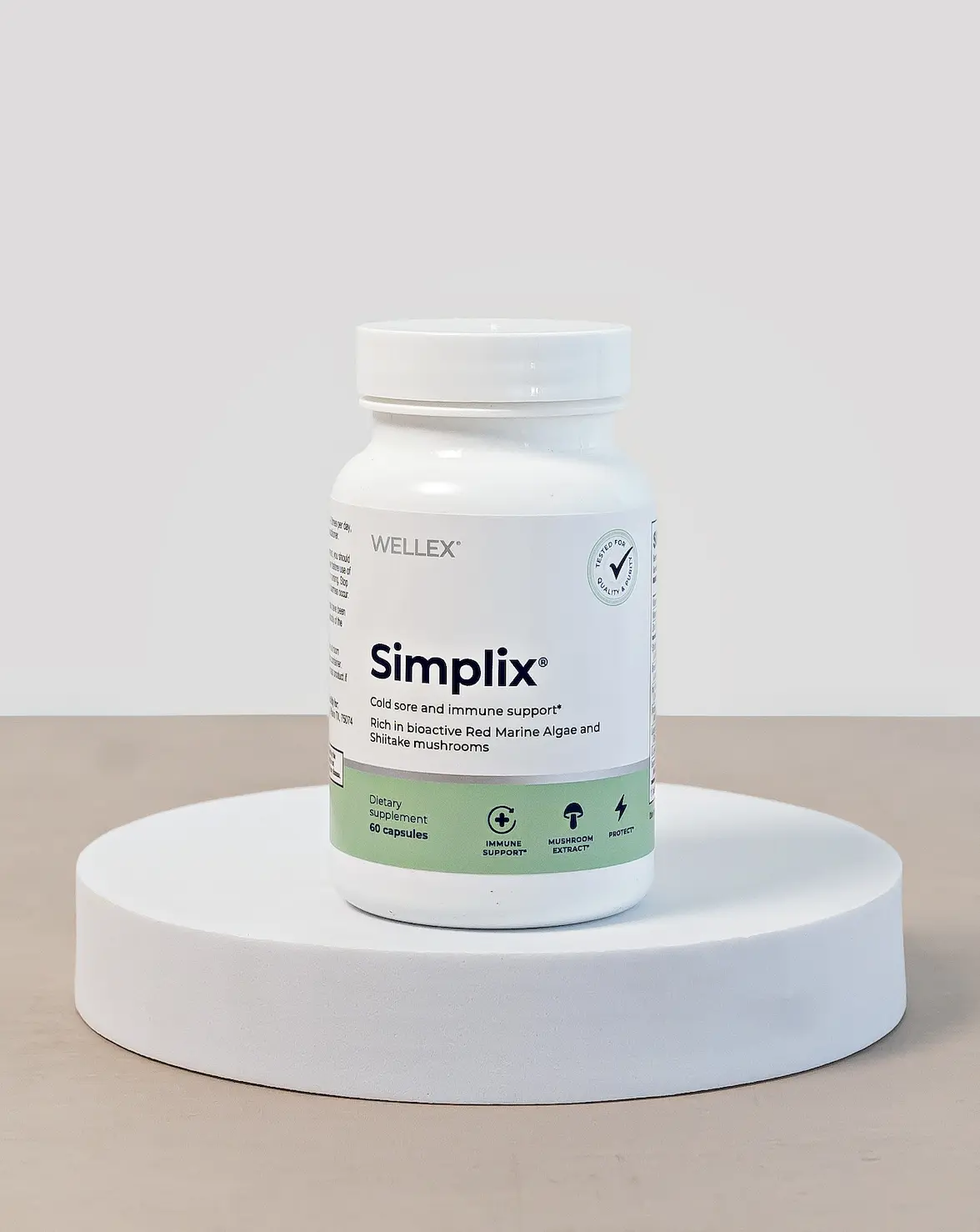
Image: Simplix Viral Defense
Simplix Viral Defense
Why we love it:
- Specifically formulated to reduce cold sore outbreaks
- Contains L-Lysine, Red Marine Algae, and Lemon Balm
- Supports immune system during viral challenges
- Helps manage stress-triggered outbreaks
Recommended Supplements for Herpes Management
Simplix Viral Defense
Cold Sore & HSV Support
Simplix Viral Defense
Cold Sore & HSV Support
Synergistic formula combining L-Lysine, shiitake mushroom, and marine bioactives for comprehensive immune support.
SHOP NOW & SAVE 15%