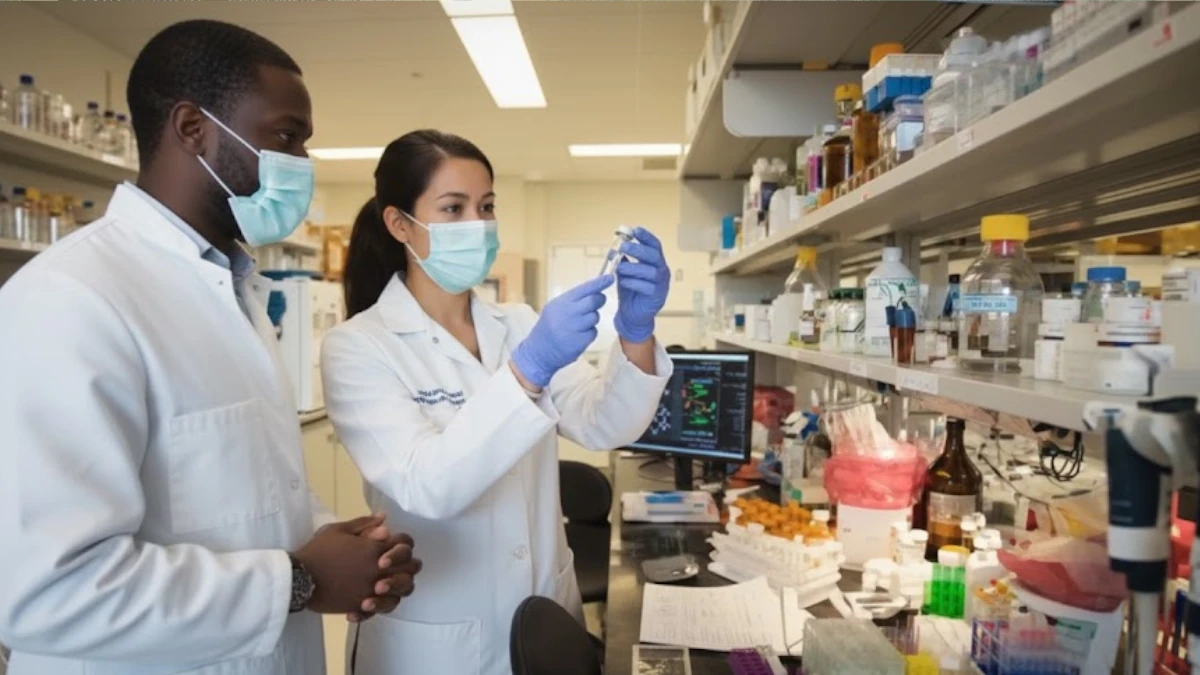
Lip fillers have become a popular cosmetic procedure to enhance lip volume and shape.
However, for individuals with a history of herpes simplex virus type 1 (HSV-1), which causes cold sores, concerns often arise about whether lip fillers can trigger outbreaks.
While lip fillers themselves do not cause cold sores, the injection process can reactivate the dormant virus, leading to an outbreak.
Understanding the connection between lip fillers and cold sores is essential to minimize risks and enjoy safe cosmetic treatments.
What Causes Cold Sores?
Cold sores are caused by HSV-1, a virus that remains dormant in nerve cells after initial infection. Various triggers can reactivate the virus, leading to painful blisters around the lips. Common triggers include stress, illness, sun exposure, hormonal changes, and physical trauma to the lips or surrounding skin.
Can Lip Fillers Trigger Cold Sores?
Lip filler procedures involve multiple needle punctures to inject filler material into the lips, causing minor trauma and inflammation. This localized trauma can irritate the skin and underlying tissues, potentially disturbing the immune balance in the area.
For individuals carrying HSV-1, this trauma can stimulate the dormant virus to reactivate, potentially triggering a cold sore outbreak. Other factors related to the procedure, such as stress or immune response, may also contribute to outbreak risk. The physical stress of the injection, combined with emotional stress and the body's immune reaction to the filler, can lower defenses and increase the chance of viral reactivation.
Additionally, inflammation caused by the procedure may create an environment conducive to cold sore development.
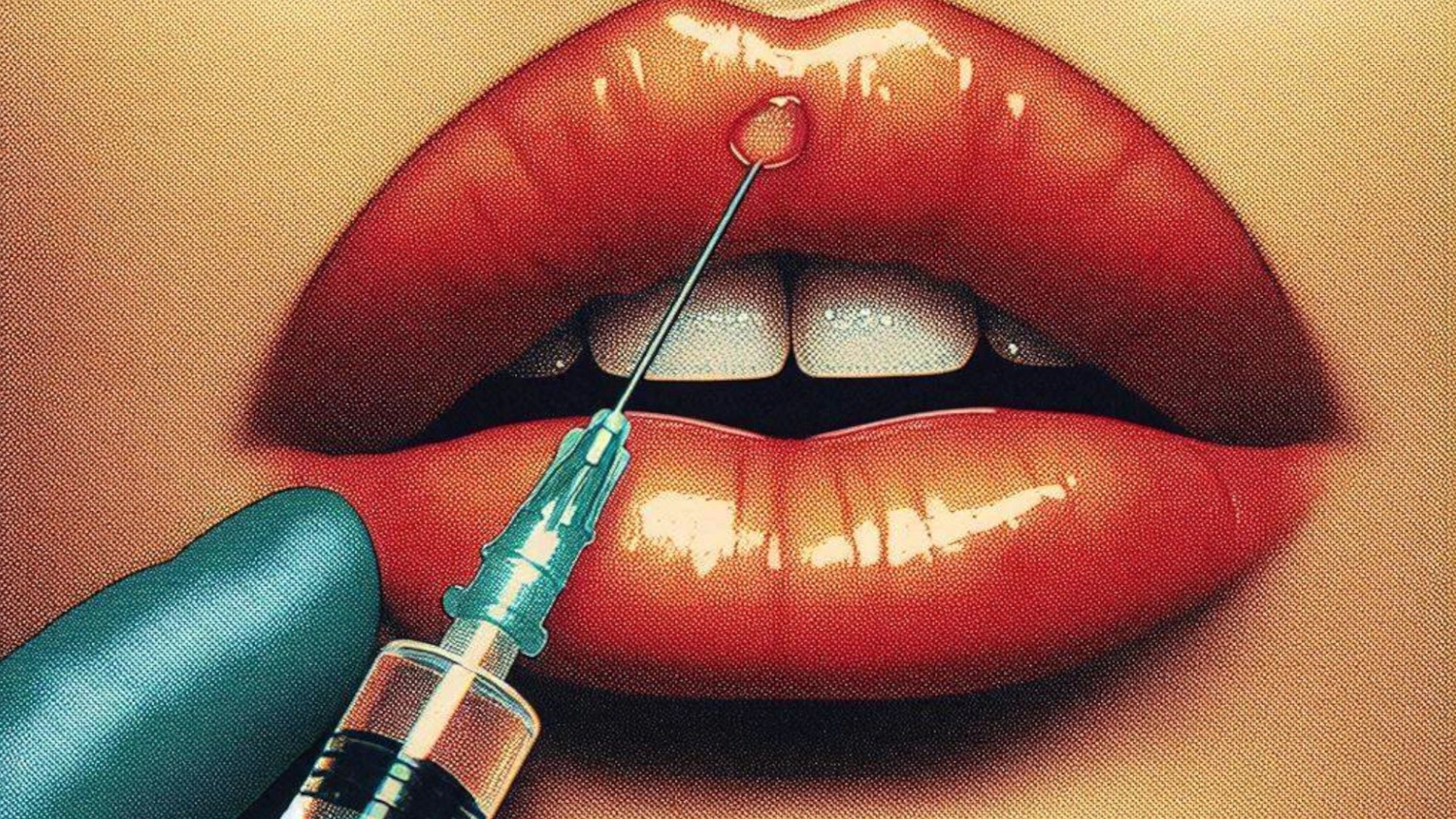
Individuals with a history of cold sores or known HSV-1 infection are at higher risk of outbreaks after lip filler treatments. The virus remains dormant in nerve cells and can be triggered by trauma or stress, making those with prior outbreaks more susceptible.
It is important for these individuals to take precautions before undergoing lip filler procedures. Those without prior HSV infection typically do not develop cold sores from the procedure. Since the virus must already be present in the body to reactivate, patients without HSV-1 are unlikely to experience cold sores as a result of lip filler injections.
Cold sore outbreaks after lip fillers are relatively uncommon, occurring in less than 2% of patients. Despite the low incidence, the risk is notably higher for those with a history of HSV-1.
Understanding this risk allows patients and practitioners to plan accordingly. Proper preventive measures can significantly reduce this risk. These include antiviral medications, stress management, and careful technique during the procedure to minimize trauma and inflammation, which all contribute to lowering the chance of cold sore outbreaks.
Preventing Cold Sores When Getting Lip Fillers
Inform your practitioner if you have a history of cold sores. This allows them to tailor your treatment plan and recommend preventive strategies.
Antiviral medications such as acyclovir or valacyclovir may be prescribed before and after the procedure to reduce outbreak risk effectively. Choosing an experienced injector and following aftercare instructions carefully can also help minimize trauma and inflammation. Proper injection technique reduces tissue damage, while diligent aftercare supports healing and lowers the likelihood of viral reactivation.
Avoiding excessive sun exposure and managing stress post-procedure are additional helpful steps.
If a cold sore develops after lip fillers, prompt use of antiviral medications can reduce healing time and discomfort. Avoid touching or picking at sores to prevent spreading the virus and secondary infections.
FAQs: Lip Fillers and Cold Sores
Do lip fillers cause cold sores?
Lip fillers do not cause cold sores directly but can trigger outbreaks in people who carry HSV-1 due to injection-related trauma.
Who is at risk of cold sores after lip fillers?
Individuals with a history of cold sores or HSV-1 infection are at higher risk; those without prior infection are unlikely to develop cold sores from fillers.
How can I prevent cold sores after lip fillers?
Taking antiviral medication before and after the procedure and informing your provider about cold sore history can help prevent outbreaks.
Are cold sore outbreaks common after lip fillers?
Outbreaks occur in less than 2% of cases, especially in those with HSV-1 history.
What should I do if I get a cold sore after lip fillers?
Start antiviral treatment promptly, avoid touching the sore, and consult your healthcare provider.
Can stress from the procedure trigger cold sores?
Yes, stress and immune changes related to the procedure can also reactivate HSV.
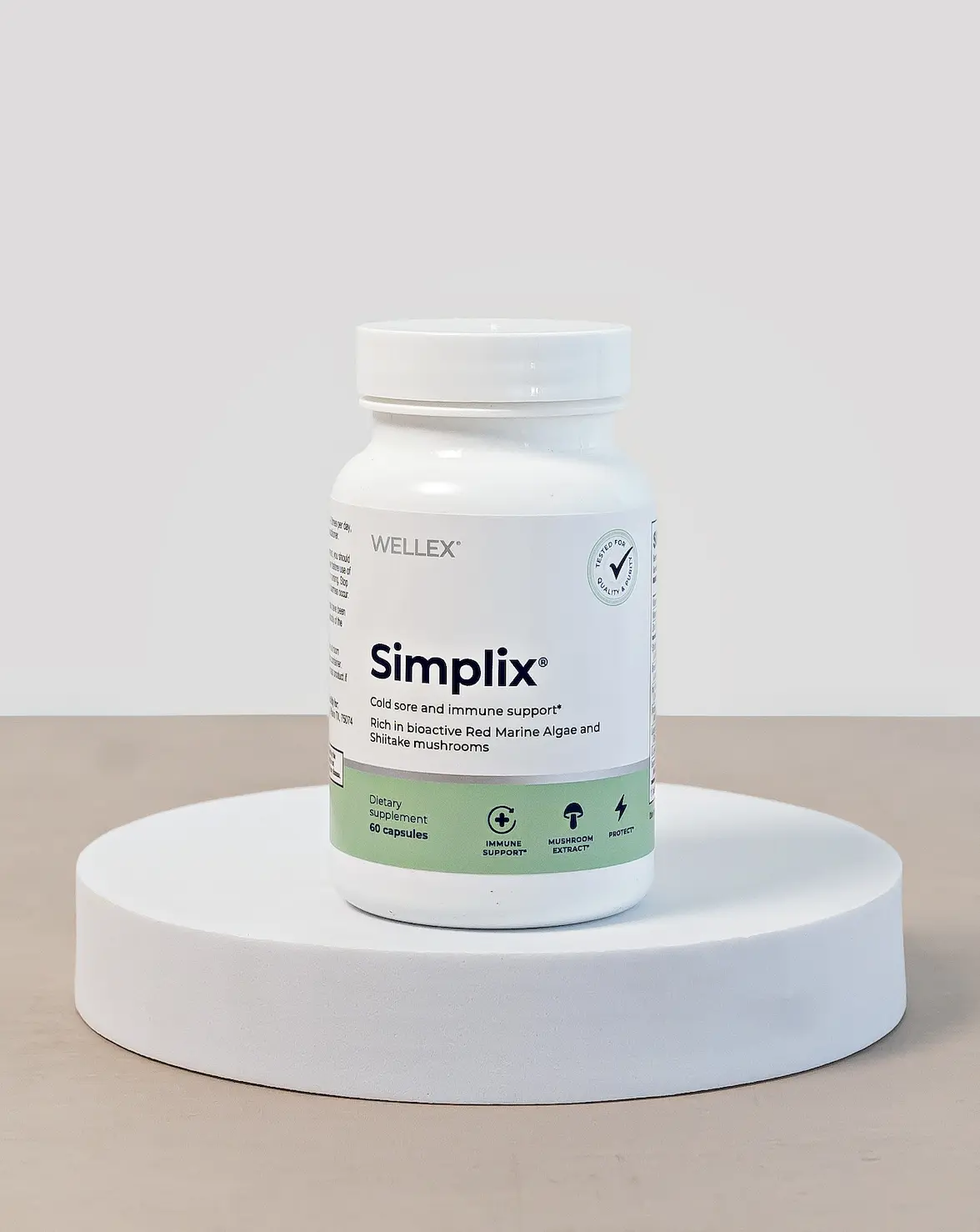
Image: Simplix Viral Defense
Simplix Viral Defense
Why we love it:
- Specifically formulated to reduce cold sore outbreaks
- Contains L-Lysine, Red Marine Algae, and Lemon Balm
- Supports immune system during viral challenges
- Helps manage stress-triggered outbreaks
Recommended Supplements for Herpes Management
Simplix Viral Defense
Cold Sore & HSV Support
Simplix Viral Defense
Cold Sore & HSV Support
Synergistic formula combining L-Lysine, shiitake mushroom, and marine bioactives for comprehensive immune support.
SHOP NOW & SAVE 15%