The ketogenic diet (KD) is a high-fat, low-carbohydrate dietary approach that induces ketosis, a metabolic state where the body primarily burns fat for energy instead of carbohydrates. Beyond its well-known benefits for weight management and metabolic health, emerging evidence suggests KD may offer therapeutic potential against viral infections, including those caused by herpes simplex virus (HSV).
By reducing inflammation and modulating immune function, the keto diet may support individuals managing HSV infections, such as genital herpes, through mechanisms that complement conventional treatments.
Simplix Viral Defense
Cold Sore & HSV Support

Simplix Viral Defense
Cold Sore & HSV Support
Synergistic formula combining L-Lysine, shiitake mushroom, and marine bioactives for comprehensive immune support.
SHOP NOW & SAVE 15%Genital Herpes and Diet
Genital herpes is caused mainly by herpes simplex virus types 1 and 2 (HSV-1 and HSV-2), leading to recurrent painful sores and systemic symptoms that can impact quality of life.
While antiviral medications remain the primary treatment, dietary factors have gained attention as adjunctive strategies. Foods high in arginine, such as nuts, seeds, and chocolate, may promote HSV replication and potentially trigger outbreaks, so moderation is advised.
Conversely, lysine-rich foods like dairy, fish, and eggs may inhibit viral replication. Antioxidant-rich fruits and vegetables also support immune health and help reduce inflammation, potentially decreasing outbreak frequency and severity. For the bigger picture, see our overview of herpes and diet.
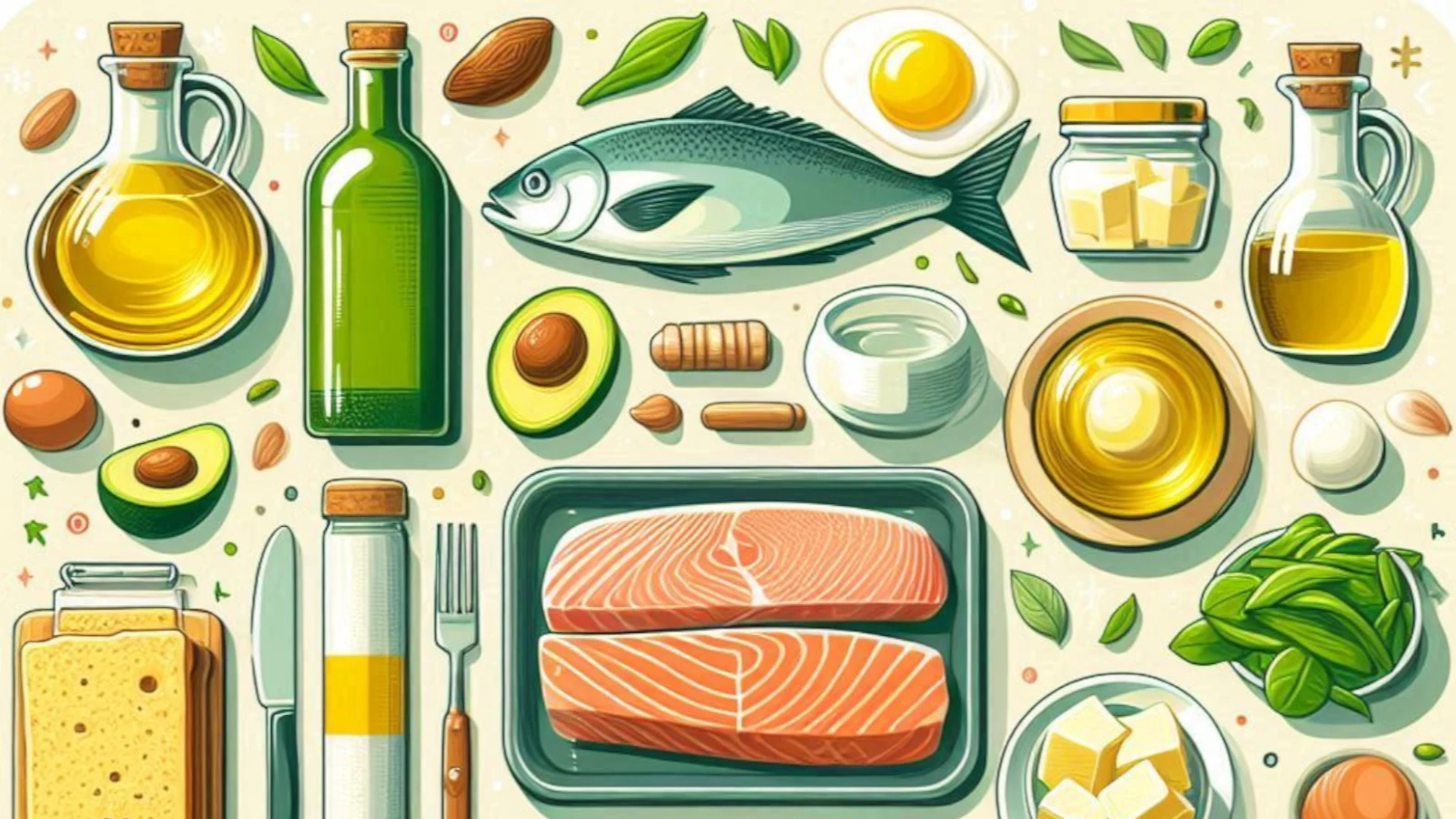
Studies Show a Keto Diet Can Mitigate the Effects of Herpes Simplex Encephalitis
Herpes simplex encephalitis (HSE) is a rare but severe neurological complication caused by HSV-1, characterized by brain inflammation and cognitive impairment.
Preclinical studies in mice have demonstrated that a ketogenic diet can significantly reduce HSV-1 viral load and neuroinflammation, improving survival outcomes. These findings highlight KD’s potential in modulating viral pathogenesis beyond metabolic effects.
Although direct evidence for genital herpes is limited, these results suggest that similar immunometabolic mechanisms might benefit individuals with HSV infections.
Mechanisms of Action
The ketogenic diet influences the gut microbiome, which is closely tied to immune regulation. Research shows that depleting gut microbes with antibiotics diminishes KD's protective effects against HSV-1, pointing to the importance of a healthy microbiota.
Specific gut bacteria enhanced by KD are linked to reduced inflammation and improved antiviral immune responses, which suggests gut health is integral to the diet's benefits for herpes management. Supporting your microbiome with probiotics may complement this effect.
Chronic inflammation is a hallmark of HSV infections and can exacerbate symptoms. The ketogenic diet has been shown to lower inflammatory cytokines such as IL-6 and TNF-alpha, which may help reduce the frequency and severity of herpes outbreaks.
By dampening systemic inflammation, KD supports a more balanced immune environment conducive to viral control.

Ketone bodies produced during ketosis create a metabolic environment less favorable for viral replication by limiting glucose availability, which many viruses rely on for energy.
Additionally, ketones themselves may possess antiviral properties, further contributing to the suppression of HSV activity and supporting immune defense.
Things to Consider
While current research is promising, more clinical studies are needed to fully understand the ketogenic diet’s role in managing genital herpes. Individuals interested in adopting KD should consult healthcare professionals to ensure it complements their overall treatment plan.
Incorporating a ketogenic diet may provide dual benefits of weight management and enhanced immune support, potentially reducing herpes outbreaks and improving quality of life.
Combining dietary strategies with medical therapies and lifestyle modifications offers a comprehensive approach to managing genital herpes effectively.
Ketogenic Diet and Herpes FAQs
Can the ketogenic diet help reduce herpes symptoms?
Possibly. Animal studies show the ketogenic diet may reduce herpes simplex virus type 1 (HSV-1) severity, especially in neurological infections, by modulating inflammation and gut microbes. However, direct evidence in humans for typical herpes outbreaks is limited.
How does the ketogenic diet affect herpes simplex virus (HSV-1)?
The ketogenic diet appears to restrict HSV-1 neuroinflammation and viral replication in mice, improving survival in herpes simplex encephalitis. This effect is linked to changes in gut microbiota and reduced neuroinflammation.
Is there a risk of herpes outbreaks when starting keto?
Some people report herpes or shingles outbreaks when beginning keto, possibly due to amino acid imbalances (lysine vs. arginine) or immune changes. However, this is anecdotal and varies individually.
Should I adjust my amino acid intake on keto to manage herpes?
Limiting arginine-rich foods and supplementing lysine may help reduce outbreaks, as arginine supports herpes virus replication while lysine may inhibit it. Keto diets high in nuts (arginine) might require careful balance.
Can the ketogenic diet replace antiviral medications for herpes?
No. While keto may support immune function and reduce inflammation, antiviral drugs remain the most effective treatment for herpes infections and should not be replaced by diet alone.
Does keto improve immune response to viral infections?
Ketogenic diets can modulate immune and inflammatory responses, partly through gut microbiome changes, which may help the body better manage viral infections like HSV-1, but more human research is needed.
Are there any side effects of keto related to herpes?
Some individuals experience skin rashes or viral flare-ups when starting keto, possibly due to metabolic or immune shifts. Monitoring symptoms and consulting a healthcare provider is recommended.
How long does it take to see effects of keto on herpes symptoms?
Effects vary widely and are not well studied in humans. Animal studies show benefits within days to weeks, but human responses depend on individual factors and overall health.
Can keto diet help with other viral infections?
Emerging research suggests keto may help modulate immune responses to some viruses, but evidence is limited and should not replace conventional treatments.
Is it safe to combine ketogenic diet with herpes treatment?
Yes, keto can be combined with antiviral medication. The diet does not interfere with drugs like acyclovir or valacyclovir, and many people use both together. Let your healthcare provider know about any major dietary change so they can monitor how you respond.

Image: Bravado Labs L-Lysine Cold Sore Treatment
Bravado Labs L-Lysine Cold Sore Treatment
Why we love it:
- Verified Customer Favorite
- High Quality Ingredients
As an affiliate, we earn from qualifying purchases.