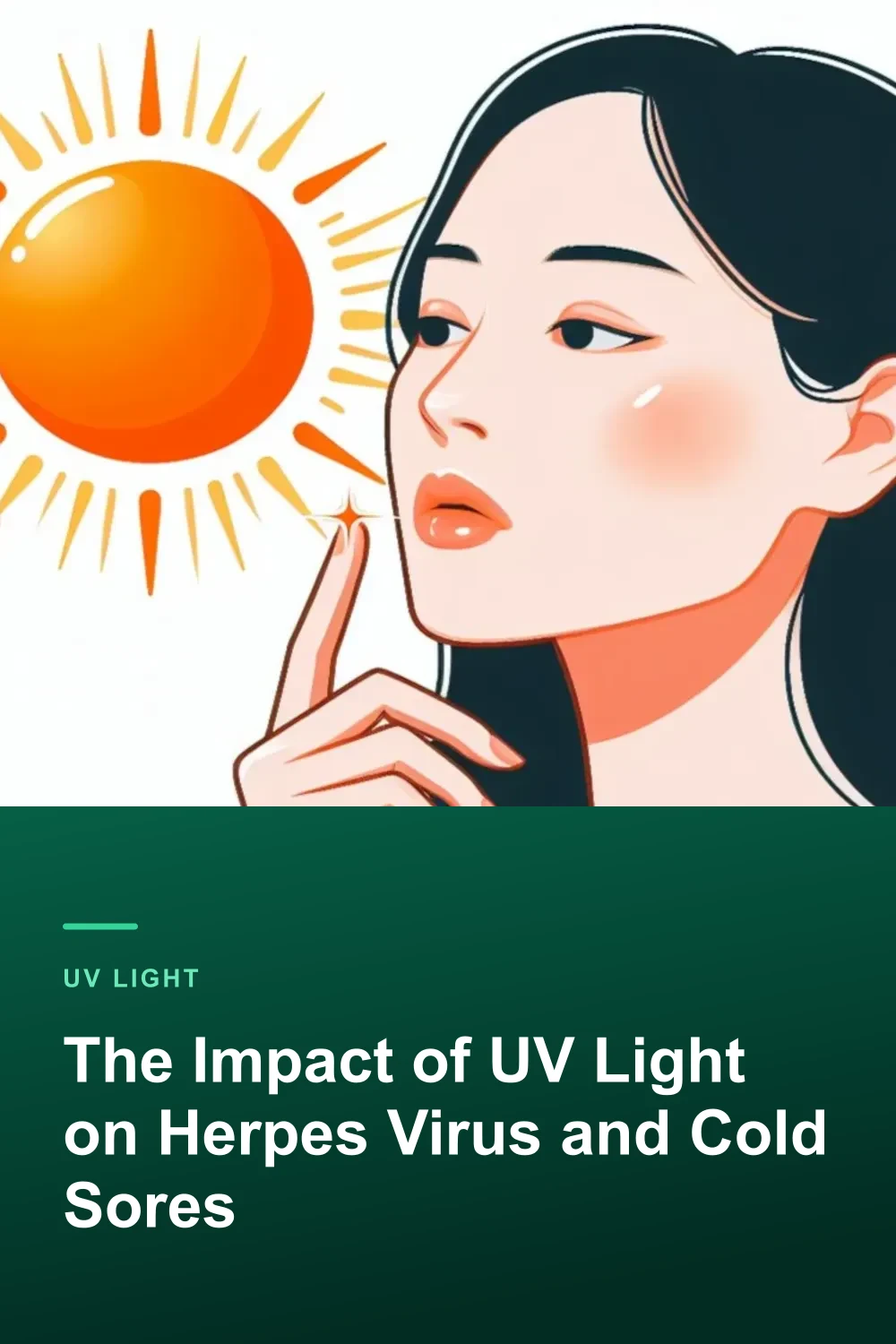
Exposure to ultraviolet B (UVB) light from sunlight has been associated with herpes virus reactivation and may worsen cold sore outbreaks. The herpes simplex virus can lie dormant in nerve cells for years after initial infection, but UV light exposure can trigger the virus to replicate, leading to cold sores. Overexposure to UV radiation can affect your immune system, compromising its ability to keep the HSV-1 virus under control.
Photochemotherapy, which combines a drug with exposure to ultraviolet A (UVA) light from the sun and tanning beds, may also activate the herpes virus and worsen cold sore symptoms. However, sunlight itself doesn't cause cold sores; rather, it can trigger outbreaks in those previously infected with the herpes virus.
Simplix Viral Defense
Cold Sore & HSV Support
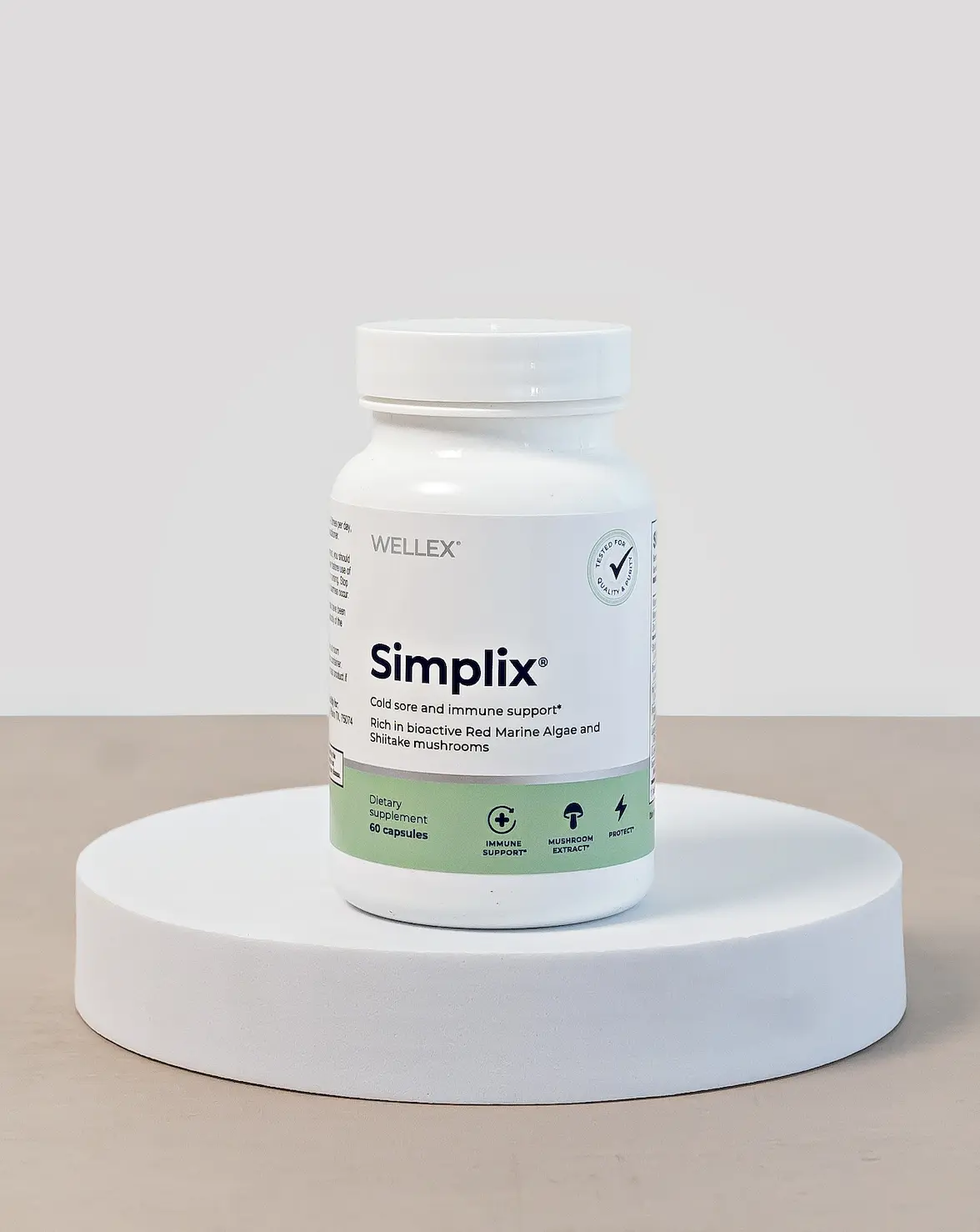
Simplix Viral Defense
Cold Sore & HSV Support
Synergistic formula combining L-Lysine, shiitake mushroom, and marine bioactives for comprehensive immune support.
SHOP NOW & SAVE 15%To minimize herpes outbreak risk after sun exposure, consider gradual and progressive sun exposure, appropriate clothing (like wide-brimmed hats and long sleeves), knowing your skin phototype, and using sunscreens with suitable sun protection factors (SPF) for your skin type and environmental conditions.
While UV light exposure can reactivate the virus and lead to cold sores, it doesn't kill the virus itself.
Once reactivated, antiviral medications like acyclovir are necessary to treat symptoms and reduce viral shedding.
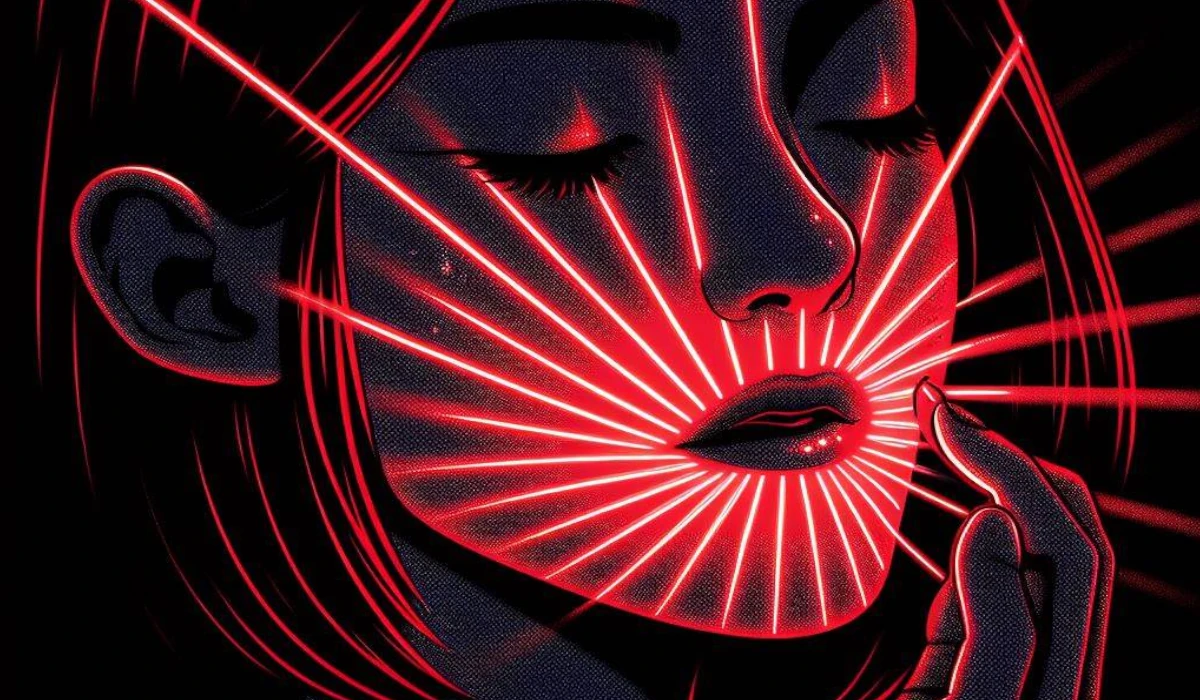
Red Light Therapy: A Potential Complementary Approach
In recent years, red light therapy has been explored as a potential complementary treatment for managing herpes outbreaks and cold sores. Red light therapy uses red and near-infrared wavelengths and has shown promise in reducing symptom severity, shortening outbreak duration, and promoting healing. Herpes red light therapy targets affected areas with minimal heat, aiming to stimulate healing and diminish inflammation.
The therapy activates cellular mechanisms, including mitochondria, which enhances ATP production (the cell's energy currency). This bioenergetic boost may facilitate quicker recovery from HSV lesions. Additionally, red light has been shown to modulate inflammatory mediators, potentially reducing swelling and discomfort.
Studies indicate red light therapy can significantly improve genital herpes outbreaks and may offer relief for those experiencing recurrent HSV infections. One study found that people with herpes cold sores treated with red light therapy had quicker recovery times, with healing shortened from an average of 7 to 5 days.
Another review examined several studies on red light therapy for cold sores and found that the most effective approach combined daily red light laser treatment (wavelength 635 nm, power 15–25 mW/cm² for 5 minutes, started within the first 24 hours of an outbreak) with antiviral gels or creams containing acyclovir (Zovirax).
While red light therapy is a helpful complementary approach, it doesn't completely eliminate the herpes virus from your body.
The virus can still lie dormant in nerve cells and reactivate in the future, potentially leading to new outbreaks.
Potential Cures and Future Research
Researchers are actively exploring novel approaches to potentially cure herpes infections in the future. One promising avenue involves targeting a mysterious gene carried by the herpes simplex-1 virus (HSV-1) that allows the virus to remain latent. By disrupting this gene, it may be possible to "wake up" the virus and then kill it with antiviral drugs like acyclovir.
The Duke University research team is currently discussing potential collaborations with pharmaceutical companies to further investigate this approach and conduct animal trials. If successful, this could lead to a breakthrough in herpes treatment, potentially offering a cure for conditions like cold sores and shingles.

Image: Simplix Viral Defense
Simplix Viral Defense
Why we love it:
- Specifically formulated to reduce cold sore outbreaks
- Contains L-Lysine, Red Marine Algae, and Lemon Balm
- Supports immune system during viral challenges
- Helps manage stress-triggered outbreaks