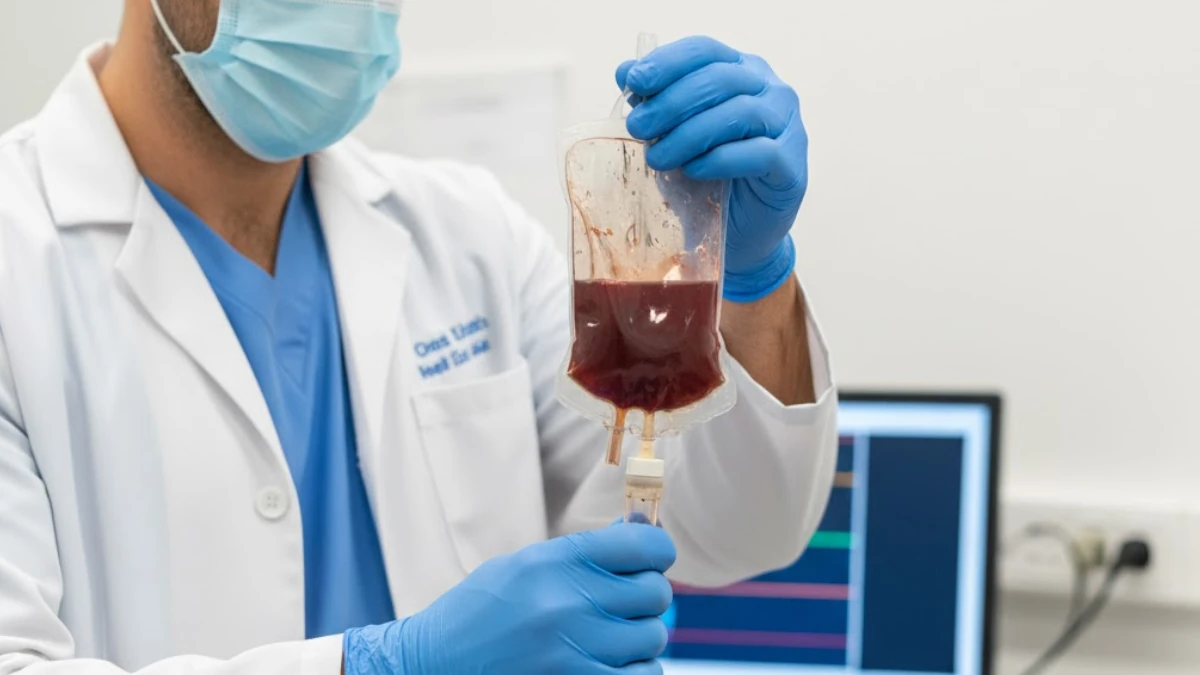
If you sense a cold sore starting to develop, taking prompt action can significantly shorten the healing time. Follow this straightforward action plan to manage and potentially reduce the duration of a cold sore within 24 hours. The key points include:
Let's break this process down.
Step 1: Gather Your Supplies
To start, it’s important to gather your supplies.
First, get a prescription for antiviral medications such as acyclovir (Zovirax) or valacyclovir (Valtrex).
These medications work best when taken at the first sign of an outbreak.
Stock up on over-the-counter options like Abreva (docosanol) or other topical antiviral creams that can help speed up healing.
You should also have lysine powder ready; lysine is an amino acid that may help reduce the frequency and severity of outbreaks.
Consider getting tea tree oil, known for its antiviral properties, as an extra treatment option.
Finally, grab some Vaseline or Sudocrem to keep the affected area moist, which can promote faster healing.
You might also want to keep a small kit with these supplies handy in places you frequent, such as your office or car.
This way, you can start treatment as soon as you notice any symptoms without having to search for what you need.
Having everything organized in advance will make it easier to respond quickly when an outbreak occurs.
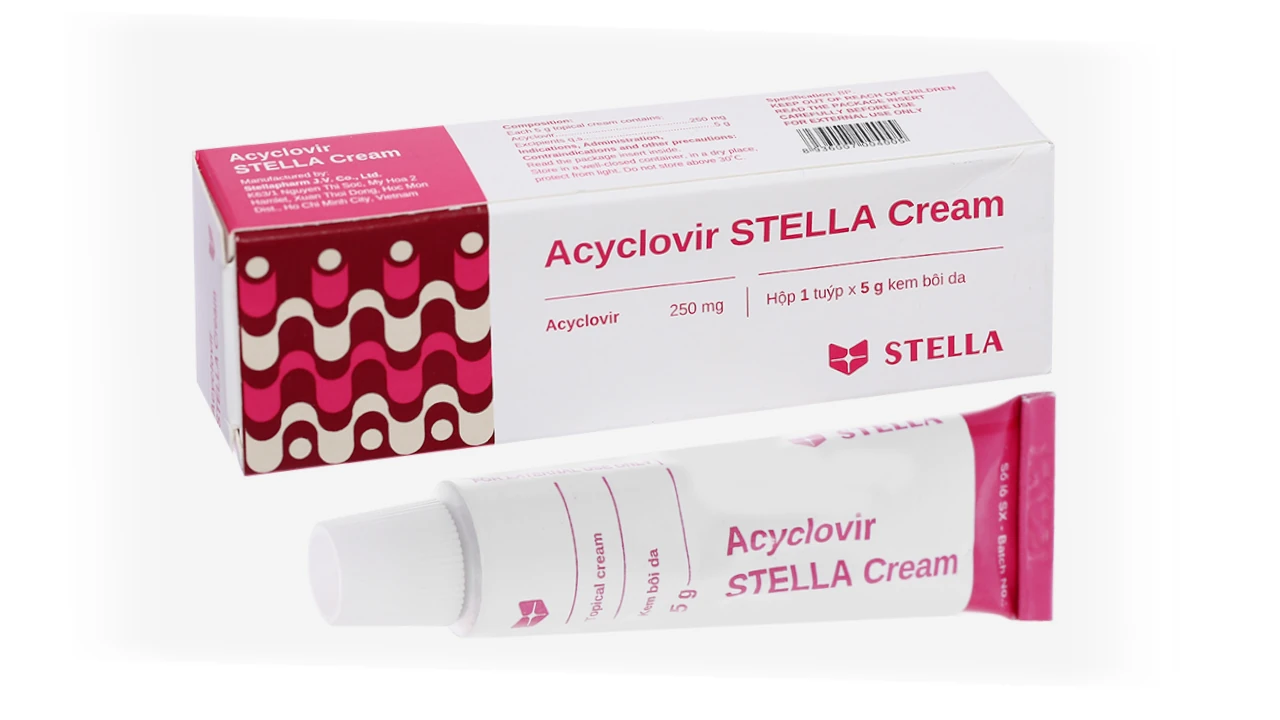
Supplies Checklist
- Antiviral medications (acyclovir or valacyclovir)
- Over-the-counter topical treatments (Abreva)
- Lysine powder
- Tea tree oil
- Moisturizers (Vaseline or Sudocrem)
Regularly check your supplies to ensure that everything is stocked up and not expired.
If you find that certain treatments work particularly well for you, consider keeping extra on hand so you're never caught without them.
Step 2: Immediate Treatment
The moment you feel that first tingling sensation associated with a cold sore, it’s important to apply antiviral cream right away. Use Acyclovir cream or Abreva directly on the cold sore and apply it every 20 minutes during waking hours for maximum effectiveness. Taking action early can significantly shorten the duration of the outbreak. If you have a prescription antiviral medication, take it as directed at the first sign of symptoms. For example, with valacyclovir, a common dosage is 2 grams taken twice in one day, spaced 12 hours apart. This method helps suppress the virus and speeds up healing.
Prescription antiviral medications such as acyclovir, valacyclovir, and famciclovir can help cold sores heal faster. These medications are available in both oral forms and topical creams, and they work by preventing the herpes simplex virus from replicating. Over-the-counter options like docosanol (Abreva) can also be effective when applied at the first signs of an outbreak. Using these treatments early can significantly shorten healing time, allowing you to return to your daily activities with less discomfort.
You should also consider taking lysine supplements. Aim for 3-4 grams of lysine powder throughout the day in 1-gram doses; this amino acid can help inhibit the replication of the virus and may reduce the severity of symptoms. You can apply diluted tea tree oil with a cotton bud several times during the day. This natural remedy has antiviral and anti-inflammatory properties that can aid in healing.
In addition to antivirals, various topical treatments can provide relief from symptoms. Products containing lidocaine or benzocaine can help numb pain associated with cold sores, making them more manageable. Applying a cold compress or ice wrapped in a cloth can also reduce swelling and discomfort, providing immediate relief from the burning sensation often felt during an outbreak. Other topical options include creams with benzyl alcohol, which may promote faster healing by keeping the affected area moist and reducing irritation.
Step 3: Keep Moisture in Check
Keeing moisture in the affected area is another important step in managing cold sores.
Avoid popping blisters since this can lead to infection and prolong healing time; instead, let the cold sore heal naturally.
Before bed, apply a mixture of Sudocrem and Vaseline to keep the area hydrated overnight.
Moist skin promotes faster healing and reduces discomfort.
You might also want to consider using a soft cloth or bandage over the area if it feels particularly irritated or if you're worried about accidental contact during sleep.
Keeping it covered can help protect it from further irritation while still allowing it to breathe.
If you notice that dryness is a recurring issue during outbreaks, look into hydrating products specifically designed for sensitive skin around the mouth area.
These products can provide additional relief while ensuring that your skin remains healthy.

Step 4: Prevent Future Outbreaks
If an outbreak has occurred, it’s important to stay alert to prevent future occurrences.
Continue taking a low dose of lysine (1 gram daily) to help prevent recurrence; being proactive can significantly reduce your risk of future outbreaks.
Keeping a healthy lifestyle is also key; focus on a balanced diet rich in vitamins C and E to support your immune system while staying hydrated by drinking plenty of water.
Consider taking multivitamins if needed.
You should also protect your lips from sun exposure by using SPF lip balm regularly.
Sunlight can trigger outbreaks in some individuals, so applying sunscreen consistently is essential for prevention.
Additionally, managing stress through relaxation techniques such as yoga or meditation can be beneficial since stress is a known trigger for many people with cold sores.
Finding ways to unwind regularly may help reduce your likelihood of experiencing outbreaks over time.
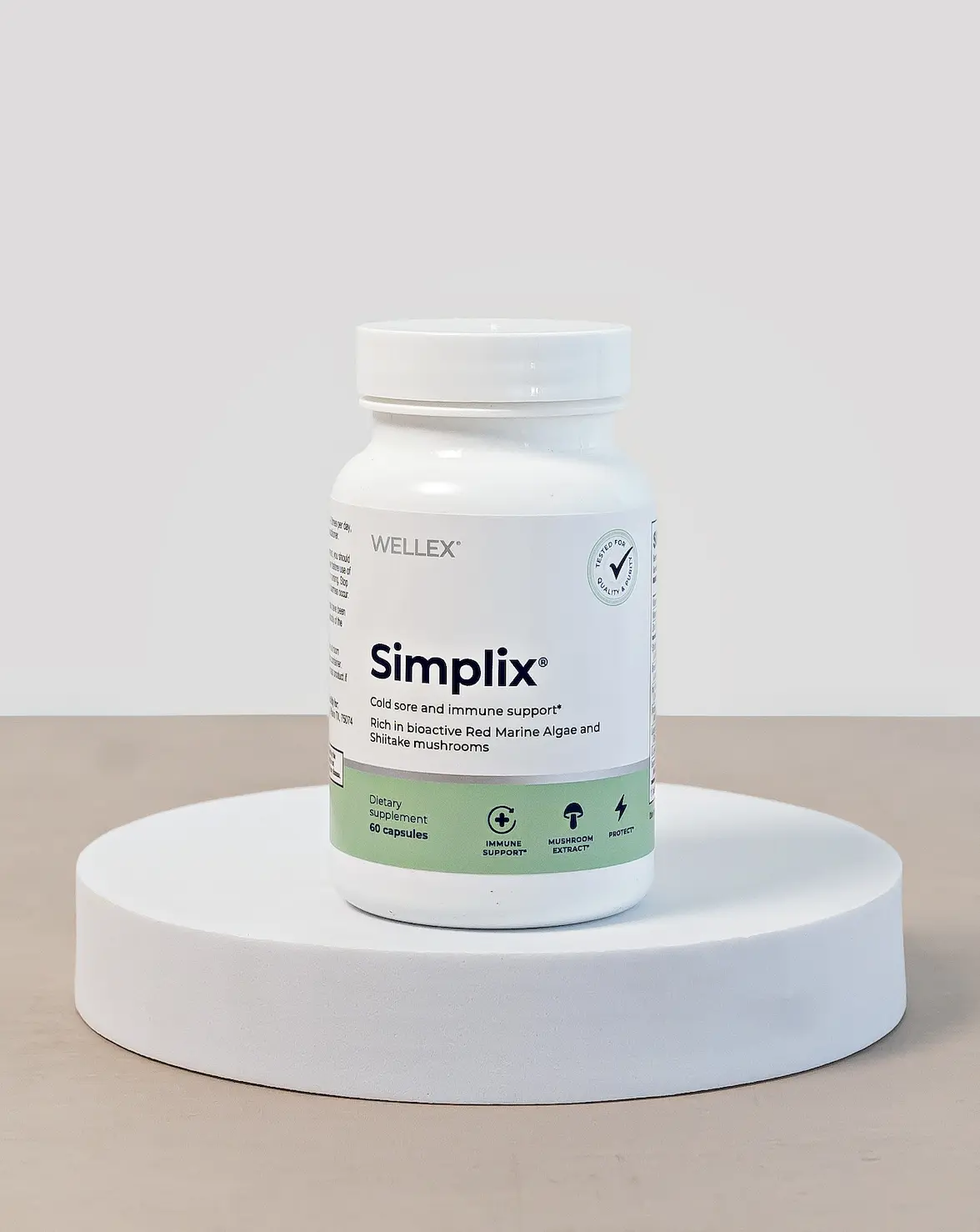
Image: Simplix Viral Defense
Simplix Viral Defense
Why we love it:
- Specifically formulated to reduce cold sore outbreaks
- Contains L-Lysine, Red Marine Algae, and Lemon Balm
- Supports immune system during viral challenges
- Helps manage stress-triggered outbreaks
Recommended Supplements for Herpes Management
Simplix Viral Defense
Cold Sore & HSV Support
Simplix Viral Defense
Cold Sore & HSV Support
Synergistic formula combining L-Lysine, shiitake mushroom, and marine bioactives for comprehensive immune support.
SHOP NOW & SAVE 15%