Cold sores are contagious lesions that require careful hygiene to prevent spreading and promote healing. Proper cleaning and disinfecting of cold sores can reduce the risk of secondary bacterial infection and help manage symptoms. Maintaining good hygiene and gentle care is essential when handling cold sores to avoid irritation and further spread of the HSV virus.
Steps to Clean a Cold Sore Safely
Cleaning a cold sore should be done gently to avoid aggravating the sensitive skin.
Follow these steps:
- Wash your hands thoroughly with soap and water before and after touching the cold sore to prevent spreading the virus.
- Use a sterile cotton swab or clean cloth dampened with warm water or mild soap solution to gently cleanse the area around the sore.
- Avoid scrubbing or rubbing the sore to prevent irritation or damage to the skin.
- Dab the area dry with a clean tissue or cloth without rubbing.
- Apply antiviral creams or ointments using a sterile cotton swab to avoid contaminating the product.
Disinfecting Cold Sores: What You Need to Know
Disinfecting the cold sore area can help prevent bacterial infections. Some antiseptics like diluted hydrogen peroxide or rubbing alcohol may be used cautiously, but they can also irritate the skin. Medical sources recommend gentle cleaning over harsh disinfectants. If you choose to use antiseptics, apply them sparingly and avoid excessive use to prevent skin damage.

Additional Tips for Managing Cold Sores
- Avoid touching the sore as much as possible to reduce virus spread.
- Use cold sore patches to protect the area and reduce irritation.
- Replace oral hygiene items like toothbrushes and lip balms after an outbreak to prevent reinfection.
- Maintain good overall hygiene including washing towels, pillowcases, and washcloths frequently.
- Avoid sharing personal items such as utensils, cups, or towels during an outbreak.
When to Seek Medical Advice
If your cold sores are frequent, severe, or show signs of bacterial infection such as increased redness, swelling, pus, or pain, consult a healthcare professional. Prescription antiviral medications can speed healing and reduce outbreaks.
Cleaning and disinfecting cold sores with gentle care and proper hygiene practices is key to managing symptoms and preventing spread. Avoid harsh scrubbing or overuse of antiseptics to protect delicate skin and promote healing.
Cleaning Cold Sores FAQs
How should I clean a cold sore?
Gently cleanse the area with warm water or mild soap using a sterile cotton swab or clean cloth. Avoid scrubbing and pat dry carefully.
Can I use hydrogen peroxide or alcohol to disinfect cold sores?
These can be used sparingly but may irritate the skin. Gentle cleaning is generally preferred over harsh antiseptics.
How often should I clean my cold sore?
Clean the cold sore as needed, especially before applying medication, but avoid excessive cleaning that can irritate the skin.
How can I prevent spreading the virus when cleaning cold sores?
Wash your hands thoroughly before and after touching the sore, use sterile applicators for creams, and avoid sharing personal items.
When should I see a doctor for cold sores?
If sores are severe, frequent, or show signs of infection, seek medical advice for appropriate treatment.
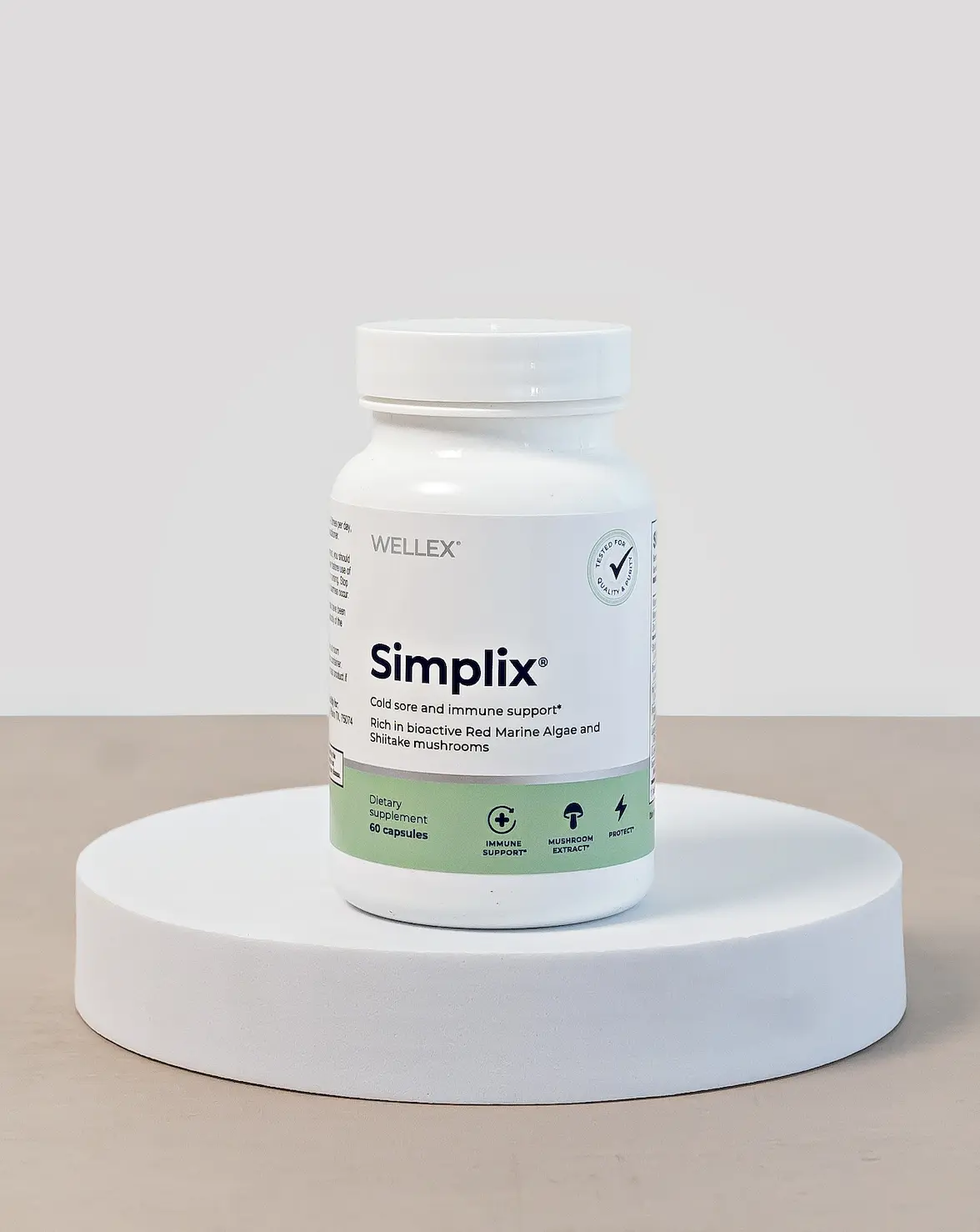
Image: Simplix Viral Defense
Simplix Viral Defense
Why we love it:
- Specifically formulated to reduce cold sore outbreaks
- Contains L-Lysine, Red Marine Algae, and Lemon Balm
- Supports immune system during viral challenges
- Helps manage stress-triggered outbreaks
Recommended Supplements for Herpes Management
Simplix Viral Defense
Cold Sore & HSV Support
Simplix Viral Defense
Cold Sore & HSV Support
Synergistic formula combining L-Lysine, shiitake mushroom, and marine bioactives for comprehensive immune support.
SHOP NOW & SAVE 15%