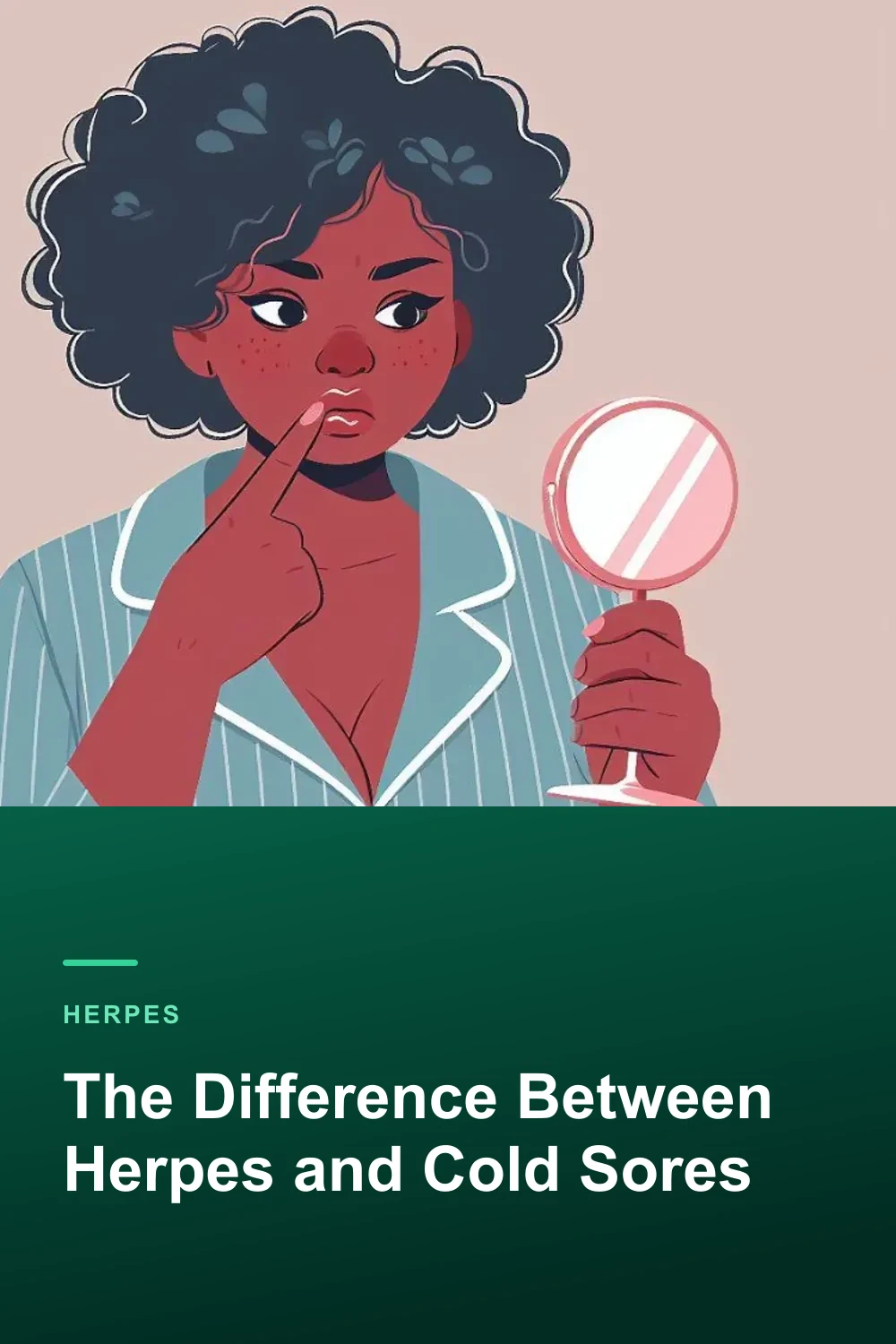
Herpes and cold sores are often confused with each other. They're both caused by the herpes simplex virus (HSV), but they manifest differently and affect different areas of the body. This article explores the differences and similarities between these two conditions, their symptoms, transmission, and treatments.
Simplix Viral Defense
Cold Sore & HSV Support
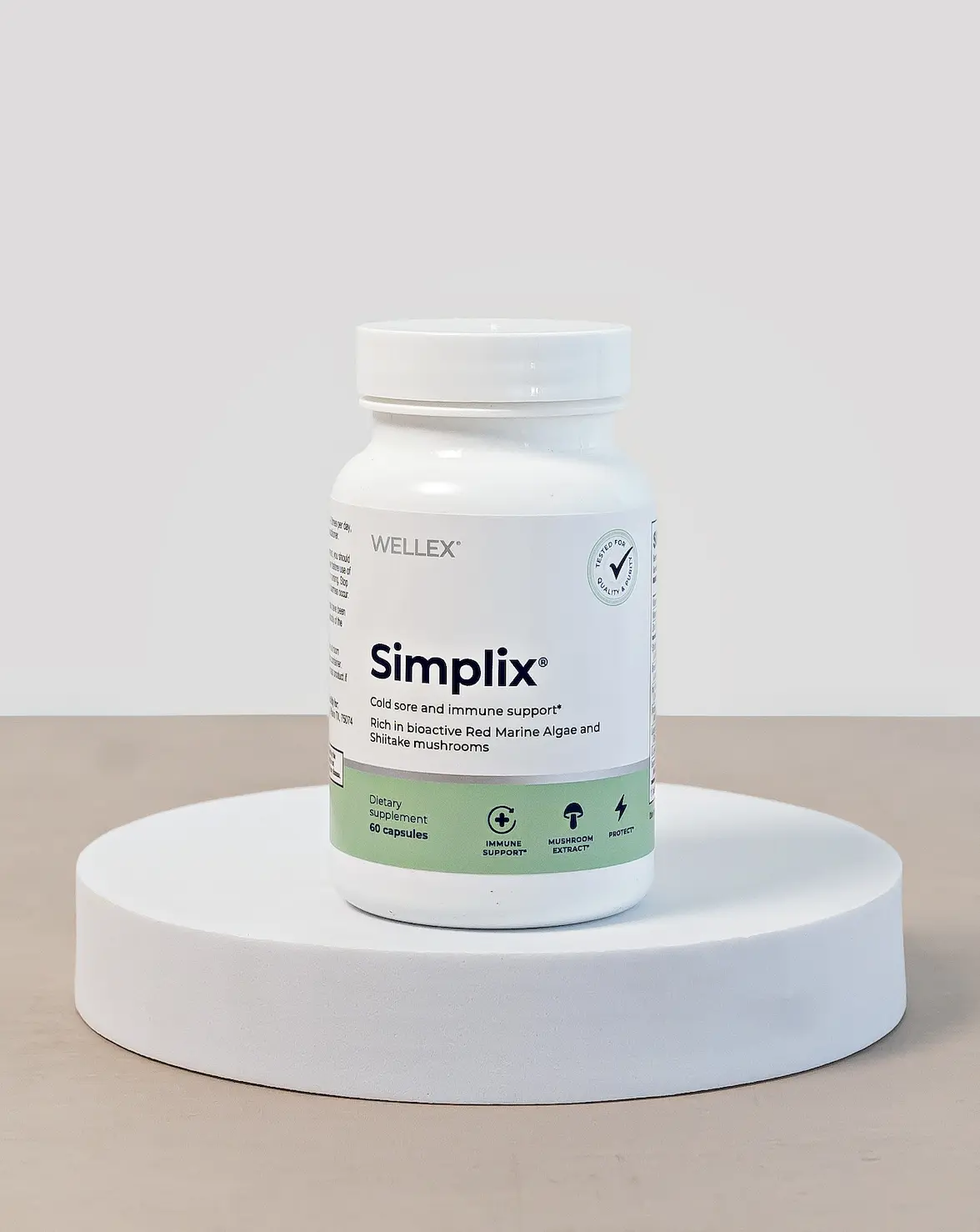
Simplix Viral Defense
Cold Sore & HSV Support
Synergistic formula combining L-Lysine, shiitake mushroom, and marine bioactives for comprehensive immune support.
SHOP NOW & SAVE 15%The Herpes Simplex Virus
The herpes simplex virus (HSV) causes both genital and oral herpes. Many people live with asymptomatic HSV. The virus is present without ever causing an outbreak or active episode.
Others experience occasional episodes of small, fluid-filled blisters or sores. These typically appear on the genitals or mouth and lips, but can also show up on hands, fingers, and other body parts. HSV spreads through sexual contact, but can also transmit in other ways.
What is Herpes?
Herpes is a sexually transmitted infection (STI) that causes sores on the genitals, anus, or thighs. It's most commonly caused by herpes simplex virus type 2 (HSV-2). However, genital herpes can also be caused by HSV-1, especially if the virus is passed from the mouth to the genitals through oral sex.
Herpes can cause serious health complications, such as meningitis. Symptoms vary based on outbreak location and whether HSV-1 or HSV-2 is involved. They may include painful blisters, ulcers, and discharge around the genitals, anus, or mouth. There's no cure for herpes, but antiviral medication can ease symptoms and lower transmission risk.
What are Cold Sores?
Cold sores, also known as fever blisters, are small, fluid-filled blisters that form on the lips or around the mouth. They're typically caused by herpes simplex virus type 1 (HSV-1). Cold sores are very common: close to 70% of people under 50 have been infected with HSV-1.
Cold sores usually form on the outside of your mouth or lips, but can sometimes affect your face. Before a cold sore appears, there may be tingling, itching, or burning. One or more fluid-filled blisters form, which typically progress from painful blisters to oozing sores with crusting lasting 7 to 10 days.
Transmission of Herpes and Cold Sores
Both herpes and cold sores are highly contagious and incurable. The HSV-1 virus that causes cold sores spreads through kissing, touching, or sharing items that touch the mouth. Most infections start in childhood, and most don't cause any symptoms.
Treatment of Herpes and Cold Sores
While HSV-1 and HSV-2 are incurable infections, treatments help manage symptoms and reduce recurrence. Prescription medications can reduce symptoms and recurrence. Over-the-counter medications that numb cold sores or ice can help relieve symptoms.

Cold Sores vs Canker Sores
Canker sores, also known as aphthous ulcers, are small, shallow lesions on the soft tissues in your mouth or at the base of your gums. Unlike cold sores, canker sores don't appear on your lips and they aren't contagious. They can be painful and make eating and talking difficult.
While both canker sores and cold sores appear in or around the mouth, they have different causes and symptoms. Canker sores develop only in soft mouth tissues like your gums or inside your cheeks. They're caused by various factors, including mouth injury and vitamin deficiencies.
Cold sores form on and around your lips, though sometimes they can form inside your mouth. They're caused by the herpes simplex virus and are highly contagious.
Image: Simplix Viral Defense
Simplix Viral Defense
Why we love it:
- Specifically formulated to reduce cold sore outbreaks
- Contains L-Lysine, Red Marine Algae, and Lemon Balm
- Supports immune system during viral challenges
- Helps manage stress-triggered outbreaks